In the crowded heart of Sagittarius, just east of the famous Lagoon and Trifid nebulae, lies a smaller but wildly dramatic stellar nursery called NGC 6559.
About 5,000 light-years from Earth, this compact region (only a few to roughly 15 light-years across) is a chaotic blend of glowing gas, reflective dust, and opaque dark clouds—an active cosmic laboratory where new stars are being born and immediately begin reshaping their surroundings.
What makes NGC 6559 so striking is how clearly it displays three different kinds of nebula side by side. The vivid red glow comes from hydrogen gas excited by the intense ultraviolet light of hot, young stars; the gas absorbs that energy and re-emits it as the characteristic red light of emission nebulae. Nearby blue patches form where fine dust grains scatter and reflect starlight, preferentially scattering shorter blue wavelengths. Dark, sinuous clouds of denser dust cut across the scene, blocking background stars and creating silhouettes that some observers liken to a Chinese dragon. Together, these structures turn the nebula into a living illustration of how radiation, dust, and gravity interact in interstellar space.
NGC 6559 is also a textbook example of star formation in progress. Dense pockets of gas and dust collapse under their own gravity, heating until nuclear fusion ignites and new stars are born. The most massive of these stars—still only a couple of million years old—then drive powerful radiation and stellar winds that erode, fragment, and sculpt the very clouds that created them, carving cavities and filaments. Eventually the material will disperse, leaving behind an open star cluster. Studying regions like this helps astronomers piece together the full life cycle of molecular clouds, the earliest stages of stellar birth, and the feedback processes that shape the galaxy’s next generation of stars.
Picture Credit: Brian Diaz
Neutrinos are everywhere, but they do not make themselves known. They pass all the way through the Earth and through our bodies without us noticing.
This year’s physics laureate Francis Halzen realised that ice at the South Pole could be used to track these secretive particles. His vision, first presented in the late 1980s, led to the IceCube Neutrino Observatory, that covers an entire cubic kilometre and was finished in 2011. Researchers soon discovered the first high-energy neutrinos and, a few years later, could publish their discovery of neutrinos that must originate far outside our solar system.
“By detecting these neutrinos, we can learn something about cosmic sources which otherwise would not be accessible to us,” said Mark Pearce, chair of the Nobel Committee for Physics.
Listen to him explain more about the 2026 physics prize: https://t.co/BtgPqbEyfK
“A society that puts equality before freedom will get neither. A society that puts freedom before equality will get a high degree of both.”
— Milton Friedman
Vai dažas stundas pirms izšķirošām sarunām no premjera komandas rokām tika izņemta visa politiskās šaha partijas stratēģija?
Kurš tagad var ieskatīties @AndrisKulbergs kārtīs, top publiski redzams komentāros.
Ja tā ir tikai sakritība, tad tai piemīt gluži ķirurģiska precizitāte!
Kādi vēl apliecinājumi vajadzīgi tam, ka ģenerālprokurora amatā mums jau atkal ir nekompetents, likumībai uzspļaujošs zaņķa pārstāvis? Kur diplomu nopirkāt, @MeistersArmins?
Aviokompānijas @airBaltic sāktā finanšu restrukturizācija atbilstoši 🇺🇸 tiesību aktos noteiktajai "Chapter 11"procedūrai ir kārtējais mēģinājums nopirkt laiku.Teic starptautiskas finanšu un audita kompānijas "Grant Thornton Baltic" vadošais partneris Raitis Logins. @lasilvportals
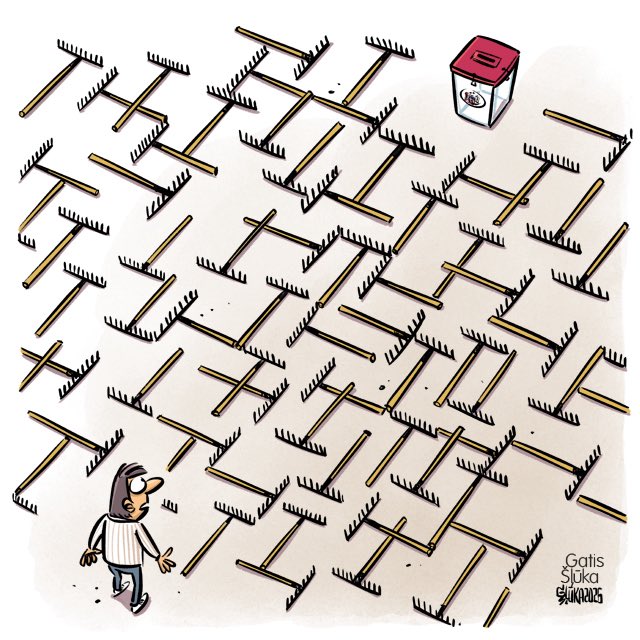
Līdz Saeimas vēlēšanām atlikušas 2 nedēļas, priekšvēlēšanu reklāmu, diskusiju un citu aktivitāšu daudzums kļuvis intensīvs.
Pavisam @CVK_zinas iesniegti 14 partiju un politisko apvienību saraksti, uz simt deputātu vietām Saeimā pretendē vairāk nekā 1400 kandidātu. @lasilvportals
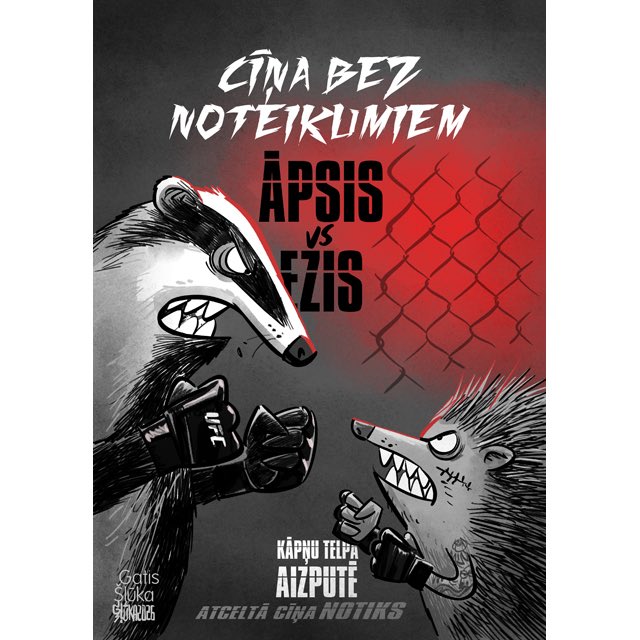
Stāsts par āpša un eža kautiņu Aizputes daudzdzīvokļu nama kāpņutelpā izraisījis lielu interesi un uzjautrinājumu.
Ziņu, ka Aizputē daudzdzīvokļu nama kāpņutelpā iesprukuši un traci naktī sataisījuši āpsis🦡 un ezis🦔, pirmdien publicēja Dienvidkurzemes pašvaldība. @lasilvportals
Saeimas vēlēšanās balsotāji var izvēlēties no 14 sarakstiem, to vidū ir gan zināmi politiskie spēki, gan politikas jaunpienācēji.
Vēlētāju aktivitāte Saeimas vēlēšanās nesenā pagātnē bijusi visai zema, parasti nepārsniedzot 60% no balsstiesīgo pilsoņu skaita. @lasilvportals