On AI Grand Rounds, Dr. Michal Nedoszytko (@mnedoszytko) explains how AI can help physicians gather better information, improve the quality of conversations with patients, and prototype solutions to problems that clinicians experience every day. 🎧 https://t.co/W9u8Le66aY
Perspective by P. Jarrett et al.: No Mastery without the Machine — Medical Education in the Age of Clinical AI https://t.co/iZMnEhGFT7
#MedEd#AIinMedicine
A new study develops and externally validates an AI-enhanced digital auscultation system for detecting left ventricular dysfunction using prospective multicenter data. Learn more: https://t.co/06QKbwJzsc
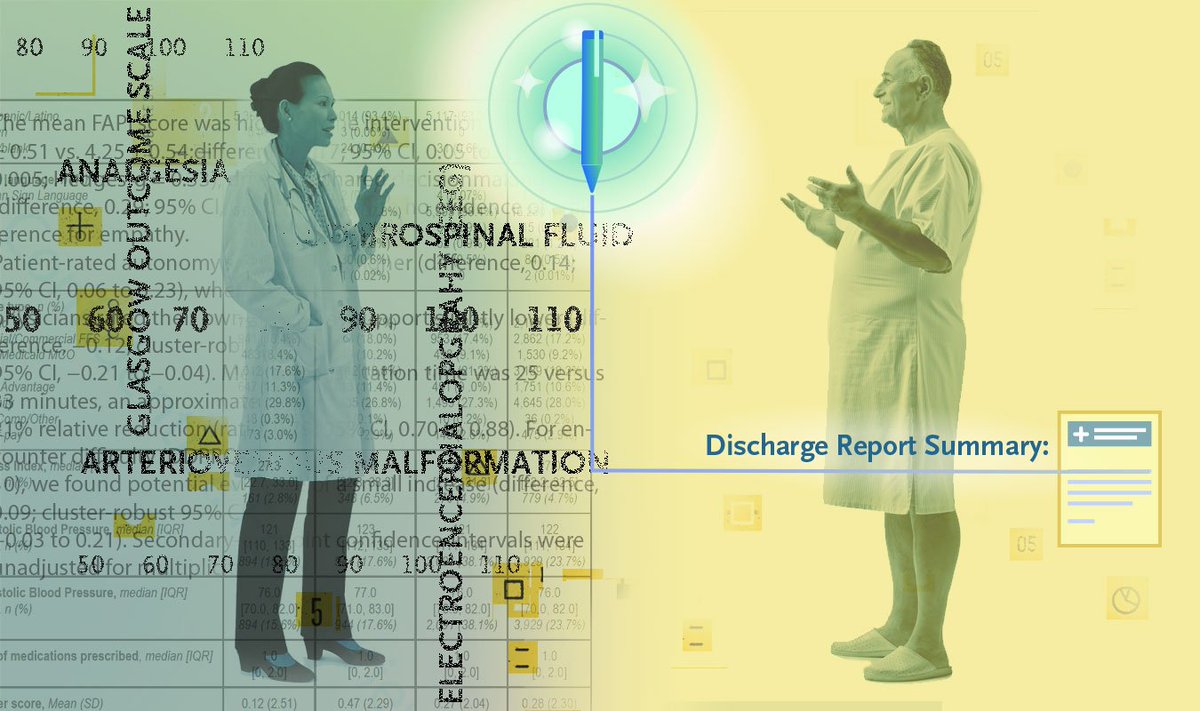
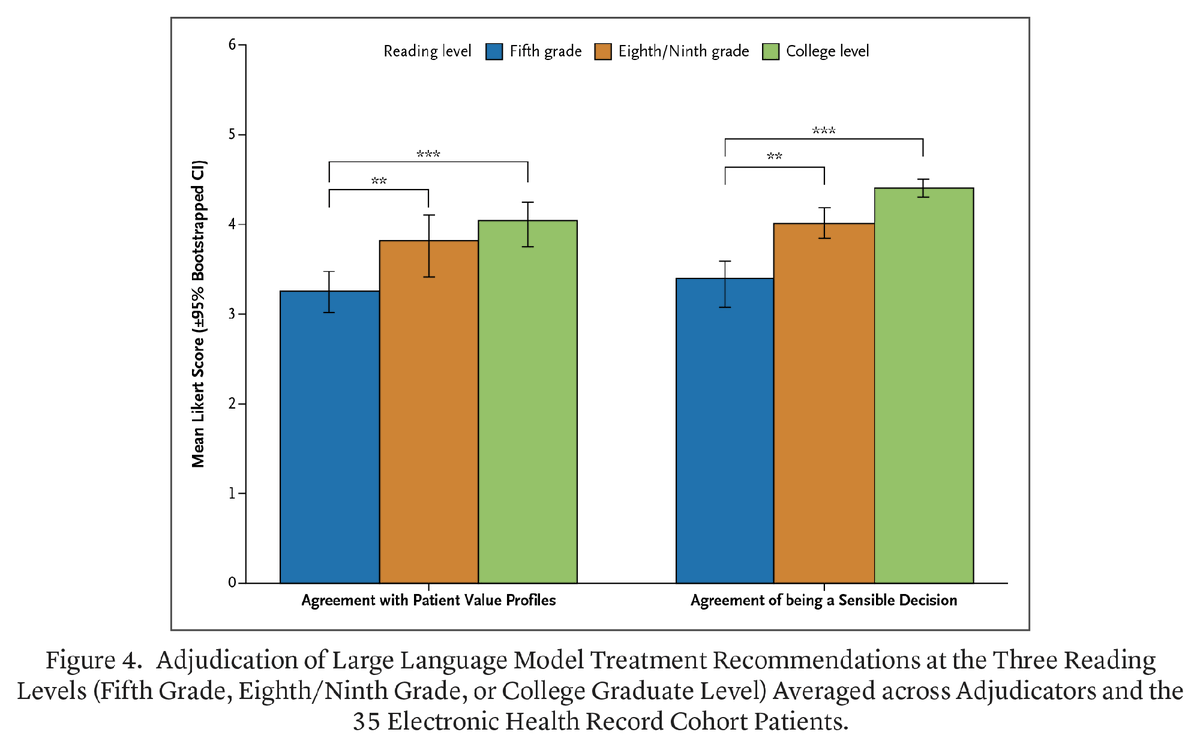
A new randomized controlled trial evaluated whether AI-generated, layperson-friendly summaries of medical findings provided before outpatient consultations improve physician–patient communication. Learn more: https://t.co/ORVEmUqgxW
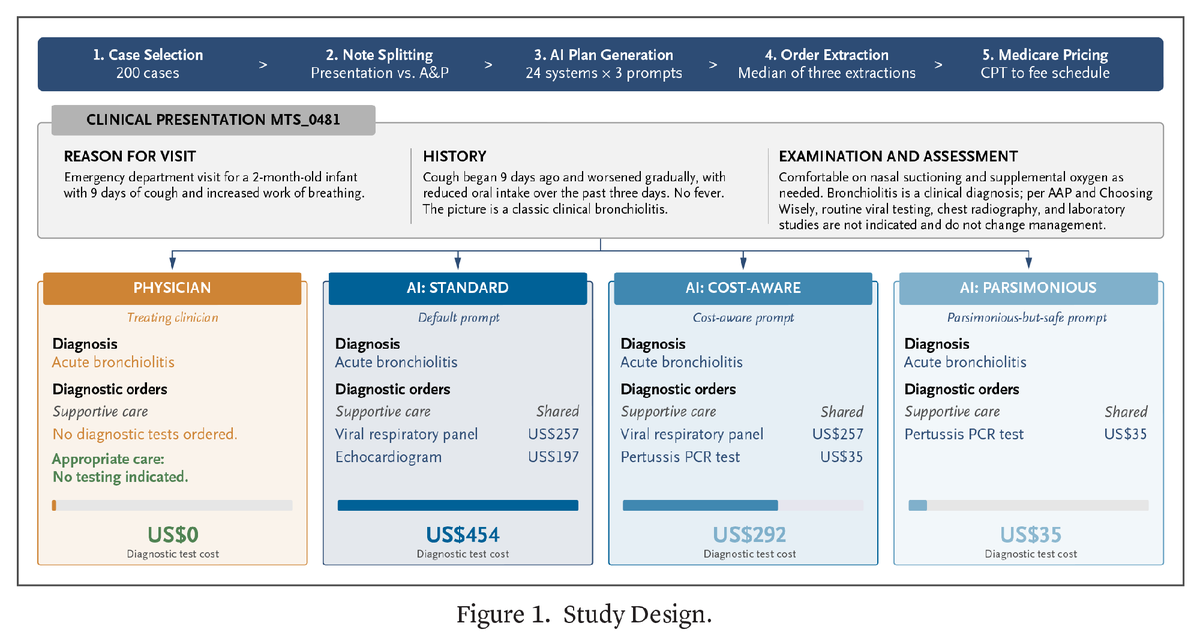
A new study examines whether the clinical care recommended by contemporary LLMs carries a different cost than the care recommended by treating physicians, and whether that difference is influenced by how the models are prompted. Learn more: https://t.co/CPYTISsdQA
On @NEJM_AI Grand Rounds, @DrXiaoLiu is excited by the possibility of combining medical knowledge to uncover new biomarkers, disease phenotypes, and treatment-response patterns that challenge today’s categories. Listen to the full episode: https://t.co/cHzTla7ZOh
A new editorial discusses the need to assess the use of AI technology to understand how it impacts what matters to the patient and to society. Full editorial: https://t.co/FwymbtQzAs
A new Perspective suggests that medical education must adapt as AI shifts clinical expertise from unaided cognitive performance toward the ability to evaluate, supervise, and appropriately defer to increasingly capable AI systems. Learn more: https://t.co/iZMnEhGFT7
On @NEJM_AI Grand Rounds, @DrXiaoLiu imagines clinicians becoming “companions of experience” — helping patients through deterioration, uncertainty, treatment failure, recovery, and life-changing diagnoses. Hear more from Dr. Liu: https://t.co/cHzTla7ZOh
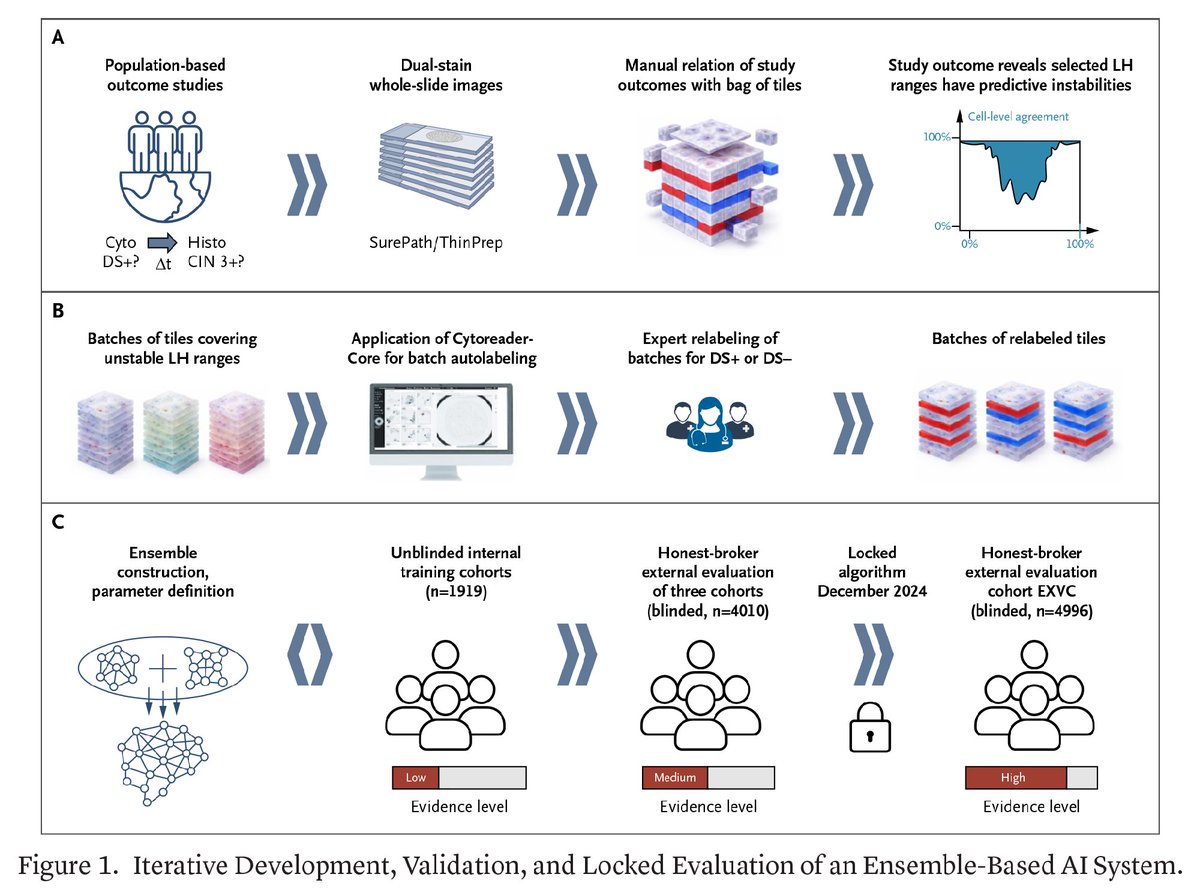
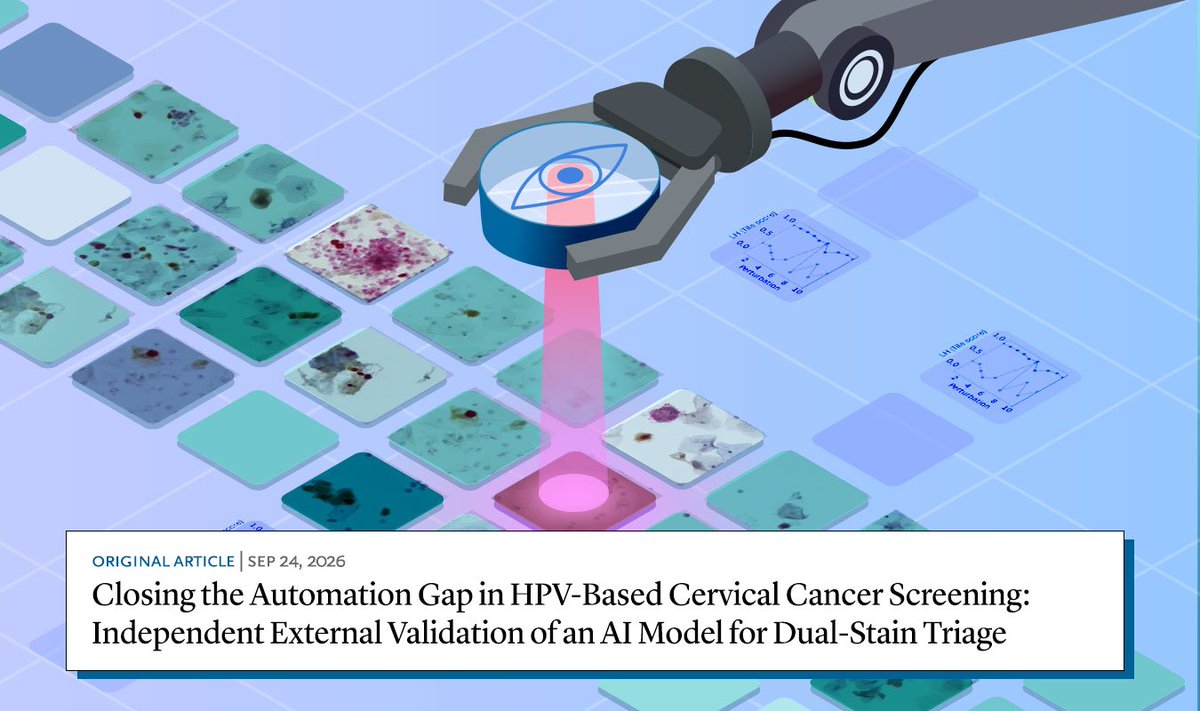
Original Article by B. Lahrmann et al.: Closing the Automation Gap in HPV-Based Cervical Cancer Screening: Independent External Validation of an AI Model for Dual-Stain Triage https://t.co/rHShAfIDTU
#ArtificialIntelligence#AIinMedicine
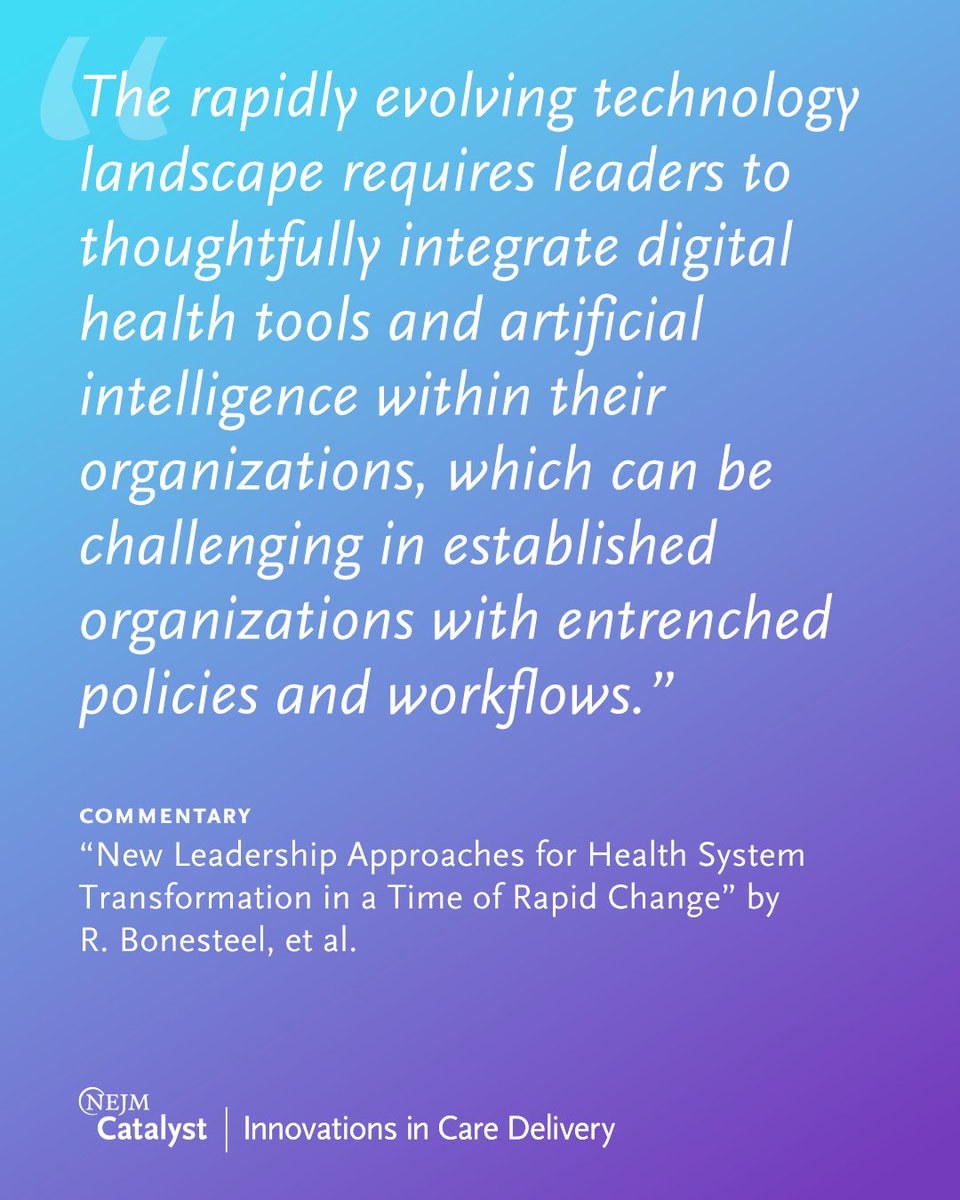
Today’s health care leaders face fundamental disruptions in their ecosystems and a convergence of challenges across countries requiring new leadership approaches that have not yet been explored in depth. Read the full Commentary: https://t.co/pvxgsOoPtb
On @NEJM_AI Grand Rounds, @DrXiaoLiu discusses how she moved from academic AI and clinical ophthalmology into product development because she wanted firsthand experience of the other side of the evidence pipeline. Full episode: https://t.co/cHzTla7ZOh
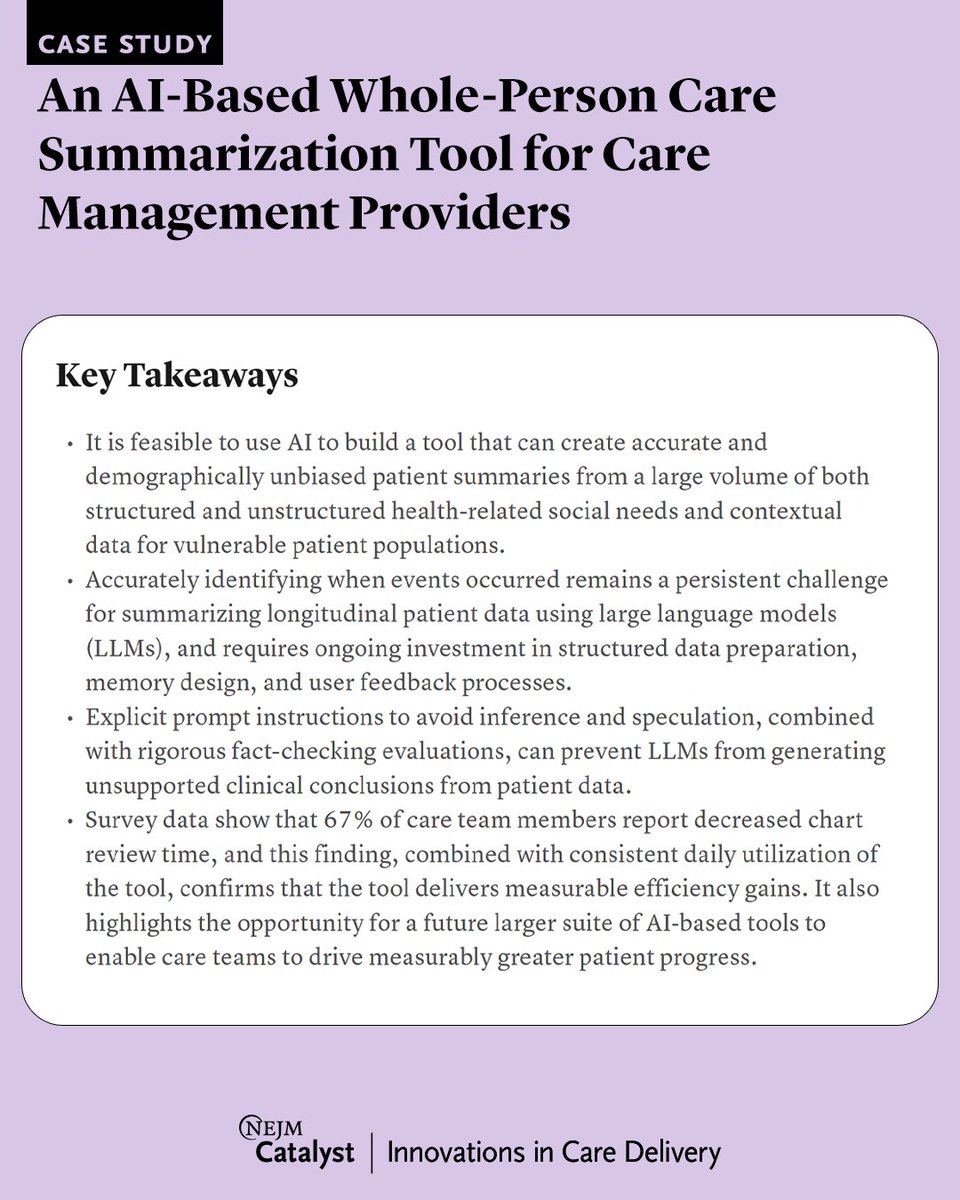
To more efficiently synthesize lengthy patient charts comprising demographics, medical and behavioral history, health-related social needs, care team interaction history, and care plan info, Pair Team developed and deployed an AI Patient Summary tool. 👉 https://t.co/p1qKXBxcIe
AI (?SI) in medicine conversations by knowledgeable AIM (?SIM) scientists on the @NEJM_AI Grand rounds. Kudos @arjunmanrai@AndrewLBeam for the top AI in Healthcare ranking https://t.co/WzwpzBbMQX
I envy us.
A new study explores the use of AI to automate p16/Ki-67 dual-stain cytology evaluation, a key step in triaging HPV-positive patients during cervical cancer screening. Learn more: https://t.co/rHShAfIDTU
No smoke and mirrors. In the latest episode of the @NEJM_AI Grand Rounds podcast, @DrXiaoLiu argues that medical AI reporting standards should make methods visible rather than dictate them. Hear more from Dr. Liu: https://t.co/cHzTla7ZOh
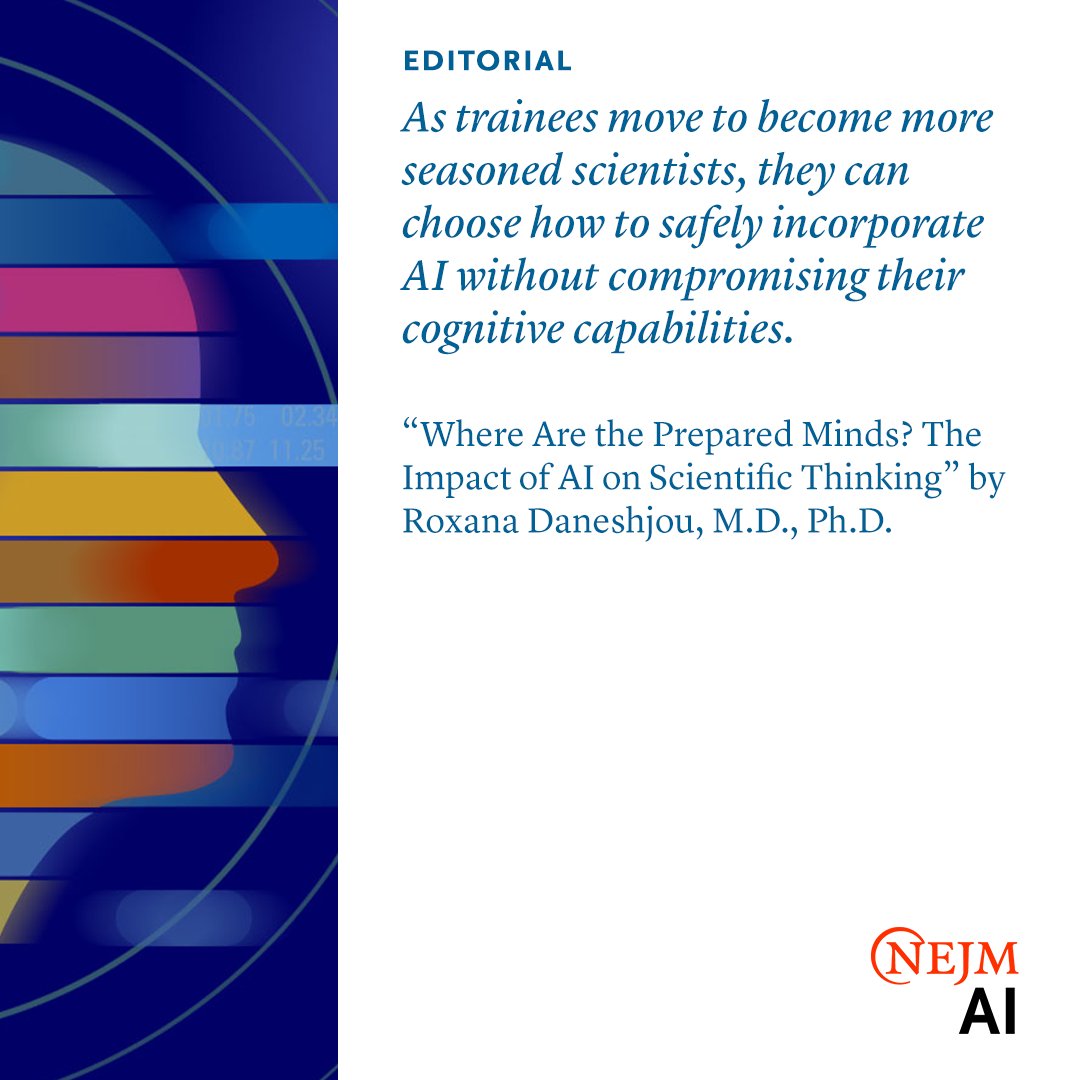
A new editorial by Dr. @RoxanaDaneshjou argues that scientific trainees should first develop foundational skills before relying on AI, which should serve as a complementary tool, not a replacement for reasoning. Read the full editorial: https://t.co/jO1jhZzO0L