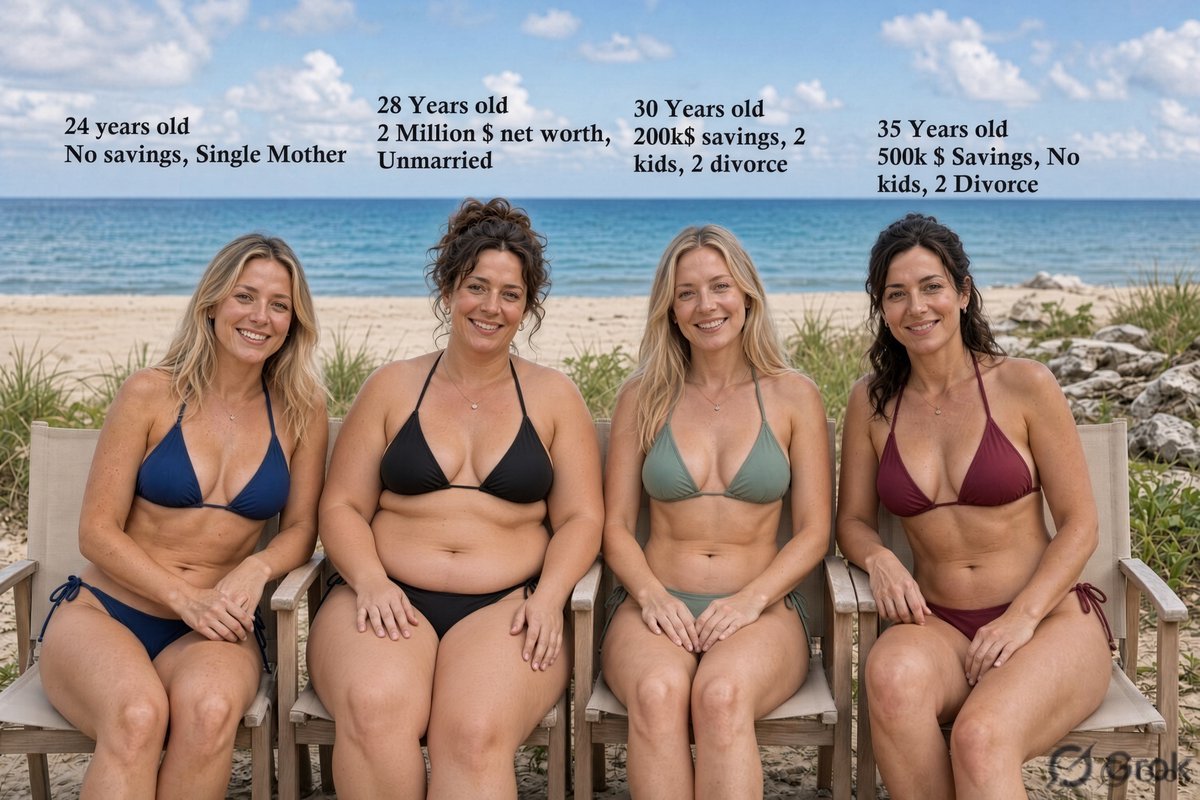
No. 2: Hurting the woman who loves them, ignoring her feelings, then acting like nothing happened and expecting her to just move on. Zero accountability.
At a family barbecue, my husband’s 16-year-old daughter accused me of shoving her after we accidentally bumped into each other. My husband didn’t even ask what happened. He just looked at me and said, “Apologize to her or leave.” So I quietly picked up my purse and walked out. What neither of them knew was that I had already been keeping a secret for 8 months, and by the time they got home, a white envelope was waiting on the kitchen island.
My name is Claire Evans.
I was 41 when I married David Mitchell.
David had a daughter, Chloe, from his first marriage.
She was 13 when we met and 16 when everything fell apart.
امرأة بيضاء متزوجة من رجل أبيض، ولدت طفل ببشرة سوداء وهنا بدأت الشكوك.. عائلة الزوج اتهمتها بالخيانة وما كانوا يتوقعون ان الحقيقة ورا هالموضوع كانت أكبر من مجرد شكوك
https://t.co/nnY9y9jVZZ
Odumodublvck live, Blaqbonez and I never had any real beef over what happened between him and my girlfriend.
When I found out about their past affair, I called him, and we talked it out. I told him she was someone I loved deeply and that I was willing to move past what happened.
We eventually agreed to keep the saga going online for a while, making it look like there was genuine tension between us.
Three of us wrote up the same meeting last week. One person listed every side comment. Another only noted the final decisions. The third focused on who disagreed with what. None of the write-ups matched. All three were accepted because we had already agreed, before the meeting, which parts actually mattered.
That is the gap that kept AI off blockchains. Every node had to return the result bit for bit. One different word and there was no agreement and no transaction. Models can both be right and still never phrase the answer the same way, so the whole thing stayed off the chain.
@GenLayer’s Equivalence Principle lets the contract decide in advance what “same” means. A leader proposes a result. Validators check it on their own and return accept or reject. They can redo the work and compare only the fields that matter, or judge the leader’s answer against the same evidence. In the video each one asks its own AI a single question: not whether it is identical, but whether it means the same thing. Nobody just trusts the leader.
The standard is not global either. Each Intelligent Contract writes its own. Exact for a price. A tolerance for a number. Same conclusion for a verdict.
The part I keep coming back to is that deciding which differences do not matter used to live in someone’s head. Now the person writing the contract has to put it in writing, question by question.
What is one thing you would refuse to accept as close enough, even if an AI got the meaning right most of the time?
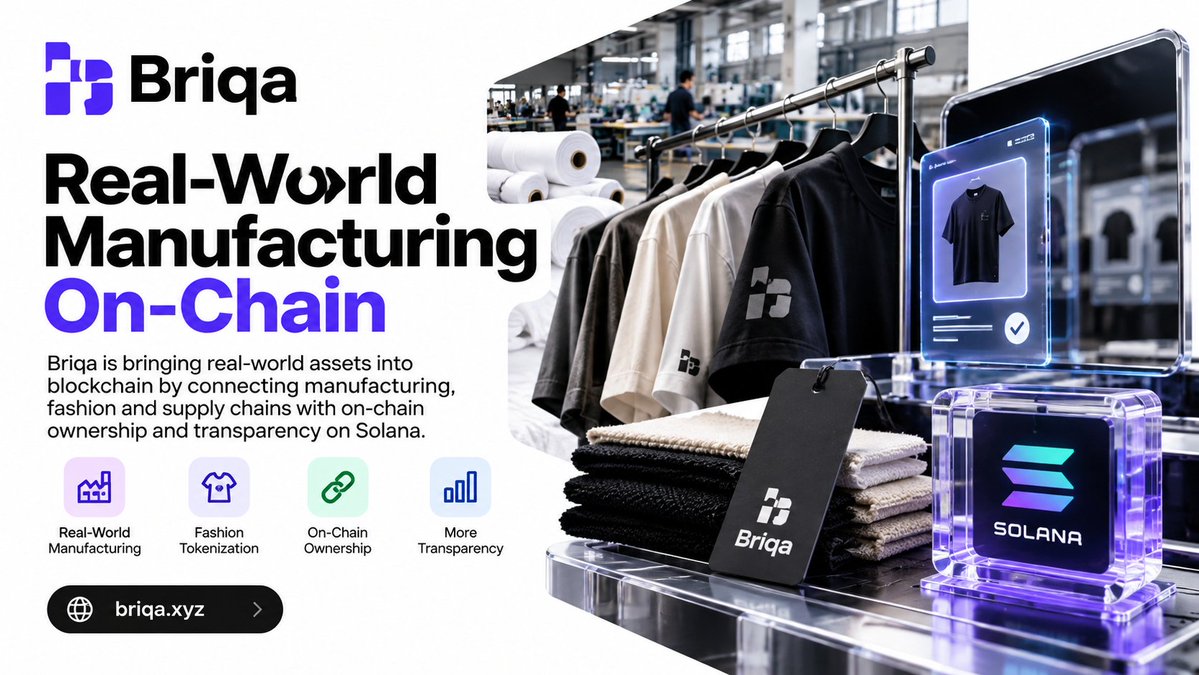
everyone is chasing the next meme coin, but what about putting real world production on-chain? 👀
that’s what makes @briqaofficial interesting.
think about the journey of a fashion product: from raw materials to factory production to the finished piece.
@briqaofficial's vision connects physical manufacturing with blockchain technology on @solana, bringing a real world industry into the onchain conversation.
less hype and more real world utility.
Explore 👉: https://t.co/MVndNtlOB9
and stay locked in on this