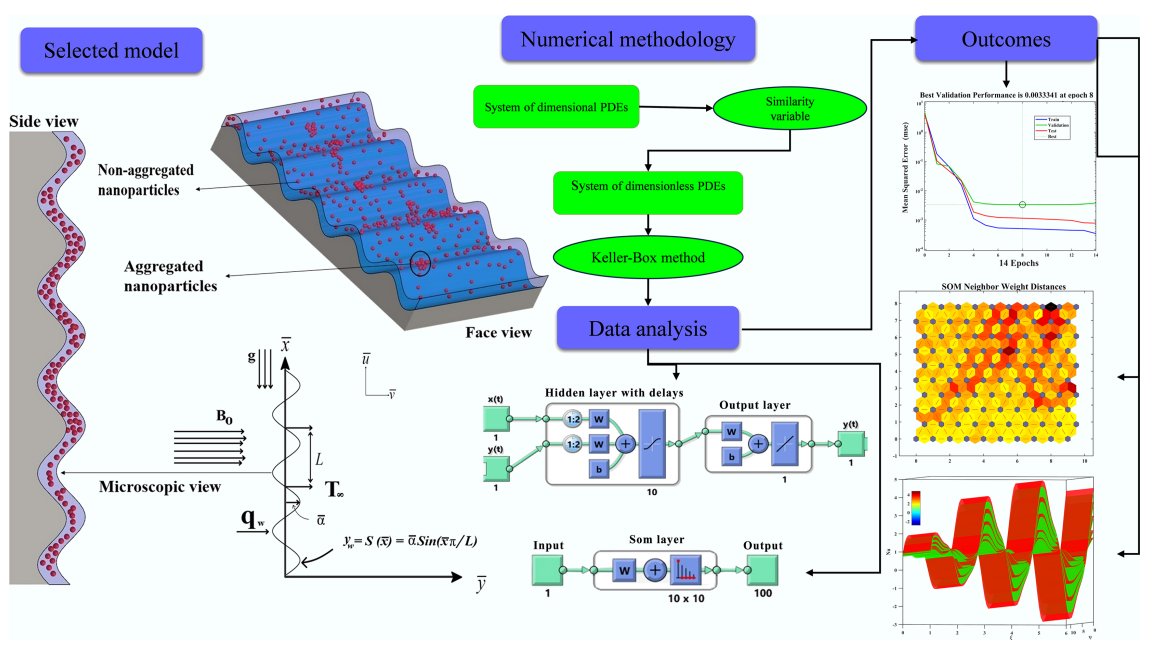
A new study in Sustainable Carbon Materials uses machine learning and numerical modeling to explore diamond-water nanofluids flowing over magnetically controlled wavy surfaces.
Read more:
https://t.co/ma4I2COzuS
Carbon Research is proud to share a new achievement in the latest Scopus CiteScore performance.
2025 CiteScore Tracker: 19.2
2024 CiteScore: 14.0
New subject rankings:
Environmental Sciences: 7/307
Engineering: 8/300
Earth and Planetary Sciences: 2/184
A 14-year field study shows that high-dose biochar can deliver powerful co-benefits for agricultural soils: reducing heavy metal bioavailability by up to 91% while supporting carbon sequestration.
#Biochar#SoilHealth#HeavyMetals
Read more:
https://t.co/Qb1YMm2Cpd
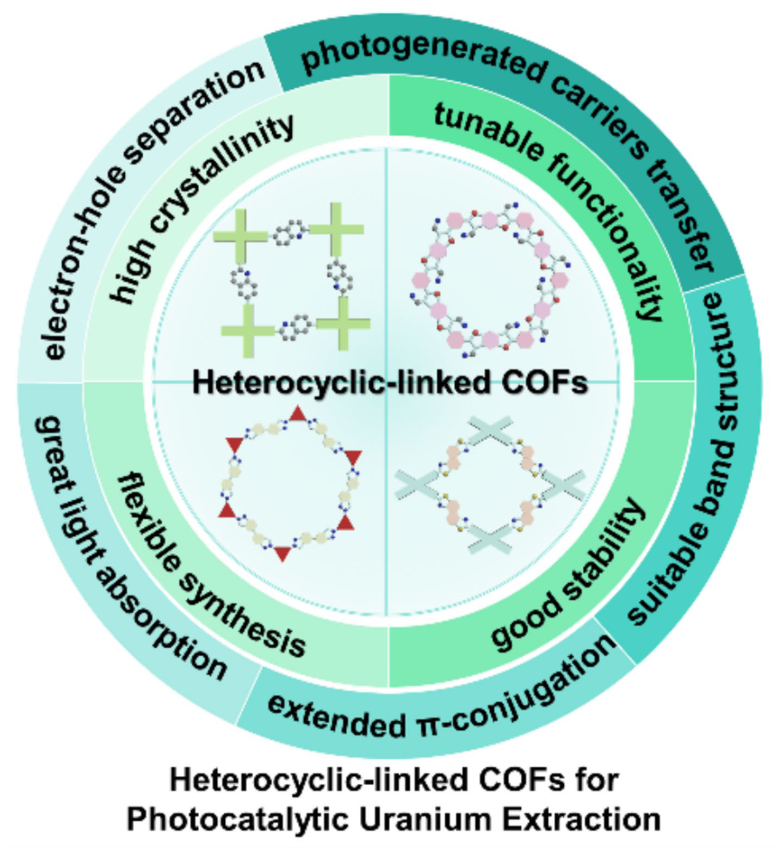
A new Perspective in Carbon Research explores how heterocyclic-linked covalent organic frameworks can boost photocatalytic uranium extraction through stronger light absorption, faster charge separation, tunable electronic structures, and improved stability
https://t.co/laRY3VQohO
A new study from the Yangtze Estuary shows that cyanobacteria can act as major reservoirs of antibiotic resistance genes in biofilms, linking nutrient metabolism with environmental resistance risks.
#AntibioticResistance#Cyanobacteria#CarbonCycle
https://t.co/q5KZYZV1n2
Food waste can become more than a disposal challenge. This recorded forum shares how biochar can supercharge decentralized anaerobic digestion, helping turn organic waste into renewable energy and more resilient waste treatment systems.
https://t.co/2evjlz5dqI
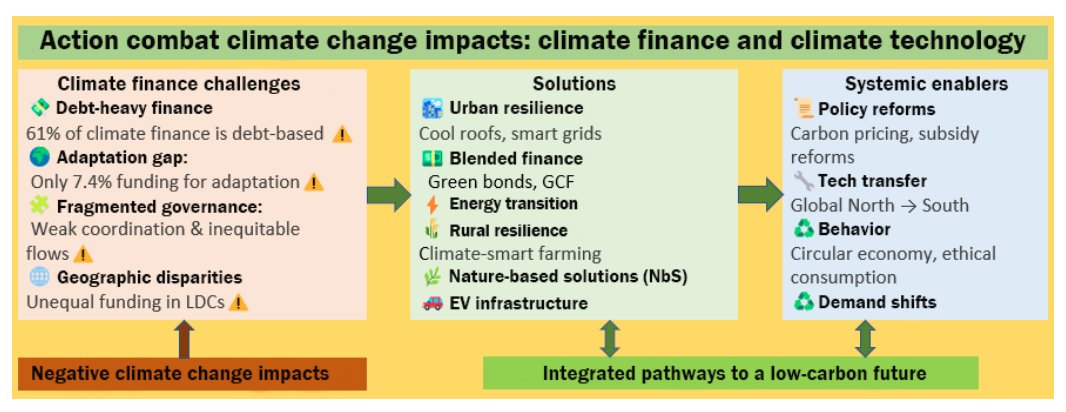
This review highlights how climate finance, technology pathways, and governance reforms can work together to support equitable low-carbon transitions and resilience, especially in vulnerable economies.
#ClimateFinance#ClimateTech
Read more:
https://t.co/TrVBgUTUb4
A new study turns citrus processing waste into Fe/Zn co-activated hierarchical porous biochar for dye wastewater treatment. The optimized material reached 237.53 mg g⁻¹ methylene blue adsorption and 96.8% removal within 60 min.
Read more:
https://t.co/TfFCQ55mxo
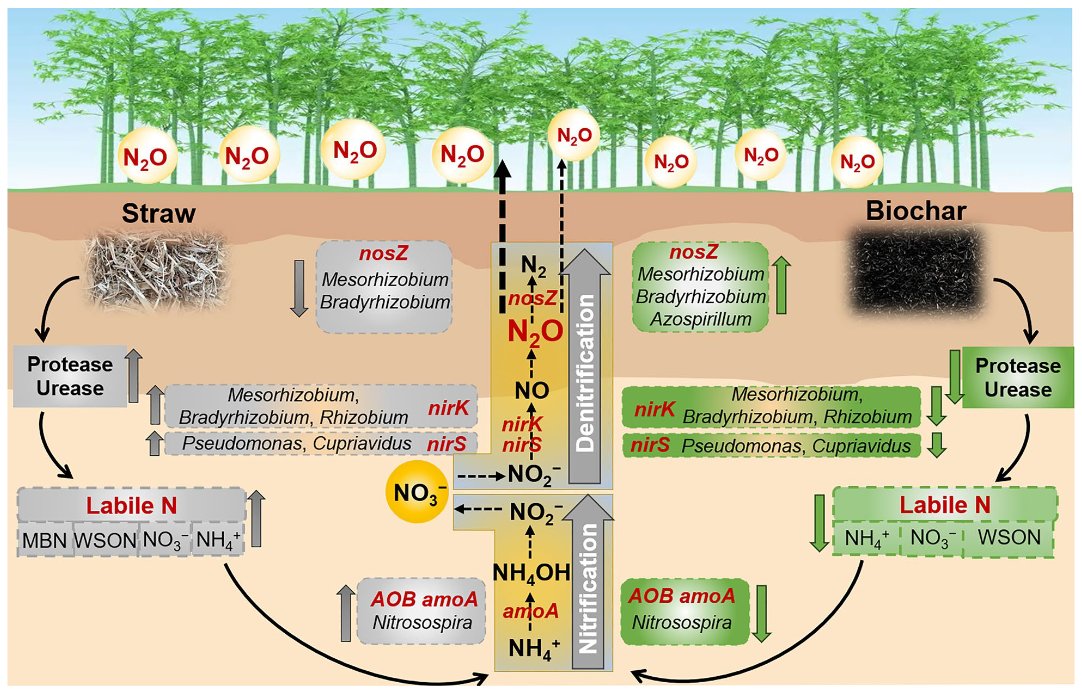
A new study in Biochar shows that straw amendment increased N₂O emissions by 16–27%, while maize straw biochar reduced them by 17–20% in a subtropical Moso bamboo forest.
#Biochar#ClimateChange#SoilHealth#NitrogenCycle
Read more:
https://t.co/6dmSUXmgya
Prof. Armando T. Quitain shared insights on microwave-carbon synergy for biomass valorization, highlighting how carbon-based catalysts and microwave heating can reduce reaction time, lower energy use, and support greener biorefinery processes.
https://t.co/r2NtXjWQEW
Sunflower stem pith can do more than become waste.
This study turns it into a biochar-supported PdCo catalyst that converts bio-based furfural to tetrahydrofurfuryl alcohol with up to 99.9% yield under mild conditions, even at 40 °C.
Read more:
https://t.co/Ydfl7bnZeA
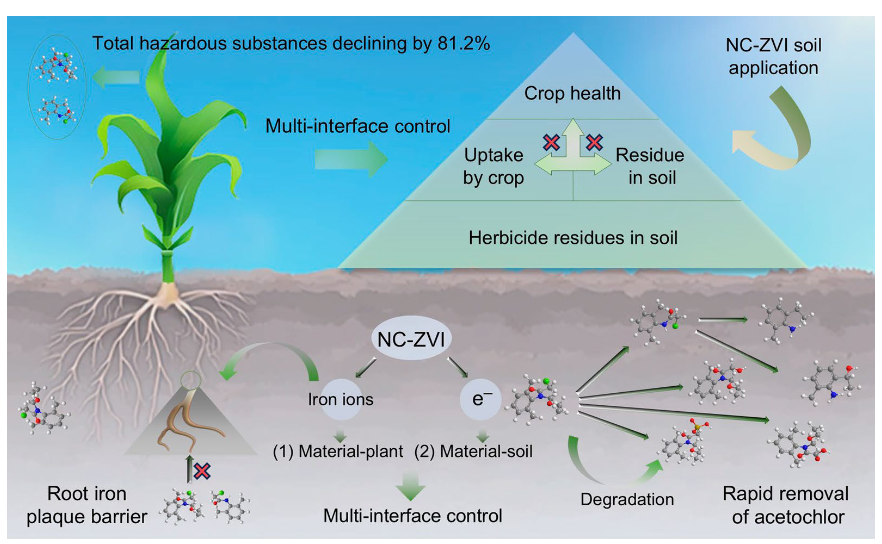
A new biochar-based nanocomposite helps clean herbicide-contaminated soil while protecting maize. NC-ZVI removed ~90% of acetochlor in 7 days, reduced crop uptake of acetochlor and byproducts by 81.2%, and boosted maize biomass by 208.4%.
Read more:
https://t.co/tJyyJoWMg0
Freshwater blooms may be carrying more than green scum.
A new review explores how cyanobacteria and antibiotic resistance genes interact in lakes and rivers, linking harmful algal blooms, warming, eutrophication, and AMR risk.
Read more:
https://t.co/LgHbANC7HY
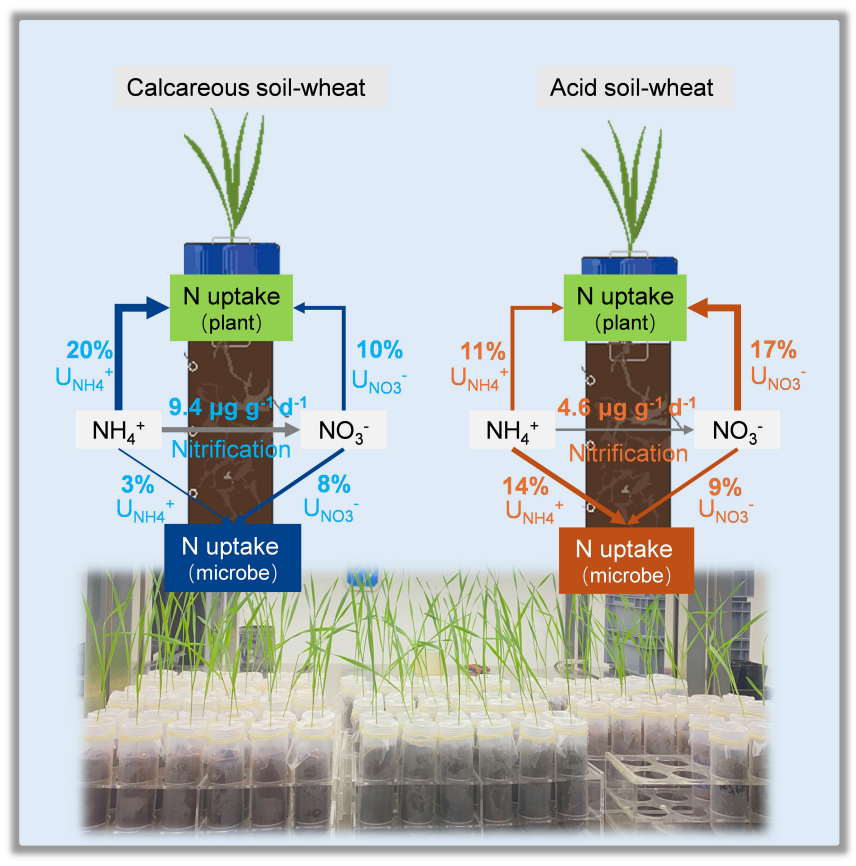
Using 15N tracing, this study shows that soil pH can reshape plant-microbe competition. Wheat dominated N uptake in calcareous soil, while microbes competed much more strongly in acid soil.
A new look at how pH controls crop N use.
Read more:
https://t.co/aD8jqmbugk
A new study in Energy & Environment Nexus explores two-stage hydrothermal liquefaction of municipal sludge, showing up to 37% lower nitrogen in bio-oil while improving desirable compounds such as hydrocarbons, alcohols, and esters.
Read more:
https://t.co/S8zbq6iMcd
Corrosion costs the world about USD 2.5 trillion every year. How can carbon-based additives help protect mild steel while reducing reliance on toxic coating ingredients?
Watch the recording: https://t.co/cSMQdQBLHY
Iron minerals may quietly decide which soil carbon microbes can “eat.”
A new Carbon Research study shows that goethite reshapes dissolved organic matter, enriching more biodegradable compounds and changing microbial succession.
Read more:
https://t.co/Vj9OxTbdbt
A Biochar study shows that calcium-modified biochar made from corn straw and eggshell can capture organic phosphorus at the molecular level. One compound, IHP, reached 292.1 mg P g−1 adsorption, offering new clues for cleaner water and phosphorus reuse.
https://t.co/XWxkHD1vIQ
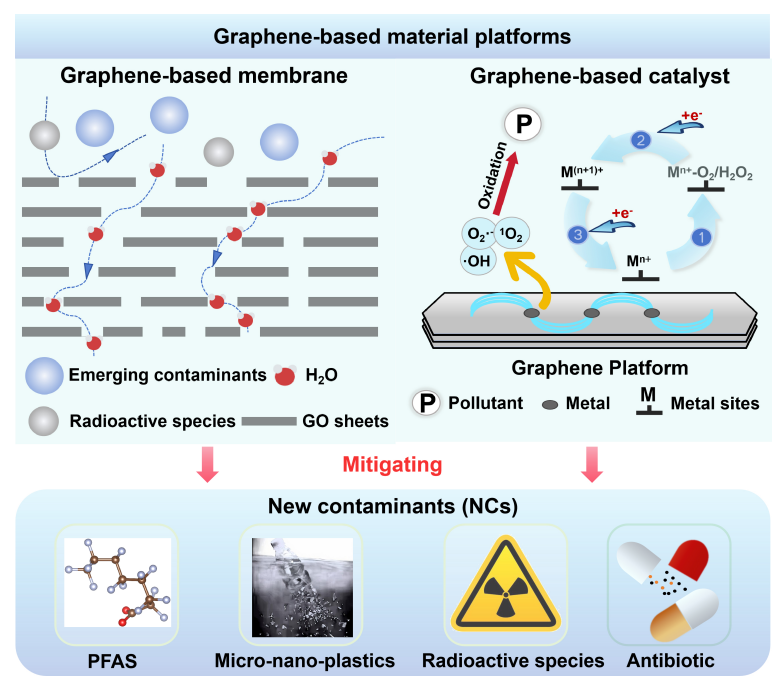
A new review in New Contaminants highlights graphene-based platforms for tackling PFAS, micro/nanoplastics, antibiotics, and radioactive species.
#Graphene#WaterTreatment#PFAS#Microplastics#NewContaminants
Read more:
https://t.co/r5GkNIa32L
A study shows that carbon nanotube-bonded biochar@Fe₃C can boost low-frequency ultrasound to remove stubborn antibiotics from water. The material achieved over 90% removal of enrofloxacin and amoxicillin by combining adsorption and reactive oxygen species
https://t.co/as3EYkmszL