Debt warning signs can be easy to miss. The NFCC’s @BruceMcclary spoke with @CNBCSelect about recognizing when debt becomes hard to manage—and why seeking help early matters.
Read more: https://t.co/w5Dry6Ne8s
#NFCC#DebtManagement#Finance
Holiday spending adds up fast! 🎁 Check your budget and balances before you buy to avoid starting the new year with unwanted debt.
Pause. Plan. Then purchase.
Need help? NFCC-certified credit counselors can guide you.
#NFCC#DebtManagement#HolidaySpending#CreditCardDebt
Balancing family expenses while paying down debt isn’t easy, but small steps can make a difference. 💙 Learn budgeting and debt repayment strategies to support your family and build financial stability.
🔗 https://t.co/pHxuX9GNJH
#DebtManagement#BudgetingTips#NFCC
Making credit card payments every month but barely seeing your balance drop? Interest could be the reason. A credit counselor can help you explore your options. Get started: https://t.co/gB9n8KUjZS
#CreditCardDebt#CreditCounseling
It doesn’t. You can use a credit card, pay the balance in full each month, and still build a strong credit history. The key is using credit responsibly, making payments on time, and keeping balances manageable.
Bottom line: You don’t have to pay interest to build credit. #NFCC
Feeling off track with spending? Don’t wait until January to reset! Track purchases for a week, review recurring expenses, and identify one habit to change. Small steps can build momentum before the new year.
Get started: https://t.co/gB9n8KTMak
#NFCC#FinanceTips#Budgeting
Holiday spending doesn’t have to mean holiday stress! Set a spending limit, make a gift list, review your budget, and track credit card balances. Need help? The NFCC can connect you with a certified credit counselor. Plan ahead and enjoy the season! #HolidayTips#Budgeting#NFCC
There’s no shame in not having all the answers. Money is complicated, and sometimes you need more than another tip in your feed—you need a conversation. What’s the money question you’ve been avoiding? 👇 #NFCC#FinancialWellness
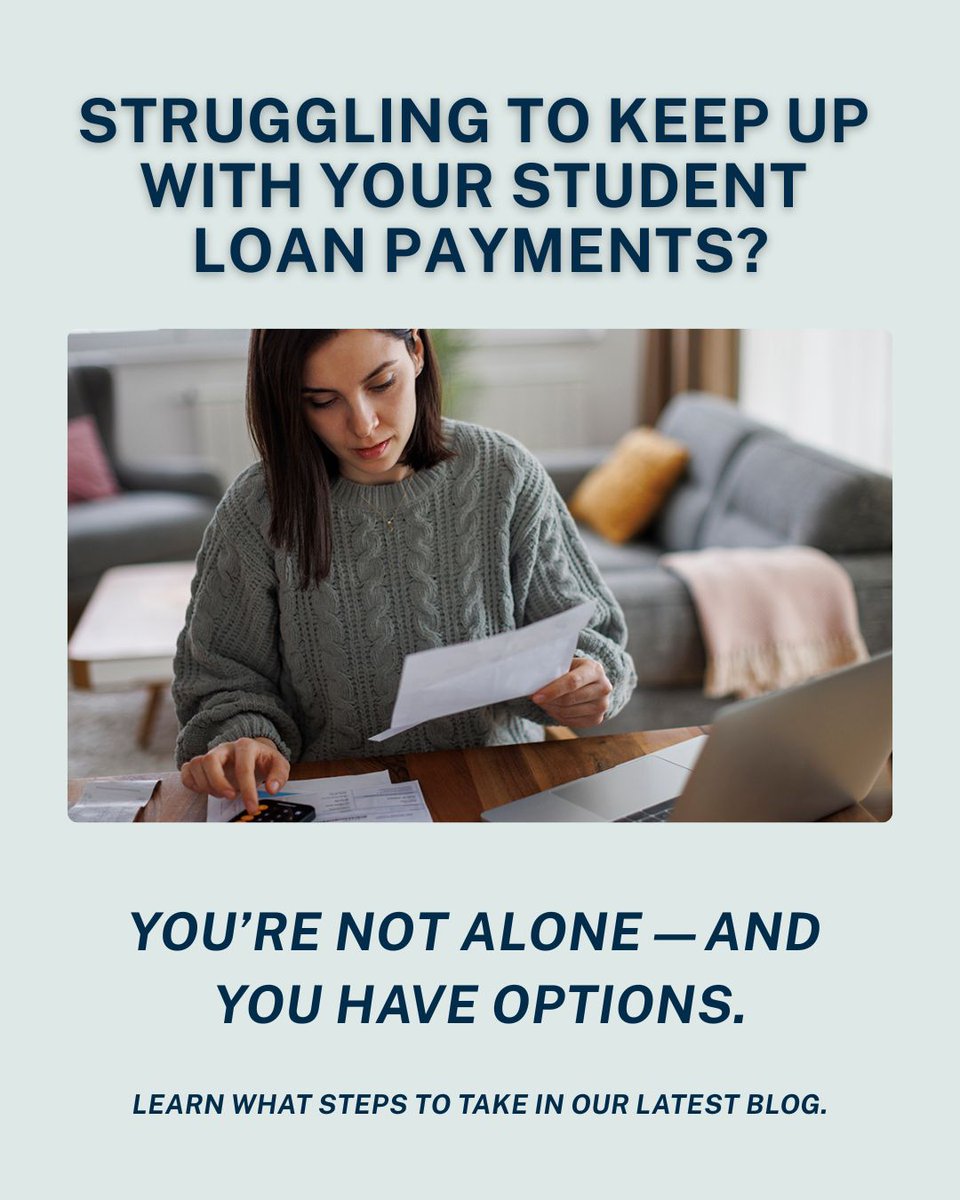
Struggling with student loan payments? You’re not alone. 🎓 Learn steps to understand your options, review your budget, and get back on track.
Read NFCC’s latest blog: https://t.co/D4iL4cnixD
#StudentDebt#NFCC#StudentLoans
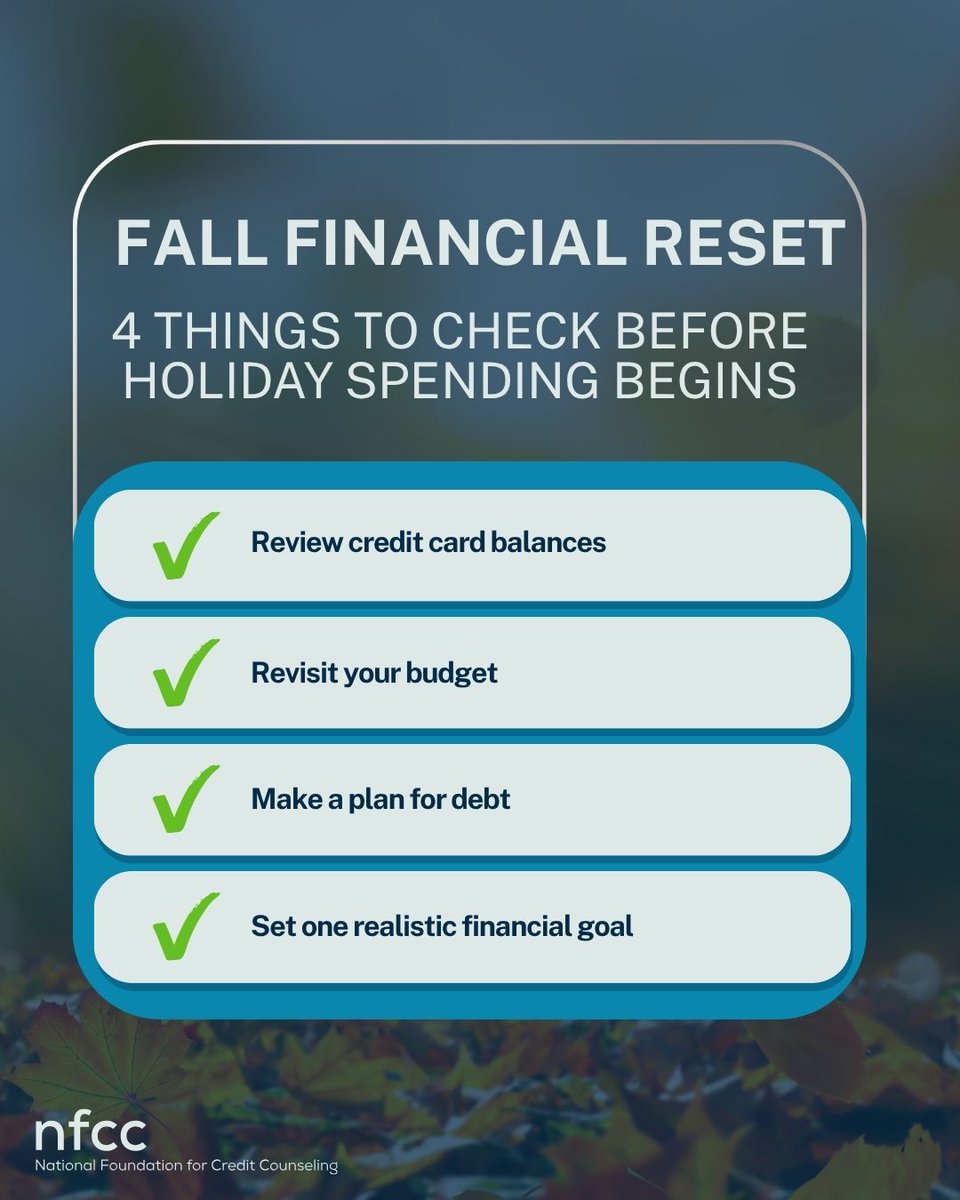
Fall is a great time for a financial reset. Review your budget, tackle outstanding debt, and set a realistic goal before holiday spending begins. Small steps now can help you feel more prepared. Need help? NFCC-certified counselors are here: https://t.co/Kx5gMrSfHY
#NFCC
Worried about foreclosure? 🏠 Acting early can help you understand your options and protect your home. Learn practical steps for working with your mortgage servicer, assessing your finances, and finding solutions. Read more: https://t.co/pzg8XHwSoj #Foreclosure#Homeowner
Your FICO® Score is one piece of the puzzle. Focus less on every point and more on healthy credit habits like managing utilization, making payments on time, and limiting new credit. Need help? NFCC-certified counselors are here: https://t.co/gB9n8KUjZS
Questions about credit, debt, savings, or your FICO® Score? You don’t have to figure it out alone. NFCC-certified credit counselors can help you build a realistic plan—without judgment or one-size-fits-all advice.
Get guidance: https://t.co/aZdwS1VGhH #NFCC
“I can handle it” can become “I need a plan.” That’s not failure—it’s a signal. NFCC-certified counselors can help you understand your options and create a plan, without judgment.
Connect today: https://t.co/gB9n8KTMak
#NFCC#FinancialWellness
Financial stress doesn’t always look like a crisis. Sometimes, it’s putting off bills, delaying purchases, or constantly checking your bank account. You don’t have to wait for an emergency to ask for help. An NFCC-certified counselor can help you build a realistic plan. #NFCC
NFCC’s @BruceMcclary joined FICO’s Kristina Robinson and Ethan Dornhelm to unpack the latest FICO® Score Credit Insights report—from affordability and resilience to younger consumers’ score gains and common credit myths. Watch the full episode: https://t.co/uHzgrSWcYz #FICO#NFCC
NFCC’s Bruce McClary shares expert insight with @AARP on tackling credit card debt and finding a path toward financial stability.
Read more → https://t.co/xsr3DR8jKs
#NFCC#GenX#CreditCardDebt#AARP
Fraud is on the rise, and scammers are getting more sophisticated. From convincing phishing messages to AI-generated websites, audio, and video, today’s scams can be harder to spot. Learn how to protect your money and personal information. Read our tips: https://t.co/UiVV99k76B
When debt feels overwhelming, knowing where to start can be just as difficult as knowing what to do next. You don’t have to navigate debt alone.
📖 Read more from NerdWallet to learn more: https://t.co/90TIobiX3E
#NFCC#DebtRelief#DebtManagement#CreditCounseling
Bankruptcy may be right in some situations, but it isn’t the only option. Unlike bankruptcy filings, nonprofit credit counseling is confidential. Explore your options with an NFCC Certified Credit Counselor before a financial crisis. Learn more: https://t.co/b3TTLpIkyp