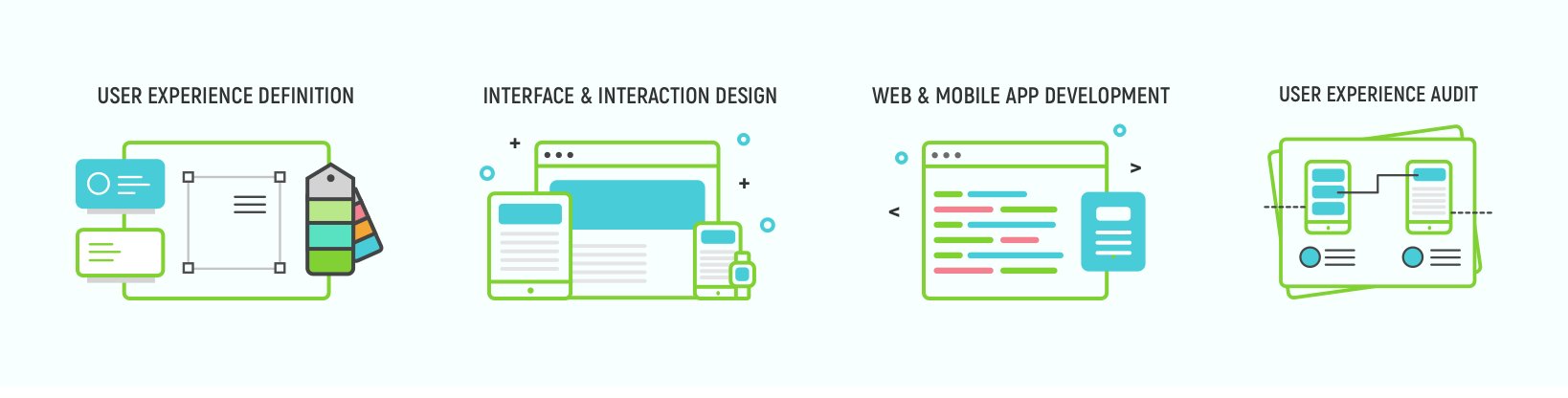
We turn startup ideas into market-ready products through strategic design & development.
Specializing in UX/UI, SaaS, AI Solutions, Mobile apps and more
Not every founder needs a technical cofounder to ship v1.
You need a tight scope, a fixed price, code you own, and a team that's shipped it before.
Find the cofounder once there's traction worth sharing equity over.
That's most of what we do at NFN Labs.
Your vibe-coded app works. But will it survive 500 paying customers on a bad Monday?
AI made building v1 incredibly fast. But security gaps, broken payments, and messy data don't show up in a polished demo.
So what should you fix first? And when is rebuilding actually the smarter choice?
We break it down in our latest article.
🔗 https://t.co/Hsp9eesJB6
AI made v1 cheap. It didn't make month 6 cheap.
Refunds, roles, edge cases, uptime, the feature your biggest customer needs by Friday. That's where most products break.
After 100+ products at NFN Labs, that's the part we obsess over, so founders can focus on the business.
Most founders ask: “What features should we build?”
The better question is: “What progress is the user hiring this product to make?”
That shift can reveal why users leave, which features are unnecessary, and what your real competition looks like - even if it’s a spreadsheet or manual workaround.
Our latest guide breaks down Jobs to Be Done, the three layers behind every user decision, and how founders can use real interviews to scope a sharper MVP.
https://t.co/2TineQ1hx9
Speed matters. But shipping fast doesn't help if your users find the bugs first.
At NFN Labs, our QA & QA Automation services help teams test critical flows, automate repeatable checks, validate APIs, and catch problems before they reach production.
So every release can move faster — with a lot more confidence.
Explore more → https://t.co/c1Hq5kUK5c
React Native or Flutter? The answer isn’t as simple as picking the “better” framework.
For startups, the real trade-offs are team skills, development speed, performance, UI flexibility, ecosystem, and long-term maintainability. And in many cases, your team matters more than the technology itself.
We broke down where each framework makes sense—and what founders should actually consider before committing to one.
Full post here 👉 https://t.co/FIeMk5hzYy
Founders treat "build fast" as the goal.
But speed only matters if you're building the right thing.
The startup graveyard is full of products that shipped on time.
Clean UI. Working backend. Real users who logged in once and never came back.
The failure wasn't in the execution.
It was in what got decided before execution started — the feature scope, the user assumptions, the problem framing.
Most of that work gets skipped because it feels like delay.
"We'll figure it out as we build."
That sentence has burned more runway than any bad hire.
Here's what actually happens when you skip the thinking:
You build a feature no one asked for, then spend three sprints trying to fix the wrong problem.
You go live with something that sort of works, but the core workflow is confusing, and you can't get clean feedback because users can't tell what you're even asking them to do.
You run out of money before you hit the insight that would have changed the product.
It's that the pressure to show progress to different stakeholders - makes "let's think this through" feel like stalling.
A build partner worth working with slows you down before the first line of code.
They ask what outcome you're actually solving for.
They push back on scope that sounds important but isn't load-bearing.
They help you separate "nice to validate" from "must be true for this to work."
That friction is the job.
Speed without it is just expensive guessing.
Nobody tells first time founders how outsourcing actually works until they're mid engagement and something has already gone wrong.
We wrote down the exact framework we wish every founder had before their first call with an agency.
Four decisions determine whether the engagement works or turns into a money pit:
1. What exactly are you outsourcing, and what does done look like at the end.
2. Fixed price or time and materials, and why that choice shapes your risk more than anything else.
3. Who is actually doing the work day to day, not who showed up on the sales call.
4. What happens after the first version ships, because that's usually where the real cost of switching vendors shows up.
The guide also covers how to evaluate a partner before you sign anything: published pricing, portfolio depth, AI native capability, and what to actually look for in third party reviews.
If you're about to outsource product development for the first time, read this before your next sales call.
👇
https://t.co/ZH4ZYEQIxk
We’re stepping into our 16th year at NFN Labs 🥳
A company is really just the people who choose to show up, care, build, solve problems, and keep moving forward together. So a huge thank you to all of you for being part of this journey and for helping shape NFN into what it is today.
Let's go 🚀
Most startups don't need custom software everywhere.
The fastest teams know where to scope, where to skip, and where to reuse.
Before writing a single line of code, ask three questions:
• Can we scope this smaller?
Focus on the one workflow that proves your biggest assumption. Everything else can wait.
• Can we skip it for now?
If a feature doesn't help you learn, launch, or get customers, it probably belongs in a later version.
• Can we reuse what's already available?
Authentication, payments, CMS, notifications, analytics, AI APIs—there's no prize for rebuilding solved problems.
Every feature you remove saves time, money, and complexity.
The goal isn't to build the most software.
It's to build the smallest product that creates the biggest business outcome.
A lot of founders come to us after spending 2–3 months "getting ready to build."
They've written the PRD.
Talked to 12 developers.
Debated the tech stack.
Refined the pitch deck.
They have an AI Prototype.
And still - no product.
NFN Labs exists for exactly this point.
You bring the idea. We bring 15 years of product judgment, a senior design and engineering team, and a process that gets something real in your hands fast.
A clickable, pitch-ready prototype in ~10 days.
A full MVP: UX, frontend, backend, integrations, platform optimisations, QA in 5–10 weeks.
Fixed price. No hourly surprises. You know the number before you commit.
Over 100 products shipped. Founders across SaaS, fintech, edtech, and media have gone from concept to live with us.
If you're still in "getting ready" mode, that's the sign.
Let's team up.
What does it cost to build an MVP in 2026?
Real ranges, what pushes the number up, and how to build lean without buying trouble later.
👇
https://t.co/YfD8R4H6VZ
Questions to Ask Before Hiring a Product Development Agency
Ranging from
- Judgement
- Team
- Process & Communication
- AI enablement
- Money & Ownership
- Post launch support
Read the full post here 👇
https://t.co/fpMG9zeehZ
Cheaper intelligence does not favor whoever adopts it fastest. It favors whoever has the clearest judgement about what to do with it.
Read the full post here 👉 https://t.co/qXGNRm5rHu
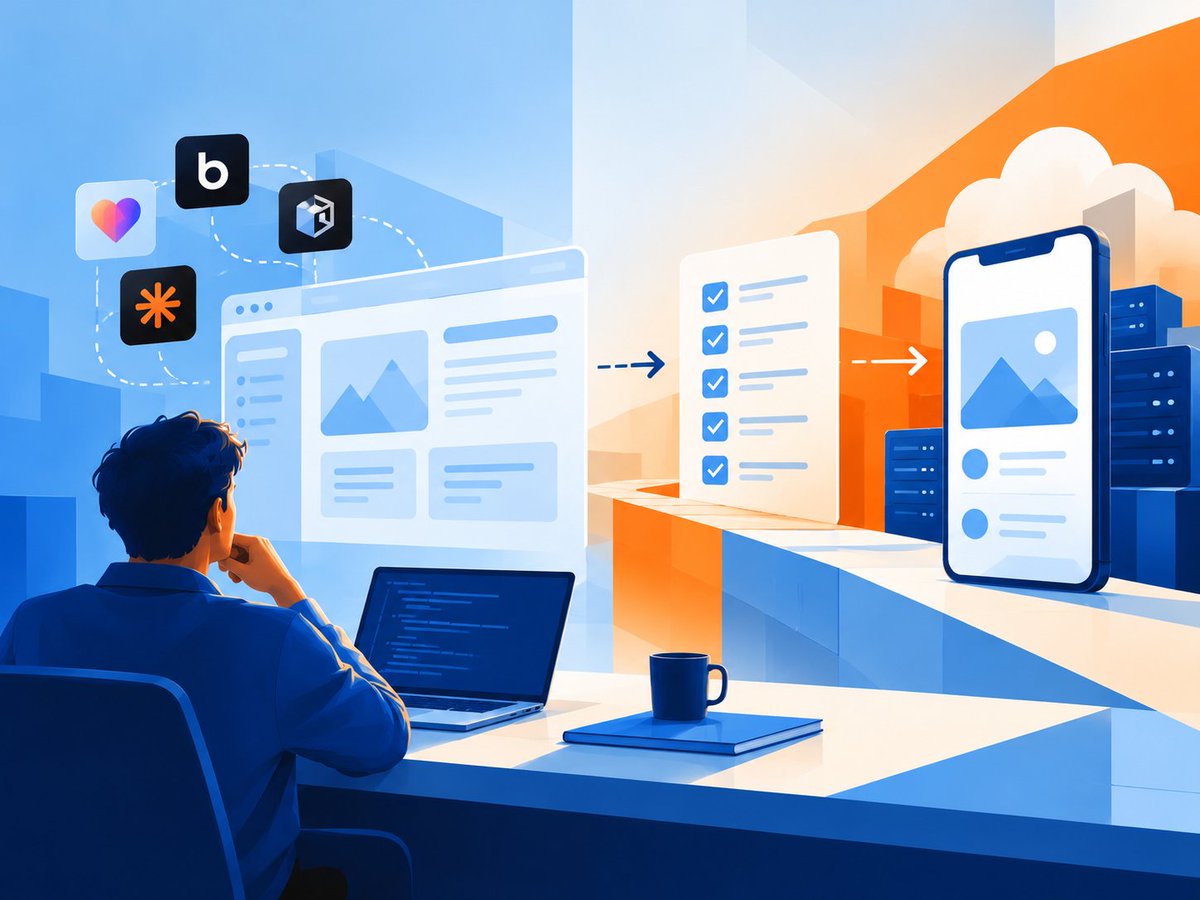
The tools kept changing in the last 15 years. Photoshop, then Figma, now AI.
Everyone panics about the tools. Nobody talks about the one part of the job that has never changed.
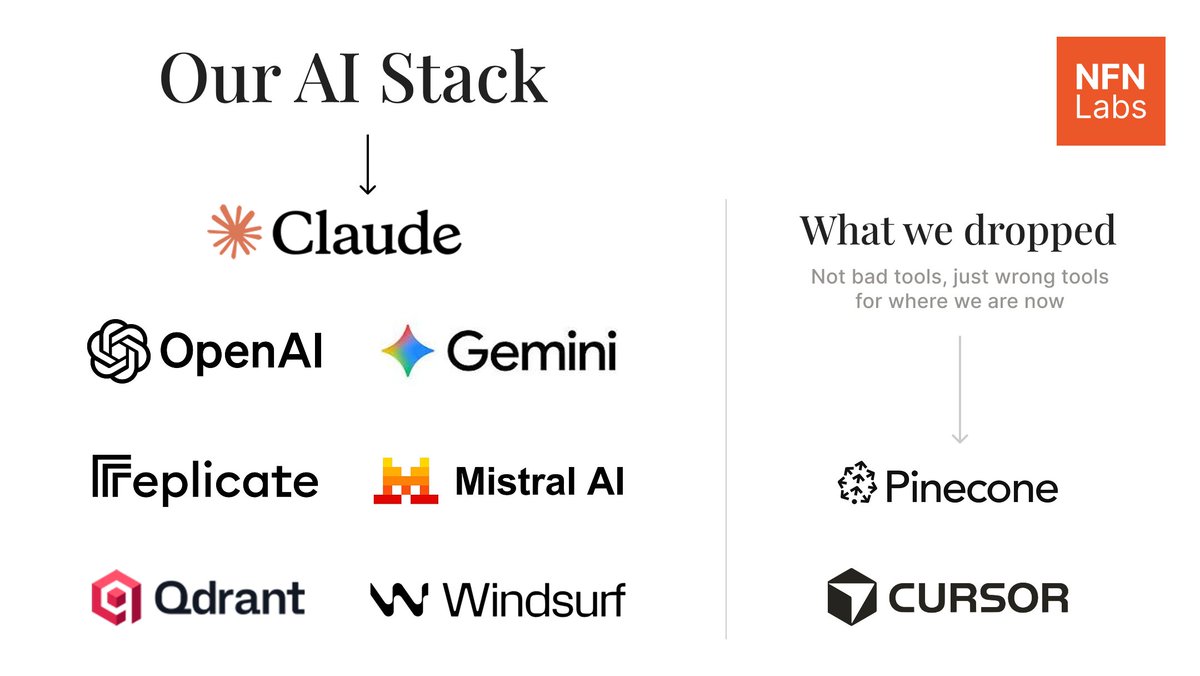
Here is our take on what AI-native actually means, and what it doesn't.