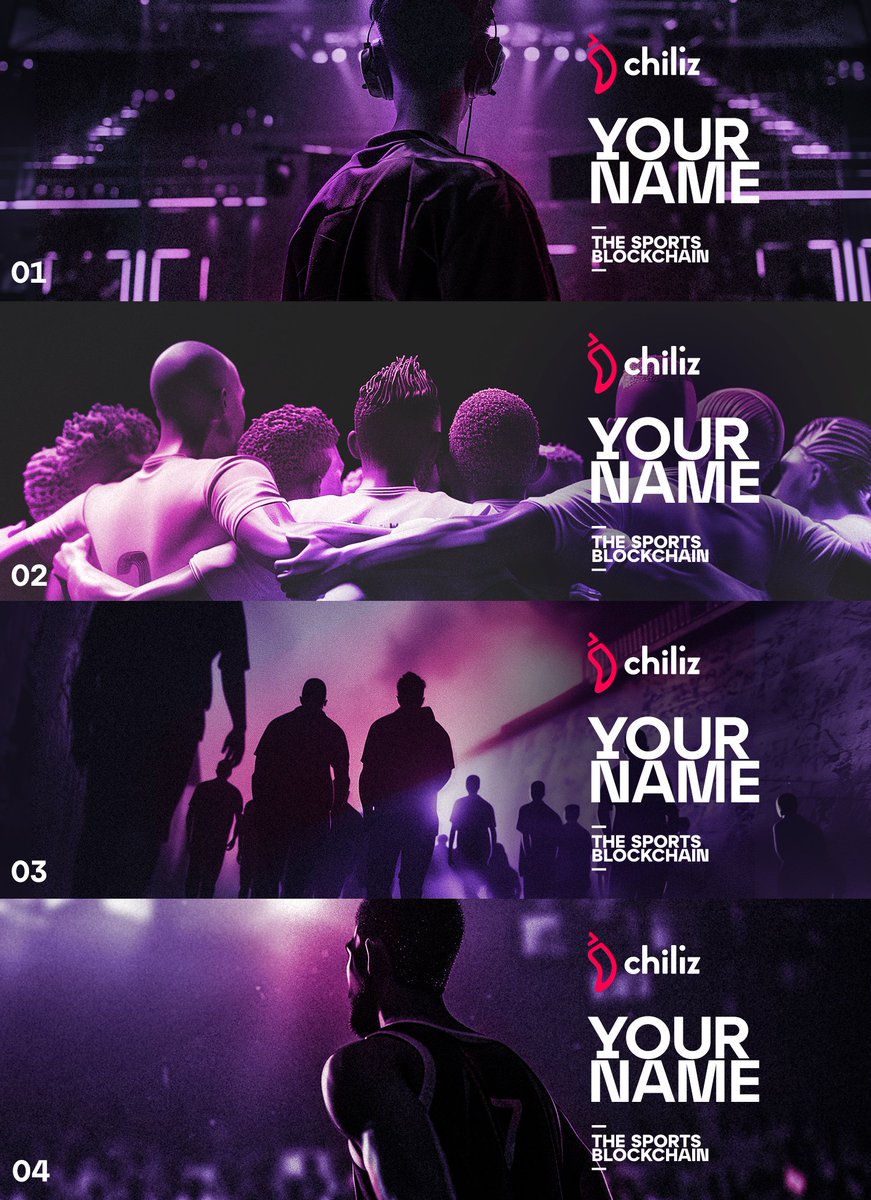
Did you know? @Chiliz Chain is the world’s ONLY sports-focused Layer-1 blockchain! Partnered with 70+ elite clubs like PSG, FC Barcelona & Man City. Fans own Fan Tokens that let them vote on club decisions, unlock rewards & shape the game 2M+ wallets. $437M+ revenue for sports. The future of #SportFi is here! #Chiliz #FanTokens $CHZ
If you’re just starting to learn Nox, don’t try to understand everything at once ,a better way is to start with the key ideas that make the whole system easier to follow,here’s where I think builders should start.
First: understand the problem Nox is solving
At its core, Nox is trying to solve one of the biggest gaps in Web3,how to build on-chain apps without exposing all sensitive data publicly,this matters because most blockchain apps today are public by default.
Wallet activity can be tracked.
Balances can be seen.
Payments can be followed.
Positions can be monitored.
Nox introduces a different direction,useful on-chain apps with privacy built in.
Second: explore confidential tokens
This is one of the easiest entry points into the Nox ecosystem ,It helps you understand how privacy can extend to the asset layer, not just the smart contract layer,once you understand confidential tokens, you start to see how privacy can affect:
balances
transfers
token flows
user-facing financial products
That is where the Nox story starts to feel much more practical.
Third: look at confidential vaults this is where examples like cVault become useful,they show how privacy can fit into an actual DeFi product, not just an abstract concept, In normal public vaults, a lot of valuable information can be exposed starting from user balances
positions ,strategy behavior and treasury activity
Confidential vaults suggest a better model,stay on-chain, but protect sensitive data.
Fourth: understand selective disclosure
This is one of the most important ideas in the Nox ecosystem ,privacy is not always about hiding everything from everyone,sometimes it is about making sure the right people can access the right information when needed,that matters because real financial products often need both:privacy from the public
access for auditors, regulators, compliance teams, or approved participants.Selective disclosure is what makes the privacy model feel more realistic.
Fifth: ask what this changes for builders once you understand the ideas above, the next question becomes,what can I actually build with Nox?
And that is where Nox starts to click. You stop seeing it as just a privacy tool, and start seeing it as a way to design more serious on-chain financial products. So if you’re learning Nox, I’d start in this order, understand the problem, explore confidential tokens, look at confidential vaults and learn selective disclosure
then think about product design. For me, that is the cleanest way to approach Nox as a builder,not by learning every detail on day one,but by understanding the product direction first. @iExecDev@iEx_ec@edenbdn@martinlecl $RLC
#iExec #NoxProtocol #Web3 #Privacy #DeFi
The more I look at cVault, the more I feel like it shows something important about where DeFi could be going, A lot of DeFi products today are useful, but they are also very public in the sense that balances can be tracked, positions can be watched and strategies can be followed that may be fine for some users, but the more I think about real finance, the more it feels like that model has limits because not every user wants their vault activity exposed ,not every business wants treasury movement easy to track and not every strategy should be visible by default, that is why cVault stands out to me.What I’m seeing is not just a vault demo It feels more like a different design direction.
A direction where vaults can still work on-chain, but sensitive financial data does not have to be public to everyone that is a big shift,It makes private vaults feel less like a far-off privacy idea and more like something serious builders can start thinking about ,For me, that is the biggest takeaway so far ,cVault makes the future of private DeFi feel easier to imagine. https://t.co/WrtefRtuiV $RLC
@iEx_ec@iExecDev@edenbdn@martinlecl
When most people think about smart contracts, they think about apps that run on the blockchain without needing a middleman.
That is true.
But there is one important detail many people do not notice at first:
most smart contracts are public.
This means the logic is visible, and in many cases, the data connected to that contract can also be seen by anyone. That openness is one of the reasons blockchain is trusted. People like the fact that transactions can be verified publicly.
But there is also a downside.
When money, balances, payments, or user positions are involved, full transparency can feel like too much. Most people do not want their financial activity to be easy for strangers to track online. Businesses do not want competitors watching every move. Regular users do not want every balance and payment exposed just because they used a blockchain app.
This is where the difference between public and confidential smart contracts becomes important. A public smart contract works out in the open. If you interact with it, a lot of that activity can be traced and inspected. This is great for transparency, but not always great for privacy.
A confidential smart contract is different. It is built to let an app use sensitive data without exposing that raw data on-chain. The contract can still do its job, but the private part stays protected.
That is the simple idea.
So instead of asking users to choose between using DeFi and keeping their financial activity private, confidential smart contracts try to make both possible at the same time.
This matters because many real-world use cases need privacy.Think about private salaries, private payments, hidden wallet balances, or DeFi positions that are not visible to everyone. These are not strange use cases. They are normal situations where people want the benefits of blockchain without losing basic privacy.
That is one reason I find @iEx_ec Nox interesting. It is built around the idea that developers should be able to create blockchain apps that protect sensitive data while still working on-chain. For me, that makes confidential smart contracts feel less like a niche idea and more like an important next step for Web3.
As blockchain grows, more users and businesses will come in. And when they do, privacy will matter more, not less.
Public smart contracts are powerful.
But confidential smart contracts may be what helps Web3 feel more usable for everyday people.
everything is getting perpified.
courses are boring and tbh, trading perps is already hard enough so learning it should be easy.
decided to create something easy and beginner-friendly.
Perps Quest is built differently:
- no sign-ups
- gamified experience
- no payments.
- $BTC, $ETH and $SOL paper trader simulator
a free and interactive experience that takes you from curiosity to competence.
start simple. learn by doing. have fun
https://t.co/jYEVUUXQW1
𝓣𝓱𝓮 𝓼𝓽𝓸𝓻𝔂 𝓸𝓯 𝓛𝓾𝓽𝓾𝓶 🌌
We're thrilled to unveil our new brand identity, 'The Story of Lutum'! To celebrate, we're offering a special treat for our Chilizens:
Custom Twitter Banners 🎨✨
Let us know 𝐲𝐨𝐮𝐫 𝐧𝐚𝐦𝐞 and your 𝐟𝐚𝐯𝐨𝐫𝐢𝐭𝐞 𝐛𝐚𝐧𝐧𝐞𝐫 👇