Every survivor deserves a response that is swift, competent, and anchored in dignity.
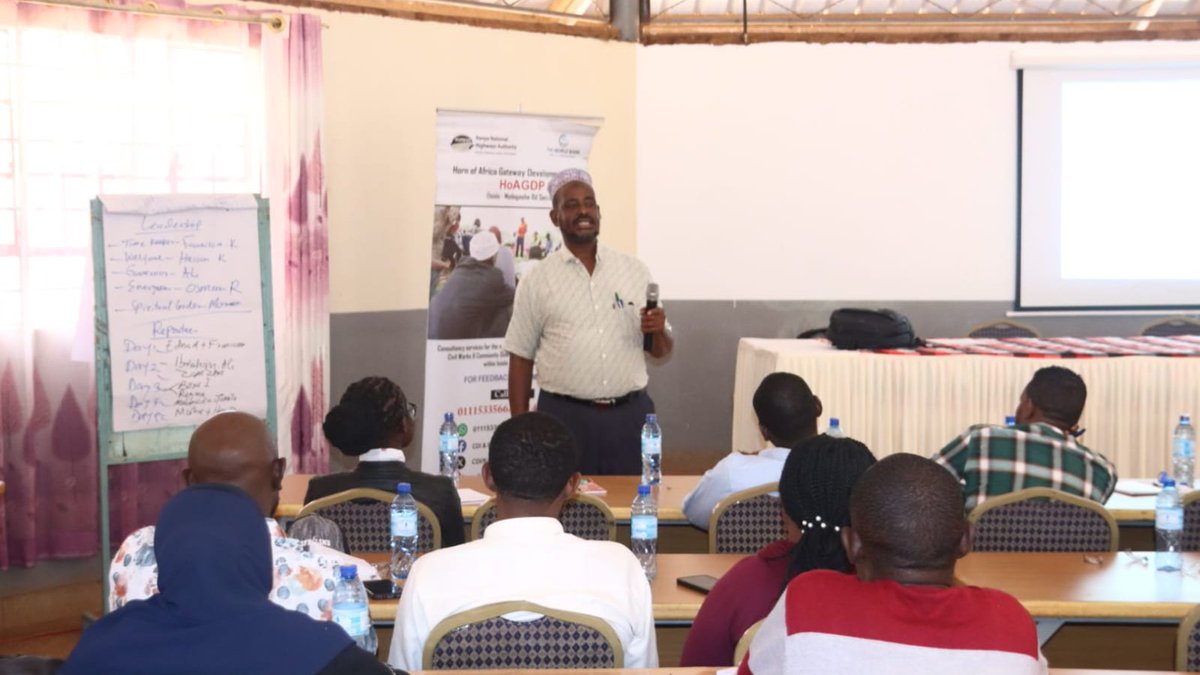
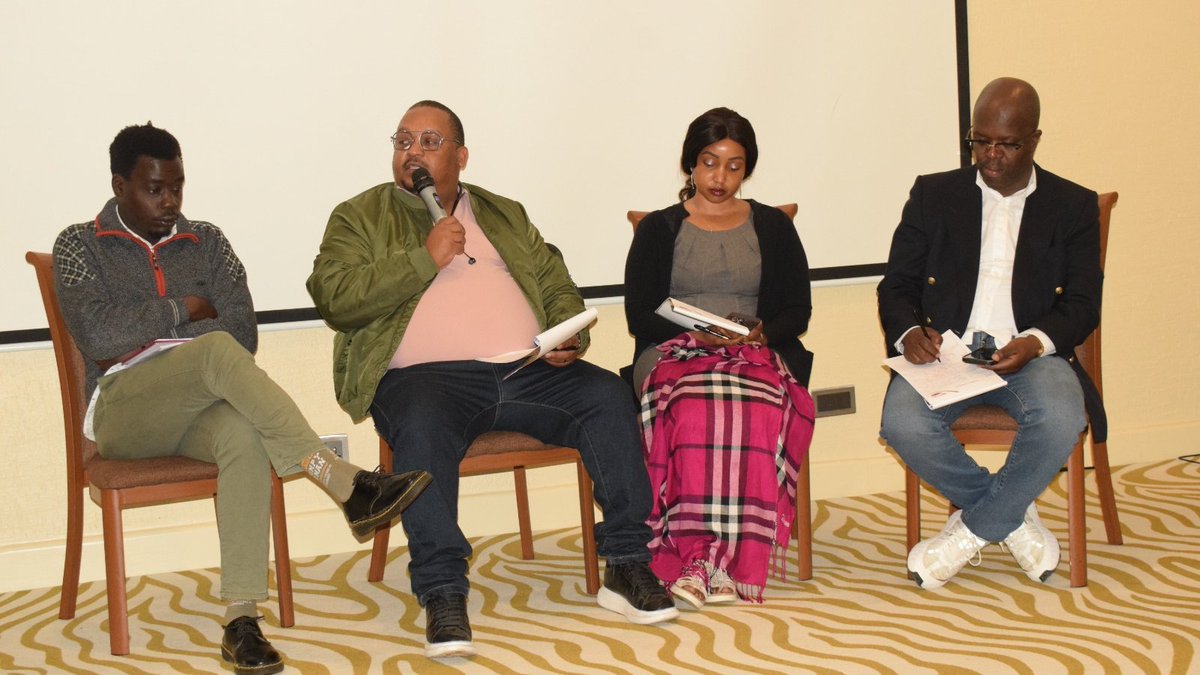
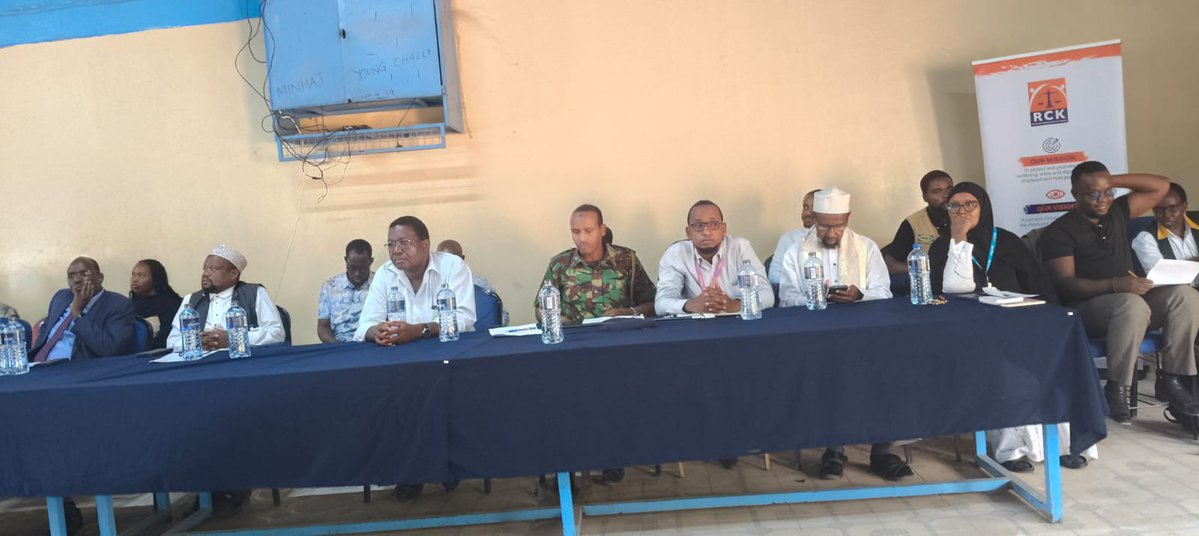
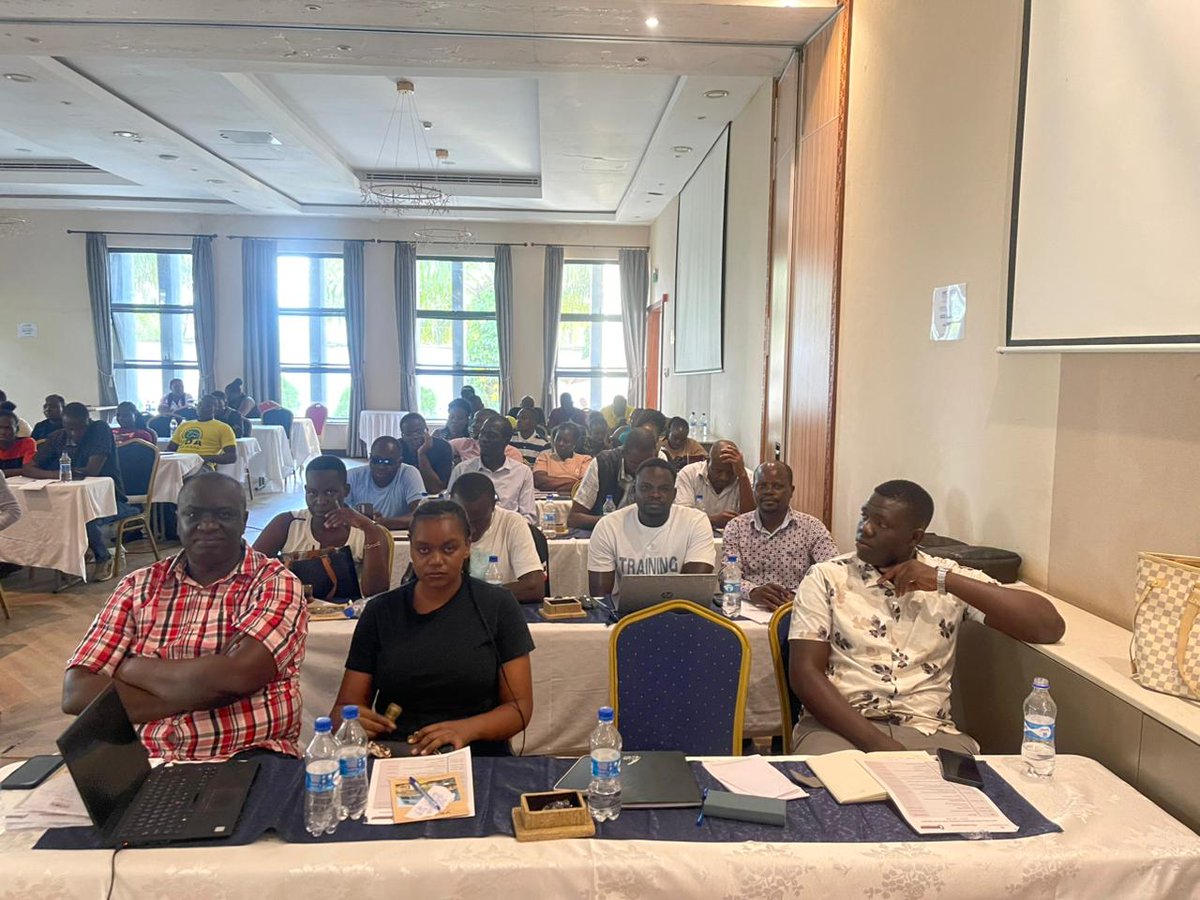
The Commission's Isiolo Regional Office participated in a five-day training on the Clinical Case Management of Gender-Based Violence (GBV) at the Catholic Diocese of Isiolo Pastoral Centre. The training was organized by the Kenya National Highways Authority @KeNHAKenya under the Horn of Africa Gateway Development Project @HOAGDP_Wajir as part of efforts to strengthen GBV prevention and response in project areas.
The workshop brought together healthcare providers, government representatives, law enforcement agencies, civil society organizations, and community actors in a multidisciplinary effort to improve how GBV cases are handled at the point of first contact. The training focused on clinical management of GBV cases, forensic examination, referral mechanisms, and coordinated response systems that protect survivors and support access to justice.
The sessions strengthened participants' technical capacity while deepening their understanding of survivor-centred care, confidentiality, documentation, and the critical role of inter-agency collaboration in effective GBV response. The engagement also reinforced the importance of institutions that can respond with professionalism, sensitivity, and urgency when survivors seek help.
The Commission's participation reflects its continued commitment to advancing gender equality and protecting vulnerable groups through practical, coordinated interventions that strengthen prevention, response, and accountability in Isiolo County and beyond.
When frontline systems are equipped to respond well, survivors are more likely to be protected, heard, and supported without delay.
#EndGBV #SurvivorCentredCare #EqualityForAll #LeaveNoOneBehind @HOAGDP_Wajir
Every barrier a woman breaks widens the path for generations that follow.
As Kenya continues to push for greater representation of women in leadership and decision-making, Nabwire’s rise from one of Nairobi’s informal settlements to the global stage at FIFA stands as a testament to resilience, determination, and the power of breaking long-standing barriers. Having become the first Kenyan woman to play professional football in Europe before transitioning into football administration, she has gone on to influence the growth of women’s football in Kenya and internationally. @FIFAcom
Her story mirrors the aspirations of countless Kenyan girls whose potential is often constrained by gender stereotypes, unequal opportunities, and social barriers. It demonstrates that when women and girls are given equal access to opportunities, they do not merely participate—they lead, innovate, and redefine what is possible.
For the Commission, stories such as these reinforce the importance of advancing equality, expanding opportunities, and creating environments where women and girls can thrive in every sphere of society, including sport, leadership, and public life. A more inclusive Kenya is built when every girl can dream without limits and every woman can lead without barriers.
She didn’t just break the glass ceiling—she raised the roof for every girl daring to dream beyond it.
#WomenInLeadership #GirlsInSport #EqualityForAll #BreakTheBias #WomenLead
Interesting read:
From Mathare to Fifa: Woman who shattered glass ceiling for female football administrators https://t.co/WsPauo9wGb
INCLUSIVE ELECTIONS
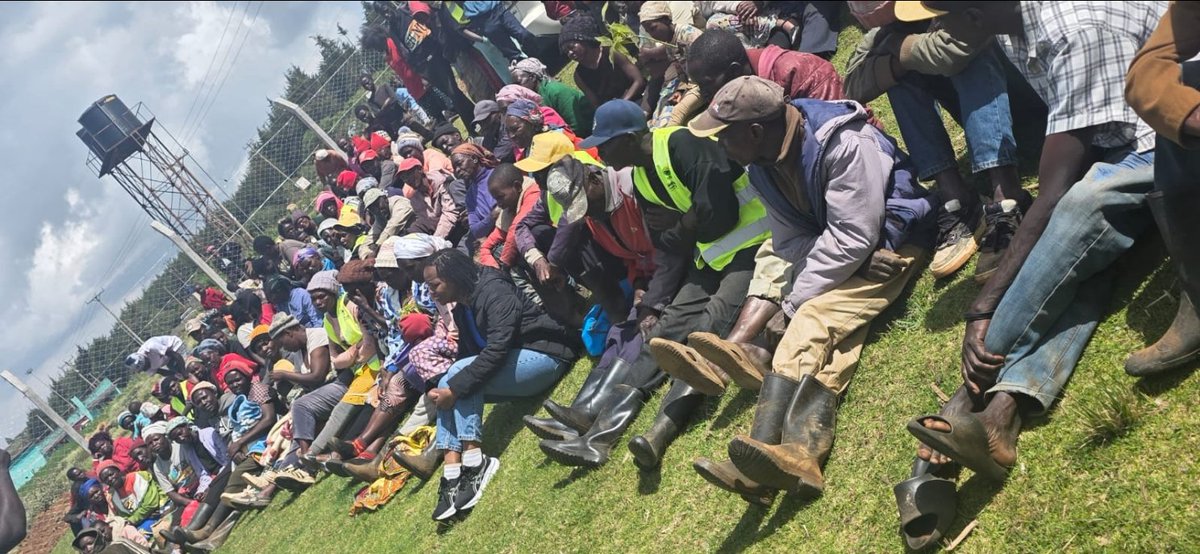
The Commission today led by CEO @puritynginaa conducted a monitoring exercise in Passenga Ward, Ol Kalou Constituency, to assess the preparedness of Special Interest Groups, particularly older persons, to participate in the forthcoming by-election.
The exercise is in line with the Commission's constitutional and statutory mandate to promote and protect the rights of Special Interest Groups, monitor their participation in electoral processes, and advocate for an inclusive, accessible and non-discriminatory electoral environment.
The Commission engaged older persons to identify any barriers that may affect their effective participation, and the findings will inform its engagement with relevant stakeholders to strengthen inclusive electoral processes and safeguard the rights of Special Interest Groups. @IEBCKenya
The Commission held a high-level briefing with @_AfricanUnion Commissioner Hon. Janet R. Sallah-Njie, AU Special Rapporteur on the Rights of Women in Africa and Vice-Chairperson of the African Commission on Human and Peoples' Rights (ACHPR), on Kenya's ratification of the African Union Convention on Ending Violence Against Women and Girls (AU-CEVAWG).
The engagement brought together representatives from the commission and KEWOPA to discuss the urgent need to fast-track the ratification process and align Kenya's legal and policy framework with continental standards for the prevention and response to gender-based violence, femicide, and other forms of violence against women and girls.
The Commissioner emphasized that the AU-CEVAWG is a landmark legal instrument that complements the Maputo Protocol by providing a dedicated framework to strengthen prevention, protection, access to justice, accountability, survivor support services, and coordinated national responses to violence against women and girls. She further noted that Kenya's swift ratification would reinforce its leadership in advancing women's rights and gender equality across the region.
The meeting concluded with clear commitments to accelerate advocacy and stakeholder engagement, including collaboration with the Ministry of Gender, Culture and Children's Services, Parliament, and KEWOPA to expedite the treaty approval process. The AU Commission also committed to providing technical resources and advocacy tools to support the ratification journey.
#EndGBV #EqualityinAction #InclusiveDevelopment
For too many survivors, the greatest challenge is not the absence of laws—it is the distance between legal protections and lived reality. Kenya has one of the most progressive legal frameworks on Gender-Based Violence in the region, yet survivors continue to face barriers that delay justice, limit access to support services, and weaken protection outcomes.
These realities informed a high-level legislative advocacy dialogue convened by the Kenya Women Parliamentary Association @KEWOPA, bringing together women legislators, constitutional commissions, justice sector actors, refugee protection agencies, and development partners to examine how Kenya's laws and policies can better respond to Sexual and Gender-Based Violence (SGBV), particularly within refugee and host communities.
The Commission steered discussions on the country's legislative and policy architecture, drawing attention to the Sexual Offences Act, 2006, the Prohibition of Female Genital Mutilation Act, 2011, the Refugees Act, 2021, and the National Policy on Gender and Development. Beyond legislative provisions, the conversation focused on how institutions can strengthen implementation and ensure that rights guaranteed on paper translate into meaningful protection for those most at risk.
The dialogue laid bare some persistent challenges: gaps in enforcement, limited forensic capacity, inadequate psychosocial support services, documentation hurdles affecting vulnerable populations, and lengthy judicial processes that often place additional burdens on survivors. The engagement also explored the intersection between protection, inclusion, and social cohesion within refugee-hosting areas, recognising the importance of policies that respond to the needs of both refugees and host communities.
A clear roadmap emerged from the discussions, centred on strengthening institutional capacity, enhancing multi-agency coordination, improving survivor-centred services, advancing legislative and policy reforms, and deepening public awareness on prevention and response mechanisms. Stakeholders also agreed to develop a joint working paper to guide sustained engagement with Parliamentary Committees and accelerate action on priority reforms.
At a time when Kenya is intensifying national efforts to address GBV and femicide, the conversation served as a reminder that justice is measured not by the number of laws enacted, but by the ability of those laws to protect, empower, and restore dignity. For the Commission, advancing equality means helping build systems that are responsive, accessible, and capable of delivering meaningful protection to women, girls, persons with disabilities, refugees, and other Special Interest Groups.
The true test of any justice system is whether the most vulnerable can access it when they need it most.
#EndGBV #EndFemicideKE #JusticeForSurvivors #GenderEquality #LegislativeReform #RefugeeProtection #EqualityForAll #LeaveNoOneBehind #NGEC #KEWOPA @EstherPassaris
The future of inclusive leadership is shaped long before a ballot is cast. It begins wherever communities decide whose voices matter.
Across many pastoralist communities, traditional governance structures continue to influence political leadership and public decision-making. As Kenya steadily prepares for the 2027 General Election, expanding the space for women to participate meaningfully in these conversations is becoming increasingly important to the realization of the Constitution's promise of equality and inclusive governance.
Through a partnership with the Horn of Africa Institute, supported by Urgent Action Fund–Africa, the Commission is supporting dialogue that seeks to strengthen women's political participation and safeguard their constitutional right to engage in leadership and governance. @HornofAfrica_4
As part of the initiative, courtesy visits were held with Assistant County Commissioner Stephen Muye and the Borana Council of Elders to foster constructive dialogue on creating more inclusive decision-making spaces. The engagement recognised the influential role of cultural and administrative leadership in shaping community governance, and explored pathways to ensure that women are not only represented but also able to contribute meaningfully to decisions that affect their lives and communities. The discussions come at a time when traditional leadership structures continue to play a significant role in political processes across northern Kenya.
Promoting women's participation in leadership is not about replacing tradition; it is about ensuring that tradition evolves alongside the Constitution to unlock the full potential of every Kenyan. By strengthening dialogue with community leadership and supporting inclusive governance, the Commission continues to advance equality and freedom from discrimination while creating opportunities for Special Interest Groups to participate fully in the nation's democratic journey.
When every voice helps shape the future, democracy becomes stronger, communities become more resilient, and development becomes more inclusive.
#WomenInLeadership #InclusiveGovernance #EqualityForAll #PoliticalParticipation #2027Elections #LeaveNoOneBehind #NGEC #FreedomFromDiscrimination @EkuamL
Every community deserves to be a place of safety, not silence. Every survivor deserves protection, not fear. That shared conviction brought @WorldVisionKE to the Commission’s Isiolo Regional Office for a courtesy visit, reaffirming a partnership dedicated to strengthening local action against Gender-Based Violence (GBV) and building communities where dignity, equality, and protection are a lived reality.
The engagement reviewed the progress of the Purpose II Project, implemented in Isiolo, Burat, and Oldonyiro Wards, which is helping reinforce community-based mechanisms for preventing and responding to GBV. At a time when Kenya is placing renewed national focus on ending GBV and femicide, strengthening grassroots protection systems remains indispensable to ensuring that prevention begins long before violence occurs and that survivors receive timely, coordinated support.
The Commission commended World Vision Kenya for its sustained partnership in strengthening county GBV response structures and empowering communities to become active custodians of protection and inclusion. The collaboration continues to enhance institutional coordination, deepen public awareness, strengthen referral pathways, and support interventions that safeguard the rights and dignity of women, children, persons with disabilities, older persons, minorities, and other Special Interest Groups.
The meeting reaffirmed that meaningful progress is achieved when institutions combine their strengths to address inequality where it is experienced most—within families, schools, and communities. In line with its constitutional mandate, the Commission will continue working alongside partners to promote equality and freedom from discrimination, strengthen protection systems, and foster communities where every person can live with dignity, security, and equal opportunity.
Protecting the vulnerable is not only a measure of justice—it is the foundation of an inclusive and resilient nation.
#EndGBV #EndFemicideKE #EqualityForAll #CommunityProtection #LeaveNoOneBehind #SocialInclusion #PartnershipsForImpact #NGEC #WorldVisionKenya @WorldVisionKE@EkuamL
Great conversations spark greater impact. We were delighted to host the National Cohesion and Integration Commission @NCIC_Kenya – Central Rift Regional Office for a strategic engagement focused on deepening institutional collaboration to address issues shaping Kenya’s social fabric and strengthen inclusive development.
The discussions explored practical opportunities for the two Commissions to leverage their complementary mandates in expanding opportunities for Special Interest Groups, cultivating a culture of respect for diversity, and strengthening community resilience. Priority areas included joint civic education, community dialogue forums, annual debate competitions, enhanced support for Amani Clubs in learning institutions, and collaborative research to generate evidence that informs responsive public policy and programmes.
Coming at a time when Kenya is placing renewed focus on social cohesion, public participation, and inclusive governance, the engagement recognized that sustainable development depends on institutions working together to bridge divides, expand opportunities, and foster a society where every person is valued, heard, and able to participate fully in national life.
The meeting marked another important step towards translating shared aspirations into practical action. By combining expertise, knowledge, and outreach, the two Commissions are better positioned to empower communities, strengthen social cohesion, nurture responsible citizenship, and advance a Kenya where diversity inspires unity, inclusion drives progress, and equality creates opportunities for all.
#NGEC #NCIC #NationalCohesion #EqualityForAll #InclusiveGovernance #SocialInclusion #ConstitutionalValues #AmaniClubs #StrongerTogether #LeaveNoOneBehind @Eastleighvoice
The Commission today appeared before the Parliamentary Accounts Committee to respond to audit queries arising from the FY 2024/25 and FY 2023/24 financial statements. The Commission reaffirmed its commitment to transparency, accountability, prudent stewardship of public resources, and full cooperation with Parliament in strengthening public financial management. @NAssemblyKE@TKoyier@puritynginaa
STRATEGIC LITIGATION
The Commission, through Advocate @Desire01 Assistant Director, Legal Services, today represented Kennedy Muriuki Gachoki in a virtual session before the Baricho Law Courts in an ongoing matter involving allegations of a sexual offence. The case raises important questions on disability rights and access to justice after multiple psychiatric assessments found the accused unfit to stand trial due to severe developmental disabilities. The matter was mentioned to receive a Social Inquiry Report, which will guide the court on an appropriate, rights-based disposition. The Commission remains committed to providing legal representation to vulnerable and marginalized persons while advancing fair trial guarantees, access to justice, and the protection of the rights of all parties.
Interesting Read | Women in Leadership
"Is there no woman qualified?" is not merely a question—it is a constitutional challenge. Kenya has no shortage of qualified women; the real test is whether public appointments uphold Article 27 on equality, the two-thirds gender principle and inclusive governance. Leadership should reflect the diversity, talent and aspirations of all Kenyans.
NGEC remains committed to advancing equality, monitoring compliance and ensuring no one is excluded from leadership because of gender. #EqualityKE #WomenInLeadership #Article27 #InclusiveGovernance @NationAfrica@Eastleighvoice@KEWOPA@unwomenkenya
Is there no woman qualified? The uncomfortable question government must answer https://t.co/LuNtAcqirg
The Commission’s Nakuru Regional Office paid a courtesy call on Nakuru County Commissioner Dr. Loyford E. Kibaara, MBS, reaffirming the importance of collaboration in addressing some of the county’s most pressing equality and governance challenges.
The discussions centred on strengthening coordinated efforts to prevent and respond to Gender-Based Violence (GBV) and femicide, recognising that ending violence requires sustained collaboration between national government, county institutions, law enforcement agencies, communities, and other stakeholders. The meeting emphasized the need to strengthen prevention initiatives, improve survivor support and referral systems, enhance public awareness, and reinforce accountability to ensure survivors receive timely protection and access to justice.
The engagement also focused on preparations for the upcoming electoral cycle, highlighting the importance of creating an environment where women, youth, persons with disabilities, minorities, marginalized communities, and other Special Interest Groups can participate fully, safely, and meaningfully in democratic processes. Inclusive participation remains essential to building representative leadership and strengthening Kenya’s constitutional commitment to equality, inclusion, and non-discrimination.
The meeting reaffirmed that effective partnerships between national and county institutions are critical to delivering lasting solutions to the challenges facing communities. The Commission will continue working with key stakeholders to advance equality, promote inclusive governance, strengthen protection for vulnerable groups, and support coordinated interventions that improve the lives of all Kenyans.
#EndGBV #EndFemicideKE #InclusiveGovernance #EqualityForAll #WomenInLeadership #DisabilityInclusion #YouthInLeadership #LeaveNoOneBehind
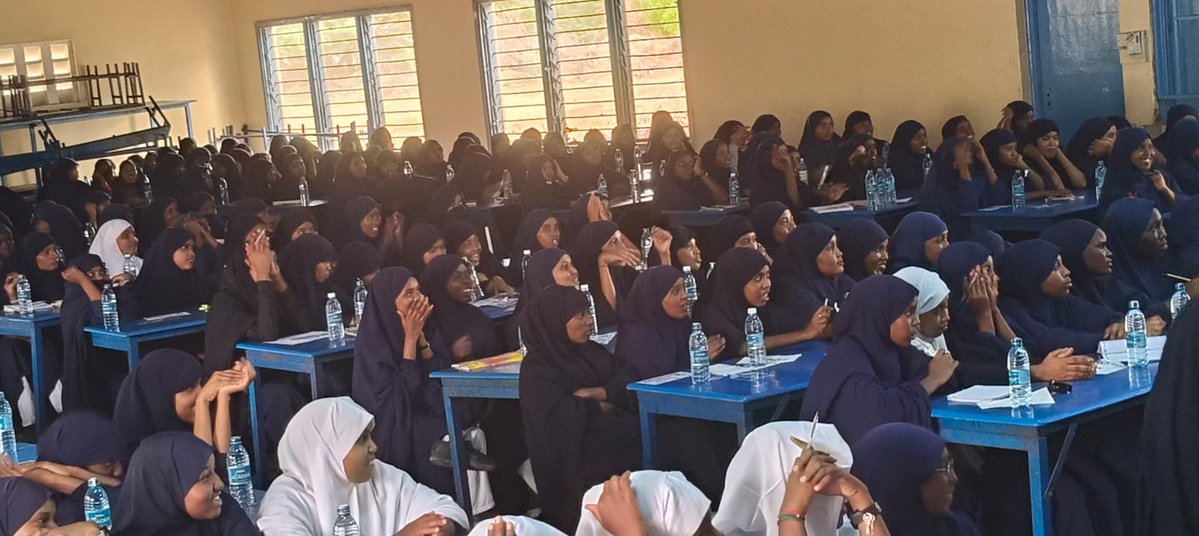
The Commission's Garissa office joined the County CUC outreach at NEP Girls School, led by Garissa High Court Presiding Judge Hon Justice J.T Lolwatan and bringing together the ODPP, Law Society of Kenya, security agencies, education stakeholders,UNICEF and religious leaders to empower girls through legal awareness and rights education.
Our session focused on GBV prevention and survivor referral pathways, equipping learners with knowledge on where and how to seek help, while reinforcing that every girl has the right to safety, dignity and justice.
Through collaboration, we continue to strengthen prevention, protection and access to justice for women and girls in Garissa.
Guarding Guardians: Advancing Inclusive Climate Governance.
The 38th Edition of the Equality Bulletin explores the intersection of equality, inclusion and sustainable development. As Kenya confronts the realities of climate change, inclusive climate action that empowers women, especially Women Environmental Human Rights Defenders, to participate safely and meaningfully in environmental governance is essential to building a just, resilient and sustainable future. Read this Edition here:
https://t.co/ruUtvU4Vh6
The Kisumu Regional Office participated in the Kisumu County Gender Sector Partners Consultative Meeting, convened by the Kisumu County Gender Sector Working Group (GSWG) with support from SHOFCO at Vittoria Suites, Kisumu. The forum brought together key actors in the gender sector to review progress across thematic areas, strengthen collaboration among partners, and chart a common path towards addressing emerging gender and social inclusion challenges within the county.
The meeting marked the official welcome of the new County Commissioner as Chairperson of the GSWG and provided an opportunity for stakeholders to align priorities ahead of key engagements, including preparations for the commemoration of the International Day of the Girl Child on 11 October 2026. Approximately 30 participants attended, representing the Ministry of Interior through the County Commissioner’s Office, the Department of Children Services, the State Department for Gender and Affirmative Action, the Kondele Police Gender Desk, civil society organizations, and members of the County Gender Sector Working Group.
As discussions unfolded, a recurring theme emerged: the need to safeguard inclusion and participation as the country gradually transitions towards the 2027 General Elections. Stakeholders expressed concern over reported incidents of goonism and electoral-related Sexual and Gender-Based Violence (SGBV), warning that such occurrences threaten the meaningful participation of women, youth, persons with disabilities, and other special interest groups in political and civic processes. In response, the County Commissioner assured members that measures were being strengthened to maintain peace and security across the county and create an environment where all citizens can participate without fear or intimidation.
The consultative meeting also reflected on the persistent gender gaps in political leadership. Participants observed that despite progress in advancing women’s rights and leadership opportunities, the number of women contesting elective positions remains relatively low. Many women continue to access leadership through nomination slots, while only a few successfully secure elective positions at higher levels such as Member of Parliament and Governor. Members emphasized the need for sustained efforts to address barriers that hinder women’s political participation and leadership aspirations.
Another notable area of discussion was the ongoing implementation of the National Male Engagement and Inclusion Strategy (2025–2030). The Kisumu County GSWG highlighted ongoing efforts to cascade the strategy at the county level by promoting the active involvement of men and boys in advancing gender equality, preventing Gender-Based Violence, and supporting improved reproductive health outcomes. Stakeholders acknowledged that transforming harmful social norms and increasing male participation remains critical in achieving sustainable gender equality.
The meeting further explored the intersection between gender equality and climate action under the Climate Change and Environmental Inclusion pillar. Members called for deliberate efforts to enhance the participation of women, youth, persons with disabilities, and other marginalized groups in the blue economy and green energy sectors. However, challenges such as weak enforcement of climate policies, inadequate technical capacity among communities and institutions, and limited financing for climate-related programmes were identified as major obstacles to inclusive climate action and sustainable development.
The discussions also highlighted several pressing social concerns affecting communities across the county. Rising teenage pregnancies continue to contribute to school dropouts, social stigma, and diminished educational opportunities for adolescent girls. Participants further raised concern over increasing school dropout rates linked to drug and substance abuse, particularly marijuana use among adolescents. The persistence of electoral-related Gender-Based Violence and the low engagement of men in reproductive health and GBV prevention programmes were also identified as significant gaps requiring urgent attention.
To address these challenges, stakeholders committed to adopting more holistic and inclusive programming approaches that intentionally engage women, girls, boys, and men in gender equality interventions. Members also underscored the importance of strengthening partnerships, resource mobilization efforts, and collaborative fundraising initiatives to support the effective implementation of programmes across all thematic areas.
The consultative meeting reaffirmed the value of coordinated action in advancing gender equality, social inclusion, and sustainable development in Kisumu County. By bringing together government institutions, civil society organizations, and development partners, the forum provided a platform for collective reflection and renewed commitment to building a more inclusive, equitable, and resilient society for all.
Kisumu Regional Office joined key stakeholders at the Ofafa Memorial Hall during the Action for Paid Childcare Sector Transformation (ACT) Project Kisumu County Multi-Stakeholder Townhall Dialogue, reaffirming the National Gender and Equality Commission's commitment to advancing safe, quality, and gender-responsive childcare services as a critical pillar of social and economic development.
Convened by the Coalition on Violence Against Women (COVAW), the dialogue brought together participants drawn from the Kisumu County Departments of Gender and Education, Kidogo CBO Kisumu, domestic workers, caregivers, community leaders, childcare providers, and development partners. The forum provided an opportunity for stakeholders to engage in meaningful discussions on the realities faced by caregivers and the urgent need to strengthen county support systems that promote quality childcare services.
Throughout the discussions, participants emphasized that every child deserves access to safe and quality care, while every caregiver deserves dignity, recognition, and protection. The dialogue highlighted the important role that childcare plays in supporting children's growth and development, while also enabling parents and guardians to participate productively in the workforce and community life with the assurance that their children are receiving appropriate care.
A recurring theme was the indispensable contribution of domestic workers, home-based caregivers, and centre-based childcare providers in supporting families, strengthening communities, and advancing women's economic empowerment. Participants noted that despite their significant role in sustaining households and nurturing future generations, childcare and caregiving work often remains undervalued and under-recognized. Calls were therefore made for greater professionalization, regulation, recognition, and investment in the childcare workforce to ensure that caregivers receive the support and protection they deserve.
The dialogue further underscored the importance of investing in a strong care economy as a pathway to building inclusive, resilient, and equitable communities. Stakeholders agreed that strengthening childcare systems requires coordinated action across sectors, including increased public investment, supportive policies, and effective partnerships between government, civil society, communities, and development partners.
The Commission reaffirmed its commitment to promoting decent work, quality childcare services, and a care economy that recognizes, values, and protects caregivers. NGEC also called for strengthened policy and legislative frameworks, improved working conditions for childcare providers, and sustained multi-sectoral collaboration to ensure that childcare services remain safe, affordable, accessible, and responsive to the diverse needs of children and caregivers across the county.
The Kisumu Regional Office participated in the Usawa Mashinani Phase III Project Engagement convened by Transparency International Kenya in partnership with the Embassy of Finland at Great Lakes University of Kisumu. The Commission was represented by attachee Roland Nyamolo.
The engagement brought together students and young leaders from Maseno University and Jaramogi Oginga Odinga University of Science and Technology (JOOUST) to reflect on the impact of the project in strengthening citizen participation and inclusive governance.
Participants highlighted how the initiative has enhanced their knowledge and skills in governance, participatory budgeting, social accountability, and civic engagement. Through these capacity-building efforts, youth and women are increasingly equipped to participate in decision-making processes, advocate for accountability, and champion inclusive development within their institutions and communities.
The discussions underscored the importance of empowering youth, women, and marginalized groups with the knowledge, skills, and opportunities needed for meaningful participation in governance. Such efforts are critical in promoting transparency, accountability, inclusive leadership, and sustainable development at the grassroots level.
Electoral Preparedness Training for Youth Leadership
The Kisumu Regional Office participated in the Electoral Preparedness Training for Youth Leadership aimed at enhancing the capacity of young people to participate effectively in democratic and governance processes. The training provided an interactive platform for youth leaders to engage in meaningful discussions on electoral participation, leadership opportunities, and the challenges that continue to hinder youth engagement in political processes.
Participants identified several barriers affecting youth participation, including discrimination during political party nominations and primaries, high levels of unemployment that make some young people vulnerable to political manipulation and electoral violence, and the increasing prevalence of Technology-Facilitated Gender-Based Violence (TFGBV), which discourages many young people, particularly young women, from actively engaging in political discourse and leadership.
The training emphasized the critical role of youth in promoting accountability and good governance. Participants were encouraged to actively take part in public participation forums, monitor development projects within their communities, and demand accountability from elected leaders. The youth were also recognized for their innovative use of social media platforms to mobilize voter registration and civic engagement, with initiatives such as Tuko Kadi highlighted as notable examples of youth-led civic action.
To strengthen their influence in governance and decision-making processes, participants were urged to register as voters at their nearest Independent Electoral and Boundaries Commission (IEBC) constituency offices and to join political parties as a strategic pathway to leadership and political representation.
The training further challenged political parties and other stakeholders to foster inclusive participation by ensuring the meaningful involvement of all Special Interest Groups (SIGs), particularly Persons with Disabilities (PWDs), including those residing in rural and marginalized areas. Youth leaders were also encouraged to harness digital platforms strategically to amplify their voices, build leadership profiles, advocate for issues affecting their communities, and advance their political aspirations.
The engagement reinforced the importance of empowering young people with knowledge, skills, and opportunities to participate meaningfully in electoral and governance processes, thereby contributing to a more inclusive, accountable, and representative democracy.
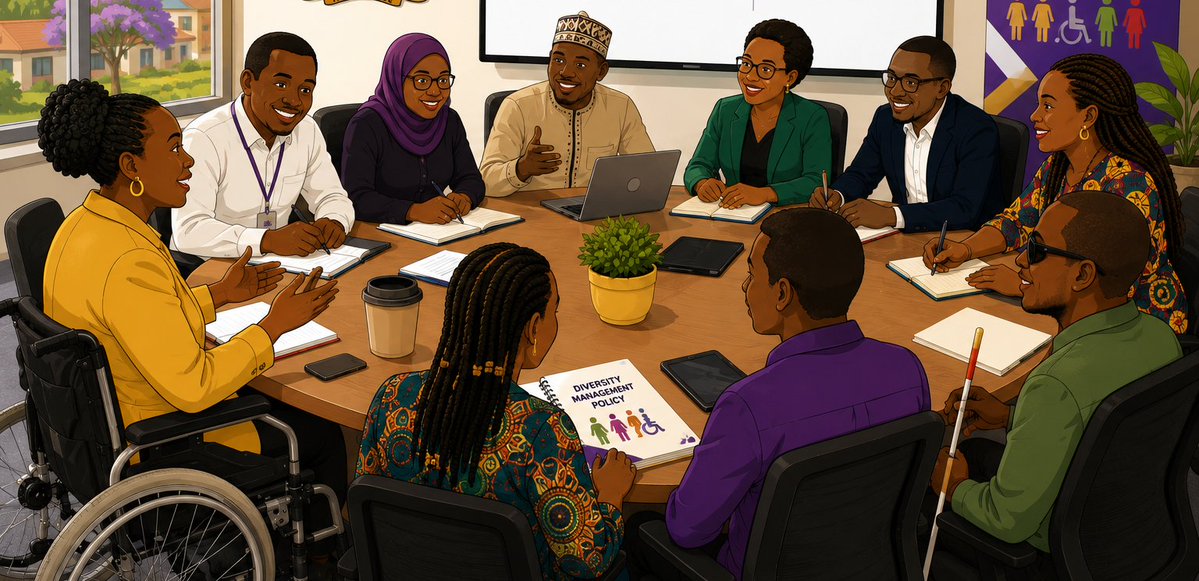
The Commission, through its Disability and Elderly Affairs Division, is supporting the development of the Kenya Broadcasting Corporation @KBCChannel1 Diversity Management Policy in Machakos County, marking an important step towards building a workplace where diversity is valued, inclusion is intentional, and every employee has an equal opportunity to thrive.
Working alongside KBC's Committee on Gender and Disability Mainstreaming, the policy development process identified practical priorities to strengthen disability inclusion, gender equality, equal employment opportunities, reasonable accommodation, accessibility, and an organizational culture that respects the dignity and rights of every employee. Once finalized, the policy will guide the Corporation in embedding diversity, equity, and inclusion across its governance, human resource practices, and day-to-day operations.
As Kenya advances workplace inclusion and equality in line with its constitutional and legal framework, institutional diversity policies remain essential in translating commitments into measurable action. For a national public broadcaster such as KBC, fostering an inclusive workplace strengthens not only organizational performance but also its capacity to reflect Kenya's diversity and serve all citizens equitably.
Through its advisory and technical support role, the Commission continues to work with public institutions to eliminate barriers to equal opportunity, strengthen inclusive workplaces, and promote policies that uphold human dignity, accessibility, fairness, and equal participation for women, persons with disabilities, older persons, youth, minorities, marginalized communities, and all employees.
#DiversityAndInclusion #InclusiveWorkplaces #DisabilityInclusion #GenderEquality #EqualOpportunity #EqualityForAll #PublicService #LeaveNoOneBehind