Join us for this hands-on workshop with two different sessions on August 11th focused on field identification of upland non-native #invasiveplant species in #NewHampshire. Learn more and register by visiting https://t.co/R1aaEpjfeo.
What's that worm? In this month's issue of the NYS Conservationist, meet the earthworms of New York and learn about the native and introduced species. This article was made possible by the JWORM Working Group and @NYSDEC
Read here: https://t.co/fzdgNqGV2u
Join us on August 5th for a #foresthealth workshop in the North Country! There will be a unique set of insects, invasive plants, and diseases to look at and discuss. Bring your own samples or pictures of pests/damage for experts to ID. https://t.co/Es7XjQhV1E
@NHForestHealth
Chemicals and biological control can buy trees time, but they cannot completely control the non-native insects that are attacking trees that have never experienced these insects before. Listen and subscribe to our podcast, Forestcast - https://t.co/VfAxEHEP7y
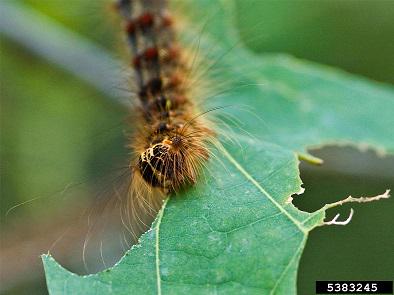
To understand why a boom in an invasive species' population is sometimes followed by a crash, scientists analyzed changes in the outbreak dynamics of the spongy moth. https://t.co/WUFdc5ScZw
📷 John Ghent, https://t.co/SNnsG21zIo
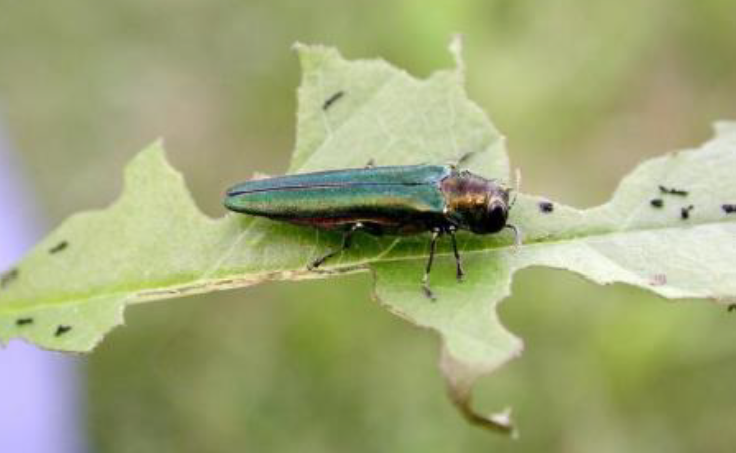
🪲#EmeraldAshBorer is a major threat to ash trees.
But YOU can help 😎
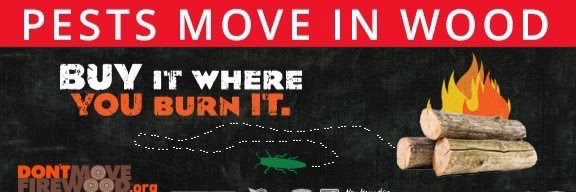
👎🏽Don't transport firewood
👍🏽instead - buy it where you burn it!
🪵Before your next camping adventure, find out where you can buy local firewood: https://t.co/VzKJlTpeGP
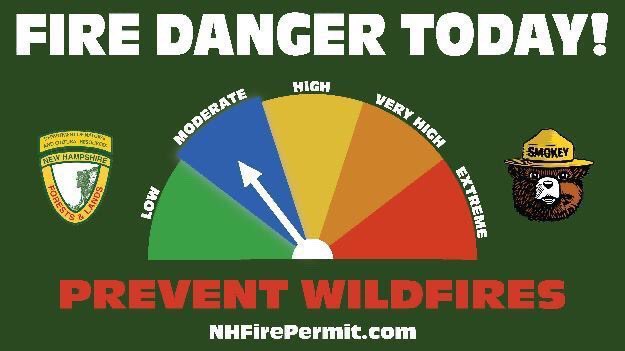
The predicted fire danger for today (7/7/22) will be MODERATE for all FDRAS. When burning is permitted, visit https://t.co/eVpE2TInJd to get a fire permit. For your towns FDRA, click here: https://t.co/jYJOKJuFeM… #NH#forestranger@nhdfl@NHDNCR#FireDanger
Massachusetts has updated its Spotted Lanternfly map based on recent finds. Still no new populations, all individual finds (whew!), but the blue dots are increasing. Get a text list of towns and more on our SLF fact page: https://t.co/pNBIqSuL76
Noticing an unusual amount of leaves missing this year? The spongy moth (aka gypsy moth) is our culprit. Learn more about how it is defoliating the state, what the future holds, and how it might benefit cuckoos. #SomethingWild#NHPR https://t.co/749D1GAwuH
6/30/22: The predicted Fire Danger statewide in all FDRA’s today is MODERATE. When burning is permitted, visit https://t.co/eVpE2TInJd to get a fire permit. @nhdfl@NHDNCR
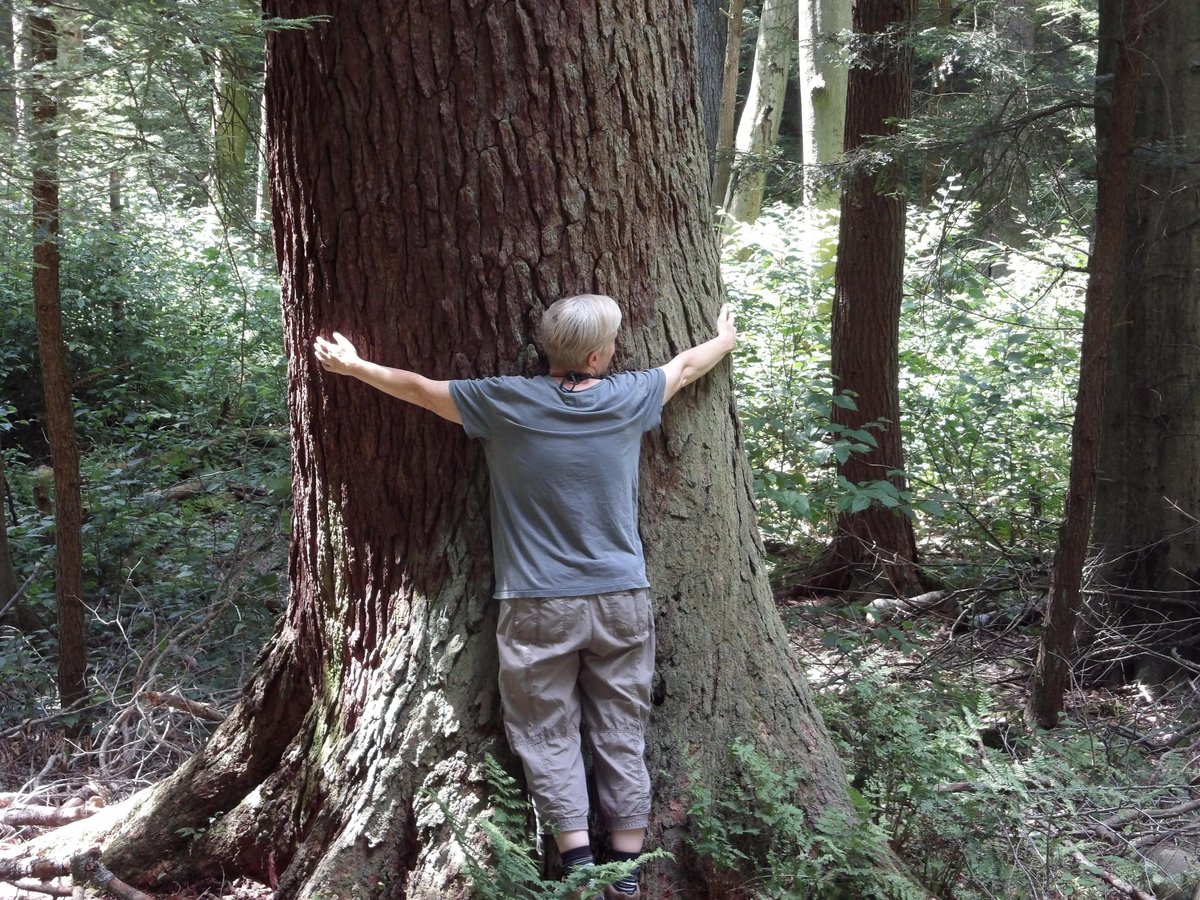
The spongy moth is a destructive invasive species. It will eat over 500 plant species, but it especially likes to eat oak leaves! Scientists at Harvard Forest are studying what happens to oaks like me when spongy moth are all over the place.
Spongy moth egg-sacs each contain 500-1000 eggs, which will hatch into caterpillars in spring. They can be found by the dozen on the bark of mature oak trees like me.
Insects eating my nutrient-packed leaves is just a part of life for me. In fact, even when an invasive caterpillar like the spongy moth eats ALL of my leaves in early summer, I usually have enough stored resources to put a whole new set of leaves in late summer.
Aerial surveys are underway to determine the extent of forest damage throughout the state. So far we've mapped over 32,000 acres of defoliation from spongy moth caterpillars in Carroll County. Want more #NH forest health updates? Sign up for email updates: https://t.co/D39JywixXF