I have not been posting my DevOps journey on here for a while now but I have been posting on LinkedIn.
Connect with me on LinkedIn to see how far I’ve come: https://t.co/pczaQlWcyB
#DevOps#CloudEngineering
I have not been posting my DevOps journey on here for a while now but I have been posting on LinkedIn.
Connect with me on LinkedIn to see how far I’ve come: https://t.co/pczaQlWcyB
#DevOps#CloudEngineering
My Ansible Journey: From Manual SSH to Automated Infrastructure.
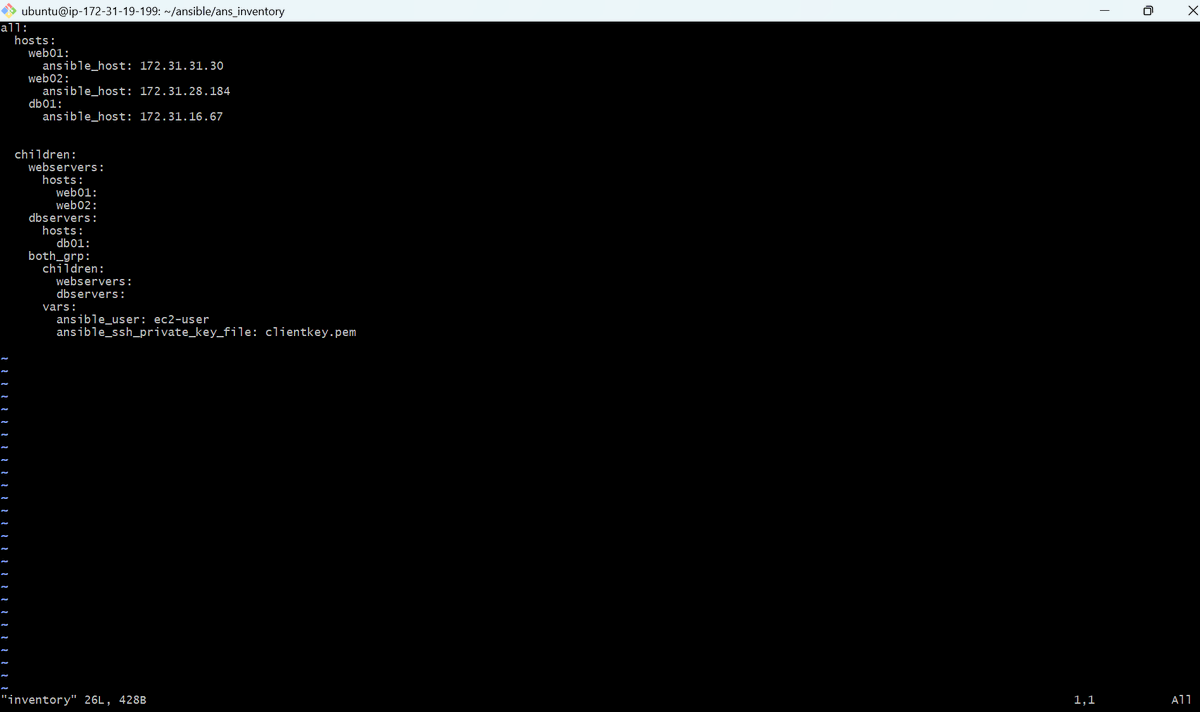
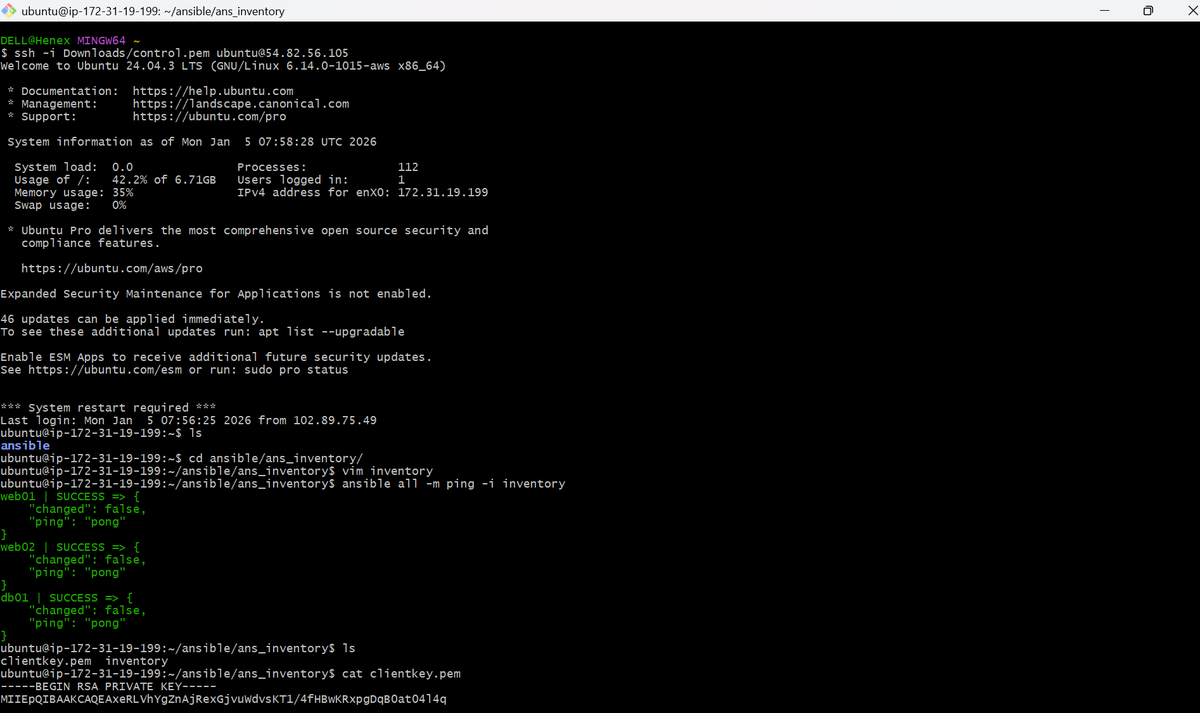
I’ve been making steady progress in my DevOps journey, and today I took a deep dive into Ansible for configuration management and automation.
1/6
My Ansible Journey: From Manual SSH to Automated Infrastructure.
I’ve been making steady progress in my DevOps journey, and today I took a deep dive into Ansible for configuration management and automation.
1/6
Key takeaway: Ansible makes managing multiple servers simple, repeatable, and scalable, eliminating the need for manual SSH into each machine. This is just the beginning.
Next steps include:
1. Writing playbooks
2. Package installation
3. Role-based configuration
5/6
❌ DevOps is NOT:
• Kubernetes
• Jenkins
• Terraform
• Docker
• AWS/Azure
✅ DevOps IS:
• Applications that deploy without drama
• Infrastructure that scales while you sleep
• Systems that rarely break
• Problems caught before customers notice
• Teams that actually talk to each other
Tools are just hammers and nails.
DevOps is building the damn house.
Master the WHY, not just the HOW.
Because when Kubernetes becomes obsolete (and it will eventually), your DevOps skills won't.
I’ve been learning how to automate AWS infrastructure using Terraform, and this hands-on project really helped solidify the concepts.
In this setup, I automated the provisioning of AWS resources by structuring my Terraform configuration into clear, reusable components, including:
Terraform enables infrastructure as code, manage state, and maintain consistency across deployments. This a huge step away from manual AWS console configuration.
This has deepened my understanding of:
I. Infrastructure as Code (IaC)
II. AWS resource automation
6.Successfully built Docker images from source code and published them to the GitLab Container Registry.
Every step reinforced how powerful GitLab ecosystem is for automating delivery processes and improving team productivity.
Learning Python programming basics next!
I’ve been deepening my hands-on experience with GitLab CI/CD, and here’s what I’ve built and experimented with:
1.I created a complete pipeline that handles the full pipeline from start to finish.
2.Learned how jobs got triggered on certain branches, on merge request, on the.
web as well as schedule.
3.Integrated test stages to ensure code quality before deployment.
4.Added security scan jobs to catch vulnerabilities early in the pipeline.
5.Configured notifications update on build and deployment statuses.