It is extremely disappointing that American-American student-athletes in the NCAA are not given the same academic opportunities as white student-athletes. This is a huge call for equity in the NCAA #ucr150@abhornUCRedu
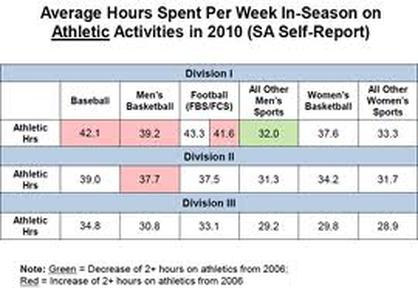
Student-athletes put in the same hours per week as a full-time job; however, they are not compensated more than the cost of attendance. This makes it so some student-athletes lack the time to get jobs to cover living expenses #ucr150@abhornUCRedu
The NCAA fights so hard to keep legally identifying their athletes as students rather than employees, so why do they make it so hard for athletes to transfer to other 4-year colleges/teams? Wouldn't it help better their educational experience? #ucr150@abhornUCRedu
The NCAA does not require coaches to be educated about concussions. This puts the athletes they coach at risk of death, even worse brain damage, and life-changing injuries. Coaches should be more educated. #ucr150@abhornUCRedu
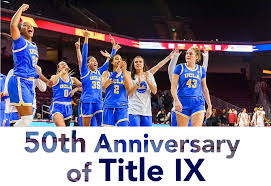
In order to increase scholarship money for individual men's sports some schools cut other men's sports at the school and blame it on Title IX and women's sports. Is being a scapegoat the real purpose for Title IX? #ucr150@abhornUCRedu
One-year scholarships in the NCAA put pressure on student-athletes to be an athlete first and student second because the expectation is to excel athletically and meet the requirements to play academically #ucr150@abhornUCRedu
NCAA sports cause many severe life-altering injuries to some of those who participate in them. Schools, however, are not financially liable for any post-graduation health issues or deaths caused by collegiate competition. This needs to change. #ucr150@abhornUCRedu
The NCAA requires student-athletes to be amateurs; however, the term "amateur" is vague in what rights it gives student-athletes. The definition can vary depending on the institution, committee, or sport. What is the defining line b/w a pro and an amateur?#ucr150@abhornUCRedu