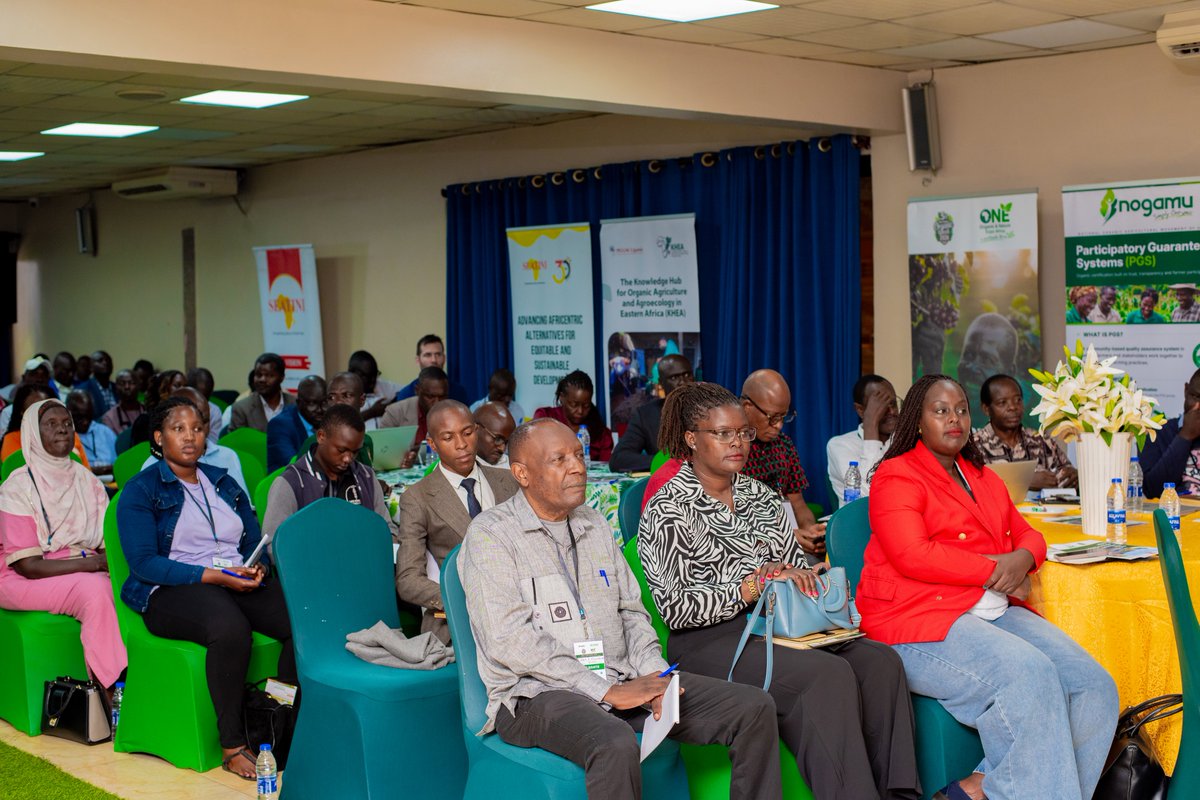
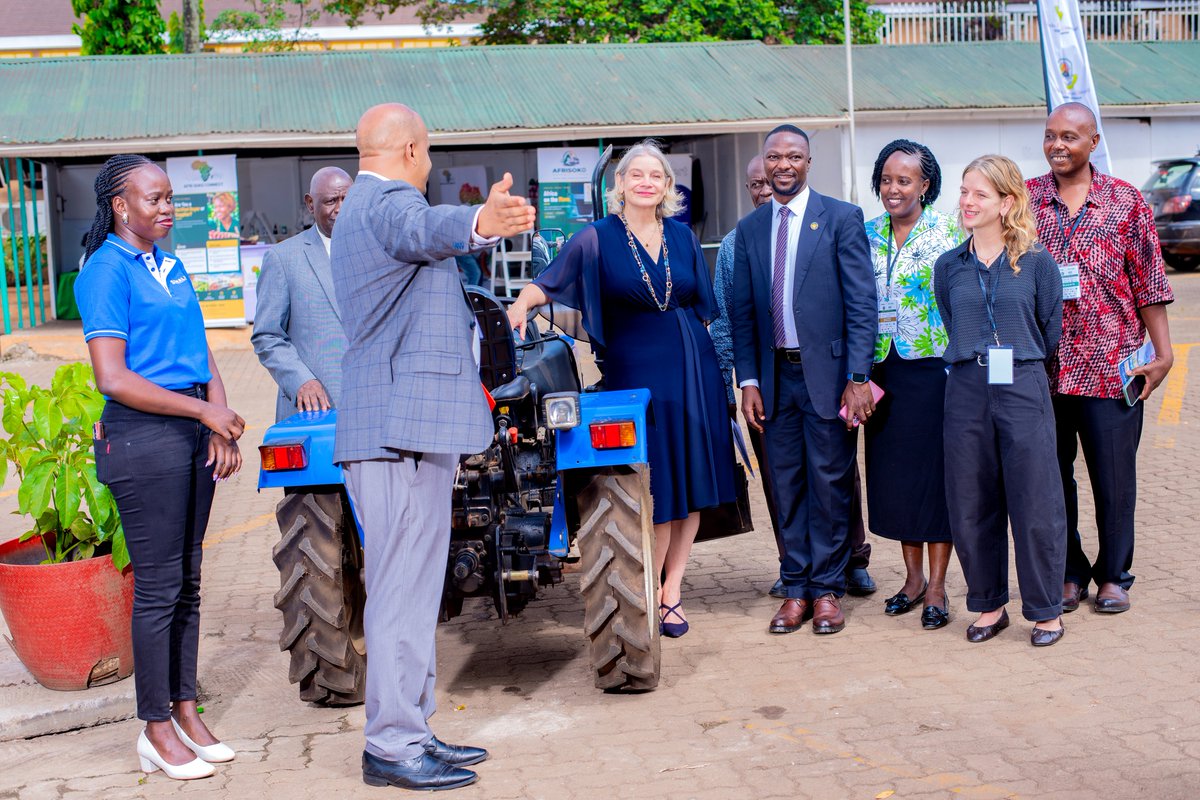
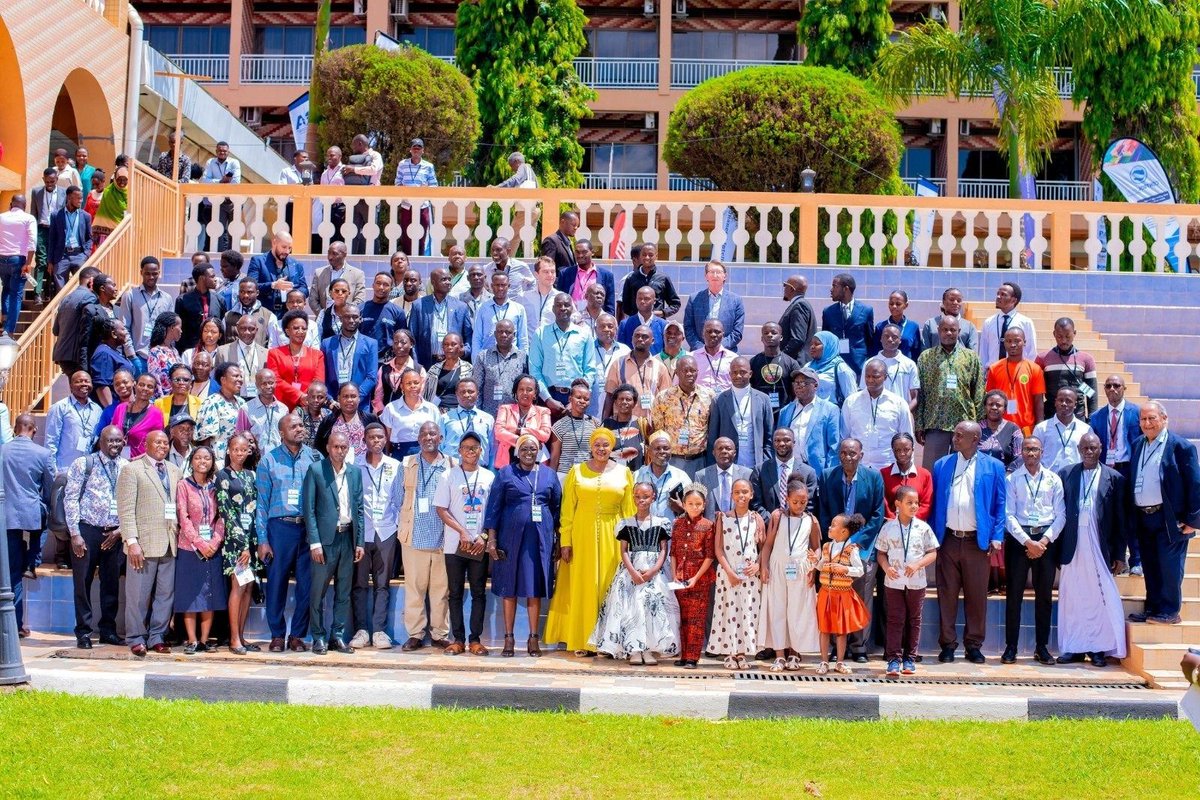
Farmers, researchers, businesses & technical experts shared experiences and explored practical solutions.
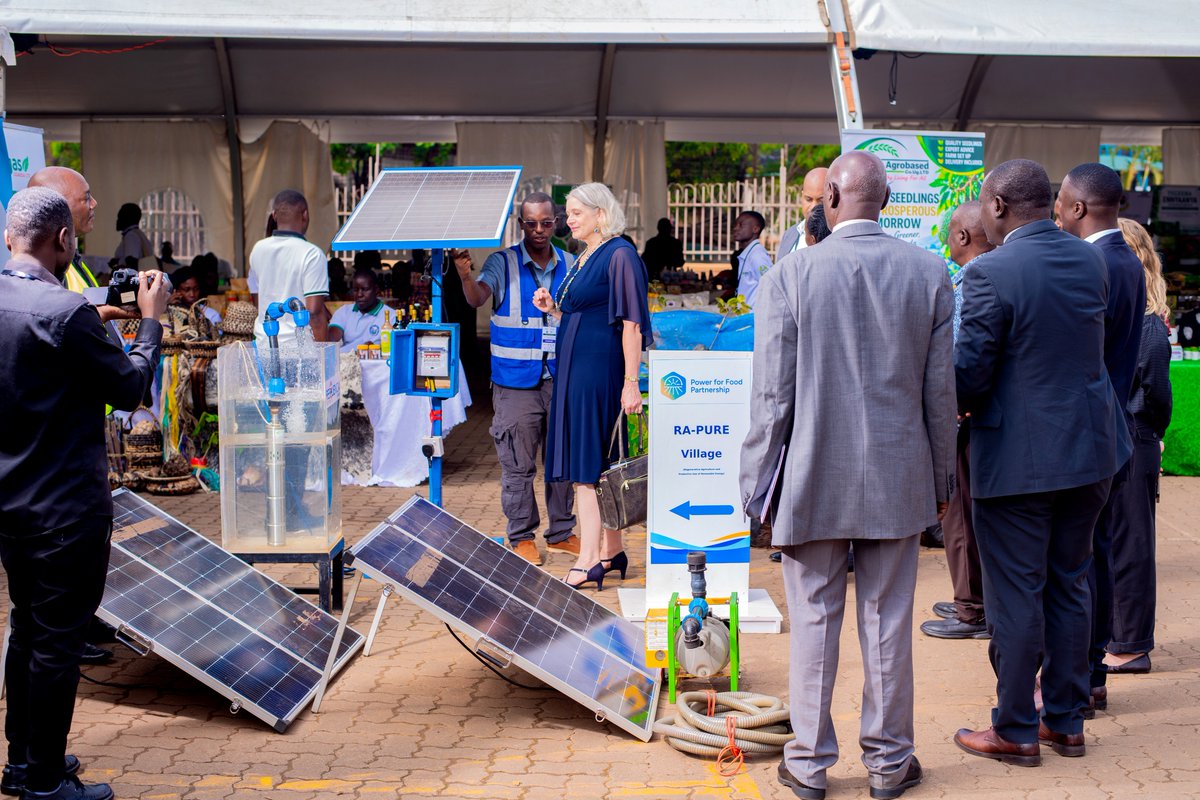
The discussions continued through hands-on clinics on soil sampling, composting, shade-tree design & soil and water conservation. #OrganicWeek#NOW2026#ONE2026#NOGAMU
𝗧𝗛𝗘 𝗠𝗢𝗦𝗧 𝗜𝗡𝗧𝗘𝗥𝗘𝗦𝗧𝗜𝗡𝗚 𝗣𝗔𝗥𝗧 𝗢𝗙 𝗧𝗛𝗘 𝗖𝗢𝗡𝗙𝗘𝗥𝗘𝗡𝗖𝗘 𝗗𝗜𝗗 𝗡𝗢𝗧 𝗛𝗔𝗣𝗣𝗘𝗡 𝗢𝗡 𝗦𝗧𝗔𝗚𝗘.
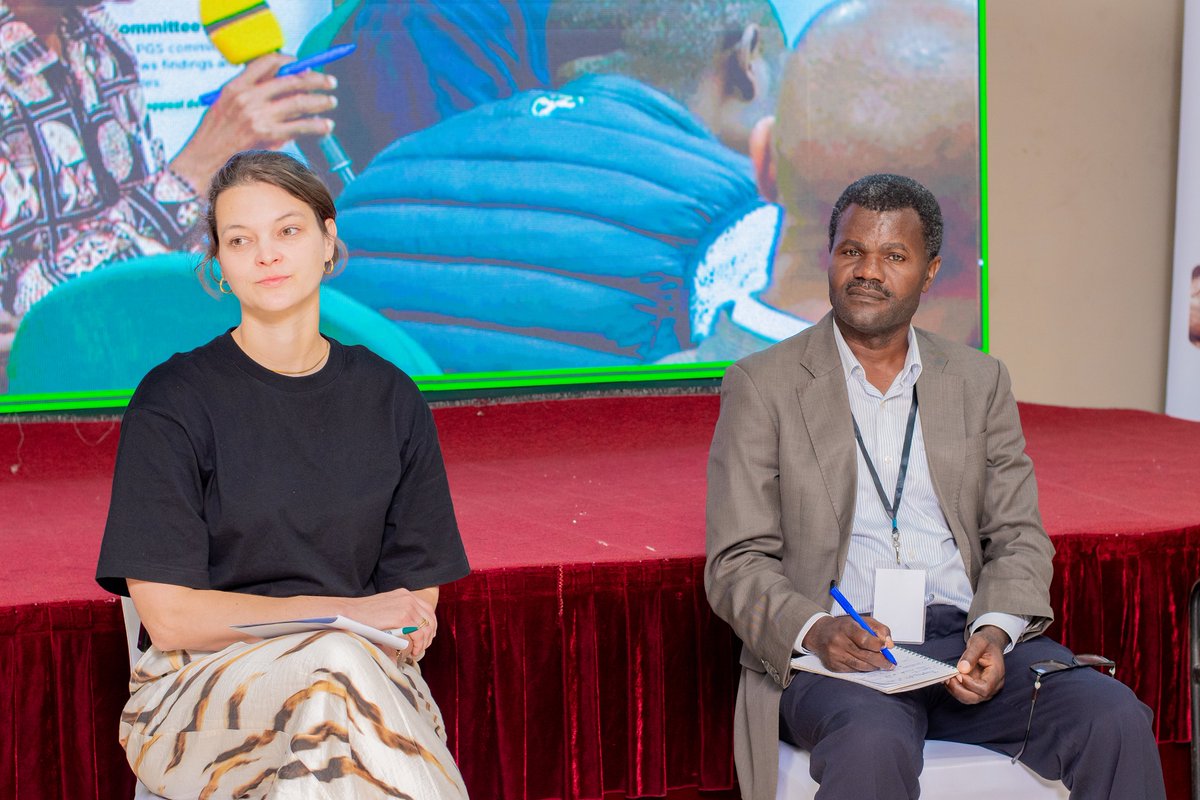
During the World Café at NOW & ONE 2026, participants exchanged ideas on soil health, agroforestry, certification, finance and market access.
Different landscapes need different solutions, from mulching and shade trees to erosion control and farm diversification.
The key question is: What does each landscape actually need?
Regeneration must be locally driven before it can scale.
#NOW2026#ONEAfrica#RegenerativeCoffee
YOU CANNOT REGENERATE A LANDSCAPE WITH A COPY AND PASTE SOLUTION
During Regenerative Coffee Day, discussions highlighted why regenerative agriculture must respond to local conditions. Research in Greater Masaka showed varying challenges across Kalungu, Lwengo, Rakai & Kyotera.
Regenerative Practices assessment highlighted a key lesson: adoption requires more than asking farmers to change. Training, advisory services, inputs, finance & market access are essential.
Scaling regenerative agriculture means strengthening the entire ecosystem around farmers.
What Happens When We Measure Regenerative Agriculture?
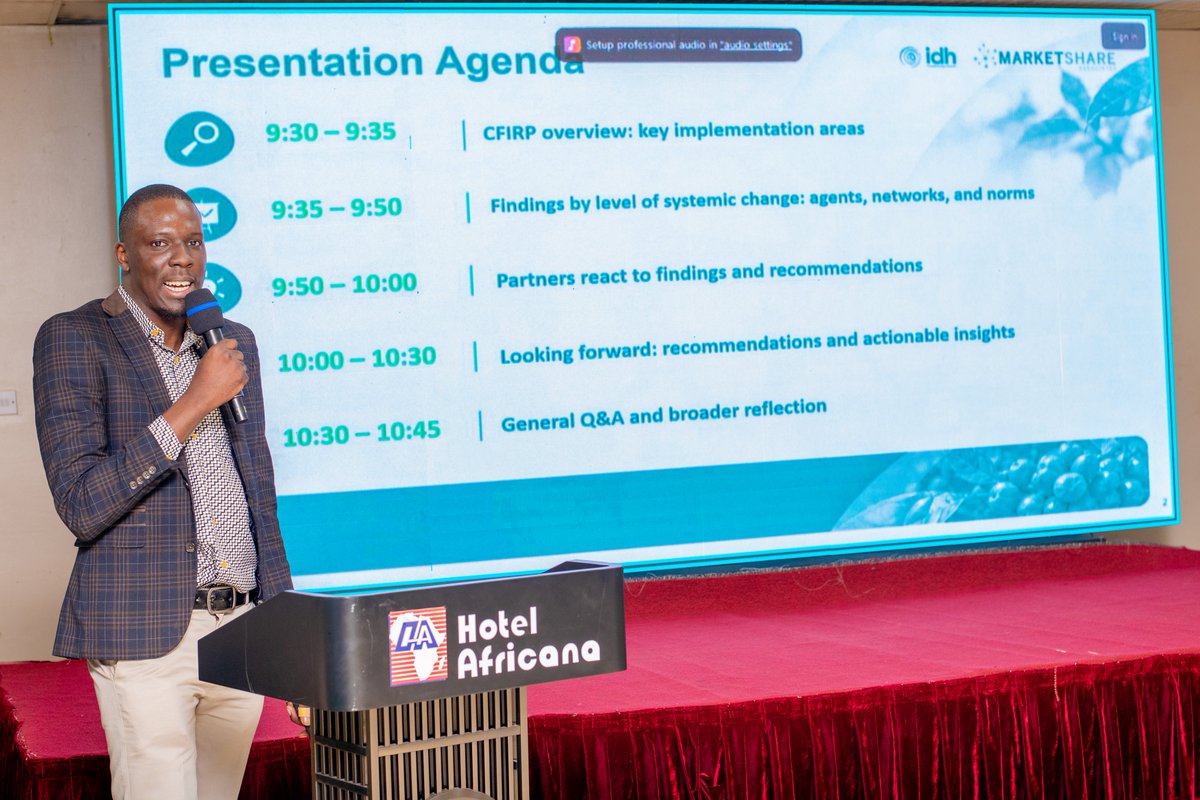
During Regenerative Coffee Day, Mr. Conrad Buluma of Market Share Associates shared findings from an assessment of IDH's Coffee Farmer Income Resilience Programme in Uganda and Kenya, highlighting increased adoption of.....
"Africa must not only produce for the world. Africa must also trade with Africa."
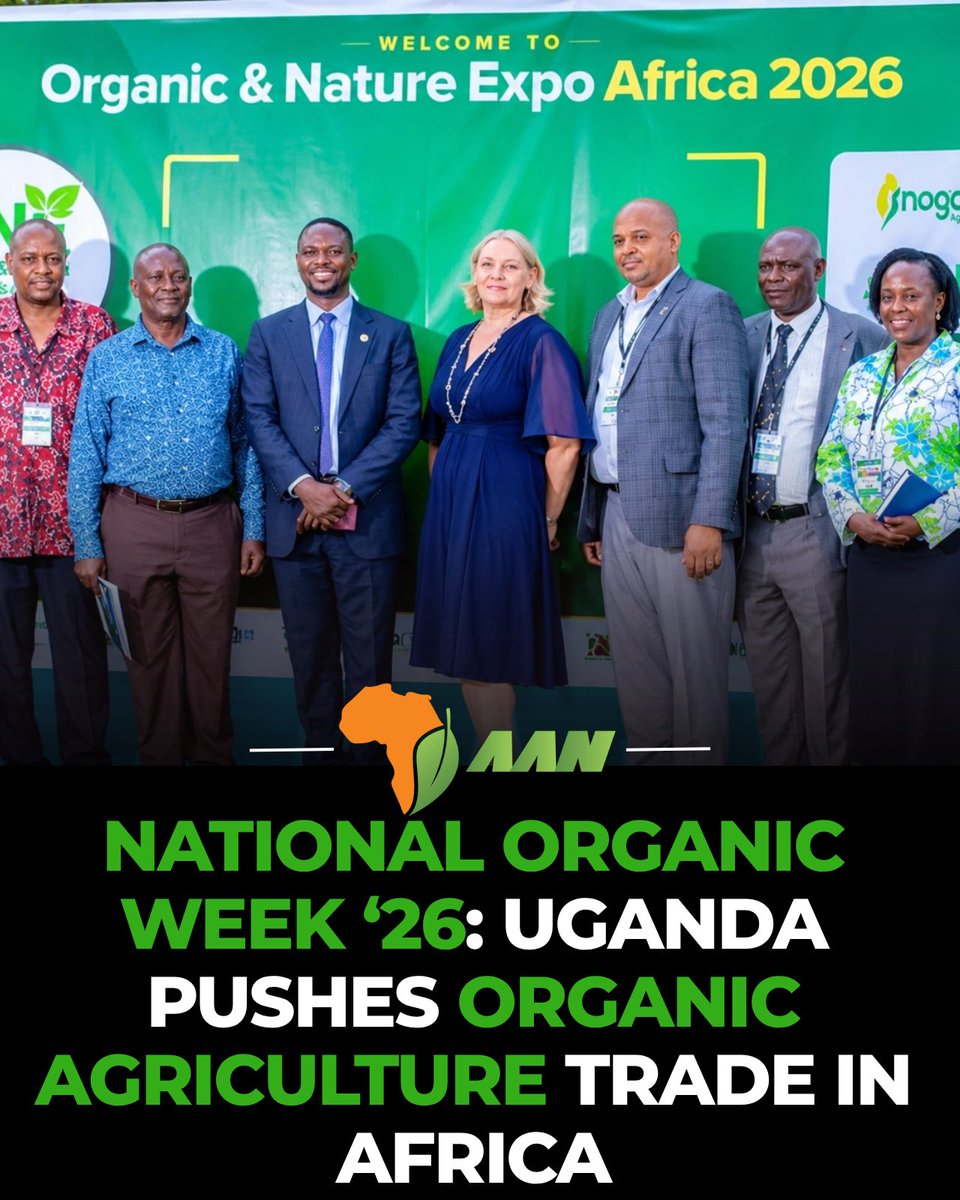
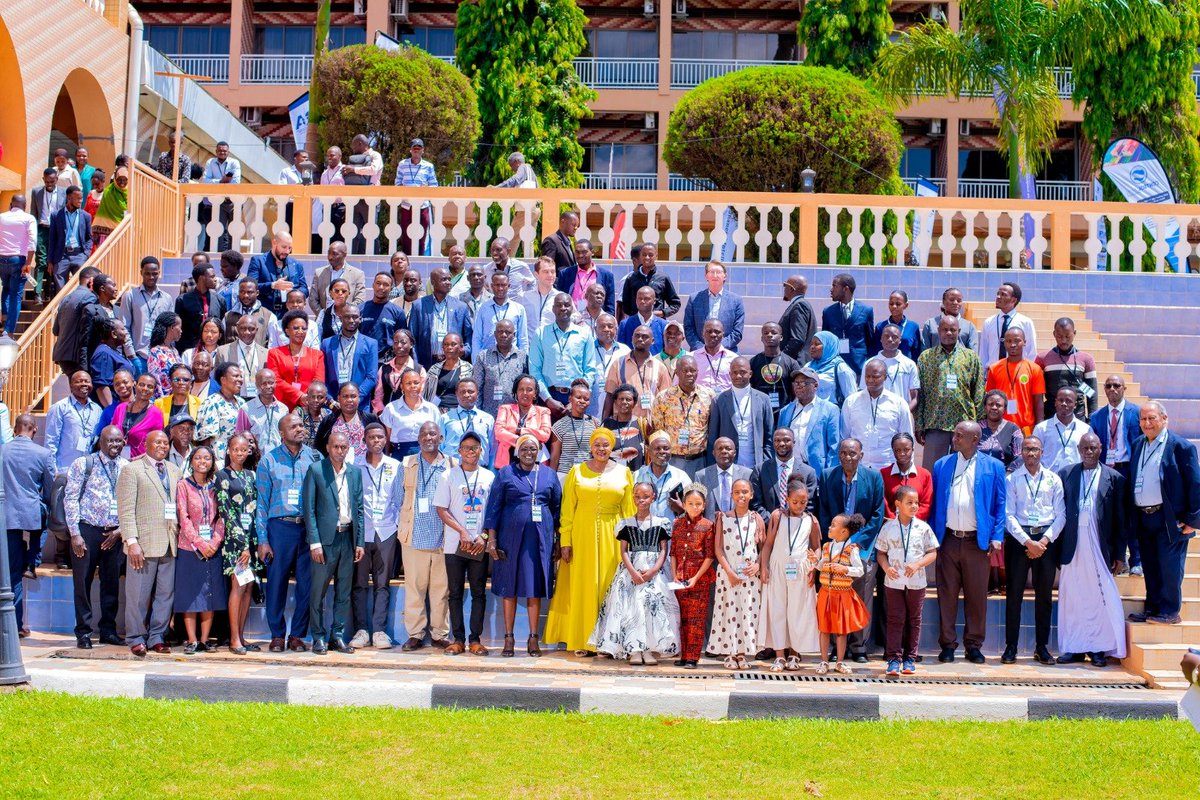
This statement, made at the opening of National Organic Week 2026 and the Organic and Nature Expo Africa (NOW & ONE 2026), captured the central question of the four days in Kampala (4 to 7 November): how can organic and regenerative agriculture move from good policy intentions to real commercial value for African farmers?
The event was organised by the National Organic Agriculture Movement of Uganda (NOGAMU) with the Ministry of Agriculture, Animal Industry and Fisheries (MAAIF) and the African Organic Network (AFRONET), under the theme "Organic and Regenerative Innovations: Africa's Competitive Edge."
What stood out:
1. Policy is moving, but incentives must follow.
Government reaffirmed its backing for organic agriculture, and consultations on the regulatory impact assessment are expected to reach validation in the last week of November 2026. Minister Frank Tumwebaze was candid that legislation alone cannot drive adoption. Farmers need clear incentives, practical support and consistent messaging.
2. Trust is the currency of trade.
The launch of the Kilimohai Agroecology (Blue) Mark alongside the established Green Mark gives the region two credible routes to assurance: one built on compliance with an organic standard, the other on continuous improvement through farmer-led assessment. Mr Samuel Ddungu stressed that harmonised standards, mutual recognition and traceability will determine whether these marks can open intra-African markets.
3. Value, not just volume.
Dr Million Belay of the Alliance for Food Sovereignty in Africa reminded delegates that certification inside an unjust economy is not yet transformation. Who owns the processing, who sets the price and who captures the margin matter as much as the label on the product.
4. Regenerative coffee shows both the promise and the pressure.
Conrad Buluma of Market Share Associates reported that farmers nearly doubled the regenerative practices they use between 2021 and 2025, while participating companies sourced about 8,200 tonnes against a 7,500-tonne target. At the same time, Flavia Birunji of Solidaridad noted that Greater Masaka lost about 32,292 hectares of tree and dense vegetation cover between 2015 and 2025, and that 59% of coffee farmers depend on coffee as their main income.
Our take at AAN:
The evidence from the coffee sector is encouraging because it links ecological restoration with income, which is what will convince farmers to stay the course. The hard part now is delivery. Regional aggregation centres, affordable finance, accredited training such as the NOGAMU Organic Academy, and buyers who are ready to pay for quality will decide whether the ambition in Kampala becomes trade across borders. The test of this momentum will be what is implemented in the months ahead, not what was pledged on stage.
We thank the organisers, speakers and partners for a rich and practical conversation.
Read more: https://t.co/VgvqfKItPy
#OrganicAgriculture #RegenerativeAgriculture #Agroecology #NOWONE2026
The focus should be on healthier soils, biodiversity, resilience and better farmer livelihoods.
Maren also emphasised the need to communicate these positive outcomes clearly to buyers.
Beyond labels, the story of what sustainable farming restores and improves matters.
#NOW2026
𝗢𝗥𝗚𝗔𝗡𝗜𝗖 𝗢𝗥 𝗥𝗘𝗚𝗘𝗡𝗘𝗥𝗔𝗧𝗜𝗩𝗘? 𝗠𝗔𝗬𝗕𝗘 𝗧𝗛𝗔𝗧 𝗜𝗦 𝗧𝗛𝗘 𝗪𝗥𝗢𝗡𝗚 𝗤𝗨𝗘𝗦𝗧𝗜𝗢𝗡.
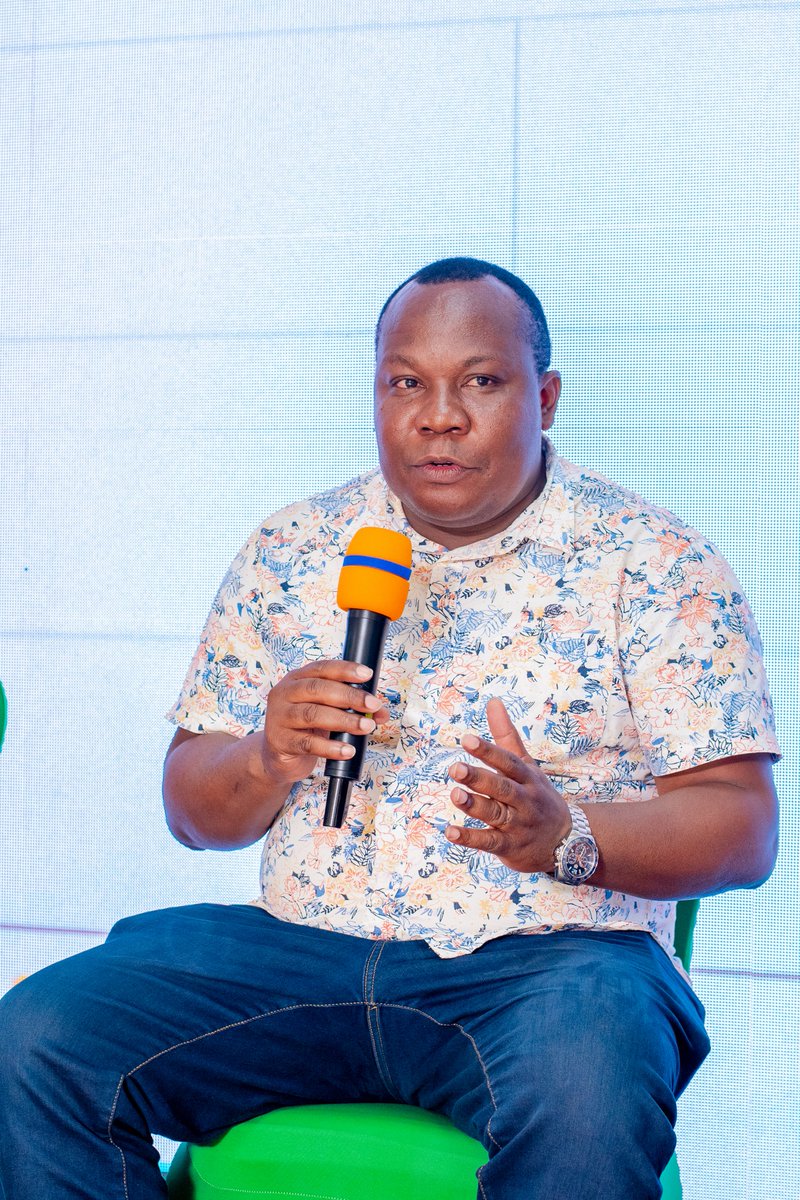
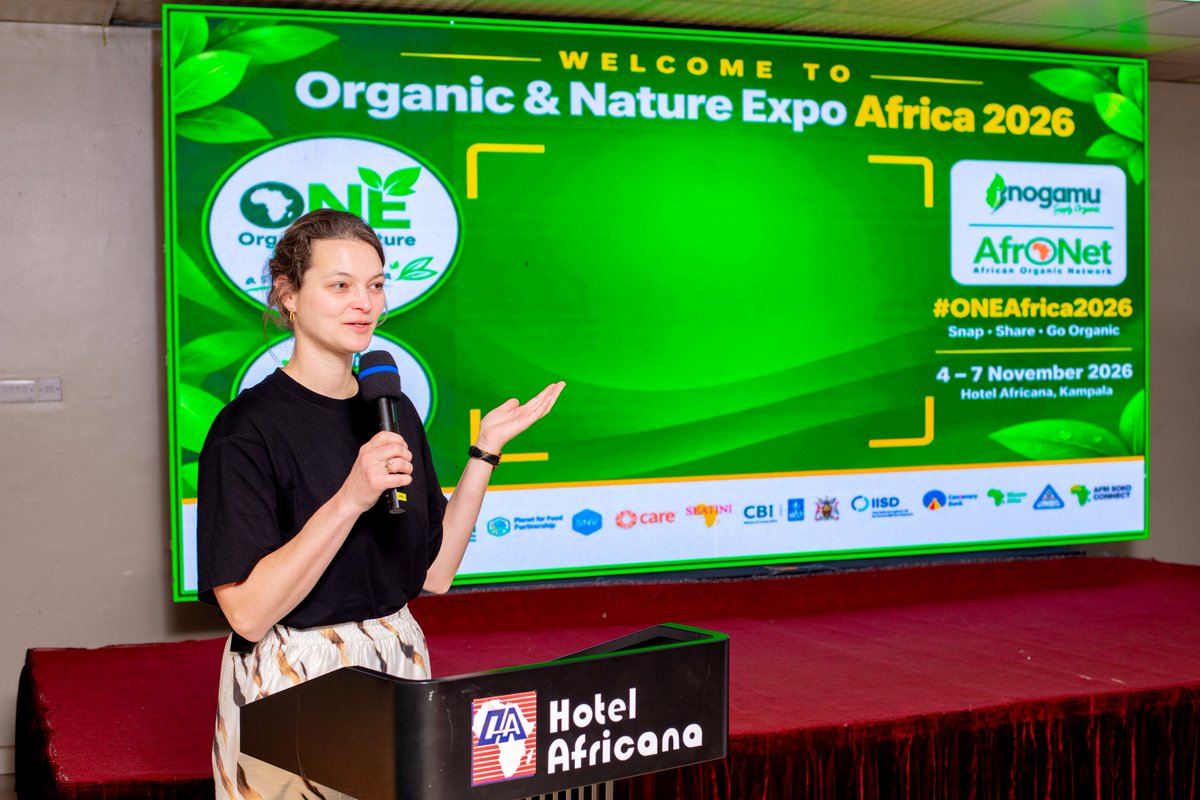
At NOW & ONE 2026, Maren Peters of Tradin Organic challenged the sector to look beyond the debate and focus on the outcomes both approaches can deliver.
Farmers invest in soil health, biodiversity& sustainable production. But who buys,finances & rewards their efforts?
Scaling regenerative agriculture requires more than farmers commitment,Markets, finance, technology, extension services & reliable buyers must also play their part
𝗙𝗔𝗥𝗠𝗘𝗥𝗦 𝗖𝗔𝗡 𝗠𝗔𝗞𝗘 𝗧𝗛𝗘 𝗖𝗛𝗔𝗡𝗚𝗘. 𝗕𝗨𝗧 𝗠𝗔𝗥𝗞𝗘𝗧𝗦 𝗠𝗨𝗦𝗧 𝗛𝗘𝗟𝗣 𝗠𝗔𝗞𝗘 𝗜𝗧 𝗣𝗔𝗬
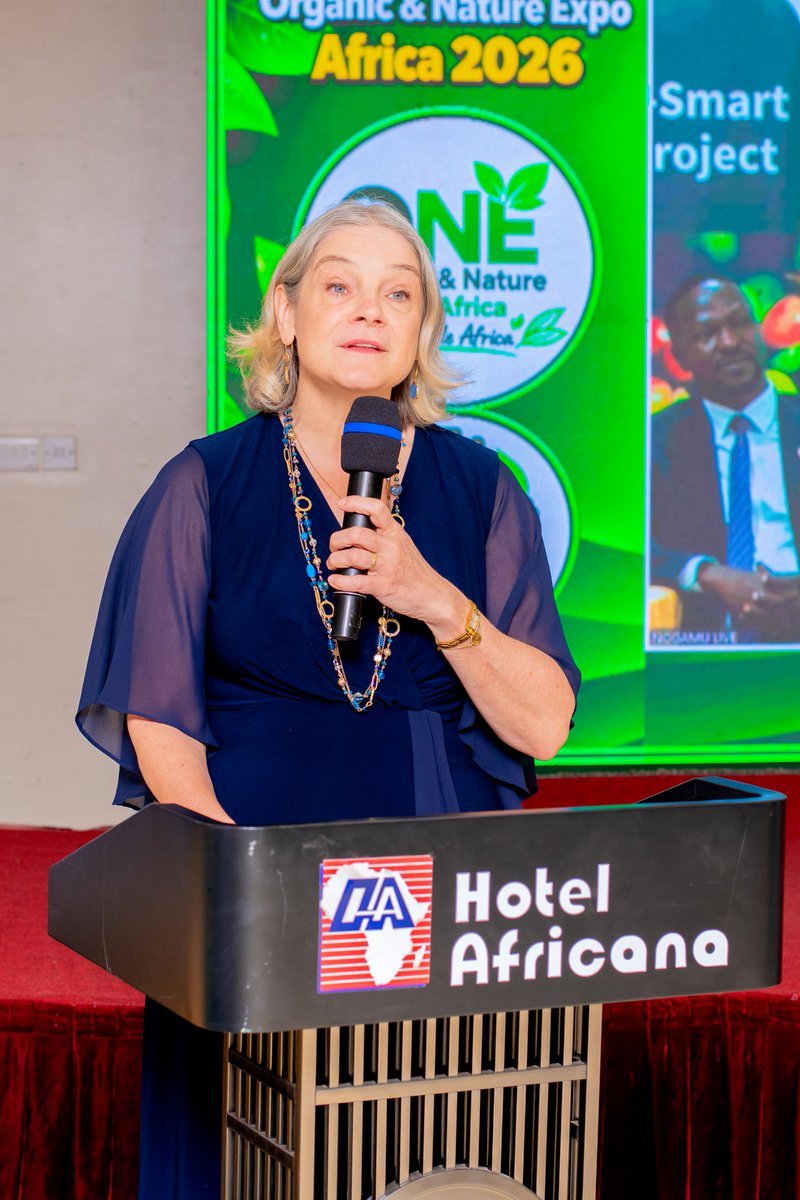
At NOW & ONE 2026, H.E. Samura Angele, Ambassador of the Netherlands, highlighted the need to ensure farmers benefit economically from adopting sustainable practices.
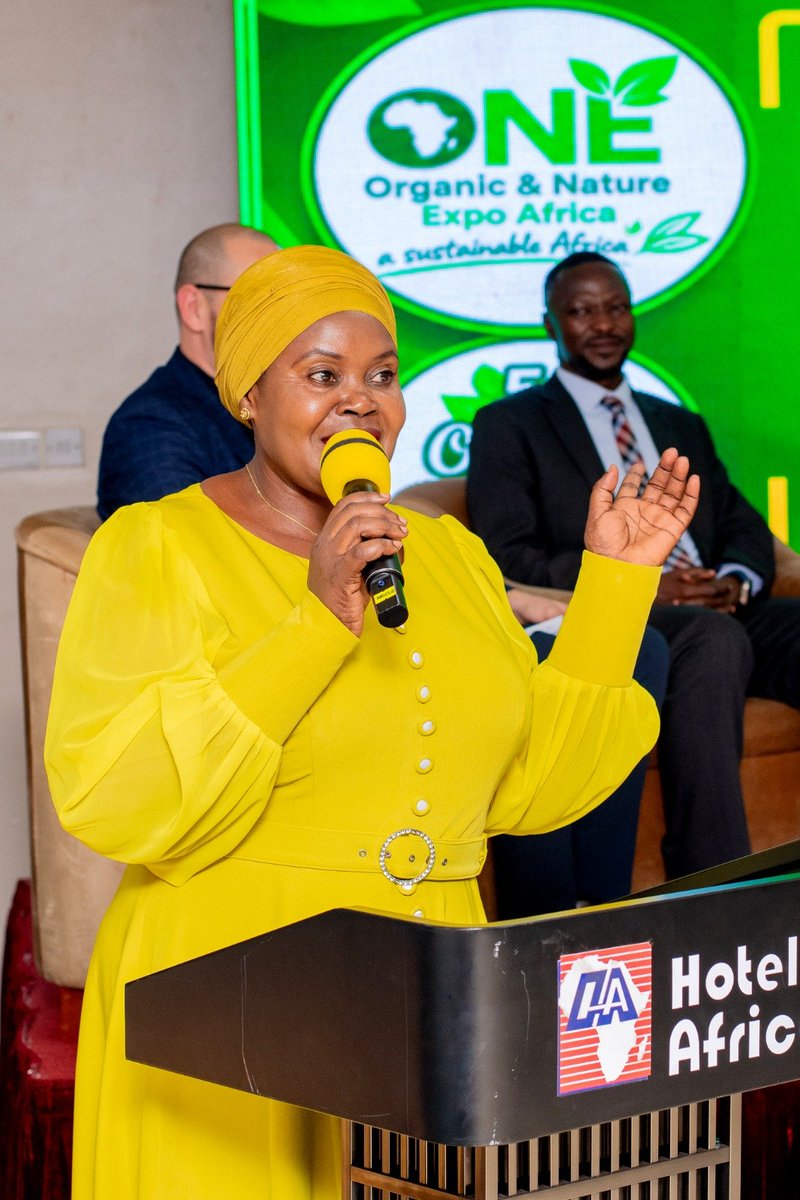
At the launch of ONE-Africa, 𝗛𝗼𝗻. 𝗙𝗿𝗮𝗻𝗸 𝗧𝘂𝗺𝘄𝗲𝗯𝗮𝘇𝗲 called for greater investment in organic agriculture, farmer education and extension services. The ambition is bigger: to build a leading African marketplace for organic, regenerative & nature-positive businesses
What if Africa Had its own Major Market Place for Organic & Natural Products?
That is the vision behind ONE-Africa: connecting African producers, buyers, processors, investors and technology providers while opening new market opportunities.
#NOW2026#OrganicWeek
𝗥𝘁. 𝗛𝗼𝗻. 𝗥𝘂𝗸𝗶𝗮 𝗜𝘀𝗮𝗻𝗴𝗮 𝗡𝗮𝗸𝗮𝗱𝗮𝗺𝗮 called for greater focus on quality, value addition, competitiveness & intra-African trade.
Africa must not only produce for the world but also trade within the continent and create wealth for its people.
#NOW2026#ONEAfrica
𝗔𝗙𝗥𝗜𝗖𝗔 𝗛𝗔𝗦 𝗔 𝗠𝗔𝗥𝗞𝗘𝗧 𝗖𝗢𝗡𝗡𝗘𝗖𝗧𝗜𝗢𝗡 𝗖𝗛𝗔𝗟𝗟𝗘𝗡𝗚𝗘.
This was a key reflection from Day 1 of NOW & ONE 2026.
Africa produces coffee, cocoa, vanilla, fruits, herbs & other valuable products. But production alone does not guarantee prosperity.
From farm to global markets: Rwabwogo champions a smarter future for Organic Agriculture
The Senior Presidential Advisor Odrek Rwabwogo, alongside the Minister of Agriculture, Animal Industry and Fisheries, Hon. Frank Tumwebaze, today launched the Kilimohai Agroecology Blue Mark, a groundbreaking verification tool that goes beyond traditional organic labels to validate sustainable farming practices, strengthen consumer confidence, and expand market opportunities for smallholder farmers.
Speaking at the Organic & National Expo Africa 2026 at Hotel Africana, Rwabwogo highlighted two key drivers of organic agriculture growth: health and market value.
He underscored the importance of preventive nutrition through affordable organic foods, vegetables, and fibre-rich crops, noting that rising global demand for healthy products presents enormous opportunities for Uganda's farmers and agribusinesses.
Rwabwogo also called for stronger food safety systems, including the establishment of a centralized food safety authority to oversee certification, standards, documentation, and quality assurance across the food value chain.
On market access, he challenged producers to adopt a market-driven approach.
"Don't produce things hoping someone will buy. The need for market research, buyer identification, compliance with international standards, and proper documentation, poor records can lock businesses out of lucrative export markets even when product quality meets required standards". He said.
To scale the organic sector, he advocated for improved financing, efficient transportation, better storage infrastructure, and the establishment of product-based centres offering cold storage, drying facilities, training, data collection, and specialised logistics support.
Rwabwogo further urged farmers, businesses, and industry stakeholders to embrace collective action, stressing that collaboration is essential to achieving the scale, consistency, and competitiveness required in global markets.
His message was clear: Uganda's organic agriculture sector holds immense health and economic potential, but real growth will depend on market intelligence, compliance, infrastructure investment, and working together.
He also encouraged visitors to explore more of Uganda and experience the opportunities beyond the cities by visiting the countryside.
PELUM Uganda&her Member Organisations through KHEA Project is glad to be part of National Organic Week2026 currently on from 4-7 Nov organised by NOGAMU under theme,“Organic&Regenerative Innovations:Africa's Competitive Edge—connecting farmers,businesses,policymakers&investors.”
During the expo, Mr. @OdrekRwabwogo , the Senior Presidential Advisor for special duties called for stronger food safety systems, strategic market development and collective action to unlock the potential of organic agriculture in Uganda and across Africa.
Mr. @OdrekRwabwogo highlighted two major incentives driving the organic market as the health incentive and the price incentive.
On the health incentive, he emphasized the importance of preventive nutrition through affordable organic foods, vegetables and fibre-rich crops, noting that the growing global demand for health products presents a significant opportunity for organic producers and businesses.
He called for the establishment of a centralized food safety authority to oversee certification, documentation and quality standards across the food value chain and pointed to a proposed bill expected in Parliament in August or September to establish this authority, emphasizing the need for coordinated oversight, education and accountability.
On market access, he urges farmers and businesses to stop producing goods in the hope that someone will eventually buy them.
"Don't produce things hoping someone will buy. It doesn't work that way, because people don't come to you because you are Uganda or Africa. People come to you because you have a better product, or you know how to reach them," he says.
Organic Agriculture: Agriculture Minister Hon. Frank Tumwebaze (@FrankTumwebazek ) officially launched an identifier for organic agricultural products at the 2026 Organic and Nature Expo Africa in Kampala.
The identifier which is known as "Kilimohai Agroecology Blue Mark" is a regional verification label for East Africa that recognizes food produced using agroecological principles (farming with nature).
This mark is applied alongside another known as the "Kilimohai Green Mark."
The difference between these two marks is that while the green mark is used to certify organic products, the Blue Mark focuses on verifying everyday farming practices which are applied by farmers to produce these products, in line with agroecology.
The application of these practices is traced using a tool known as "The Kilimohai Agroecology Assessment Tool (KAAT)."
The expo was organized by the National Organic Agricultural Movement of Uganda (NOGAMU) in collaboration with MAAIF and partners including @SEATINIUGANDA .
NOGAMU is the umbrella body coordinating organic agriculture stakeholders across the country, from smallholder farmers to exporters and processors.
#AgricultureUG