Joining the 2026 DPS meeting? 🪐 On Sun Oct. 25, take part in a FREE, one-day workshop exploring data from the NSF–DOE @VRubinObs! Open to all DPS attendees. Attending virtually? You can join online: https://t.co/eQAbC4q8Ik
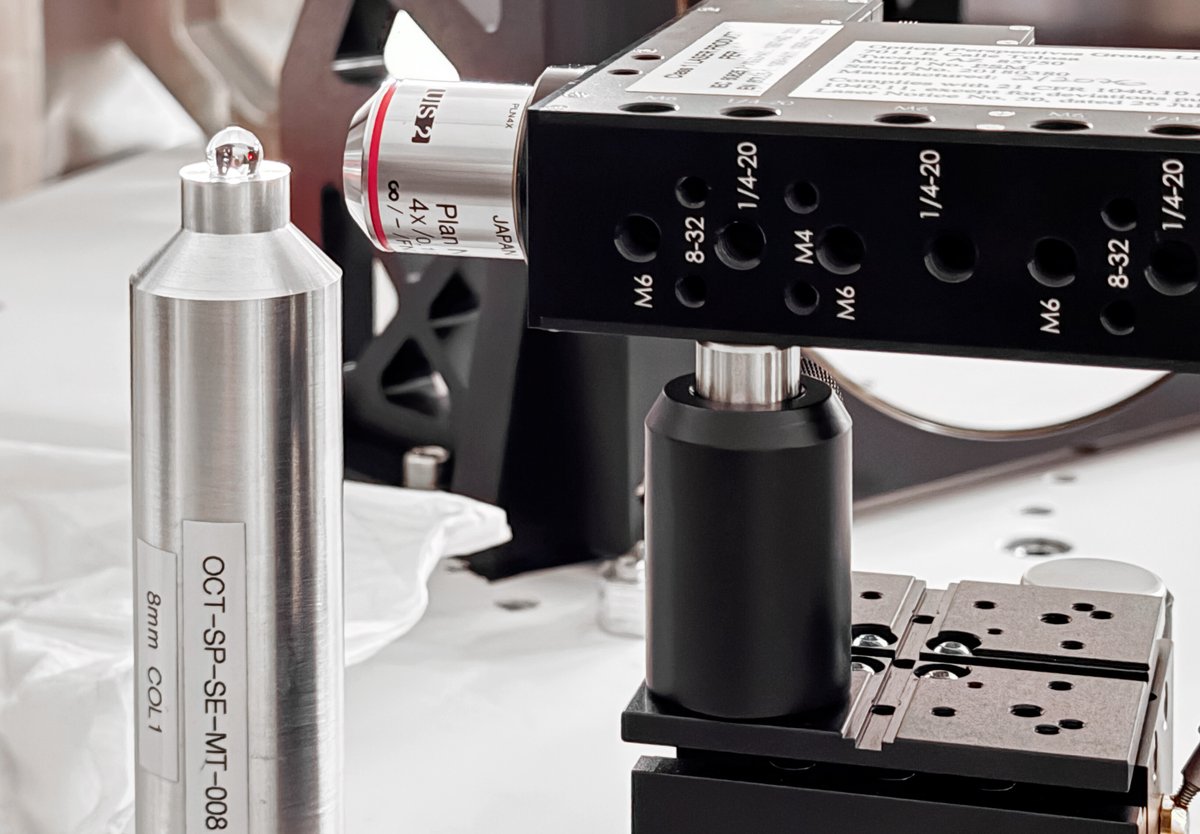
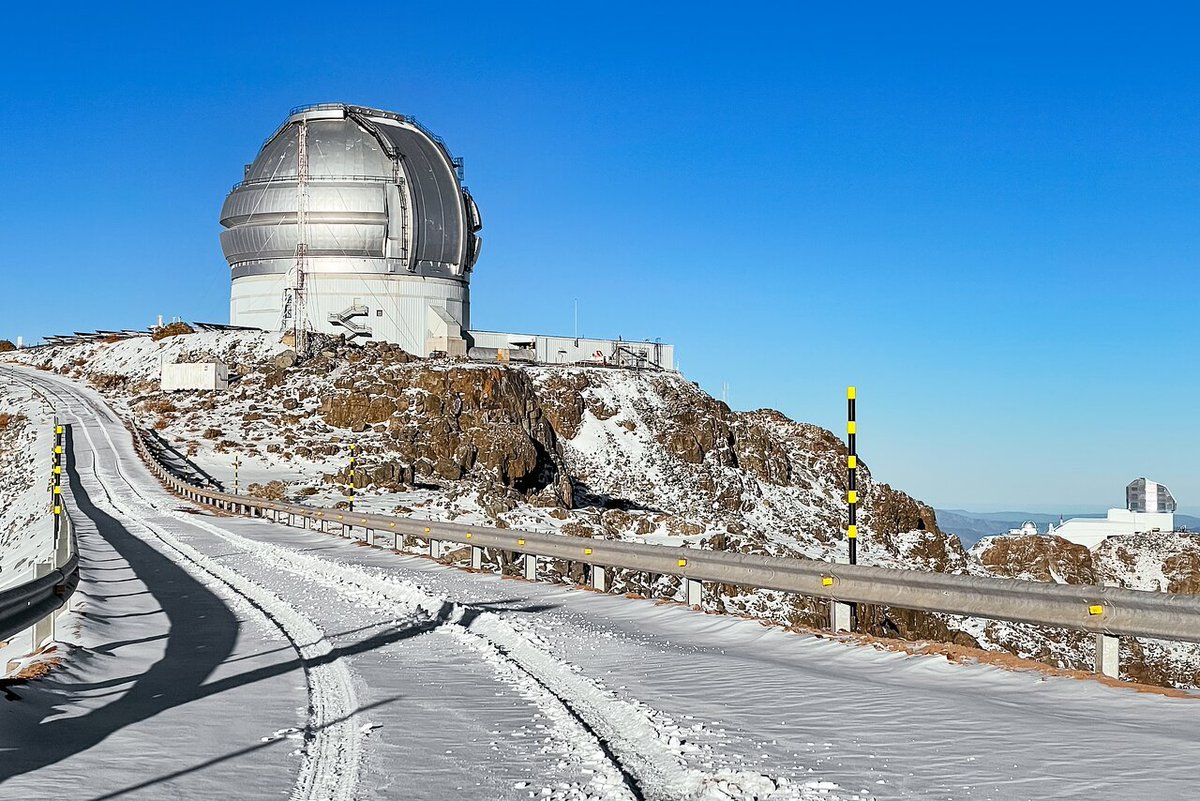
🦂🔭 SCORPIO has arrived in Chile!
The new facility-class instrument for the Gemini South telescope will provide powerful imaging and spectroscopic capabilities for studying rapidly changing phenomena across the Universe.
🔗 https://t.co/6Tavw1yFzy
📷@GeminiObs/NOIRLab/NSF/AURA
New on NOIRLab Stories 🔍🌌
Using data from the DESI Legacy Imaging Surveys and AI-assisted searches, astronomers identified 76 gravitational lens candidates and used observations from the Very Large Telescope to confirm 70 of them as real.
Read more: https://t.co/VC5T78r51a
Unlock the universe with NSF's @NOIRLabAstro datalab archival data! Take a look at our vast catalog of images, spectra, and survey data that may help accelerate your discovery
🔗 https://t.co/ig0Mw4ZieN
AURA and NOIRLab welcome Dr. Beth Willman as the Interim Director of NOIRLab. Dr. Willman will take over from Dr. Pat McCarthy on 5 October 2026 while AURA begins the search for a new permanent Director. (1/2🧵)
NSF's @NOIRLabAstro@usngo will be hosting a online dragons data reduction session on Oct. 6 (10AM MST) and 7 (6PM MST). Sign up here- https://t.co/7j16d6HgJh
Well, that went by fast 👀
NSF @NOIRLabAstro is turning 7!
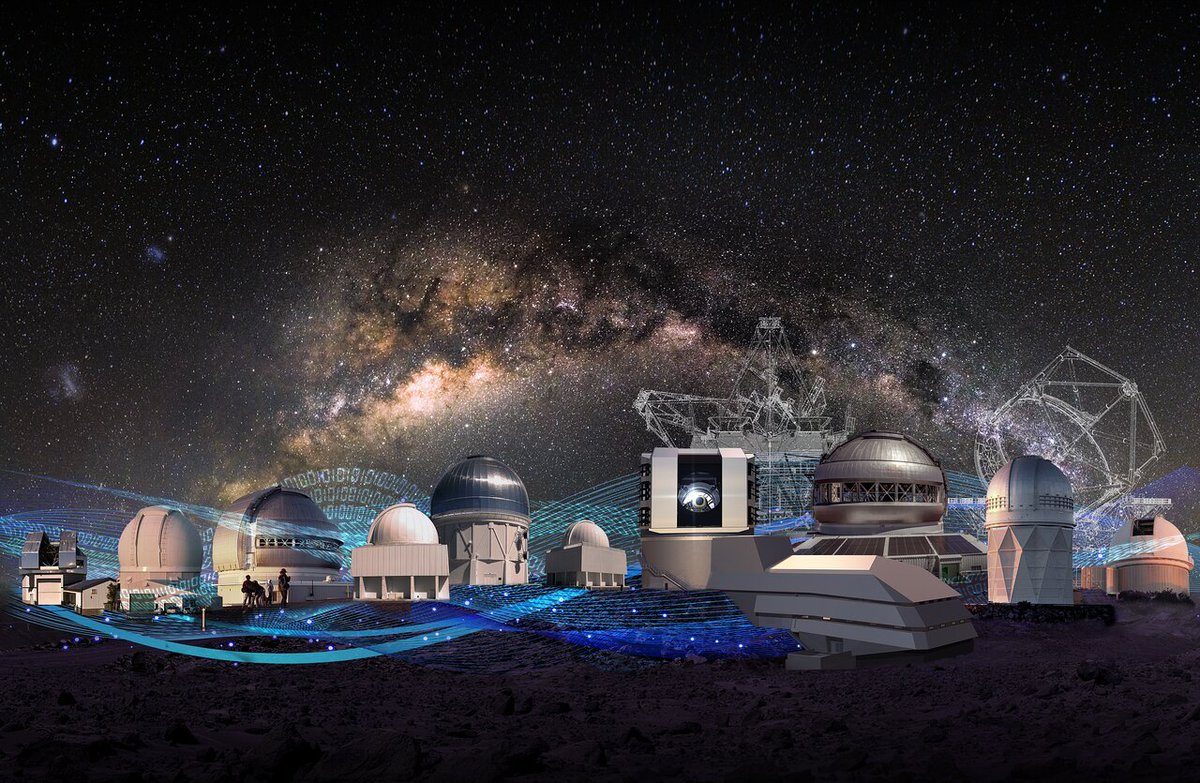
In 2019, observatories and programs across Chile, Arizona, and Hawaiʻi came together under NSF NOIRLab as one national center for nighttime astronomy.
Here’s to our amazing staff who make it all possible! 🎉
@GeminiObs FT review process has new guidelines on the use of AI, to ensure the confidentiality of each proposal. Please review them here- https://t.co/Js89SfNDUQ
🚨 @GeminiObs South is back on sky! 🔭
After the severe storm, intense recovery efforts allow us resume telescope operations. 🌌
Link- https://t.co/nXckw0zGGA
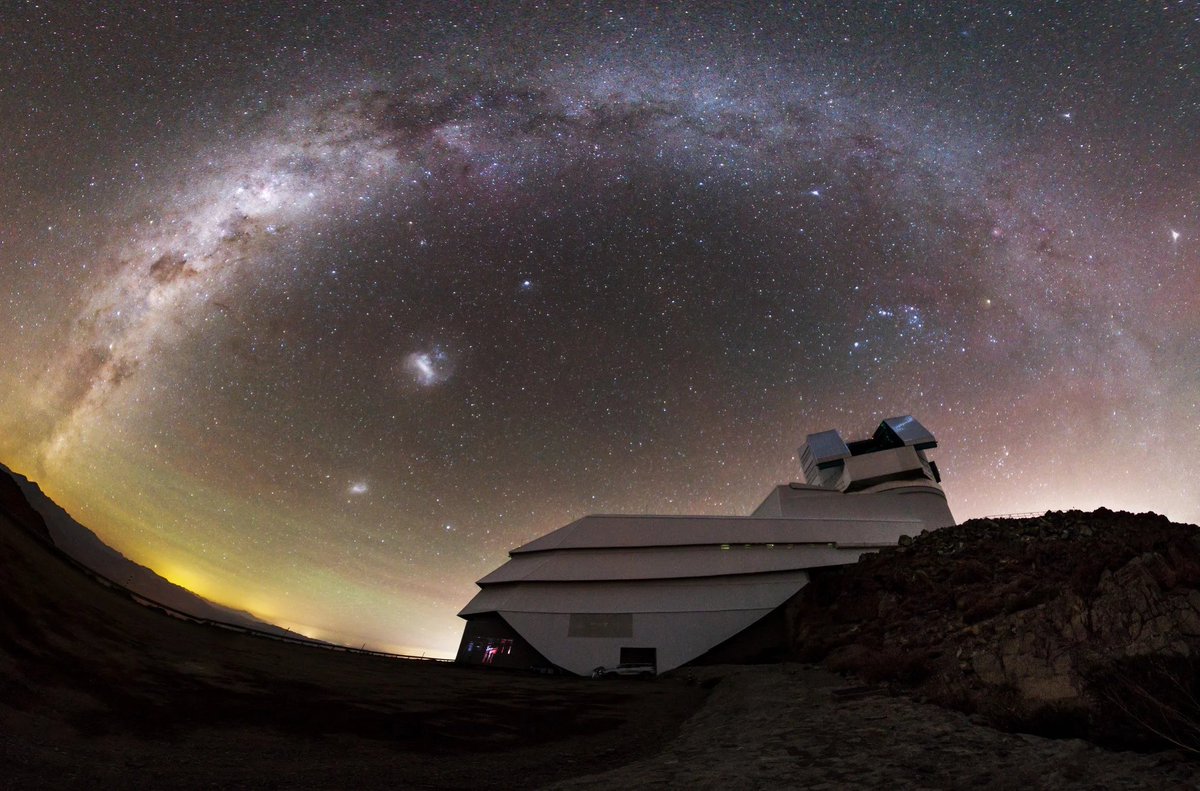
One year in, the @NSF–DOE @VRubinObs is transforming how we see the Universe. 🔭✨
From galaxies to asteroids and nightly alerts, Read more in this featured Science article-https://t.co/pdS5UURKTc
📢 NSF's @NOIRLabastro Call for Proposals is now open!
Have a science case that needs time on NOIRLab facilities? Now is the time to turn your ideas into an observing proposal. 🔭
For details:
https://t.co/tUbu7Z4Ax9
We rate this image ⭐️⭐️⭐️⭐️⭐️⭐️⭐️
NSF–DOE @VRubinObs joins the epic Pleiades star cluster in this 📸, created by stacking 20 background and 10 foreground images.The 7 bright stars of the asterism are clearly visible.
📸NSF-DOE @VRubinObs/NOIRLab/SLAC/NSF/DOE/AURA/H. Stockebrand
Are you passionate about astronomy, observational science, and advanced instrumentation?
We are seeking an Assistant Queue Observer in Tucson, Arizona to support operations of the NEID spectrograph.
Apply here: https://t.co/Wur8aAJf0H
⚠️ @GeminiObs GMOS-N users: a known hot column on amplifier 5 has become more prominent following the 15 August 2026 preventative thermal cycle.
Read more https://t.co/QLFrLqsEb6
@NOIRLabAstro's Chilean observatories are close to normal operations following the severe July storms.
🔭 SOAR and the Blanco 4-meter Telescope have resumed science operations. 🛠️ @VRubinObs and @GeminiObs South are into scheduled maintenance. 🔗https://t.co/jalwem5mfE
📣 NSF's @NOIRLabAstro@GeminiObs IGRINS-2 data are now being automatically reduced daily and are available in the archive!
🔭 Get rapid access to both raw & reduced data via https://t.co/IUnvftG92b.