BREAKING: The largest 3D map of the Universe is now complete 🌌
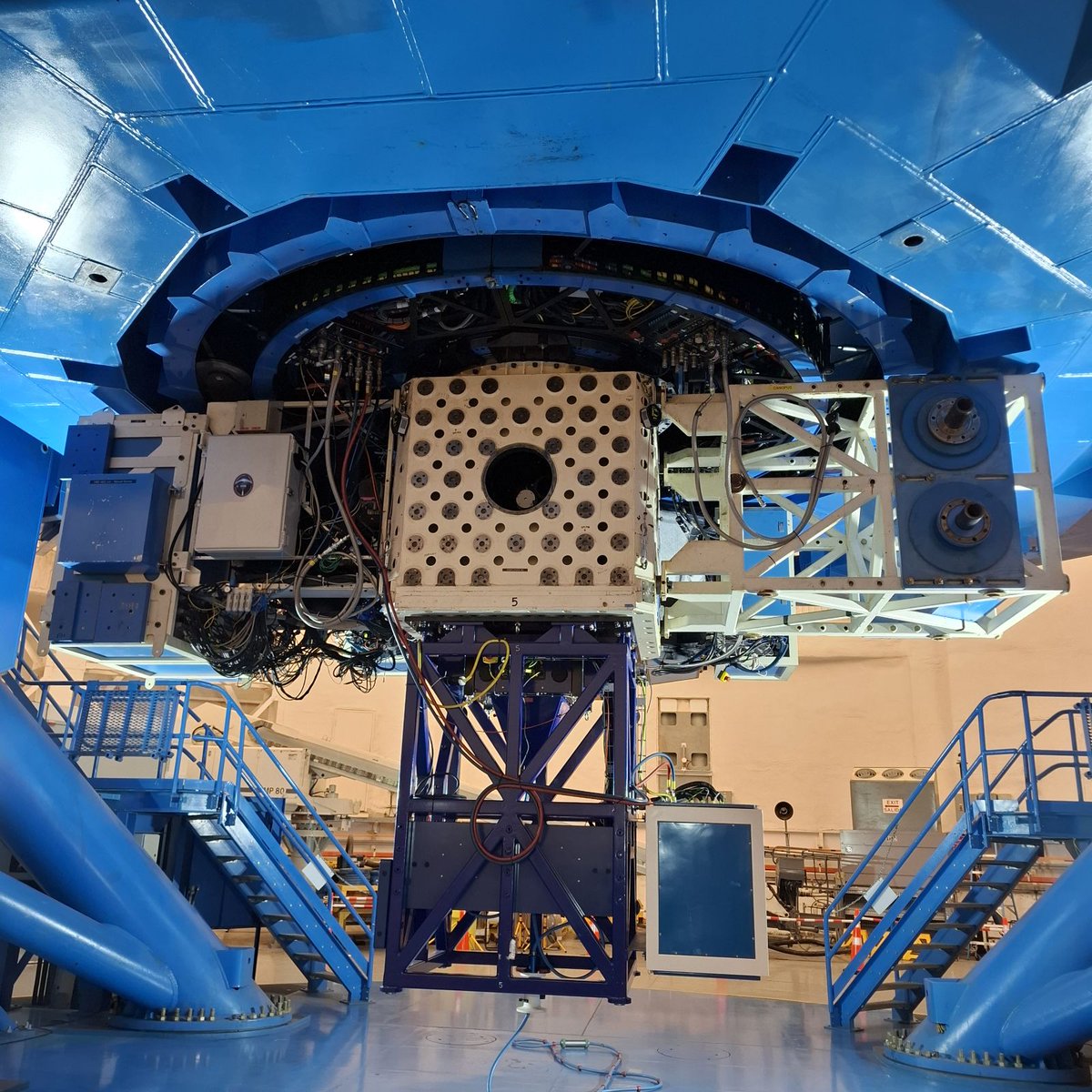
Last night @desisurvey, mounted on the Nicholas U/ Mayall 4 meter telescope at @KittPeakNatObs, finished its 5-year survey of the cosmos, mapping 47M+ galaxies and quasars.
🔗https://t.co/ypVX7edRqW
A blazing meteor pops into the sky above NSF @KittPeakNatObs, a Program of NOIRLab. Meteors are visible in the sky for just a few seconds, so they take skill and a bit of luck to capture on camera.
📸: KPNO/NOIRLab/NSF/AURA/P. Horálek
🪐 Astronomers found the strongest evidence yet that some exoplanets may have magnetic fields.
Using @Geminiobs North and ESO’s Very Large Telescope, researchers measured winds on 7 ultra-hot giant exoplanets 🔭
🔗https://t.co/I9RsXs8M5K
📷: @GeminiObs/NOIRLab/NSF/AURA
🌌 The Whirlpool Galaxy looks very different depending on how you observe it.
Observations in visible light from the KPNO 2.1-meter Telescope reveal dark dust lanes. Observations in infrared light make that dust glow ✨
📷 NASA/JPL-Caltech and NOAO/AURA/NSF
The constellation Gemini shares its name with the International @GeminiObs telescopes in Hawai‘i and Chile. These twin 8.1-meter observatories give astronomers access to the entire sky. ✨ #GeminiSeason
📷: Gemini Observatory/NOIRLab/AURA/NSF/A. Hara
🌕 This nighttime view from NSF @CerroTololo only looks like daytime because of long-exposure photography ✨
Also visible: the Milky Way, the Magellanic Clouds, and Canopus above the telescopes.
📷: CTIO/NOIRLab/NSF/AURA/P. Horálek
🌌👀 Spot the moving lights
Perched on Maunakea, Hawaiʻi, the Gemini North telescope—one half of the International Gemini Observatory—uses its 8.1-meter mirror to explore everything from nearby planets to distant galaxies 🔭
📹: International Gemini Observatory/NSF/AURA
This patch of sky is packed with stars and dust, but it’s only a small slice of the Dark Energy Camera Plane Survey 2, which catalogued 3.32 billion celestial objects.
📷: DECaPS2/DOE/FNAL/DECam/CTIO/NOIRLab/NSF/AURA
Image processing: M. Zamani & D. de Martin (NSF NOIRLab)
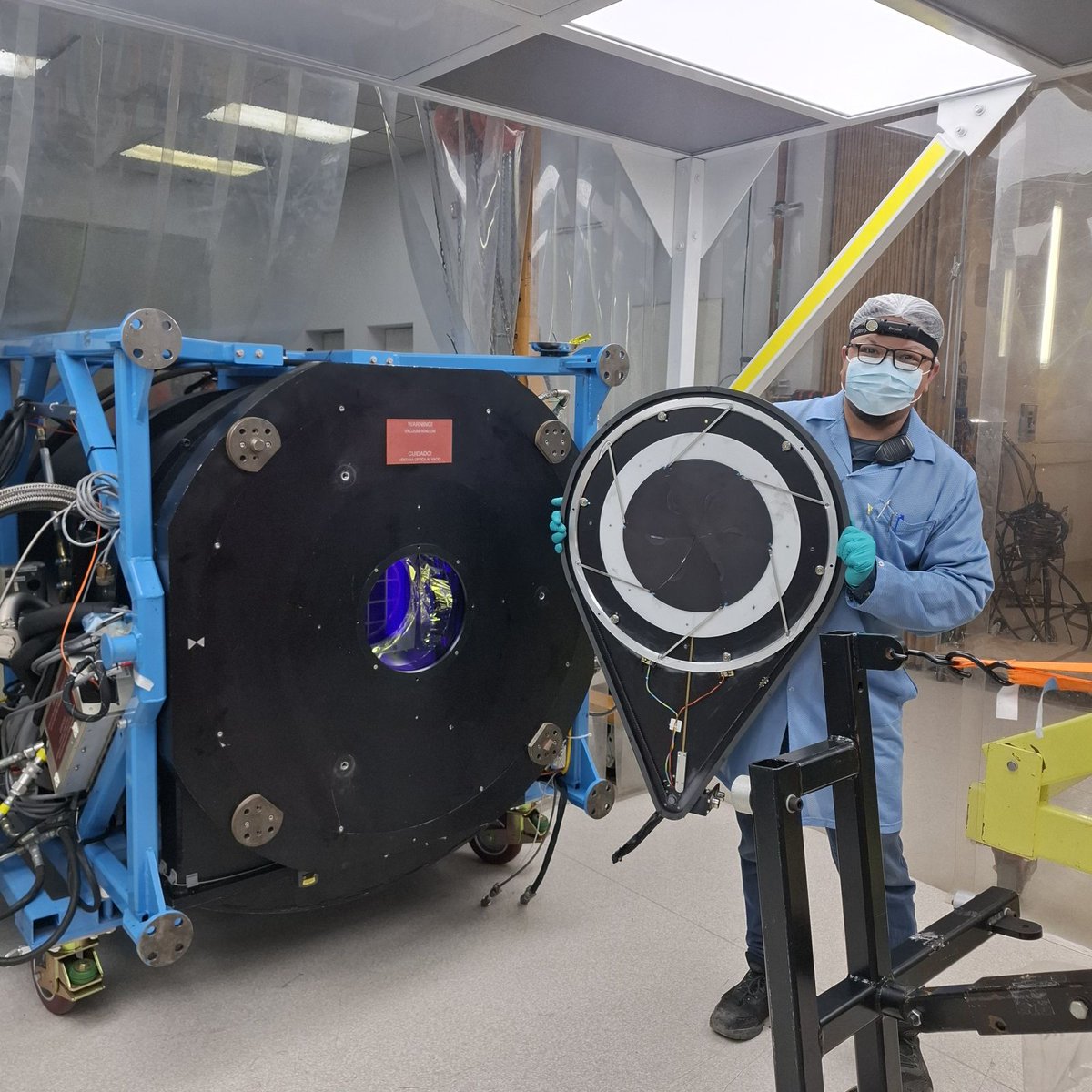
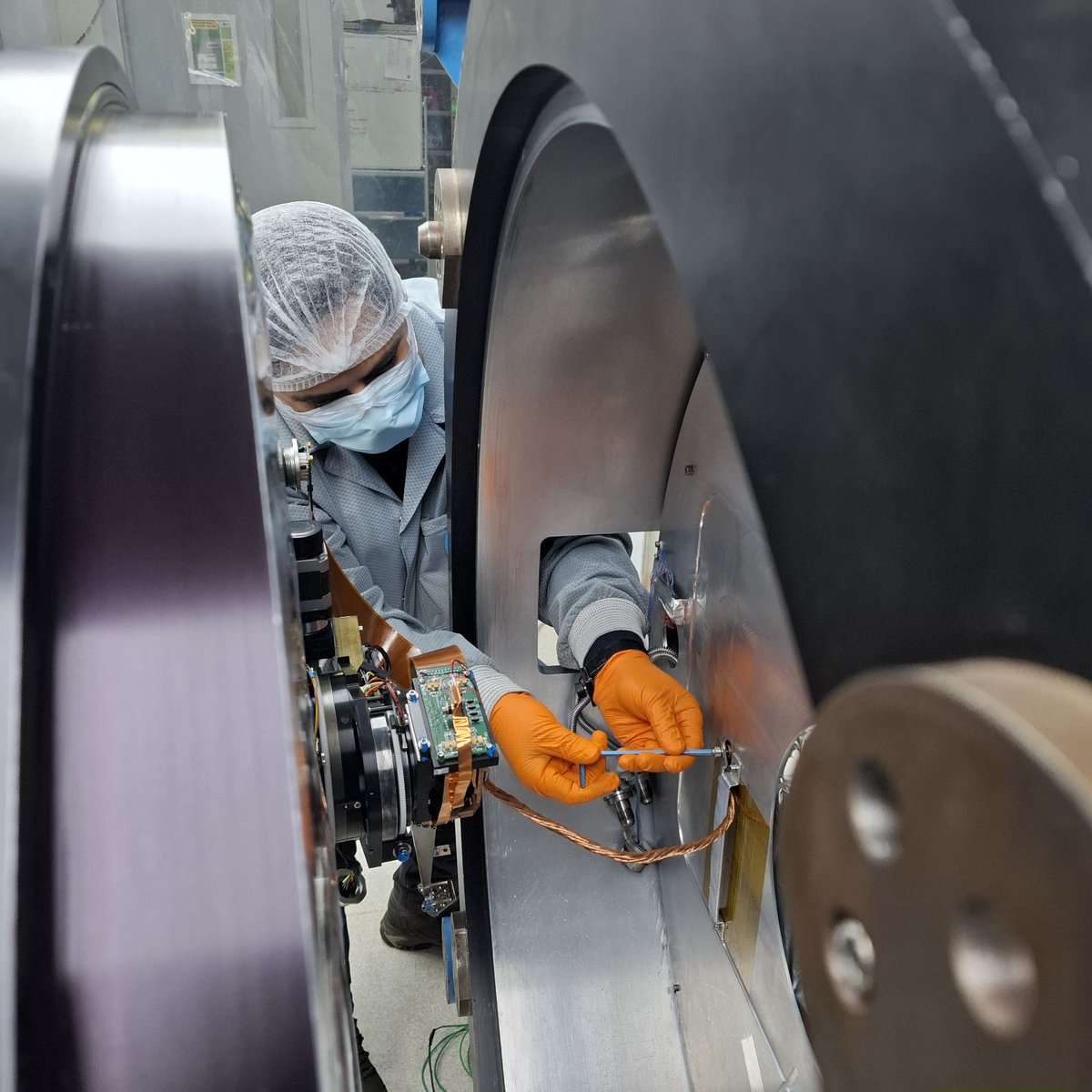
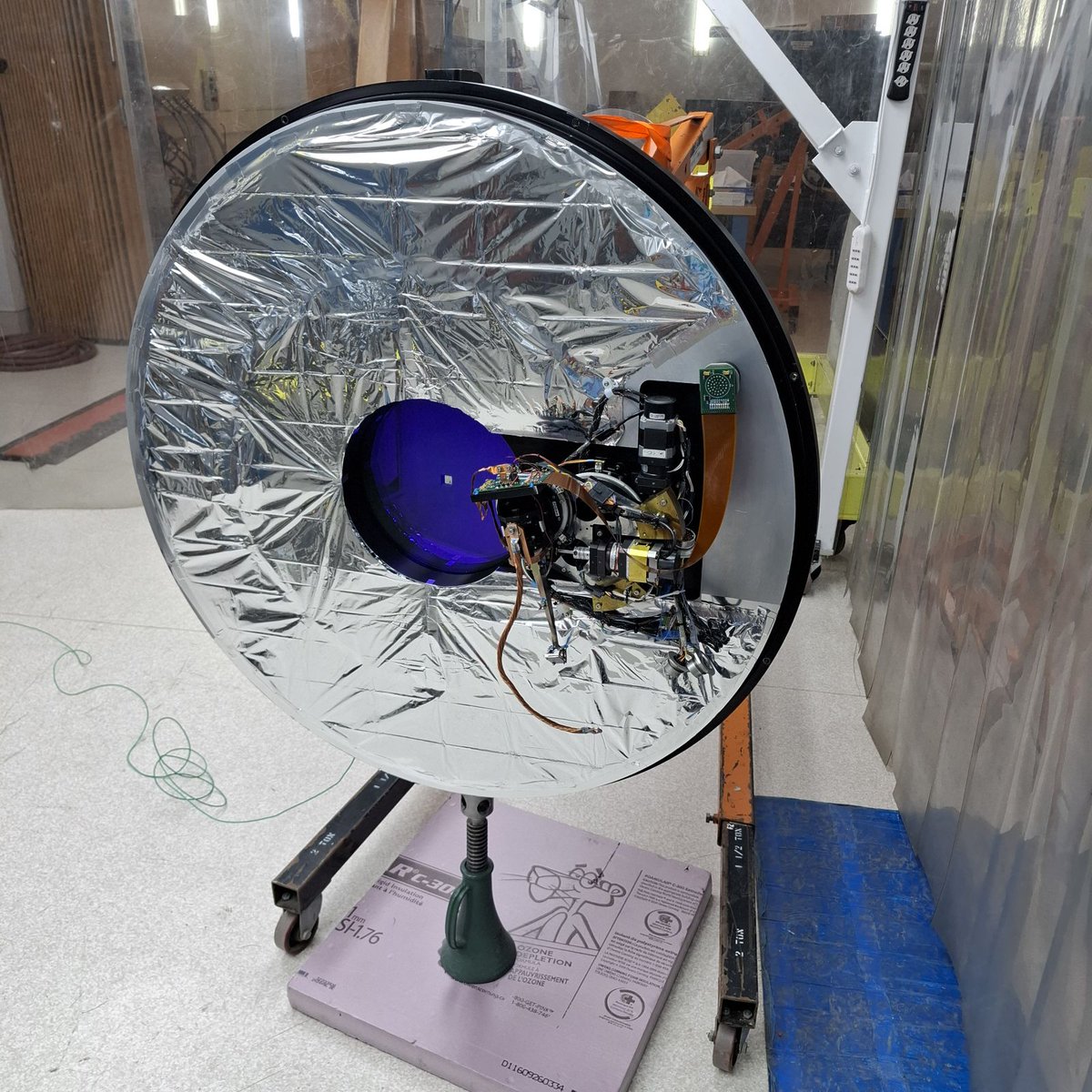
🛠️❄️ Every couple of years, Flamingos-2 comes down for a little maintenance break.
This instrument at the Gemini South telescope is spending a few weeks in the lab for the replacement of its cryocoolers and checks on components.
📷 @GeminiObs/NOIRLab/NSF/AURA/S. Olivares
Gemini North, ½ of @geminiobs, has cameras set up to monitor the sky conditions 24/7. Sometimes the Gemini North CloudCam catches rare sights like:
Kīlauea Erupting 🌋
Light pillars from lava at Mauna Loa 🤯
Fireballs ☄️
With CloudCam, we never miss a photo opportunity!
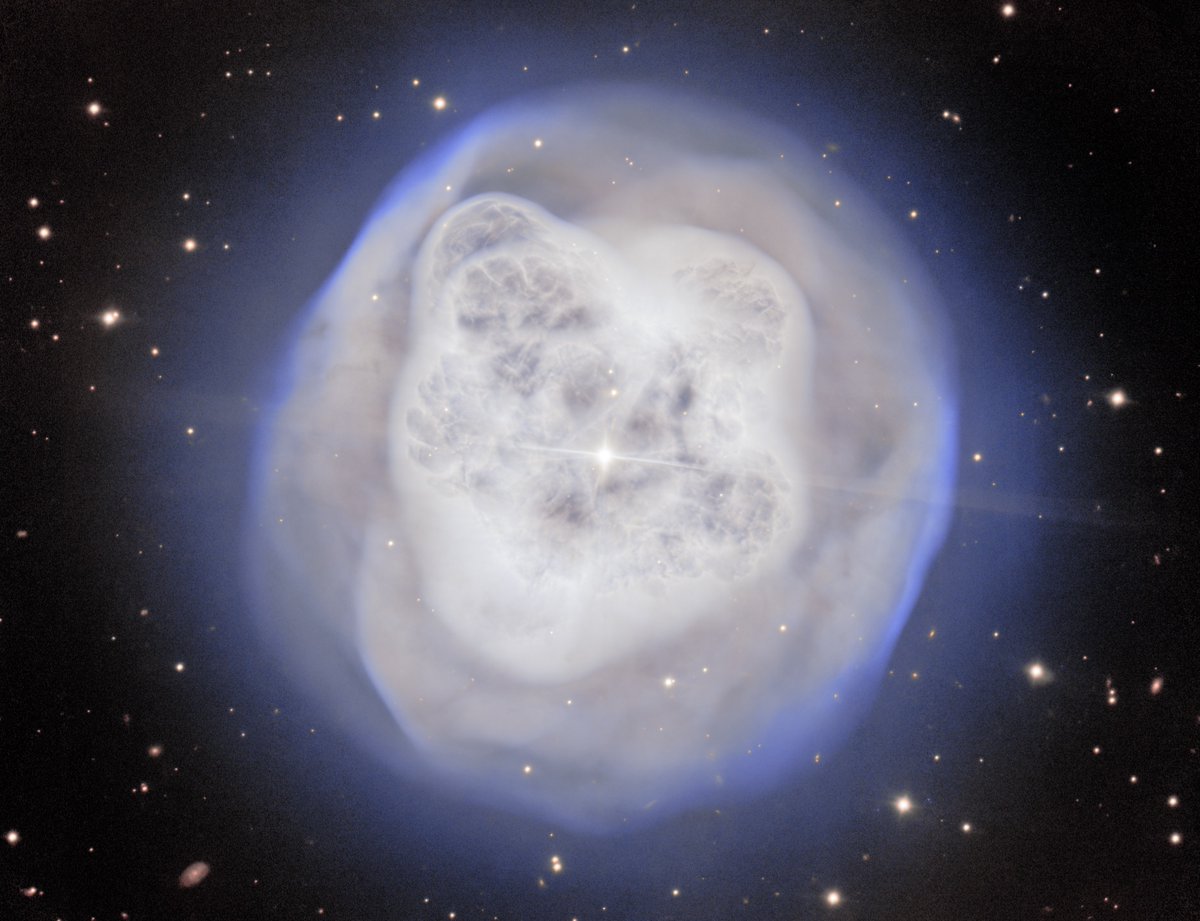
🔮 The Crystal Ball Nebula is not predicting your future, but it is revealing the final stages of a star’s life. This view of NGC 1514 was captured by Gemini North on Maunakea in Hawai’i.
📸@GeminiObs/NOIRLab/NSF/AURA
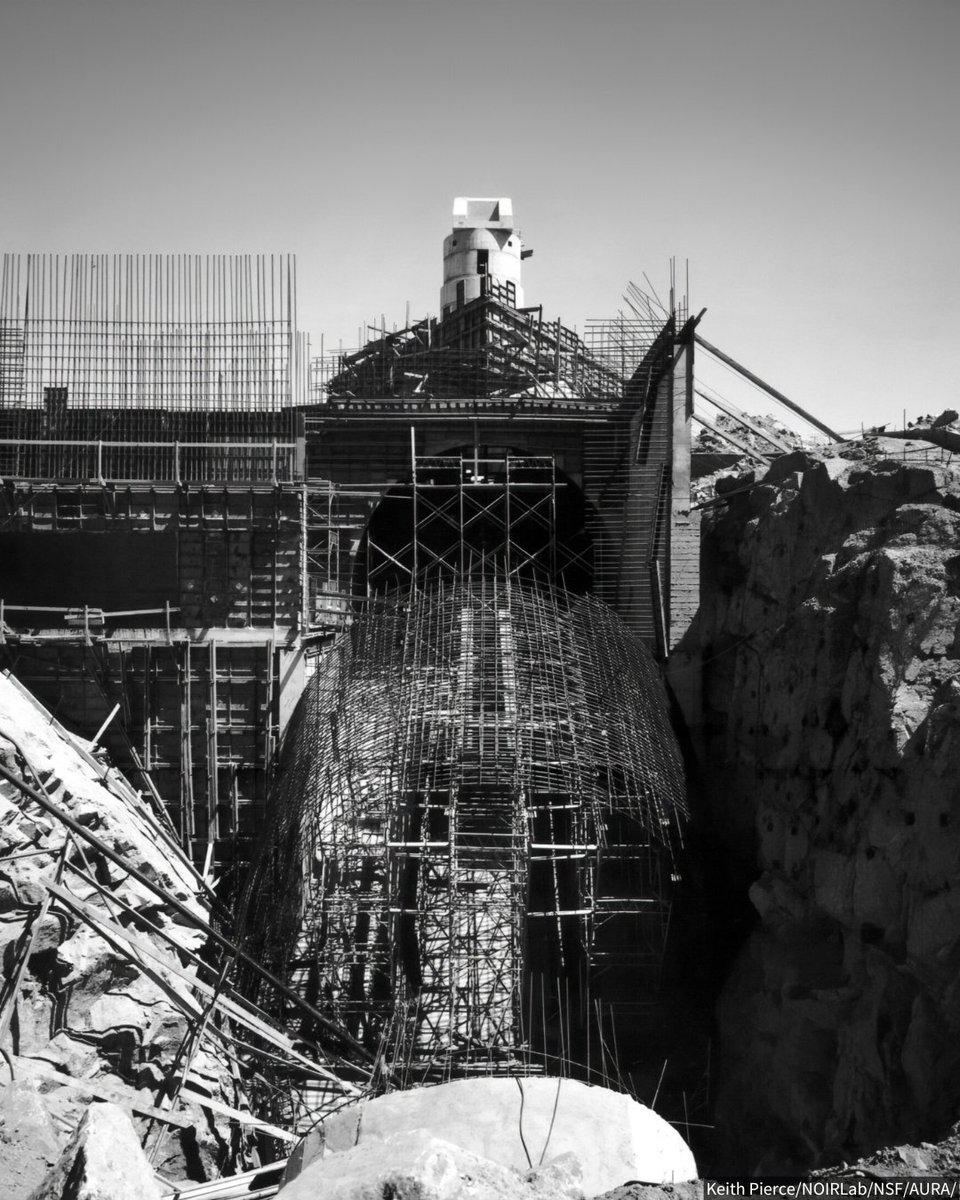
We’re throwing it back to the 60s! These pics are from the construction of the NSF McMath-Pierce Solar Telescope, from 1960 through 1962. Today, it’s the 1st science center inside a working telescope: Taṣogida Ki: Center for Astronomy Outreach.
✨ The night sky over Cerro Pachón looked a little like a painting
This view of the @Geminiobs South combines a 6 1/2 minute exposure with an artistic radial motion effect, turning star trails into brush-like streaks across the sky
📷@GeminiObs/NOIRLab/NSF/AURA/H. Stockebrand
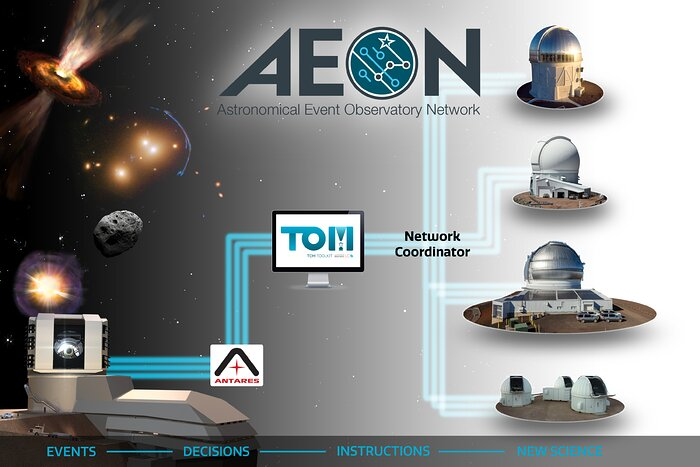
Astronomy is entering real-time mode ⚡🔭
NSF's @noirlabastro AEON connects major observatories into one automated system that can react to triggers within minutes — from supernovae to neutron star mergers.
Built for the NSF-DOE @VRubinObs era 🌌
https://t.co/zf5z73gt9c
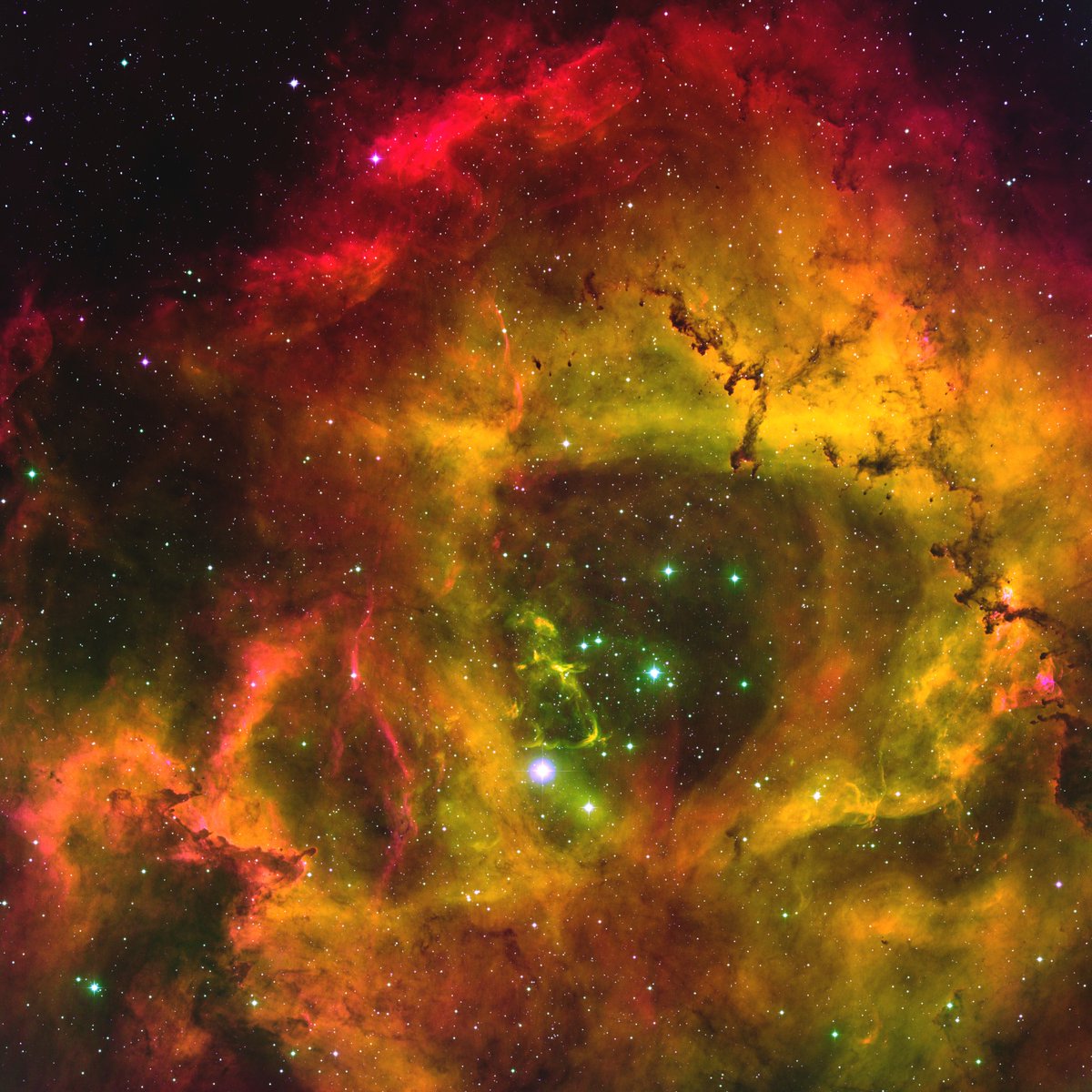
🌹✨ The Rosette Nebula would like your attention for a moment
This giant star-forming region in the constellation Monoceros covers an area of sky more than six times larger than the full Moon 🌕
📸 T. A. Rector/University of Alaska Anchorage, WIYN and NOIRLab/NSF/AURA
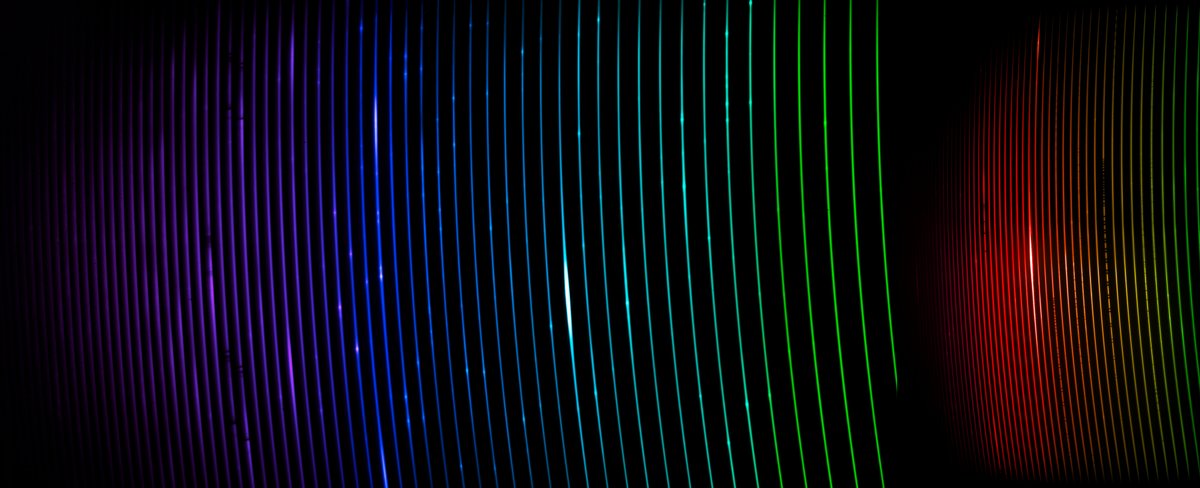
The spectrum of the binary star system Eta Carinae is seen here like a rainbow, stretching from ultraviolet to infrared. Spectra like this can tell scientists detailed information about an object’s chemical composition, motion, rotation & distance.
📷: CTIO/NOIRLab/SOAR/NSF/AURA
🌈✨ Happy International Day of Light
On March 28, 2001, skies above NSF Kitt Peak National Observatory, a Program of NSF NOIRLab, lit up with something rarely seen that far south: a bright aurora.
👇 Have you ever seen an aurora this far south?
📸 Adam Block/NOIRLab/NSF/AURA
Happy 20th birthday to Globe at Night!✨
To celebrate, people across the globe are sharing the important message of protecting and restoring our starry night skies. Join our fight against light pollution by submitting observations to https://t.co/81Ca6HamRj. 🌎
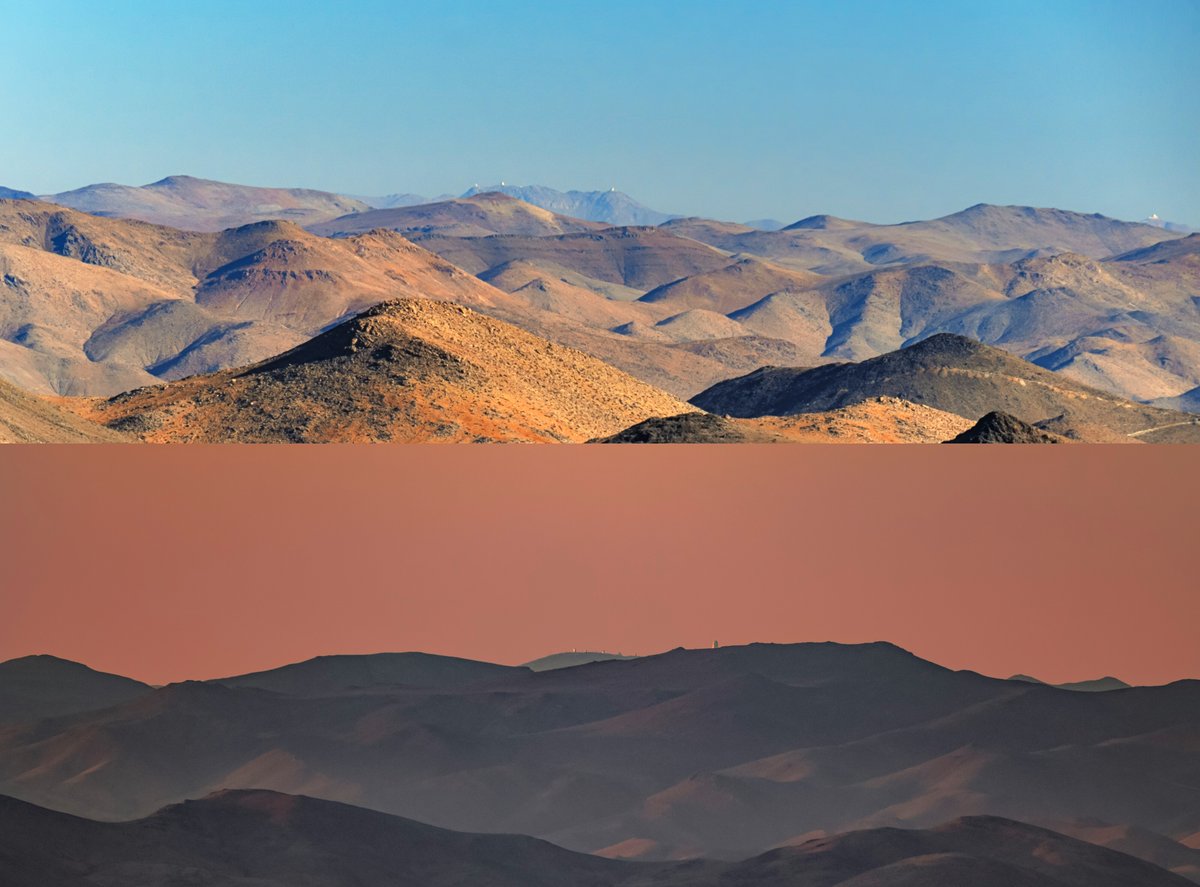
👀👋 POV: you check on your neighbor… and they check back
Top: NSF NOIRLab telescopes on Cerro Pachón & Cerro Tololo, spotted from La Silla Observatory operated by @ESO.
Bottom: the return look 👀. La Silla seen from NSF @CerroTololo.
📸 NOIRLab/NSF/AURA/J. Srba, P. Horálek
Are you dizzy yet? 😵💫
Star trails in this extra-long-exposure image of NSF–DOE @VRubinObs capture the apparent motion of the stars.
Rubin will observe about 17 billion stars during its 10-year survey.
📸 NSF-DOE @VRubinObs/NOIRLab/SLAC/AURA/H. Stockebrand