@KwikirizaNova Do you have any evidence of president ordering anyone to torture people? He always question those guys in uniform why they keep torturing people
On Tuesday next week, I will be in Mbarara City to assess the impact of Government programs and, where necessary, expose corruption to ensure public resources serve the people.
Mbarara holds a special place in my heart because it is where I was born on the morning of 28th July 1979 at Mbarara Hospital. My mother, Brown Abwooli Nante Byenkya, was heavily pregnant when she and my late father, Akiiki Davidson Balaam Byenkya, a Civil Engineering graduate of the University of Dar es Salaam, Tanzania, were driven from Karamoja to Mbarara on the poor roads of that time after the then regime arrested my father.
My father had been working in Karamoja on British Aid-funded water dam and road projects when he was accused of supporting the then little-known Yoweri Kaguta Museveni, who was in the process of organizing and registering the Uganda Patriotic Movement (UPM), a political party that was officially launched in June 1980 ahead of the presidential elections. They were taken to Makenke Barracks, and it was during those difficult circumstances that I was born “ Barugahare” due to the hardships and long journey my parents endured.
Those experiences gave me a lifelong attachment to both Mbarara and Karamoja and continue to inspire my commitment to justice, accountability, and selfless service to our people.
I invite all residents of Mbarara City to join me for a public Baraza on Tuesday at Mayor’s Park, starting at 4:00 p.m. until late. Come and share your views on service delivery, report corruption, and engage with us as we work together to improve governance and strengthen accountability.
Barugahara Balaam Ateenyi
Minister of Local Government
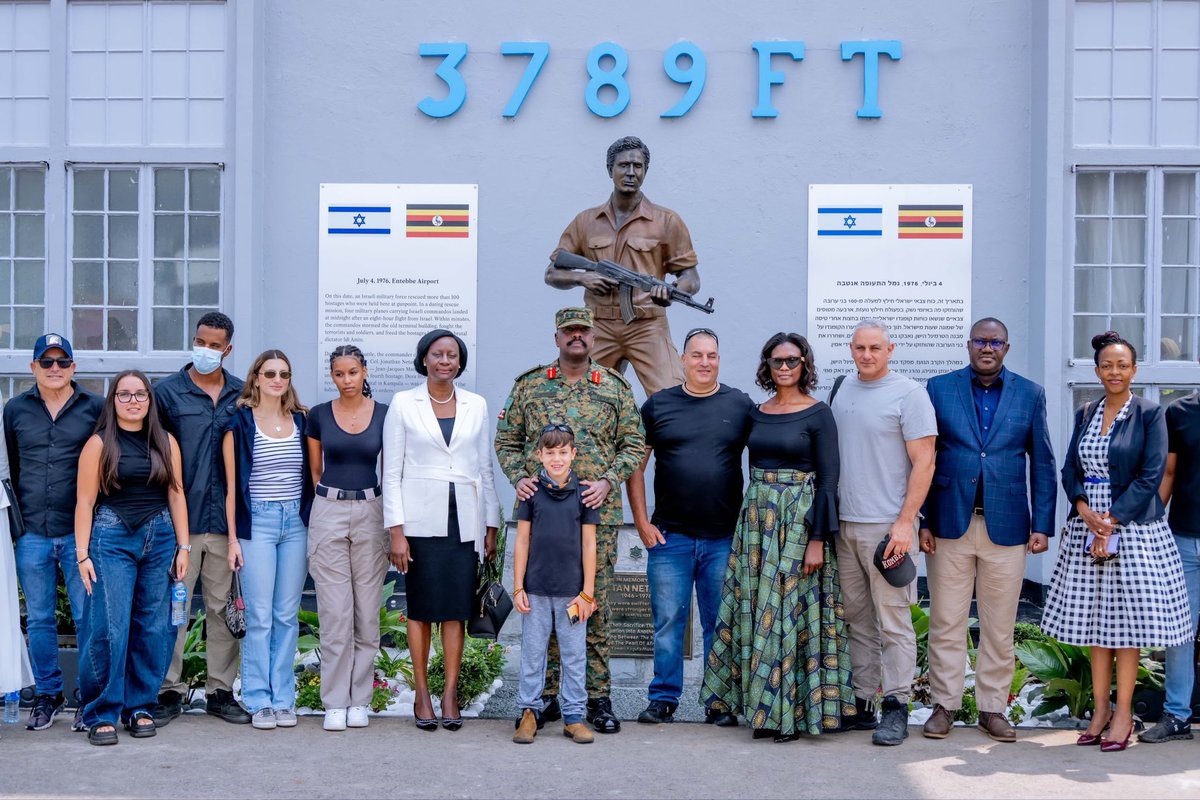
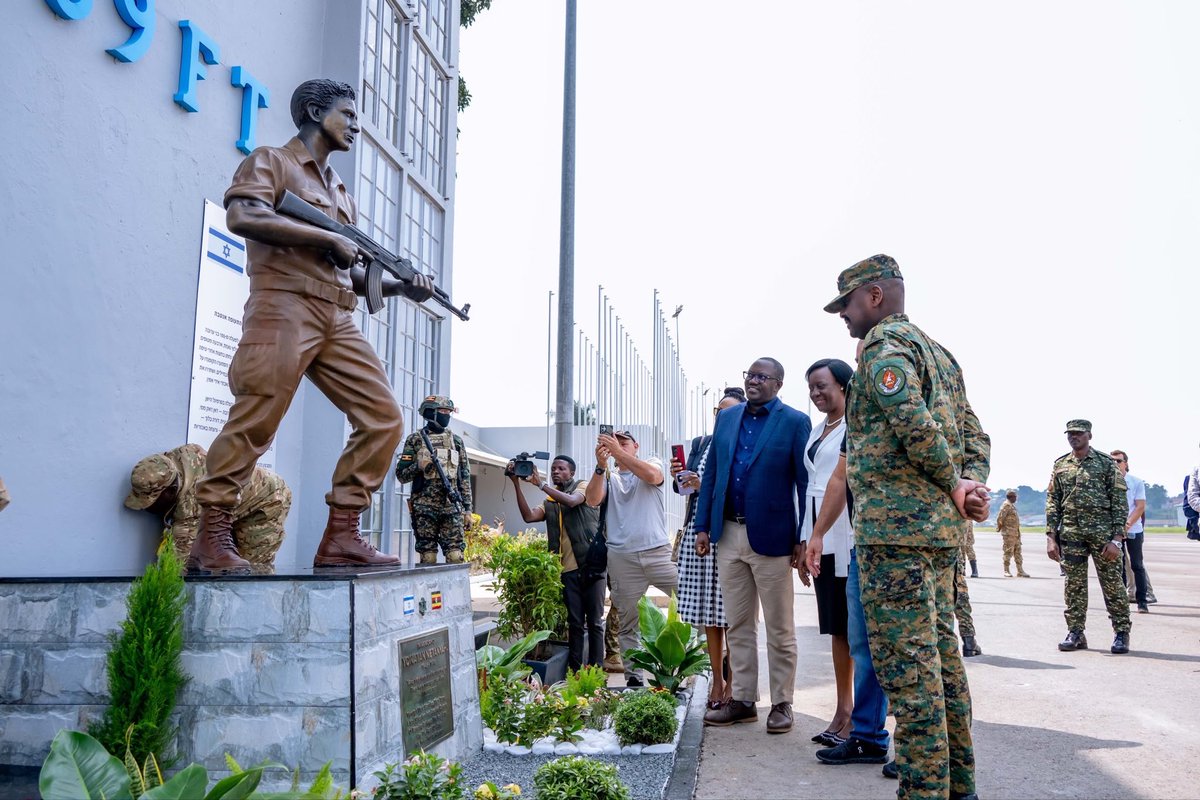
Gen Kainerugaba Unveils Yoni Netanyahu Monument at Old Entebbe Terminal, Reaffirms Uganda-Israel Ties
Entebbe, Saturday 1 August 2026
The Chief of Defence Forces, General Muhoozi Kainerugaba, has presided over the unveiling of a memorial monument dedicated to Lieutenant Colonel Yonatan "Yoni" Netanyahu at the historic Old Entebbe Terminal, framing the occasion as a testament to the enduring security partnership, mutual trust, and diplomatic reconciliation between Uganda and Israel. The fallen hero was the older brother of Israeli Prime Minister Benjamin Netanyahu.
Speaking at the event, Gen Kainerugaba highlighted the historic significance of honoring the fallen Israeli commando on the very grounds where he lost his life during the 1976 hostage rescue operation.
"It is a great honor and privilege to join you at this historic site as we unveil this monument to Lieutenant Colonel Yonatan 'Yoni' Netanyahu, the courageous commander of the Israeli rescue force whose leadership and ultimate sacrifice during the Entebbe raid of 4th July 1976 has become an enduring symbol of courage, duty, and selfless service," Gen Kainerugaba said.
The Ugandan CDF stressed that the monument represents a shared commitment to universal military and humanitarian values rather than simply reflecting on past tragedy.
"Today, this memorial stands not only in remembrance of a distinguished soldier, but also as a tribute to the enduring values he embodied: courage in the face of danger, unwavering commitment to protecting innocent lives, and steadfast devotion to duty," he declared.
"Monuments are more than stone and bronze. They preserve memory, teach history, and inspire future generations. This monument, therefore, carries significance far beyond commemorating one brave individual."
In his address, Gen Kainerugaba also paid tribute to the civilian hostages who lost their lives during the July 1976 crisis, naming Jean-Jacques Maimoni, Pasco Cohen, Ida Borochovitch, and Dora Bloch.
"As we gather here, we also respectfully remember the innocent hostages who lost their lives during those tragic events," Gen Kainerugaba said. "Their memory remains an important part of this solemn history."
In an assessment of the 1976 confrontation, Gen Kainerugaba acknowledged the Ugandan soldiers who died in the battle while making a clear distinction between today's democratic state and the regime of dictator Idi Amin.
"We also recognize today the Ugandan soldiers who fought valiantly that day in what they believed was a justified cause," Gen Kainerugaba noted. "Of course, today we know that the government of Idi Amin, which they served, was a brutal dictatorship which did not represent the Ugandan people in any way."
He emphasized that Uganda has since evolved into a constitutional democracy dedicated to international cooperation and peaceful engagement.
"The events that unfolded here in July 1976 remain one of the most significant episodes in modern history. They occurred during one of the darkest periods in our country's history. Today, however, Uganda is a constitutional democracy committed to peaceful coexistence and constructive engagement with the international community," Kainerugaba added.
Pointing to historical ties, Gen Kainerugaba reaffirmed Uganda's commitment to deepening strategic and security alignment with Israel.
"The friendship between Uganda and Israel extends well beyond the events of 1976. Our two countries have enjoyed good relations for a long time now, founded on mutual respect and practical cooperation," Gen Kainerugaba said.
Outlining the path forward, Kainerugaba urged both nations to continue standing together against global security threats and violent extremism.
"As we look to the future, we remain committed to deepening our cooperation across all areas of mutual interest while working together to advance peace, security, innovation, and sustainable development," he concluded.