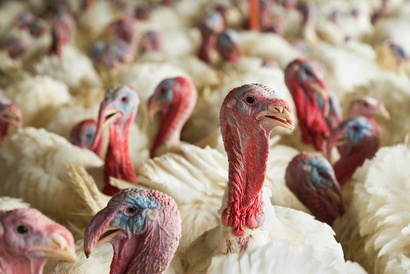
We encourage everyone in the path of Winter Storm Fern to prepare. Winter storms can impact food safety, livestock and ag operations. Despite every attempt to mitigate risk, your operation may suffer losses. Stay safe and take steps now to prepare: https://t.co/d4Y063D5SU
Do you have questions about the Conservation Stewardship Program? If so, check out this article!
Myth Busters: Common Misconceptions about the Conservation Stewardship Program
https://t.co/UQIrxolzL3
Chief Bettencourt is putting boots on the ground, working with producers to implement voluntary, locally led conservation to help them help the land. Read about her visit to central Kansas, where she met with local ranchers, Daniel and Chris Mushrush, to discuss their effort to push back against woody encroachment – a growing threat to the rolling green prairies of the Flint Hills. https://t.co/4GPMSKPn7h
Come join Chief Bettencourt as she “Dishes the Dirt” on how our Manhattan Plant Materials Center is innovating in the development of plants and plant technologies in order to supply producers with better plants and new strategies for conservation. https://t.co/KLUtGu1iAF
NRCS updated its program rule for the Emergency Watershed Protection Program and Watershed Rehabilitation Program to no longer require eminent domain authority for tribes. 30 tribes and tribal organizations, undertaking watershed projects, now have a path to move forward.
Producers in the South Fork Republican River watershed in Cheynne County are eligible to receive financial assistance under Regional Conservation Partnership Program. The deadline to apply for FY 2025 funding will be Friday, April 18, 2025.
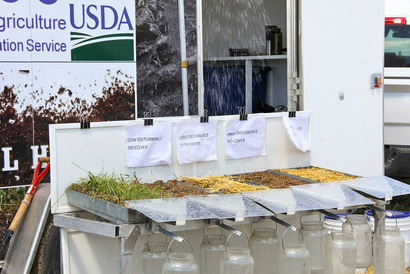
In 1899, soil surveyors commenced field investigations for the first USDA soil surveys. Today, NRCS, through the National Cooperative Soil Survey, fulfills a legislative mandate to inventory soil resources and keep the survey relevant to ever-changing needs.
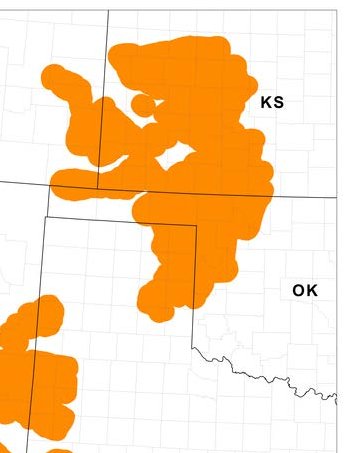
Producers in Kansas, Oklahoma, New Mexico, Texas and Colorado are helping the lesser prairie-chickens rebound by voluntarily conserving habitat on their land.
From interns to seasoned professionals, NRCS employees support local conservation to benefit communities, natural resources and the nation’s economy. NRCS offers opportunities for indoor and outdoor work, based on your career goals.
Farmers, ranchers and forest landowners recognize water as our Nation’s most precious resource. Every day, new producers are stepping up to work hand-in-hand with NRCS to implement systems that conserve water and keep valuable nutrients on the field and out of local waterways.
NRCS is committed to ensuring productive lands and watersheds are in harmony with a healthy environment; including cultural resources. Cultural resources are nonrenewable and often yield unique information about past societies and environments with implications for modern issues.
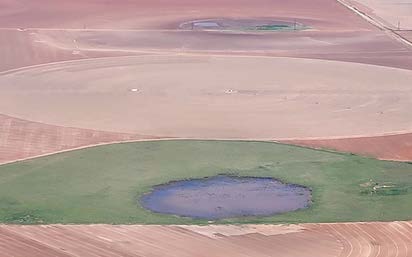
Producers in Greeley and Wichita Counties in Kansas are eligible to receive financial assistance under the Groundwater Recharge and Sustainability Project. The deadline to apply for FY 2025 funding will be Friday, April 18, 2025.
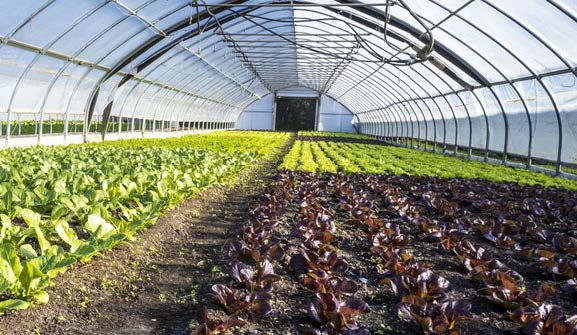
Across the U.S., farmers are discovering the benefits of high tunnels. NRCS can help producers integrate high tunnels into their operations and provide financial assistance through the Environmental Quality Incentives Program (EQIP).
CoCoRaHS (pronounced KO-ko-rozz) is a grassroots volunteer network of backyard weather observers of all ages and backgrounds working together to measure and map precipitation in their local communities.
Increased financial assistance for conservation practices, dedicated conservation funding and access to advance payments for conservation practice implementation are offered to farmers, ranchers and forest landowners that meet the NRCS definition of Veteran Farmers/Ranchers.