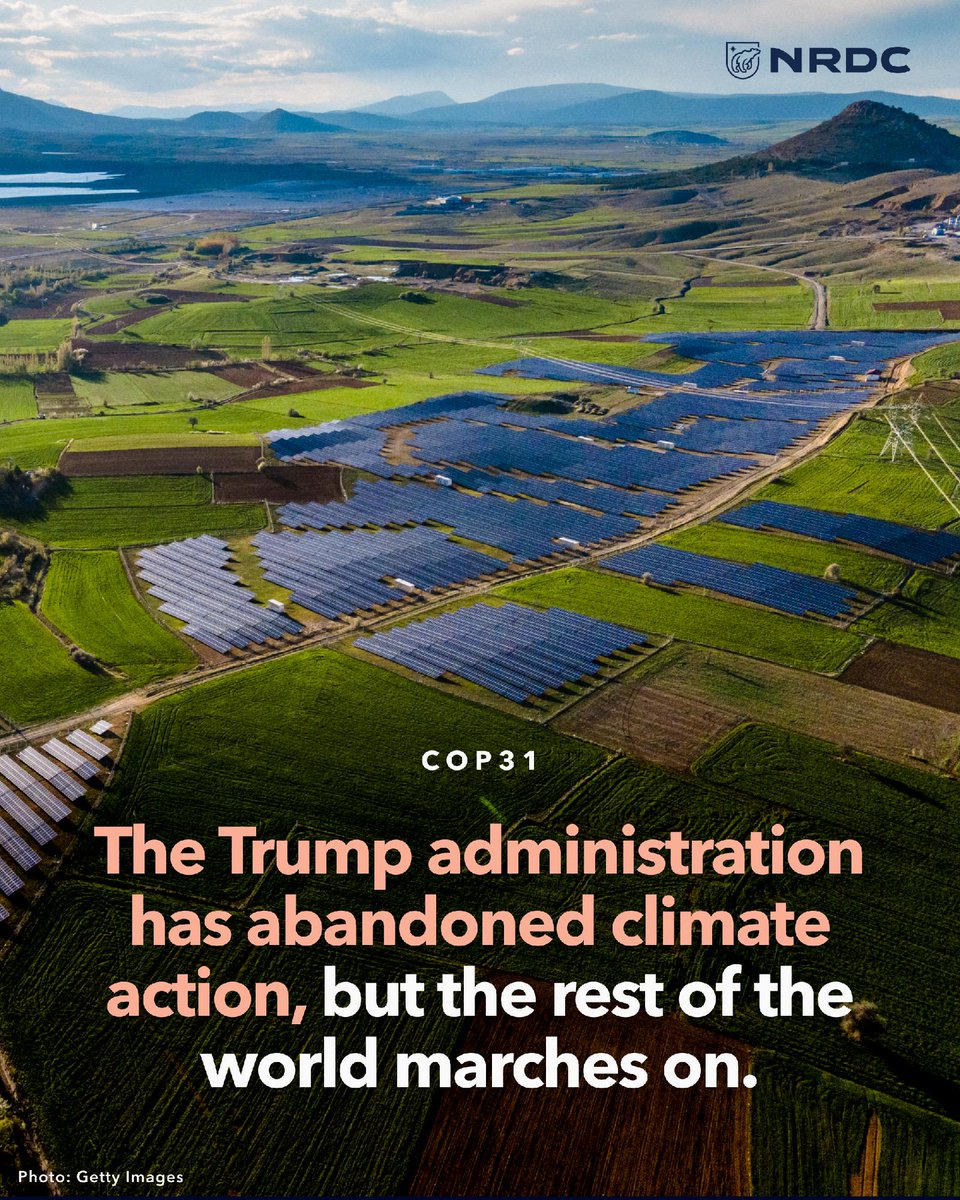
The world is on track to surpass the 1.5℃ limit needed to stave off some of the worst climate impacts. At this year’s annual global climate conference—COP31—we need a plan on how to bring temperatures back down and create resilient communities. https://t.co/awmpz2wRMC
New governors in Georgia, Colorado, Michigan, and other states should focus on investing their transportation funding on projects that can lower household costs, like expanding public transit access, electric vehicle infrastructure, and safe walking and biking options.
Families are paying sky-high energy bills as the Trump administration and their allies in Congress have attacked and halted the cleanest, cheapest sources of energy, like wind and solar power. Stopping these attacks and forcing Big Tech to pay for their own energy projects instead of shifting the cost to communities are both essential to bringing down our electricity bills.
Our chief counsel, Mitch Bernard, talks about the need for both immediate solutions and long-term strategies for climate change. Listen to the latest episode of What the Earth: https://t.co/gz3mwJIyuk
Recent UN reports show a large gap between countries’ climate pledges and what we need to do to limit global warming and protect communities in the coming decades. At COP31, leaders must focus on how to deliver. https://t.co/bAeS9F50YA
Sky-high energy prices and record planet-warming emissions demand urgent action. “While climate rhetoric may have chilled, clean energy investment remains hot,” says our President and CEO Manish Bapna. Leaders must act on that momentum to lower bills and strengthen energy security. https://t.co/qK6nbqsLCg
The Trump administration has launched sweeping attacks on the environment and public health. While they can slow progress, they can’t stop it. We’re at COP31 to work with leaders to secure the necessary resources to accelerate climate action and build resilience.
The world will likely exceed 1.5℃ of warming, but urgent action can still limit harm. At COP31, countries must cut emissions, help communities adapt, and address unavoidable losses—especially for those least responsible for climate change. https://t.co/I7ZdYR1pk0
Our chief counsel, Mitch Bernard, talks about who should be held accountable for the impacts of climate change. Listen to the latest episode of What the Earth: https://t.co/gz3mwJIyuk
People across the country are calling for a better path—one with lower energy costs, safe drinking water, and clean air. We’re ready to work together to build a healthier, more affordable future.
Today is Election Day. Now, more than ever, we need leaders who will stand up for what’s right.. If you haven’t already, make your voice heard and vote today. If you’re in line, stay in line!
And in greater depth from an extraordinary environmental lawyer @AbbieDillen at @EarthjusticeAct as to why @johnpodesta is correct about the consequences of what the permitting bill could do to places across this country: https://t.co/QQ1gHEaQl7"
@mattyglesias Please do tell. Given all of your experience litigating, what is made up? I'd be happy to change or admit any error in our analysis of the forever permit language and the elimination of vacatur under NHPA and NEPA.
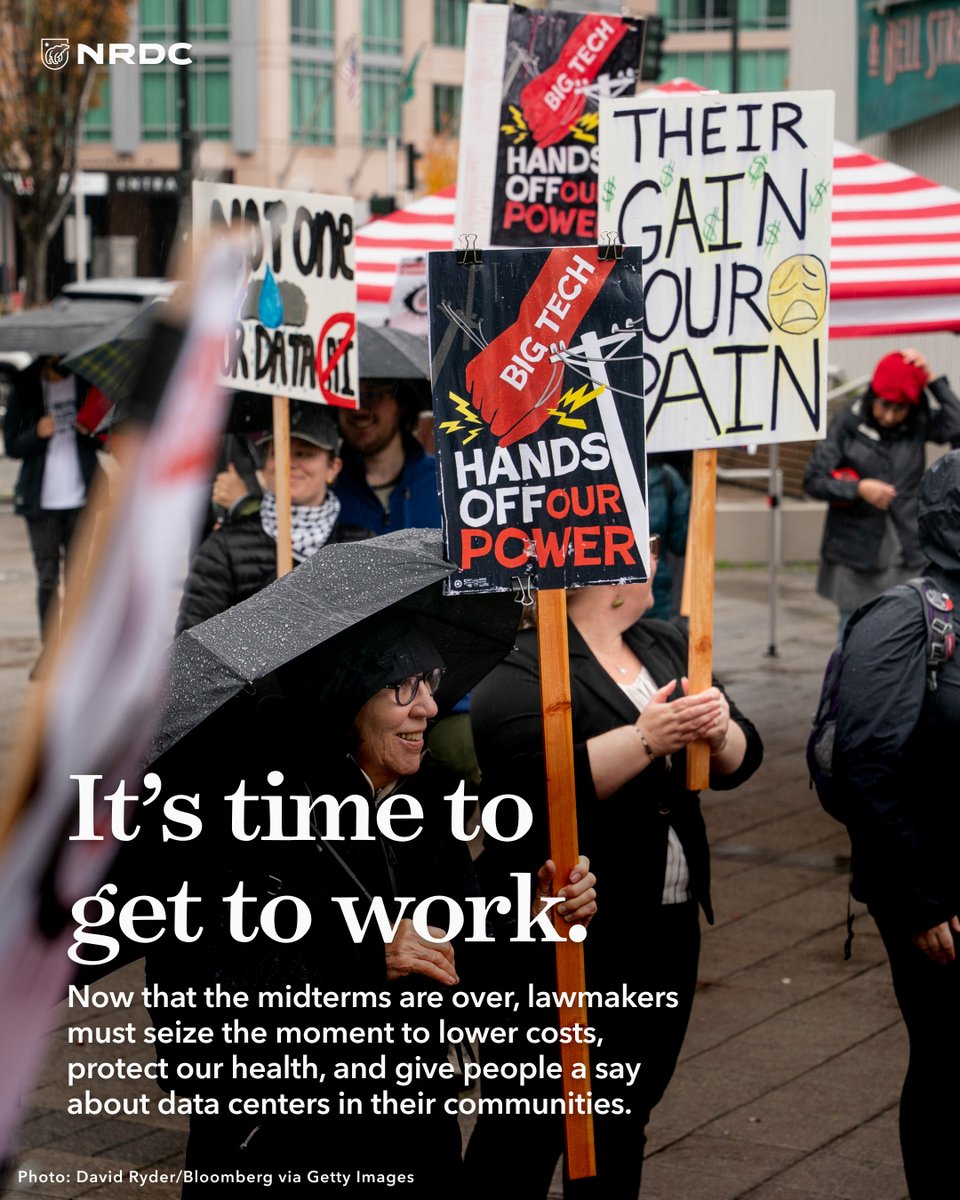
Stratos, one of the world’s largest data centers proposed for Northern Utah, would emit dangerous levels of deadly air pollution leading to premature deaths, illness, and health-related economic damage. Read more: https://t.co/bg3MMZrC01
@christygoldfuss There has been a gaggle of @NRDC lawyers with real world expertise digging into this stuff, but don't take our word for it. Look at how former EPA expert staff at @EnviroProNet read this--surprise, similar criticisms to Podesta's https://t.co/23hxRONGyl
.@JaneAFlegal, I’m sorry, but @NRDC’s team of litigators completely agree with @johnpodesta and the threat the permitting bill is to iconic places across the U.S. Here’s why: