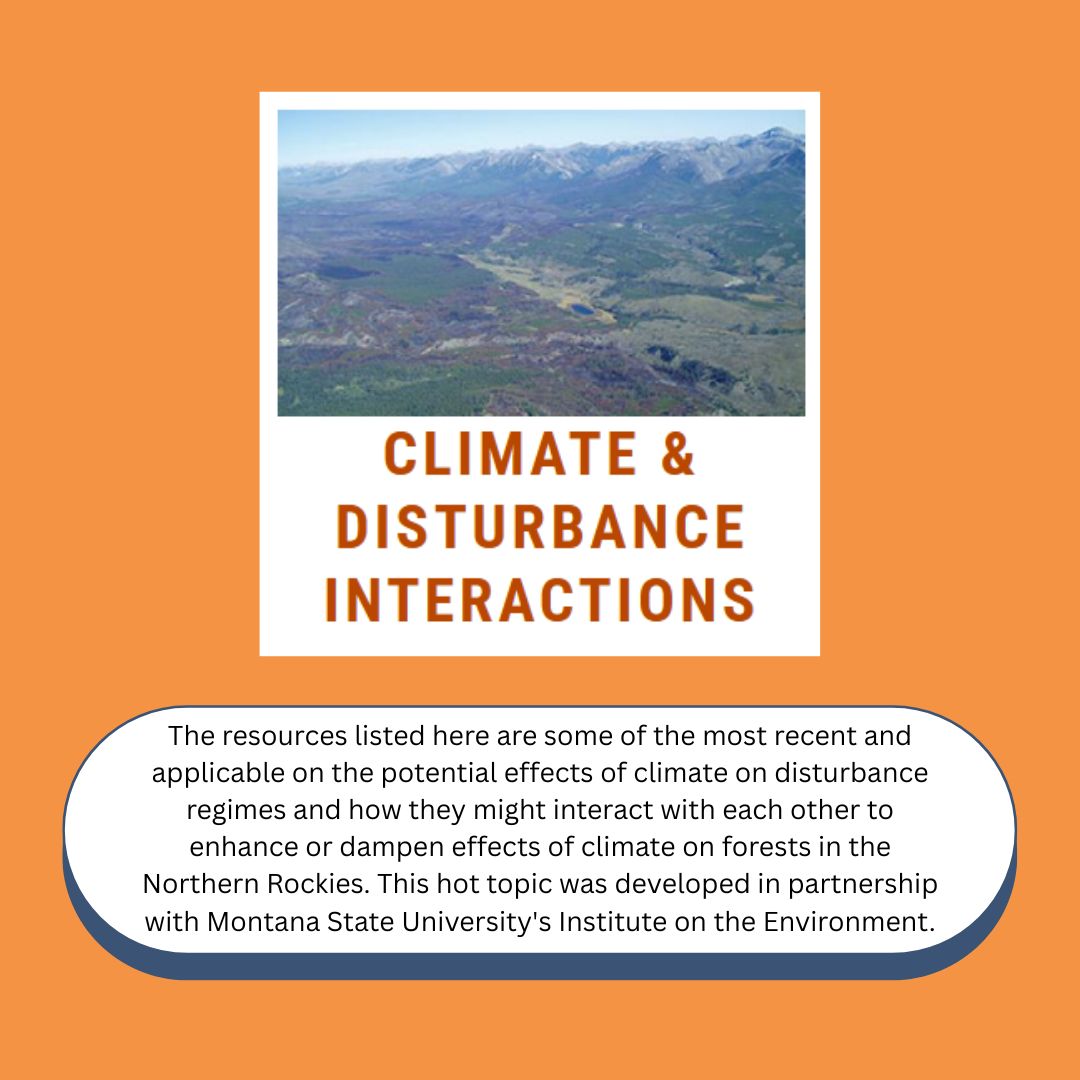
Curious to learn more about climate & disturbance interactions in the Northern Rockies? Check out our Hot Topic page on the subject, featuring curated resources: https://t.co/EdSSamTkms
Inaugural Northern Rockies Fire Student Summit in the books! Students from UM SAFE, U of I SAFE, MSU & SKC joined us at Lubrecht Experimental Forest for two full days of learning & burning. It was great to see students from across the region network and learn from each other.
Missoula Fire Lab Seminar Series is back! This fall, the series will center on fire weather and meteorology. Tune in for presentations related to fire weather phenomena, prescribed burn windows, climatology, wind patterns, fire danger, and more. https://t.co/VXqQomgp5C
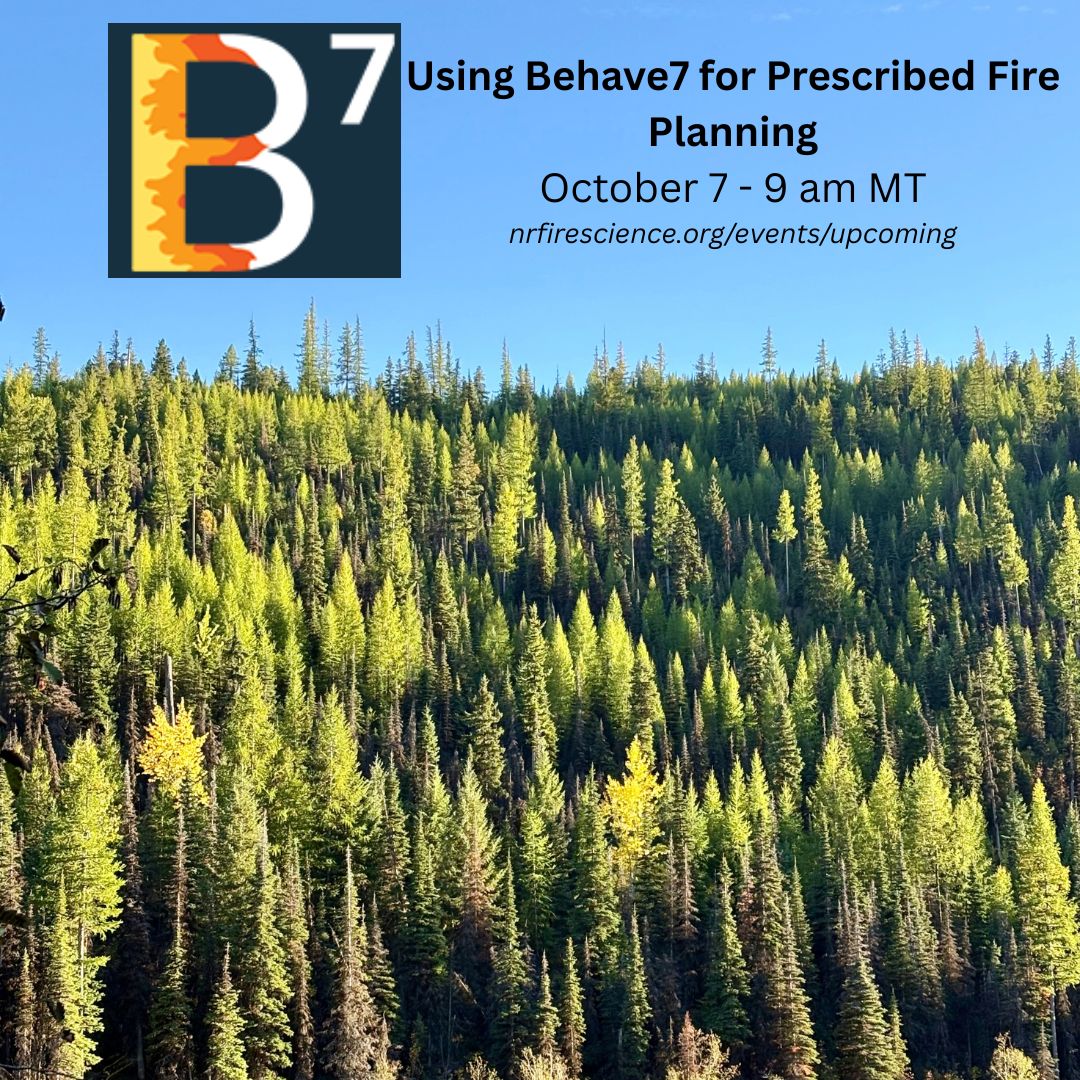
Tomorrow & Wednesday, tune in at 9 am MT to learn more about Behave7. Behave7 is a complete redesign and overhaul of BehavePlus v6. Behave7 was first released in May 2024 and is still in active development. Find both events here: https://t.co/BTnVAFG0dY
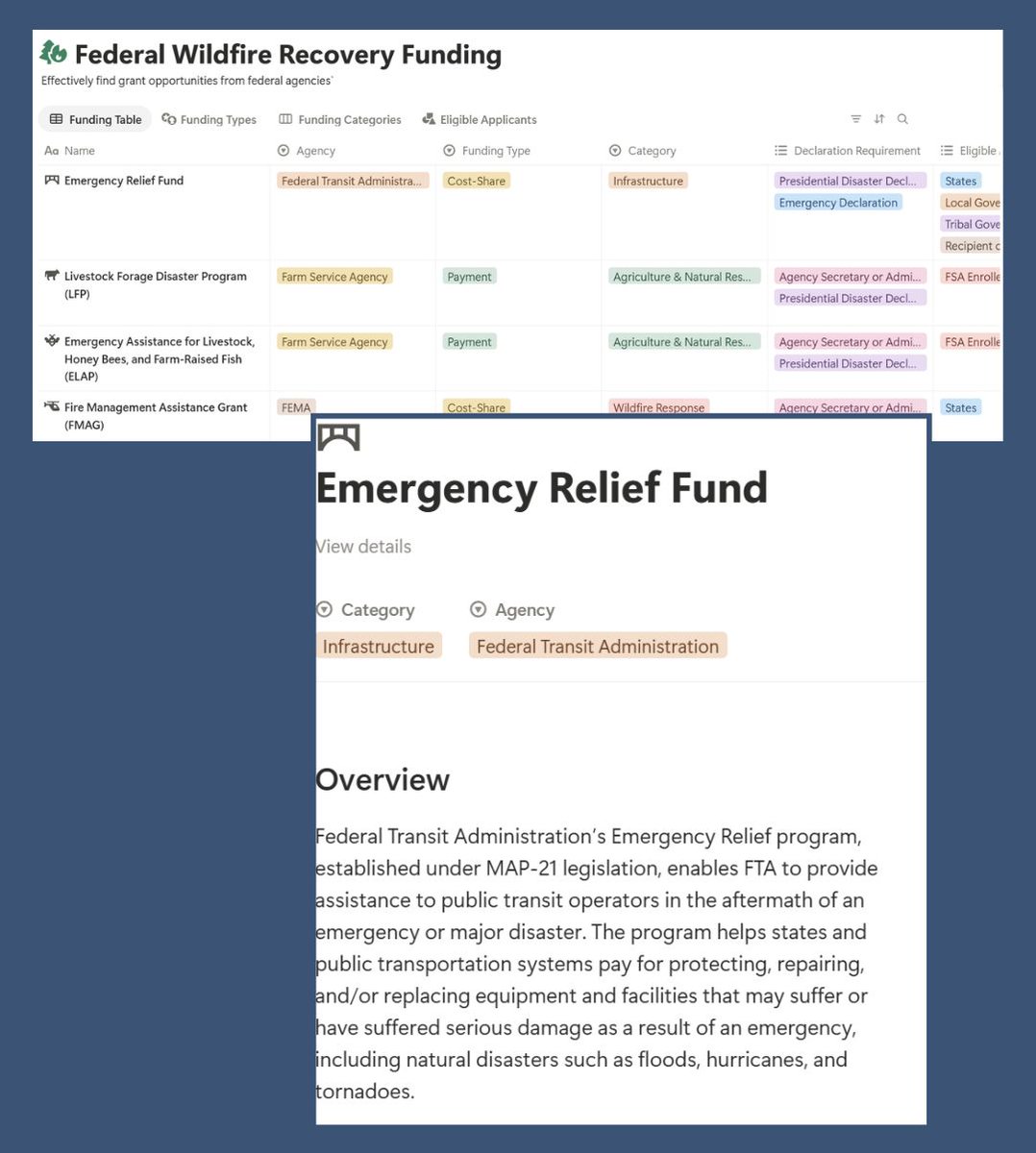
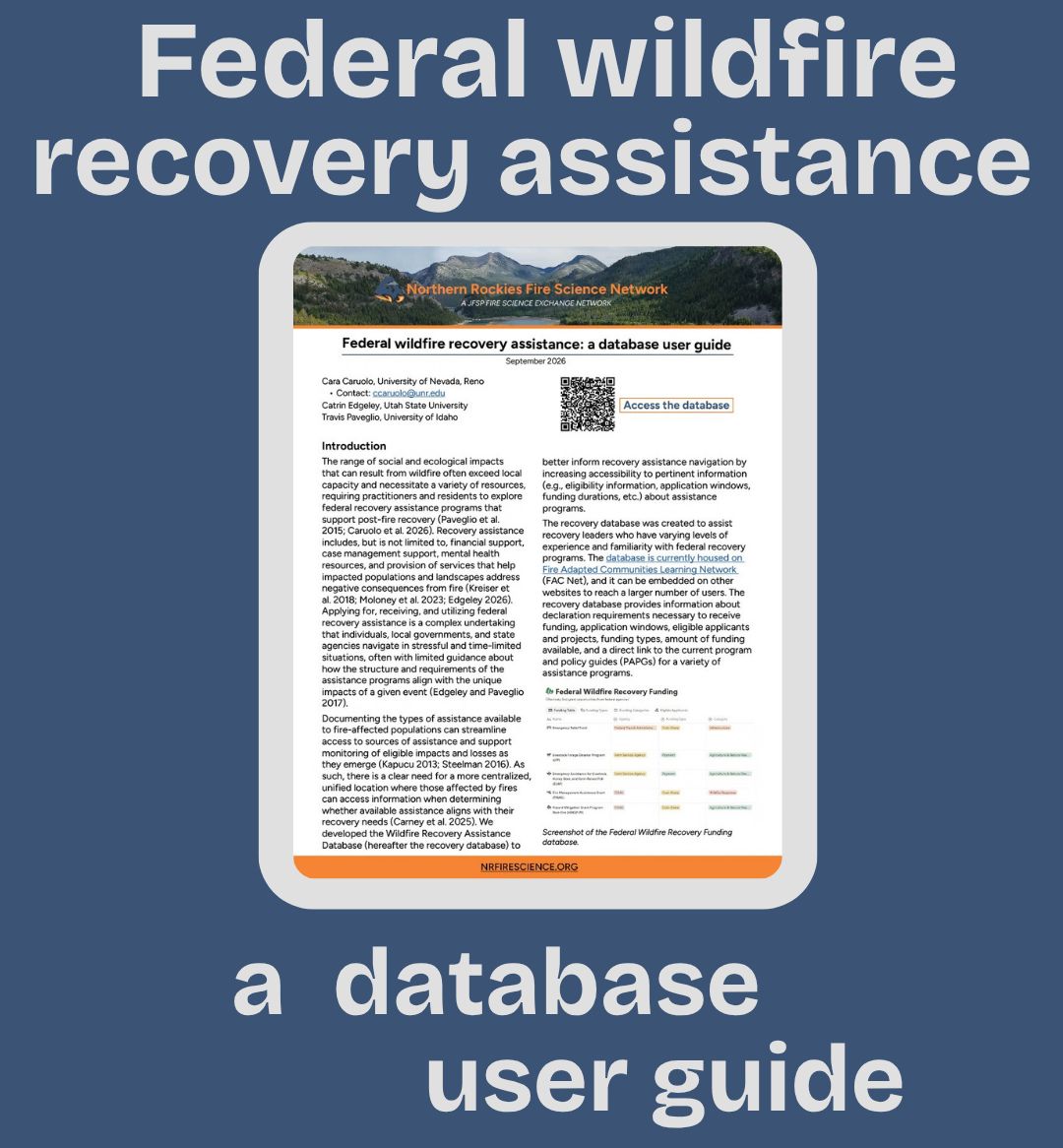
Find the "Federal wildfire recovery assistance database user guide" on our website now. The recovery database was created to assist recovery leaders who have some level of experience with federal recovery programs & is currently housed by FAC Net. https://t.co/5B9YFkoaBO
Our latest research brief explores how fire and site conditions govern the presence and abundance of juvenile whitebark pine and co-occurring tree species. Read it here: https://t.co/WCTcGDxvlI
Post-fire vegetation recovery is a growing field of concern as larger wildfires impact more of the landscape. Understanding the patterns of natural tree regeneration can have large impacts on how and where managers prioritize post-fire management actions. https://t.co/Ay3Vu6DVVj
Tune in on Sept. 17th at 5pm MT to hear ecologist Winslow Hansen and environmental historian Stephen Pyne discuss what it will take to restore a more balanced relationship with fire: https://t.co/zEIIK9BjFE
Find our September newsletter in your inbox now! In this edition: new research brief, JFSP NOFO deadline, Native Plant Directory, & more! Read it or subscribe: https://t.co/qiots8pNjk
As we emerge from a smoky summer, our latest research brief examines prescribed fire and net smoke emissions. While prescribed fire has many proven benefits for forest & fire management, reducing smoke emissions may not be one of them: https://t.co/e7ilKPKpEo
If you live in or near Missoula, consider attending the Plum Creek Lecture series. The sessions are open to the public & explore the connections between forests, water, wildfire, and climate through presentations from leading scientists across the West. https://t.co/f8C3id4d2j
Curious to learn more about @firesciencegov? Check out their latest progress report and explore the role NRFSN plays in the broader collaborative: https://t.co/eUQU40Aw8i
NOFO deadline is one month from today! JFSP is accepting applications until September 17th. Are you submitting a proposal for research that will improve fire and fuels management in the Northern Rockies? Reach out to us for a letter of support: https://t.co/0d9kLA8dfs
Find our August Newsletter in your inbox now! This edition features post-fire community resources, University of Idaho NWCG course details, and more. Read it or subscribe here: https://t.co/ON3kVjAUO1
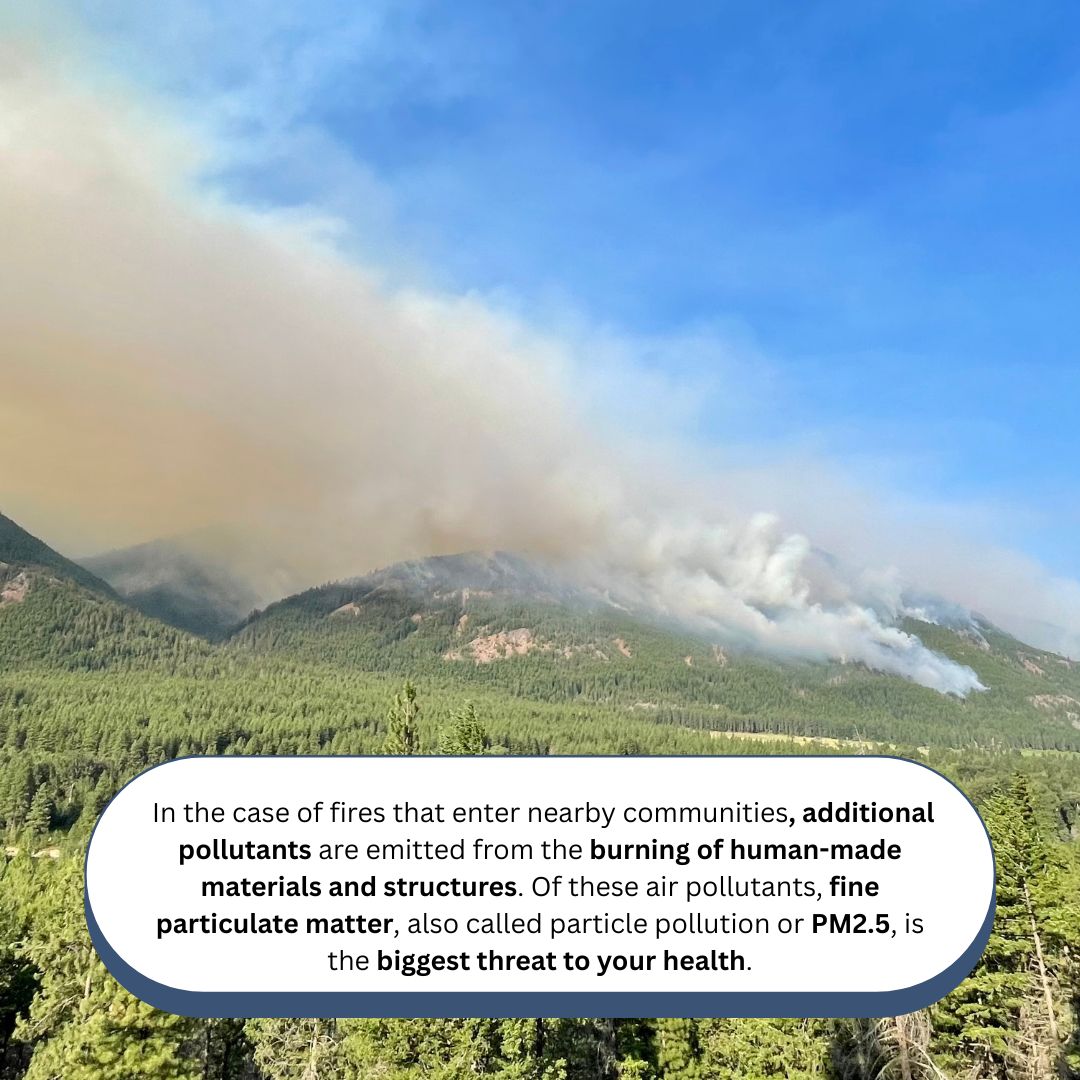
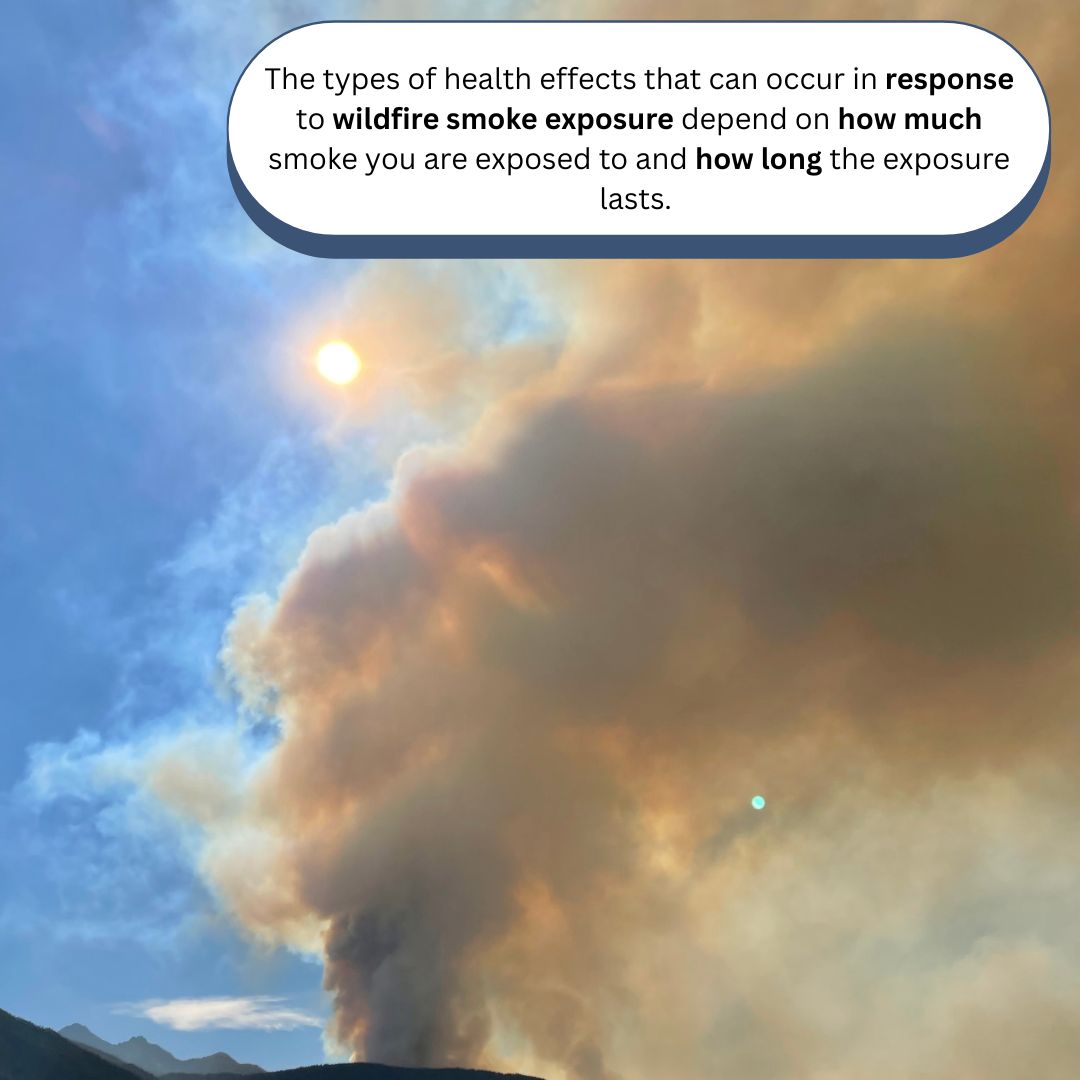
Smoke season is here for the Northern Rockies region & beyond. Explore resources on our recorded media database, or these EPA fact sheets on wildfire smoke & health: https://t.co/vC83dGjGoT
Tune in on August 5th at 11am MST, this webinar will cover case studies that show how focusing first on building trust and relationships leads to sustained partnerships that are capable of making fundamental change in how we live and work with fire. https://t.co/mlz32e4f0H
Wildland firefighters experience a range of stressors, which can lead to short and long-term health effects. The impacts of these health concerns are starting to receive increased attention. Explore the Hot Topic on our website: https://t.co/XPq4x7iNuu
Join Dr. Susan Prichard next week for LANDFIRE office hours, discussing LANDFIRE FCCS: fuel characteristics for fire and smoke decision support. Register here: https://t.co/cpHEheKkAo
As we head into fire season, it’s a good time to keep wildland firefighter health in mind. A Hot Topic page from @nrfirescience pulls together curated resources on this subject. Explore it here: https://t.co/UvQoulFPjj
@firesciencegov has released its FY2027 Notice of Funding Opportunity, now open through Sept. 17th. Funding is available to support research and science delivery that addresses emerging and long-term wildland fire management challenges. Learn more: https://t.co/PNYucBfNpz