National Security Agency/Central Security Service official account, home to America's codemakers and codebreakers. Likes, retweets, and follows ≠ endorsement.
PQC transition also depends on your supply chain’s readiness. We’ve joined @ASDGovAu and @CISAgov to outline questions for procurements, contract renewals, and or vendor assurance processes to prevent residual risk. #supplychain
https://t.co/E7FqDCctdO
On November 4, 1952, the National Security Agency was established to protect the nation. Seventy-four years later, the dedication to codebreaking, cybersecurity, and global intelligence remains vital to defending the United States. Happy 74th Birthday, @NSAGov!
Adversaries are increasingly using super intelligence (SI) to scale cyber exploitation. This #CybersecurityAwarenessMonth, we urge NSA and DIB organizations to recognize deepfake tradecraft and techniques. Check out @US_CYBERCOM's tips in the post below.
Would you spot a deepfake of your boss?
With just 3 seconds of audio, scammers can clone voices to bypass security.
This #CybersecurityAwarenessMonth, remember these tips:
Hang up.
Call back on an official channel.
Never bypass verification protocols.
#USCYBERCOM#BeCyberSmart
David Imbordino, Director of NSA’s Cybersecurity Directorate, spoke at the Billington Cybersecurity Summit on how SI is transforming intelligence and defense. Read our guidance to harden NSS and DIB networks against modern SI threats:
https://t.co/luTg8RYVr8
Effective cyber hygiene remains essential for defending networks against advanced persistent threats. This #CyberSecurityAwarenessMonth, we're highlighting immediate actions to reduce risk, such as multi-factor authentication (MFA). Learn more from @US_CYBERCOM. ⬇️
Received a sudden flood of MFA login prompts on your phone?
That’s MFA Fatigue, and it’s a trap. Scammers spam your device hoping you’ll tap "Approve" just to stop the buzzing.
Deny the request and change your password.
#USCYBERCOM#SecuringTheNext250#CybersecurityAwarenessMonth
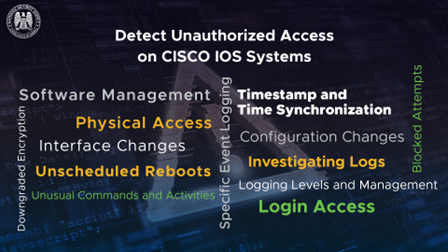
Network Device Integrity (NDI) on Cisco IOS Devices” outlines key criteria and configurations commands NSS and DIB administrators may use to more effectively detect and investigate unauthorized access on Cisco IOS systems. Learn more: https://t.co/F9dS5dIZm7
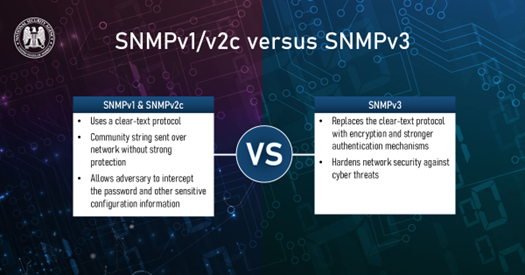
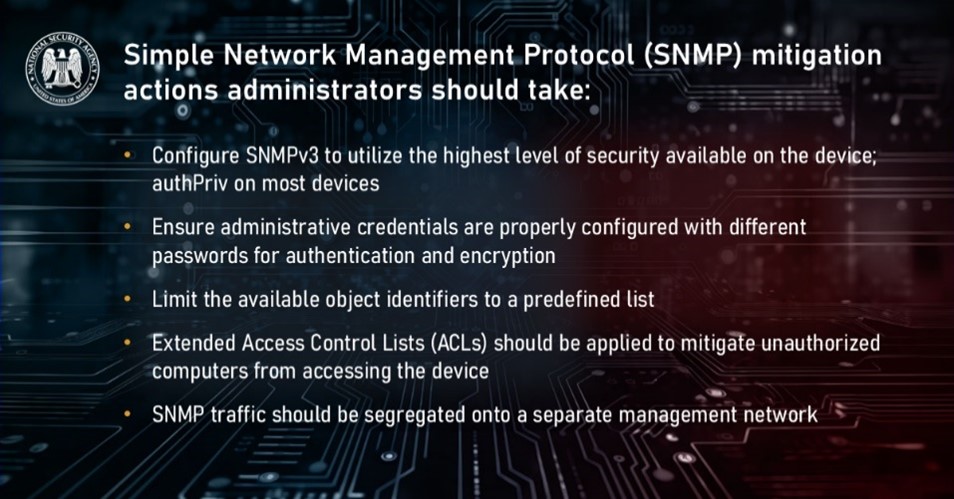
Adversaries may gain access to NSS and DIB network devices through SNMPv1 and SNMPv2c read-write community strings. Keep your networks secure by upgrading to SNMPv3 which includes encryption and authentication. https://t.co/LVc1LuySa0
Prevent malicious actors from targeting NSS and DIB networks – upgrade to SNMPv3 with encryption and authentication. Details here: https://t.co/LVc1LuySa0 #CybersecurityAwarenessMonth
PHP security risks remain high and PHP mitigation requires immediate attention. Our guidance is further supported by additional agencies including @CISACyber, @NCSC, @ASDGovAu, and CERT-EU. If you have not reviewed your exposure and applied mitigations, now is the time. Please read the linked resources, follow requisite vendor guidance, assess your environment, and implement mitigations without delay. https://t.co/bMWqwsYliI
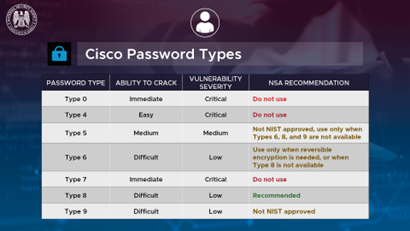
Cisco Systems are used worldwide within infrastructure networks and include various password protection types. Brush up on Cisco password best practices to learn which types to use and avoid to better secure NSS and DIB networks against malicious actors. https://t.co/heqT9KtleU
#CybersecurityAwarenessMonth
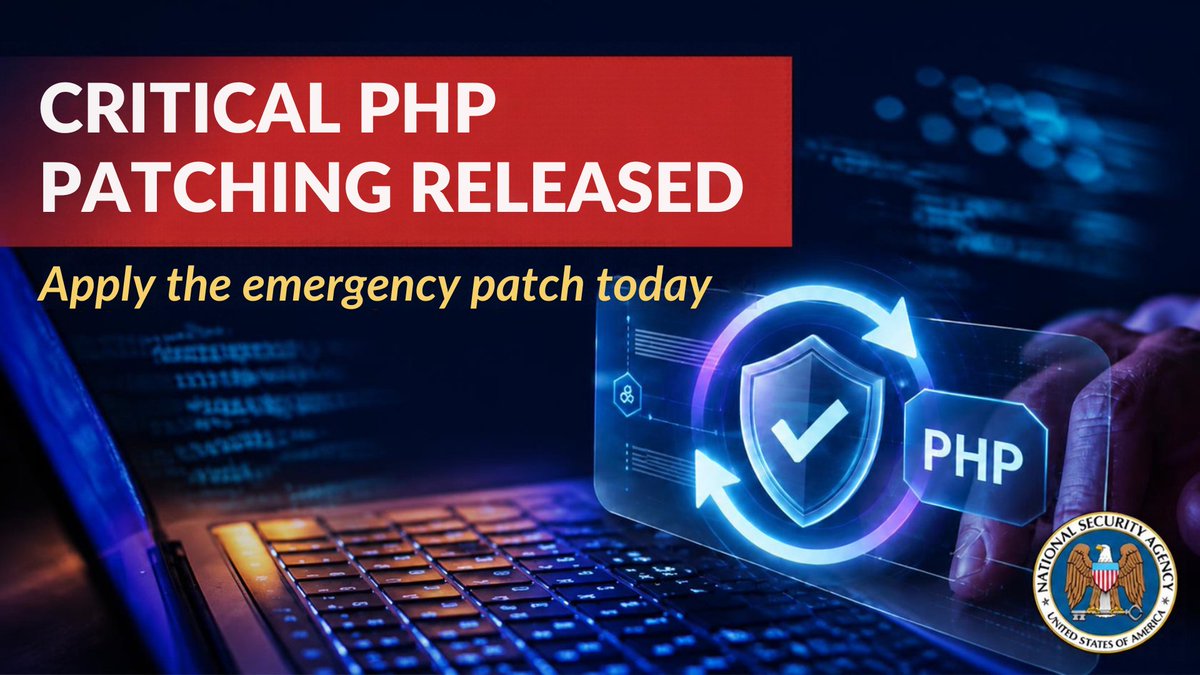
UPDATE: Specific mitigation guidance for the recently identified PHP critical vulnerabilities is now available. Secure your servers today. Guidance and technical steps here: https://t.co/nuXgQ10Fzc
Effective Immediately, all organizations using PHP for their systems are advised to be prepared for an update addressing two critical vulnerabilities. PHP is widely used for web applications. These vulnerabilities often provide a direct path to the server's file system or database. If an immediate update is not feasible, it is recommend that organizations take the system offline until it can be fully mitigated. NSA will follow up shortly with more specific guidance.
We recommend Cisco users disable the Smart Install (SMI) auto-loading feature on all NSS and DIB network devices to mitigate exploitation by remote attackers. Have you taken this action? Read more: https://t.co/e3XM9taNjI #CybersecurityAwarenessMonth
Stop Russian compromise of your network devices by hardening your SNMP. We urge NSS and DIB admins to move to SNMPv3 immediately to ensure payloads are authenticated and encrypted. Full hardening guidance here: https://t.co/dDj8IwwR3R
Closing our "25 Years Decoded: NSA & 9/11" series: NSA Deputy Director Tim Kosiba recounts working in a forensic lab on 9/11, the instant shift to protecting families, the rise of Tailored Access Operations (TAO), and his pledge to keep ���never again” alive. Learn more. #25YearsDecoded #NSAstories #WeWillNeverForget
A penultimate look at the series: Penny, a current volunteer historian for NSA’s Center for Cryptologic History (CCH) and former senior executive, shares the instant shift in priorities that turned the morning of terror into a call to action for the NSA. Tune in to hear her experience before the final episode. #25YearsDecoded #NSAstories #WeWillNeverForget
Building on the insights from Dr. Adrian Stanger, NSA’s Senior Cryptographic Authority, at the Billington Cybersecurity Conference, we're highlighting the urgent need for quantum-resistant algorithms to secure the nation’s digital future. Check out the Post-Quantum Cryptography (PQC) Resource Hub: https://t.co/ogBE3SHPzY
Email servers remain a top target for adversaries. From Russian state-sponsored phishing to exploitation of unpatched or misconfigured software, the threats are real.
For #CybersecurityAwarenessMonth, we’re sharing critical remediations to protect NSS and DIB networks. Secure your servers: https://t.co/ORsl01XsG3