We are #hiring a Research Associate (Postdoc) to build a multi-spectral focused ultrasound array and engine for delivering drugs to the brain.
Start date: 1 July 2025
Duration: 4 years
Application deadline: 6 March 2025
https://t.co/PPzvYfGPLt
We are seeking 3 PhD students to develop and use a new focused ultrasound device to manipulate neural circuits. Engineers, physicists, and neuroscientists are encouraged to apply.
Deadline: 16 Jan (R1), 15 Feb (R2, if required)
Application descriptors:
https://t.co/eNkyzthUKl
5 years in the making - happy to reveal our work to the world.
Microbubbles have been used to open the blood-brain barrier, but we have never even seen a microbubble oscillating in a brain microvessel, until now.
We present the first direct observations:
https://t.co/psQl4dIPqH
In the TTP Podcast, @jamesjchoi and Sam Barker chat with Stuart Lowe on brain drug delivery. This is a good introduction into how the blood-brain barrier blocks drugs from reaching brain diseases; and how nanomedicines and ultrasound could be the solution.
https://t.co/xFWoqf4B7l
We've come up with a way of making microchannels in soft hydrogels, down to 5 µm in diameter! We'll be using them to study Acoustic Cavitation in confinement. Published in #Small lead by @shusei_kawara and in collaboration with @TheAuLab https://t.co/FLHVPS8njH
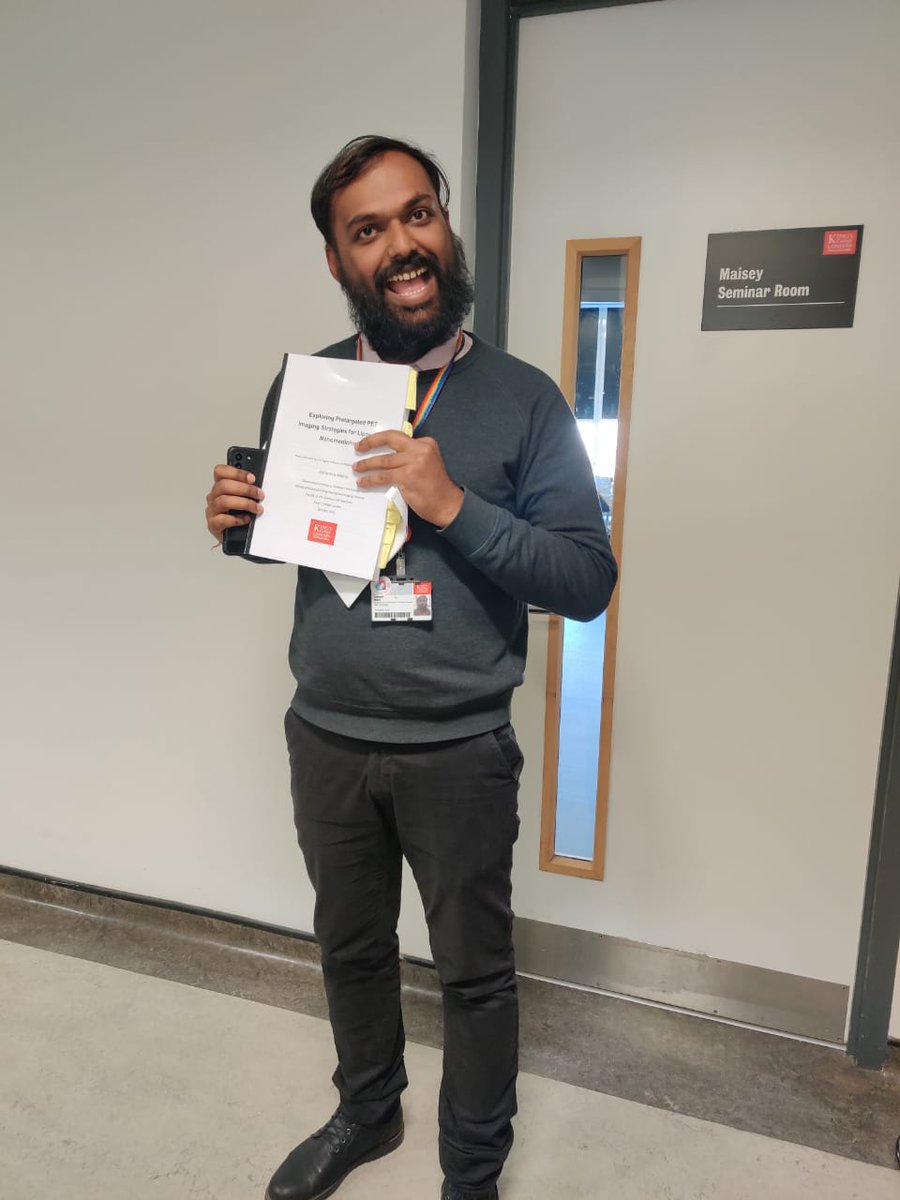
Very happy to share that I have passed my PhD viva with minor corrections last Friday. Thanks @Llop_Lab@JWElab lab for making my viva so enjoyable. Thanks to everyone else at @KingsImaging@ImagingCDT including my supervisors Rafa Torres(still not on twitter 😅) and @NSBLab
Passed my viva today! A huge thank you to my colleagues at @NSBLab! A special thank you to my examiners for the inspiring conversation, great questions, and valuable suggestions!
It's a strong end, and may also be a good start of something great.
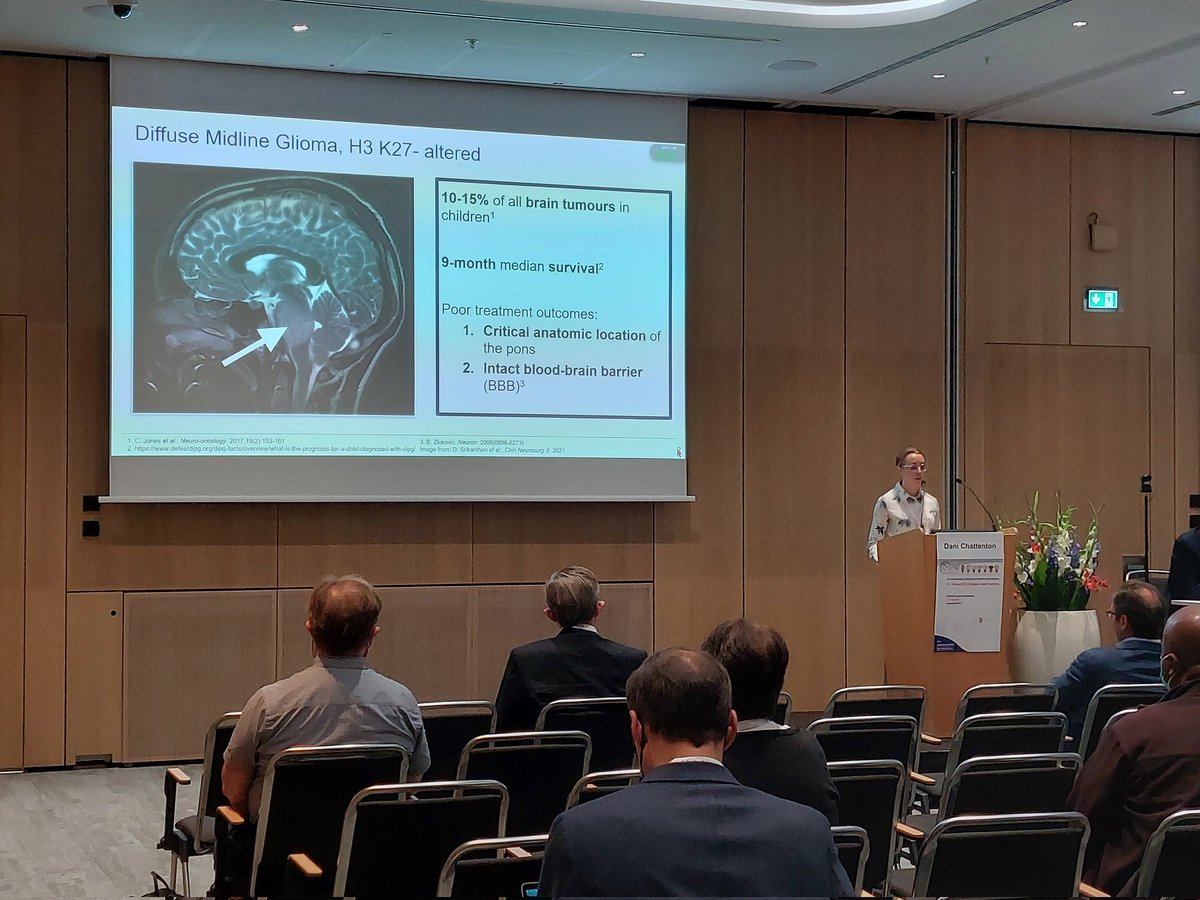
A great talk from @DaniChattenton at #ISPNO22 on her work towards testing focused ultrasound and microbubbles to deliver drug to the pons to treat #DIPG
Microphones are used to monitor therapeutic ultrasound procedures, but what are we actually listening to?
Our lab is studying how (left) ultrasound pulses travelling through a cloud of microbubbles (right) creates an asymmetric series of shock waves.
https://t.co/8GiSbqTde3
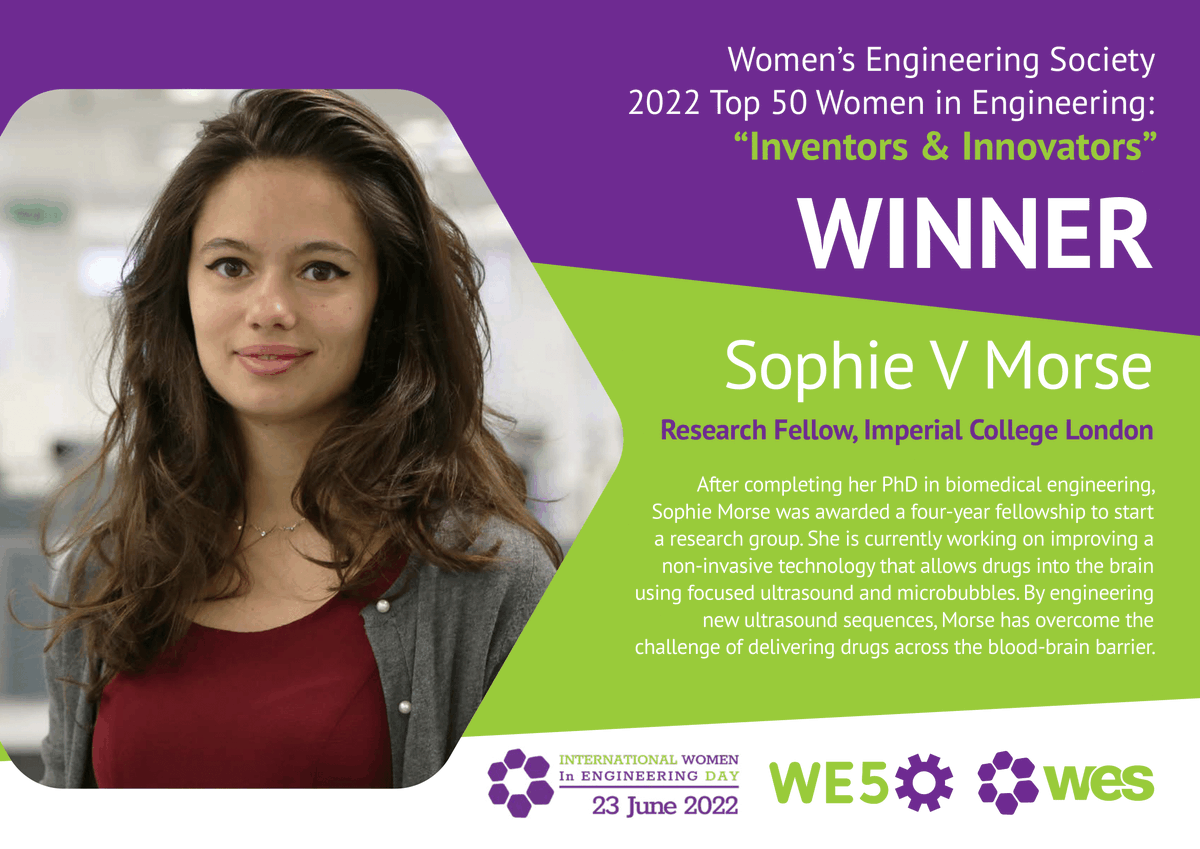
What an honour to be on this list alongside such incredible and inspirational women! A huge thank you to @WES1919@GuardianJobs and to my mentors, friends and incredibly encouraging partner, parents and sisters.
#INWED22#InventorsandInnovators
https://t.co/TpdHCYuZbL
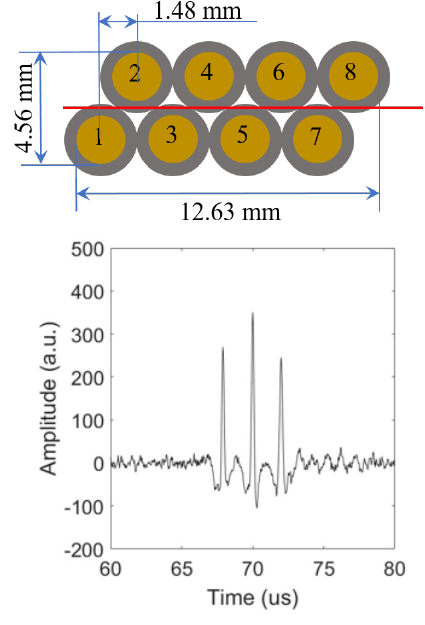
Did you know that inerital cavitation produces acoustic shock waves? If you haven't been detecting sharp compressional peaks, using smaller sensors may help. @ZhengJiang8 has built a needle hydrophone array, which can detect shockwaves and localise them. https://t.co/bnwEJO64s8