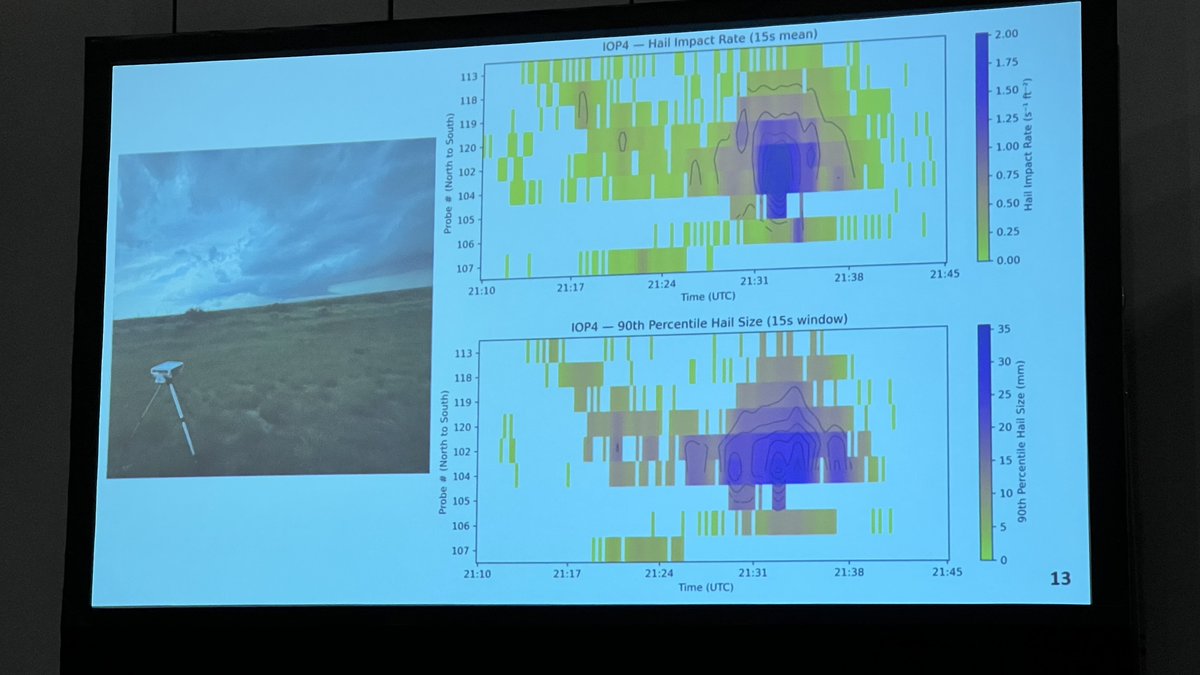
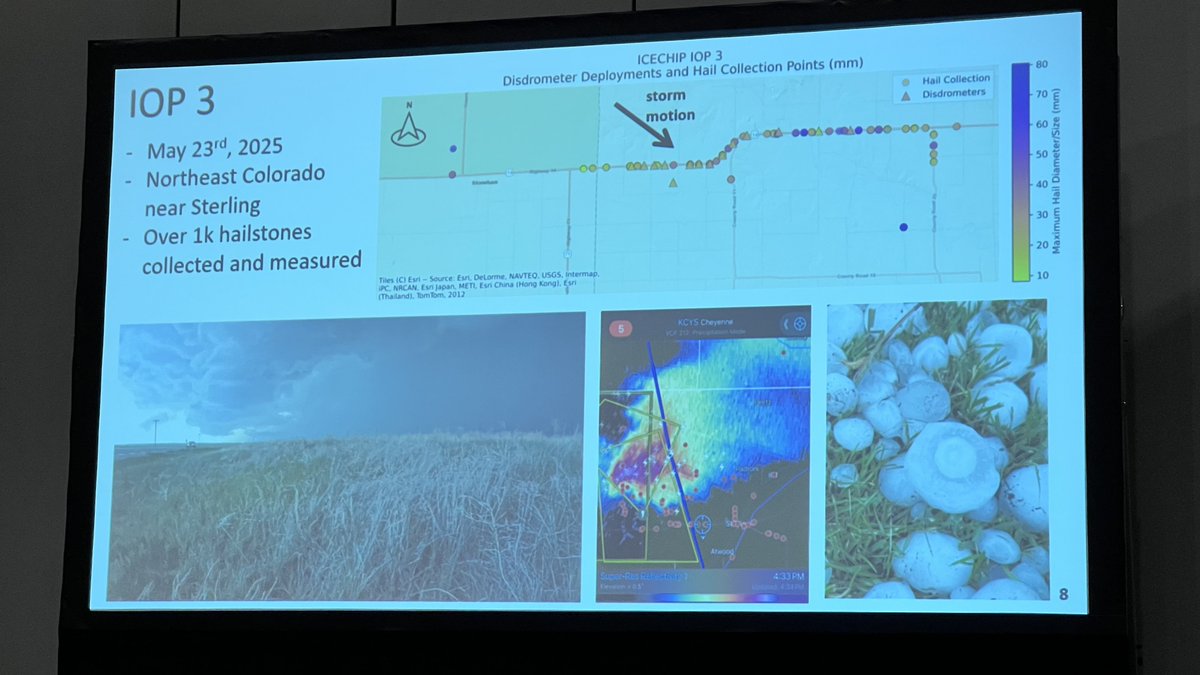
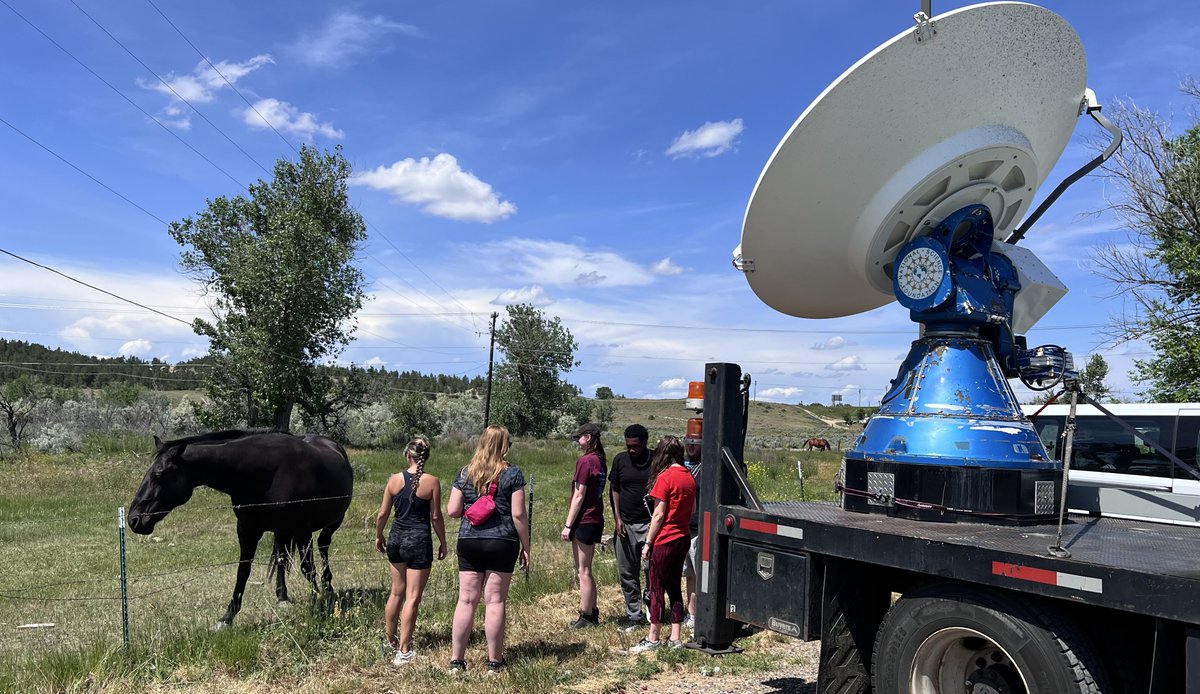
In-Situ Collaborative Experiment for the Collection of Hail In the Plains (ICECHIP). @NSF funded field campaign to better understand all aspects of hail.
After 42 days and 15,000 + miles driven, #ICECHIP completed 24 IOPs across 11 states, including within 75 miles from both the Mexico and Canada borders. This totaled more than 10,000 hailstones collected by our teams while data was gathered on different types of hailstorms!
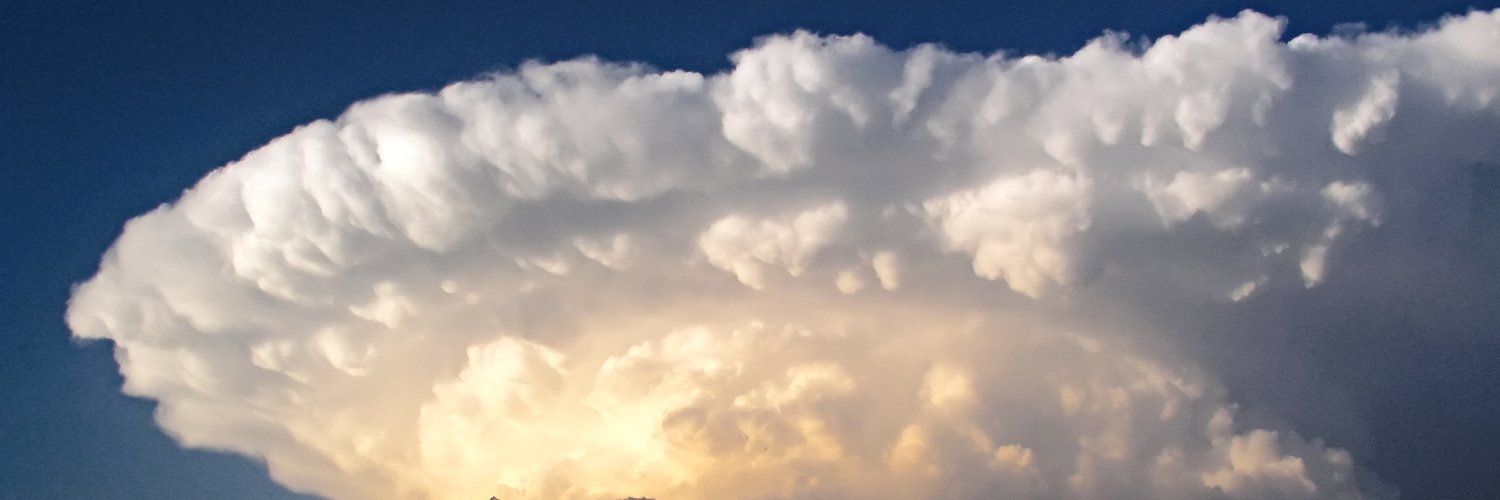
Swirls, whirls, and windshield cracking hail 😬. All in a days work near Seibert, CO on 5/21/2026! Some of those swirls and whirls crossed our delta-V = 40m/s, “it’s a tornado”, threshold 🌪️
@nsf_icechip#cowx
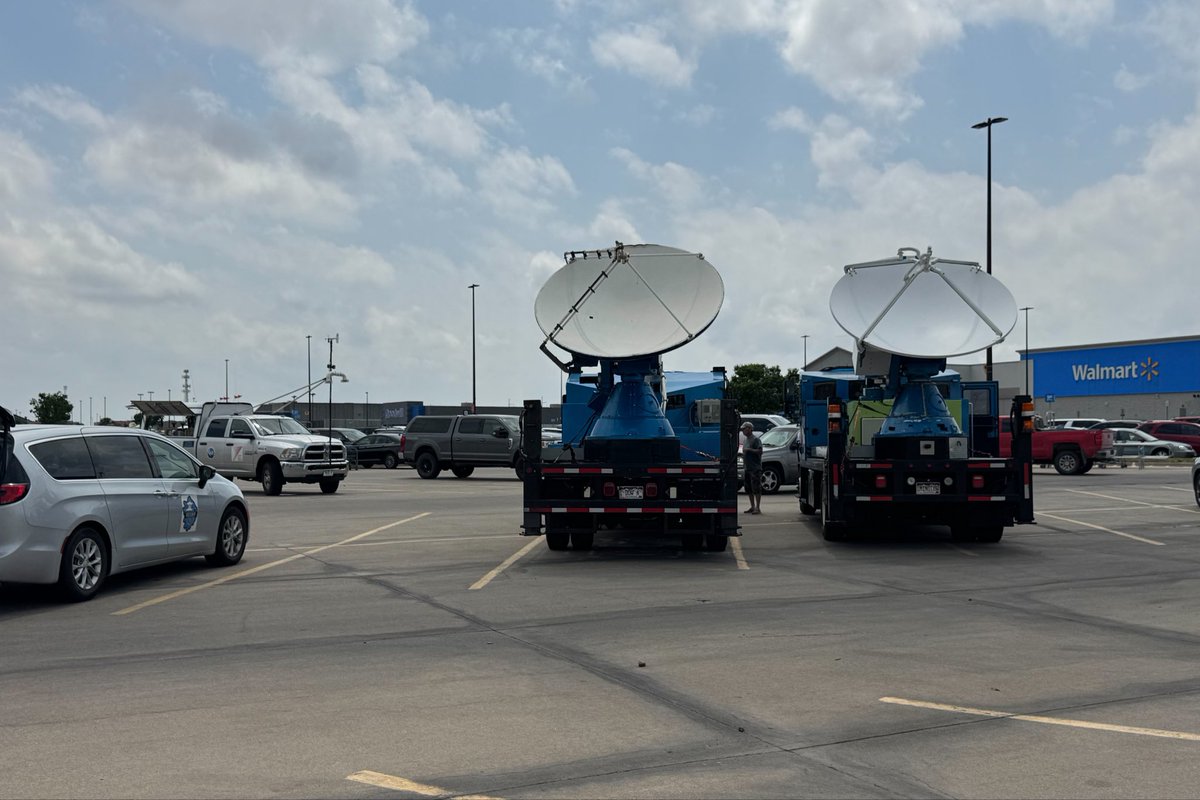
Under the mini COW 🐮 and Dow radar umbrellas 📡☂️, the heavy lifting was being done by the Pod People 👾! Pods were deployed near Coby, KS collecting the all-important thermodynamic and surface wind data in these hail storms 🧊! @nsf_icechip
🚨🚨CALLING ALL CHASERS🚨🚨
If you’re out chasing, you’re in a unique position to capture some of the most valuable hail observations available. We invite you to contribute your hail reports to the ICECHIP database and help improve our understanding of severe hail events.
It’s snowing in Illinois.
Yesterday, cantaloupe-sized hail and violent tornadoes terrorized the state after springlike warmth and summertime humidity. WILD.
In other news, @MatthewCappucci has transported a set of massive hailstones to @nsf_icechip and @ibhshailstudy.
The CU Boulder UAS team highlighted RAAVEN imagery from two operational days, with the most impressive hail swath occurring near Winnett, Montana on June 15, 2025. #AMS2026
Student meteorologist Liz Plumb takes us inside an action-packed summer 2025 field project, revealing how Penn State researchers are helping to chase down groundbreaking discoveries about hail: https://t.co/0QthubqGLM @nsf_icechip@WPSU@pcntv@PSUEMS@psumeteo
Hail causes over $10 billion in damage annually, yet remains poorly understood.
On assignment for Climate Central, Ben Tracy follows scientists racing to decode hailstorms and improve early warnings. @NCAR_Science@NIUlive@nsf_icechip
Full Video: https://t.co/hrcWNGhzOA
Learn more about the future of hail and ICECHIP’s contributions to the science in this story from NBC News.
Descubre cómo será el futuro del granizo y conoce las aportaciones de ICECHIP a la ciencia en este reportaje de NBC News.
https://t.co/NKs482JwMe
One of the most cherished parts of #ICECHIP was the large student involvement, with more than 70 students from over 13 universities contributing to the data collection. We thank them for their hard work and what a fantastic experience early in their careers!
Una de las partes más apreciadas de #ICECHIP fue la gran participación estudiantil, con más de 70 estudiantes de más de 13 universidades contribuyendo a la recolección de datos...
I rode along with the meteorologists chasing the world's most extreme hail storms across the Great Plains in a massive effort improve our forecasts of these damaging events. Thanks to all involved in @nsf_icechip for having us. Had a hail of a good time.
https://t.co/Jb6rRbbdBw
What is the 411 on @NSF_ICECHIP? ℹ️
Throughout May and June, #IBHS researchers were part of a 6-week #hail deployment. Hear from lead PI @AdamsSelin from @AER_inc as she brings us back to basics on the project.
After 42 days and 15,000 + miles driven, #ICECHIP completed 24 IOPs across 11 states, including within 75 miles from both the Mexico and Canada borders. This totaled more than 10,000 hailstones collected by our teams while data was gathered on different types of hailstorms!
Después de 42 días y más de 15,000 millas recorridas, #ICECHIP completó 24 POIs en 11 estados, incluyendo zonas a menos de 75 millas tanto de la frontera con México como de la frontera con Canadá...