🔷 How Are Peptides Studied?
A research-only look at common laboratory methods used to study peptide-related questions.
Read more: https://t.co/TFKHIhpoxM
Research use only. Not for human or clinical use.
🔹 RUO framing matters when interpreting peptide research.
Research Use Only findings belong in laboratory and preclinical context — not clinical or diagnostic conclusions.
🔗 Read more:
https://t.co/tUV06Y89ep
#ResearchUseOnly#RUO#PeptideResearch
🔹 RUO materials belong in laboratory research settings.
In peptide studies, Research Use Only context may include assays, cell-based models, and preclinical research interpretation — not clinical or diagnostic use.
🔗 Read more:
https://t.co/tUV06Y89ep
#ResearchUseOnly#RUO
🔹Research Use Only (RUO) means a material is intended for laboratory research settings — not clinical or diagnostic use.
In peptide studies, RUO framing helps define experimental scope and non-clinical interpretation.
🔗 Read more:
https://t.co/tUV06Y89ep
#ResearchUseOnly
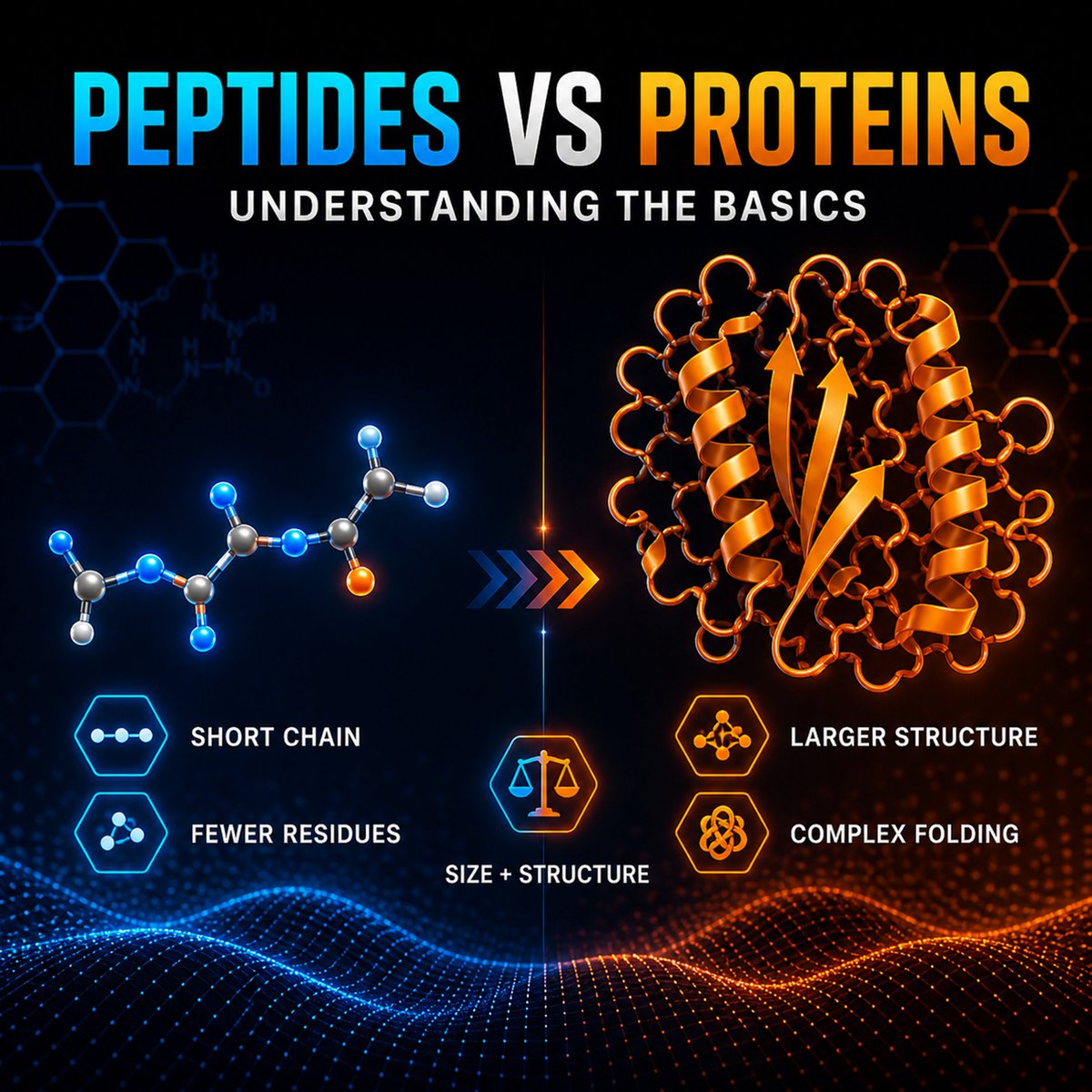
🔷 Structure shapes function.
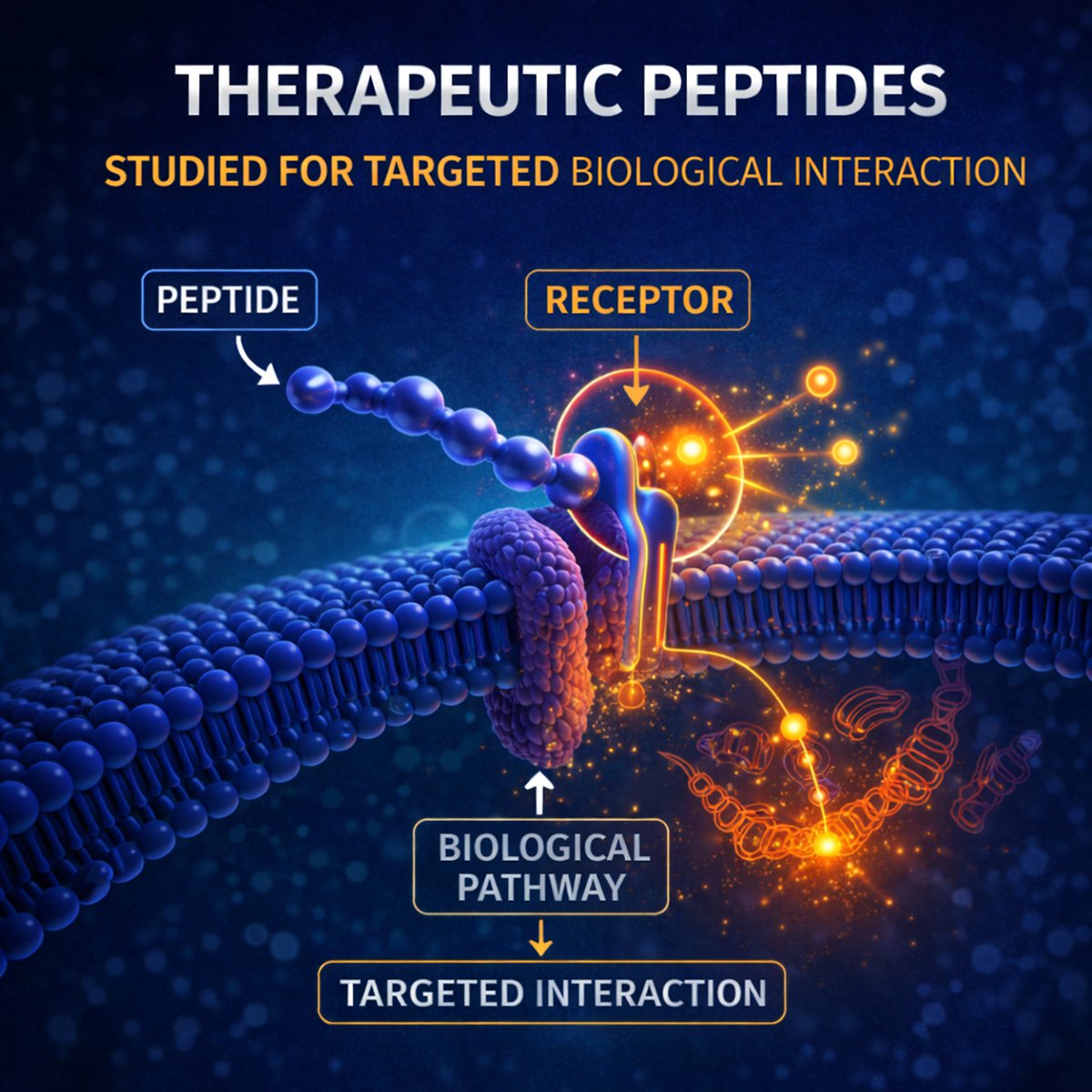
Peptides are often studied for receptor binding and signaling interactions.
Proteins form folded structures with active sites and interaction surfaces central to molecular biology research.
🔗 Read more:
https://t.co/fBSqd5z4lh
🔹 Peptides and proteins are both amino acid chains, but research literature often classifies them by size and structure.
Peptides: shorter chains
Proteins: longer folded structures
🔗 Read more:
https://t.co/fBSqd5z4lh
#Peptides#Proteins#ResearchUseOnly
🔹Peptides and proteins are both amino acid chains, but they differ in size, folding, and structural complexity.
Peptides are usually shorter and simpler. Proteins are larger, folded biomolecules studied for diverse cellular mechanisms.
🔗 Read more:
https://t.co/fBSqd5z4lh
🔹 How do cells communicate?
In research, signaling peptides are studied for:
• receptor binding
• signaling pathways
• cellular communication
Learn more:
https://t.co/cJPayfBglz
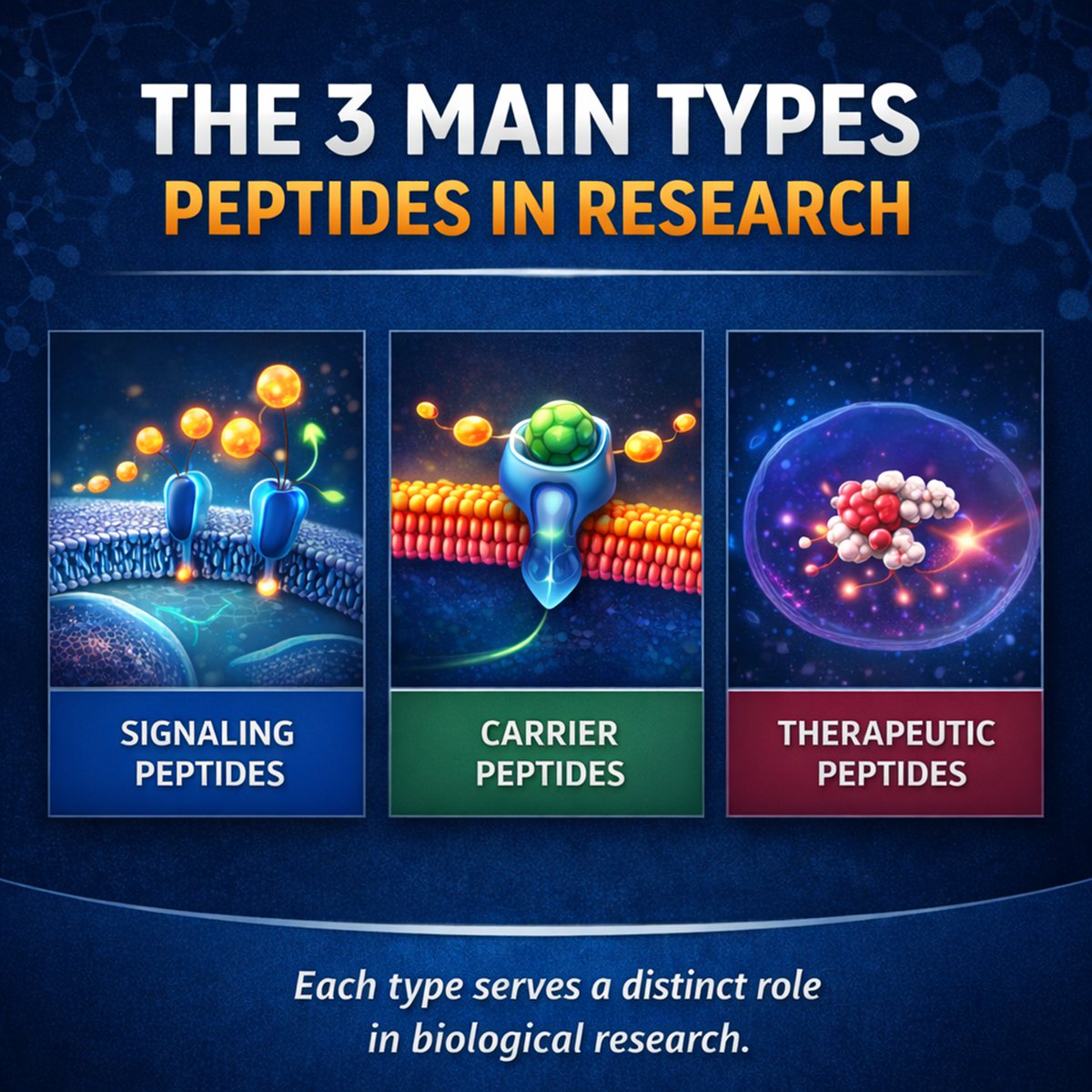
Peptides aren’t one category.
🔹 In research, they’re often grouped as:
• Signaling
• Carrier
• Therapeutic
Each serves a different function 👇
https://t.co/cJPayfBglz
🔹 Not all peptides are the same.
In research, some are studied for:
• communication
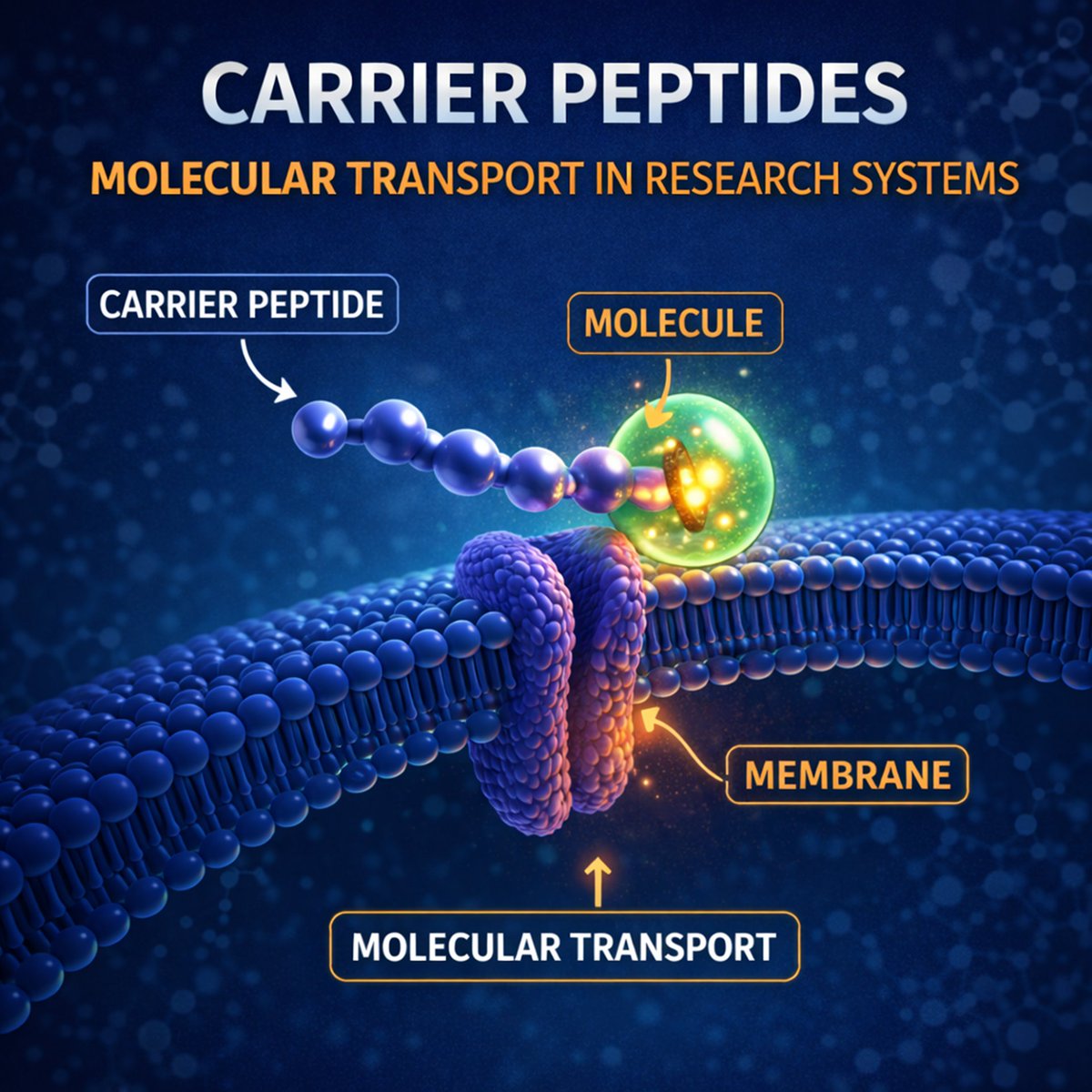
• transport
• targeted interaction
Here’s a simple breakdown:
https://t.co/cJPayfBglz
🔹 Peptide signaling helps researchers understand how cells communicate and respond to molecular signals
A foundational concept in lab-based research
https://t.co/SaPIYtKJWz
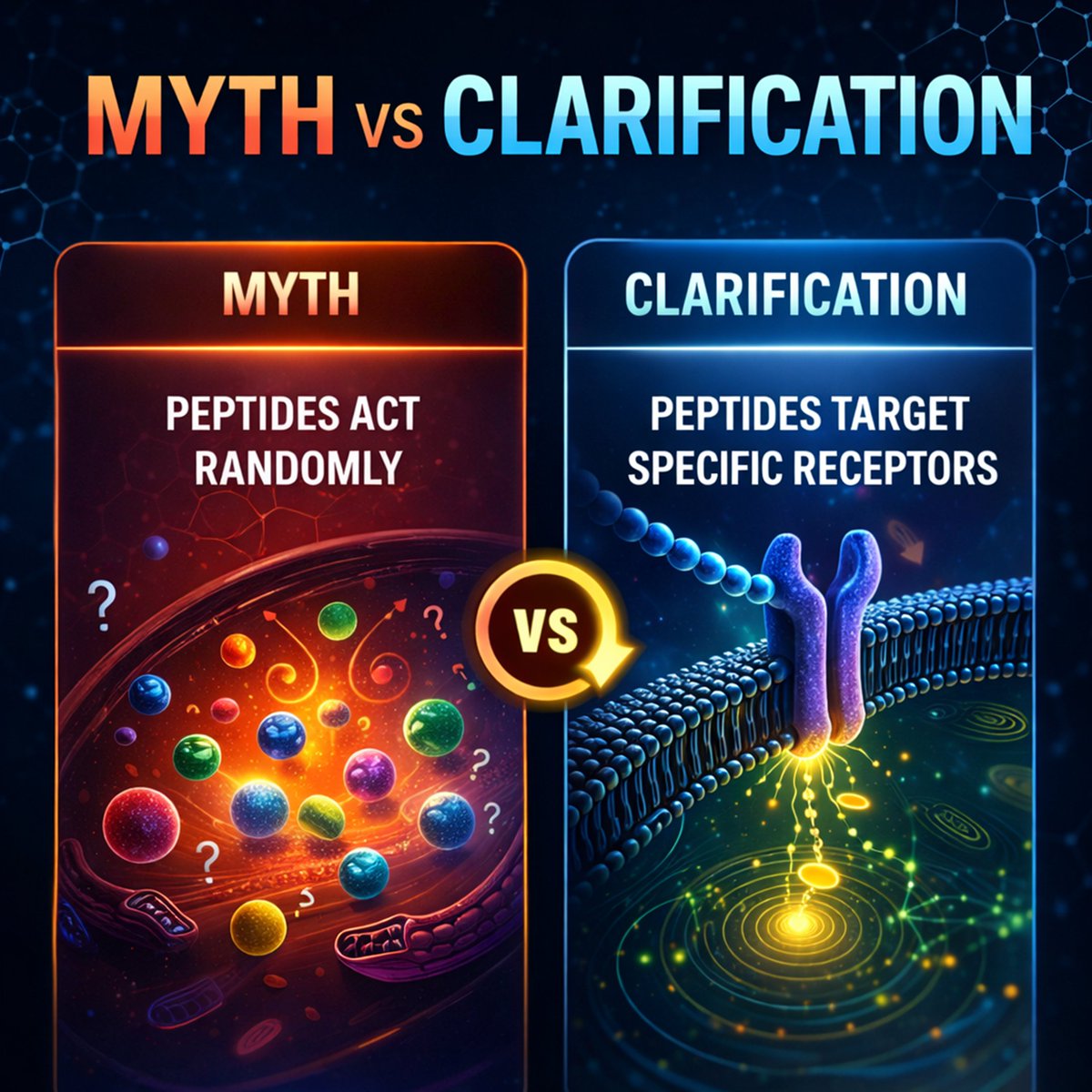
🔹Myth: peptides act randomly
Clarification: in research settings, peptides are studied as targeted signaling molecules interacting with specific receptors
https://t.co/SaPIYtKJWz
Peptide signaling, simplified:
Bind → activate → signal → respond
This is how researchers study cellular communication in lab settings.
https://t.co/SaPIYtKJWz
What is peptide signaling?
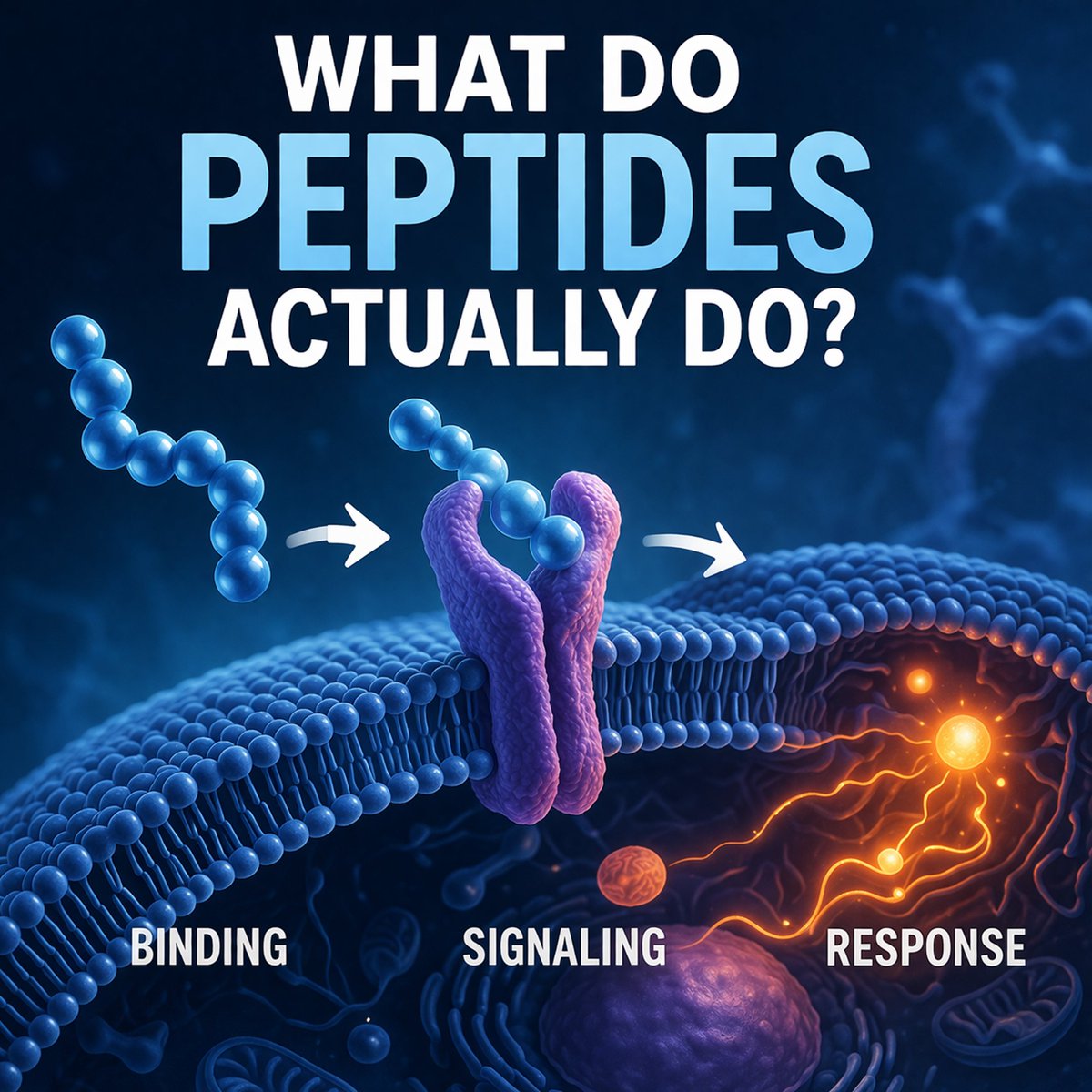
In research settings, peptides act as signaling molecules—binding to receptors and triggering cellular communication pathways.
https://t.co/SaPIYtKJWz
🔹 What do peptides actually do?
In research settings, peptides act as signaling molecules — binding to receptors and triggering cellular communication pathways.
Simple concept. Complex biology.
👉 Full breakdown:
https://t.co/SaPIYtKJWz
Why do scientists study peptides?
Because these short chains of amino acids help researchers understand how biological systems function.
Start with the basics 👇
https://t.co/ntUKmfh20M
Research peptides are often misunderstood.
They are studied in laboratory settings—not intended for human use.
Start with a clear explanation 👇
https://t.co/ntUKmfh20M
Peptides are made of amino acids—the same building blocks as proteins.
But their shorter structure makes them useful in research for studying specific biological functions.
Start with the basics 👇
https://t.co/ntUKmfh20M