May is Wildfire Awareness Month, a time focused on prevention, preparedness, and protecting what matters, together.
Wildfires are largely preventable, with nearly 85% caused by human activity. Taking steps to reduce risk, prepare your home and family, and stay informed all play an important role in keeping communities safe.
Tomorrow, May 2, is Wildfire Community Preparedness Day, remember that small actions can make a big difference. Take a few steps to reduce risk where you live:
• Clear dry vegetation and debris around your home
• Create and maintain defensible space
• Check local fire restrictions and conditions before outdoor activities
• Make a plan with your family in case of evacuation
Learn more: https://t.co/gaR6gxOjfY
Breakup season is approaching across Alaska. The latest update from the @NWSAPRFC highlights timing, areas of concern, and how to prepare for flooding.
Watch the full update and stay informed.
https://t.co/p33R3iMSSy
#RiverWatch2026#AlaskaWeather#AKwx#AlaskaBreakUp
Thanks for joining us for Flood Preparedness Week! Stay alert year:
📍 Check real-time river forecasts: https://t.co/aKT6RtpfDs
📸 See breakup reports & river photo flights
📧 Report flooding: https://t.co/[email protected]#FloodPreparednessWeek#AKwx#BeFloodReady
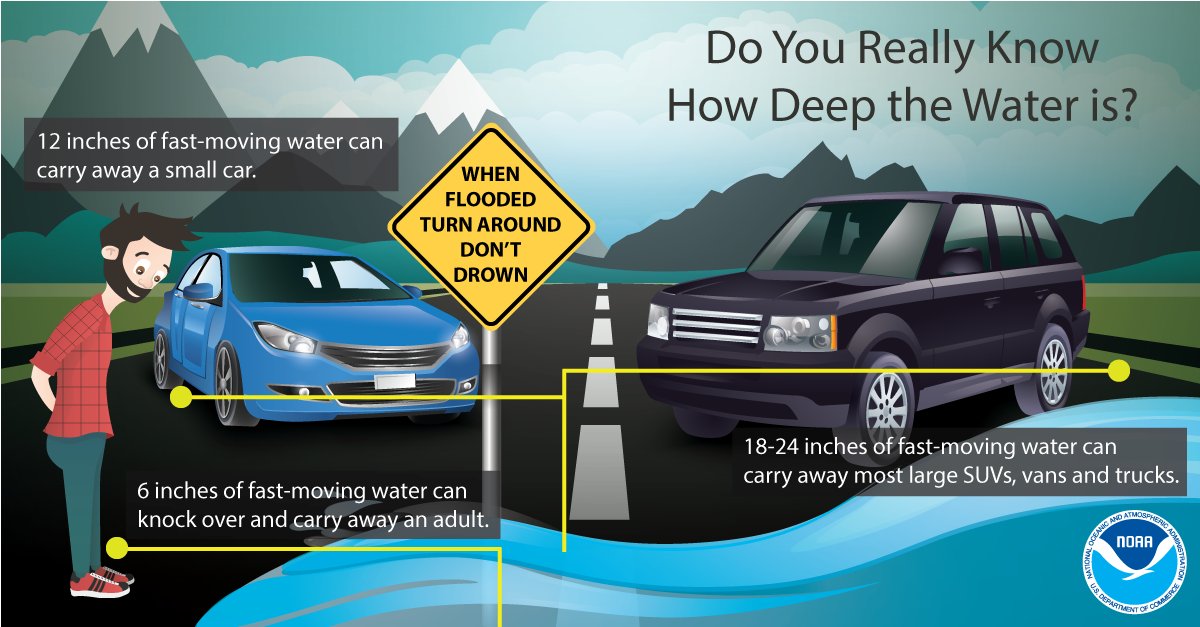
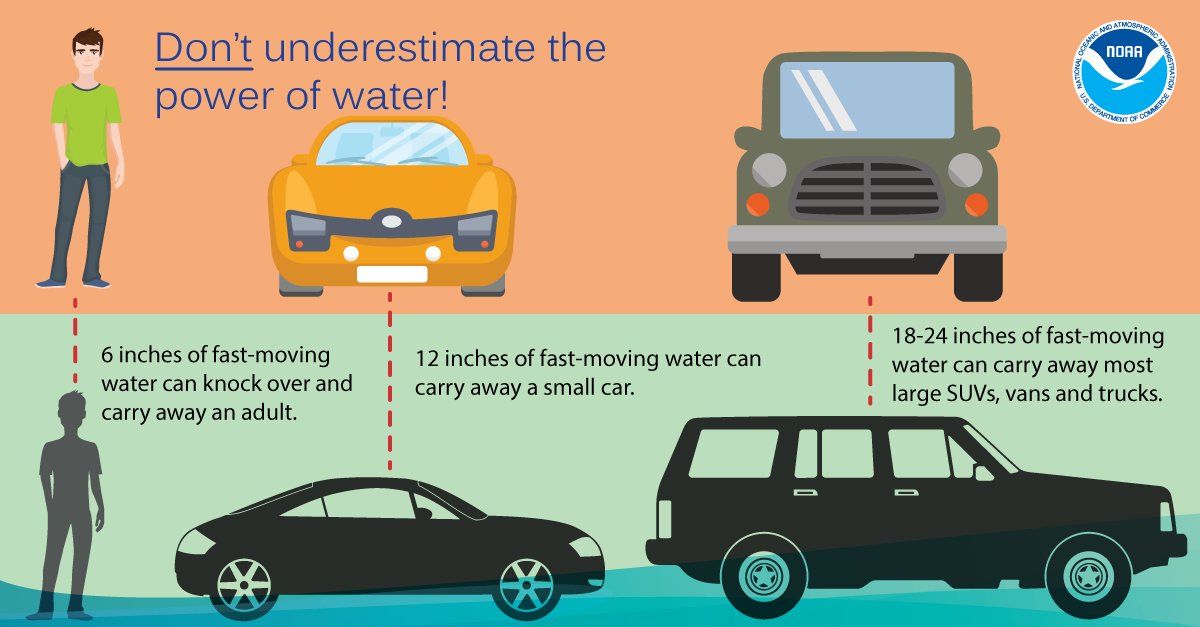
Floodwaters move fast and can be deadly. Stay informed with NOAA Weather Radio or local alerts. If water is rising, get to higher ground. Never walk or drive through floodwaters—just 6 inches can knock you down.
https://t.co/3fJ5TxhwFb
#FloodSafety#AKwx@NWSAPRFC
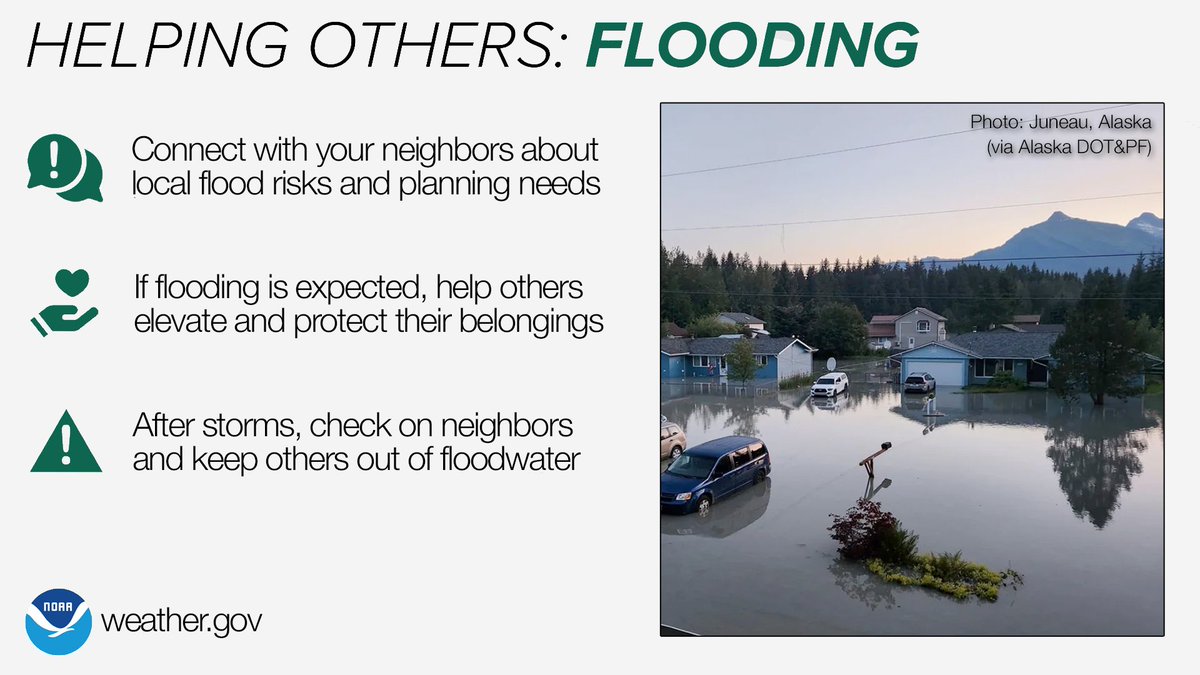
A flood can cut off access to roads, power, or clean water. Be ready with an emergency kit that includes food, water, a NOAA Weather Radio, first aid supplies, medications, and important documents in a waterproof container.
#FloodPreparedness#AKwx@NWSAPRFC
River breakup season is here in Alaska.
What causes flooding, and why are some years more dangerous than others?
Learn how breakup works and how to prepare.
https://t.co/eXue0TtkqT
#FloodPreparednessWeek#RiverBreakup@NWSAPRFC
Turn Around, Don’t Drown®
🌊 Just 6” of moving water can knock you down.
🚙 12” can carry away a car.
🚫 NEVER drive through flooded roads.
🎥 Watch the PSA: https://t.co/2b5kKqHBWX
#TADD#FloodSafety#AKwx@NWSAPRFC
⚠️ Flood alerts help you know when to take action:
🟡 Flood Watch = Conditions are favorable
🟠 Flood Advisory = Minor flooding possible
🔴 Flood Warning = Flooding is happening or will soon
Being familiar with these alerts could save your life.
#FloodPreparednessWeek#AKwx
🌧️🏔️ Debris flows happen fast after heavy rain, snowmelt, or earthquakes. Watch for creek changes, ground cracks, or rumbling.
Stay alert, especially in steep terrain. More from USGS: https://t.co/Jd3t5OKUWm #DebrisFlow#FloodPreparednessWeek#AKwx@NWSAPRFC
🧊 Ice jams are a major cause of spring flooding in Alaska. They form quickly, block rivers, and send water into nearby communities.
Monitor river conditions here: https://t.co/90vjtVC2oZ
#IceJam#SpringFlooding#AKwx
River breakup isn’t the same every year. Snowpack, ice thickness, and spring temperatures all play a role and small changes can impact flood risk.
Learn what drives breakup in Alaska.
https://t.co/sMR9JcF28K
#FloodPreparednessWeek#Alaska#RiverWatch@NWSAPRFC
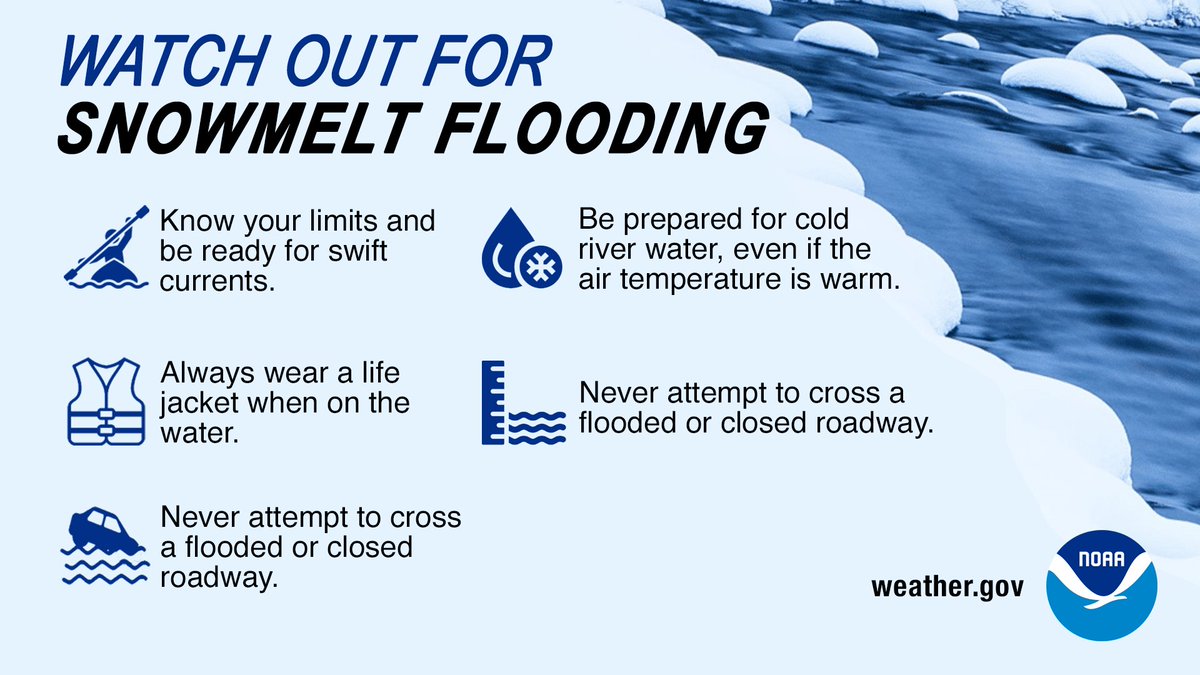
Spring in Alaska means ice breakup, rising rivers, and melting snow. Ice jams and snowmelt are the biggest spring flooding threats. Know your risk and prepare before the water rises.
🔗 https://t.co/dBWxtXALnf
#FloodPreparednessWeek#AKwx@NWSAPRFC
As Alaska rivers break up each spring, flooding risks can increase quickly. River Watch helps monitor ice conditions and provide real-time information to communities.
Learn how it works and why it matters.
https://t.co/rfwJm58tIm
#FloodPreparednessWeek#Alaska@NWSAPRFC
Spring in Alaska brings flood risks from ice jams, snowmelt & sometimes rain. 🧊 Water can rise fast & flood low-lying areas. 🏘 Many Alaska villages face flood and/or erosion risk.
Be prepared: https://t.co/VRXv5NV4KY
#FloodPreparednessWeek#AKwx@NWSAPRFC
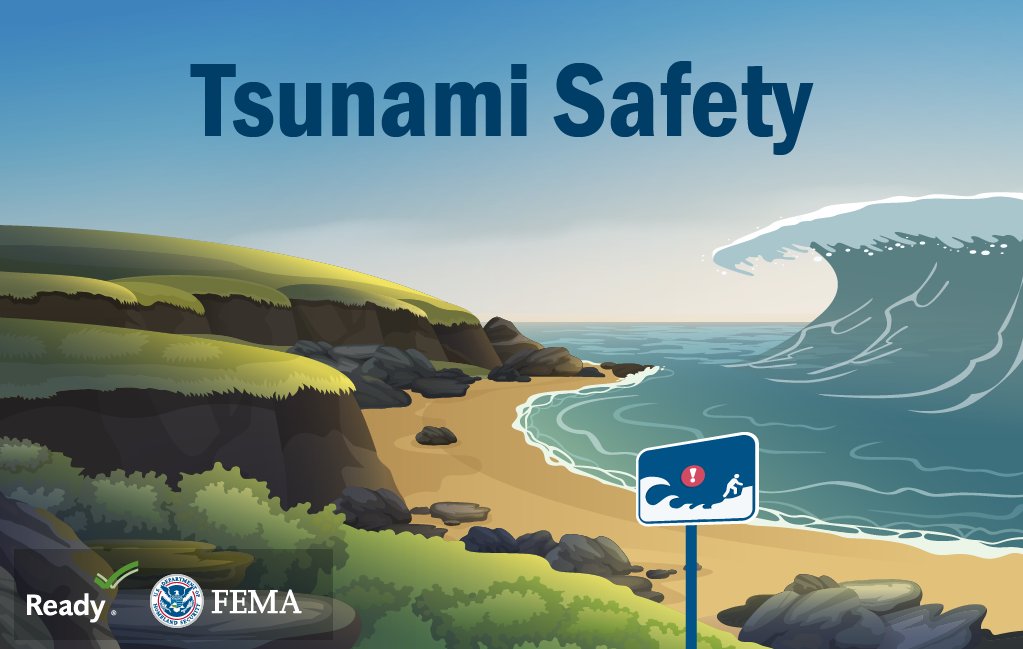
YOU can help save lives! Tsunami safety starts with awareness:
🔹 Share this week’s tips.
🔹 Encourage others to prepare.
🔹 Follow emergency agencies.
Together, we can build a tsunami-ready community!
#TsunamiPreparednessWeek@NWS_NTWC
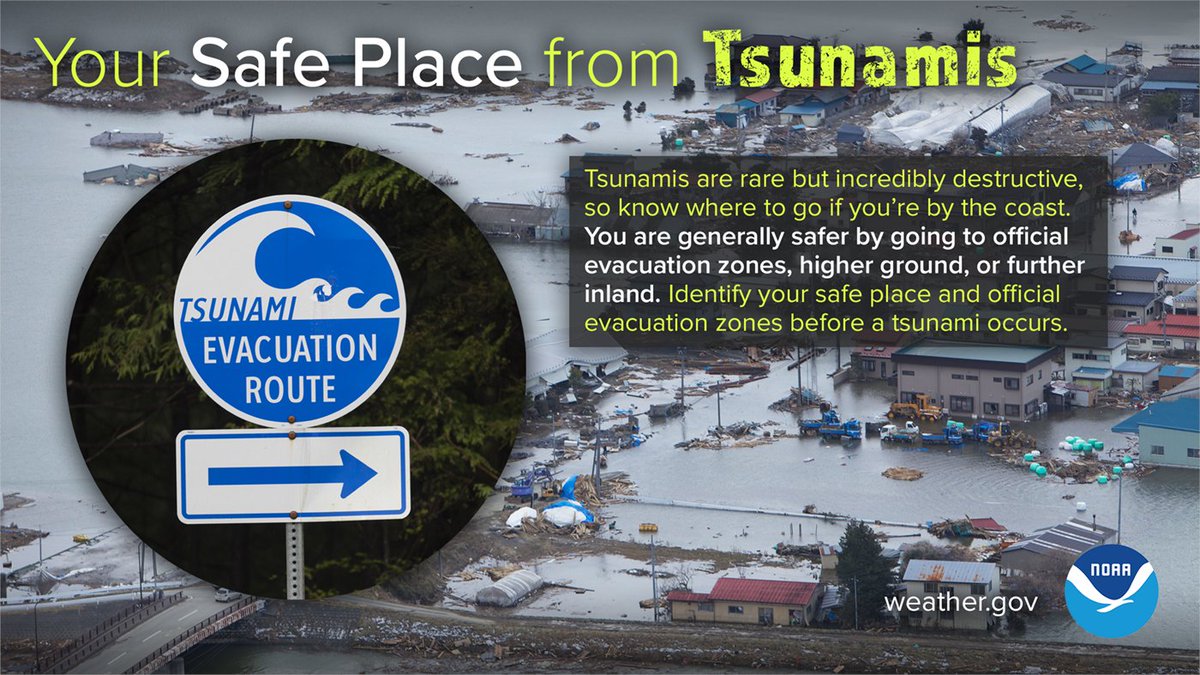
🌊 Know your safe place before a tsunami happens.
If you���re near the coast:
⬆️ Go to higher ground
➡️ Move inland
📍 Follow evacuation route signs
#TsunamiPreparednessWeek @NWS_NTWC
Tsunamis can impact coastal Alaska with little to no warning. Learn how alerts work, what’s changed, and the natural warning signs that could save your life.
🎥 Watch now: https://t.co/dDB42vgU4i
#TsunamiReady#TsunamiPreparednessWeek
🌊Today in Tsunami History 🌊
March 27, 1964: the Great Alaska Earthquake triggered tsunamis that caused widespread damage, including in Kodiak.
It’s a reminder that Alaska has experienced powerful tsunamis before.
#TsunamiPreparednessWeek@NWS_NTWC
❌ MYTH: Tsunamis only happen in the Pacific.
✅ FACT: All US coasts are susceptible, including the Atlantic & Gulf.
❌ MYTH: Tsunamis are just one wave.
✅ FACT: They come in multiple waves over hours. The first wave isn’t always the largest!
#TsunamiPreparednessWeek@NWS_NTWC