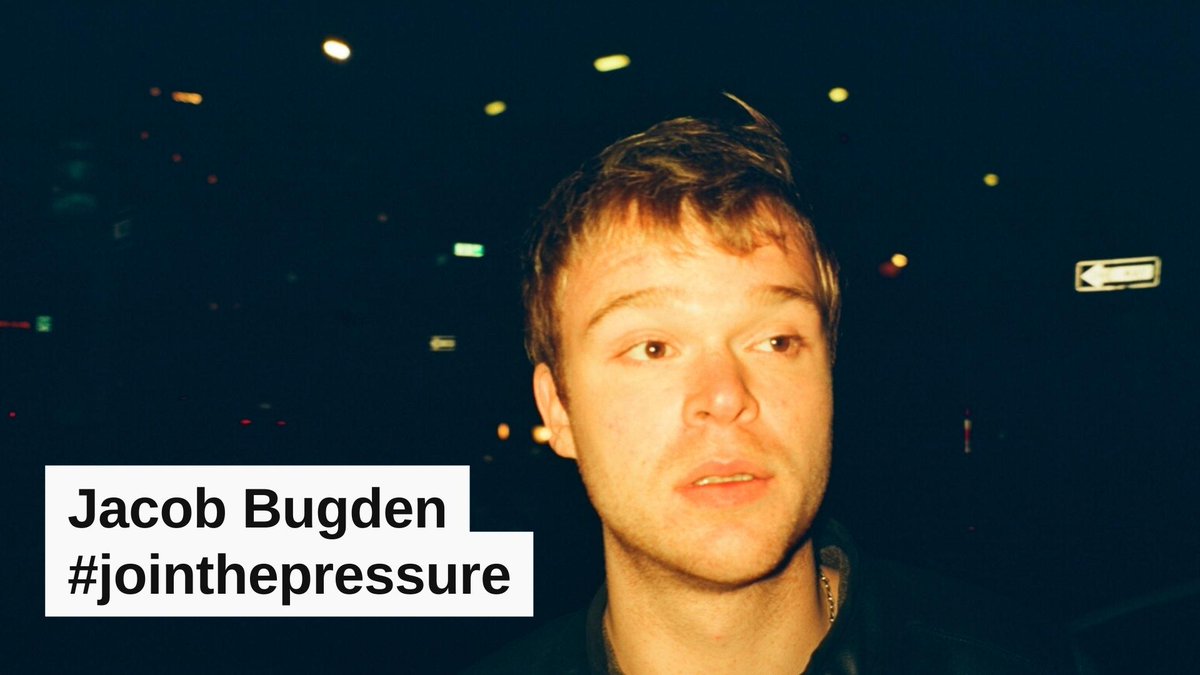
Jacob Bugden, the legendary guitar player for @beabad00bee is making his solo debut and will be releasing a #Web3Music collection, 'Nymphs' on Public Pressure. Let's give him a warm welcome.🖤
FRI 14 APR - 6 PM CET
#jointhepressure#noise#avantgarde#Polkadot
As the world continues to shift towards digital technologies, it is becoming increasingly important for the music industry to explore new opportunities and ways of doing business. One of the most exciting developments in recent years has been the emergence of web3 and blockchain technology, which has the potential to transform the way we think about music distribution, ownership, and monetization.
At its core, web3 is about building a decentralized internet that empowers users and enables new forms of collaboration and value creation. This is achieved through the use of blockchain technology, which allows for secure, transparent, and tamper-proof transactions without the need for intermediaries.
For the music industry, web3 presents a number of exciting opportunities. First and foremost, it offers a new way to distribute music that is more transparent, efficient, and fair for artists and fans alike. With blockchain technology, artists can release their music as NFTs (non-fungible tokens) that can be bought, sold, and traded on decentralized marketplaces. This means that artists can retain ownership and control over their music while also reaching a global audience without the need for traditional distribution channels.
Beyond distribution, web3 also presents new opportunities for monetization. By leveraging blockchain technology, artists can create new revenue streams through things like smart contracts and decentralized royalties. For example, an artist could create a smart contract that automatically pays them a percentage of the revenue generated from their music every time it is played or sold.
Another key benefit of web3 for the music industry is the potential for greater fan engagement and participation. Through the use of decentralized platforms, fans can become more involved in the creation and distribution of music, from supporting emerging artists to participating in crowdfunding campaigns to curating their own playlists and mixes. This can help to build stronger, more loyal communities around artists and their music, leading to greater success and sustainability in the long run.
In addition to these practical benefits, web3 also has the potential to transform the way we think about music ownership and value. By using blockchain technology to create unique, verifiable digital assets, artists can create a new kind of scarcity and exclusivity that is not possible with traditional streaming services. This can lead to the creation of new forms of cultural capital and social status, as well as new opportunities for branding and marketing.
Of course, there are still many challenges and obstacles to overcome in order to fully realize the potential of web3 for the music industry. There are technical hurdles to overcome, such as developing user-friendly interfaces and ensuring interoperability between different platforms. There are also legal and regulatory challenges to consider, such as ensuring compliance with copyright and licensing laws.
However, despite these challenges, there is no denying the potential of web3 to transform the music industry in profound and exciting ways. By embracing blockchain technology and decentralized platforms, artists and fans alike can create a more equitable and sustainable music ecosystem that benefits everyone involved. Whether you are an artist looking to reach a global audience or a fan looking to support your favorite artists in new and innovative ways, web3 has the potential to revolutionize the way we think about music.