The Center is honored to be the recipient of the inaugural grant from the SCWA's Innovation in Water Research Fund. The project seeks to identify a locally sourced carbon alternative capable of removing multiple #PFAS compounds simultaneously.
The Center is excited to welcome our new Associate Director for Emerging Contaminants Research, Dr. Lokesh Padhye. Dr. Padhye will be leading our research group dedicated to enhancing water quality in both natural and built environments. https://t.co/ouLUYtt2aq
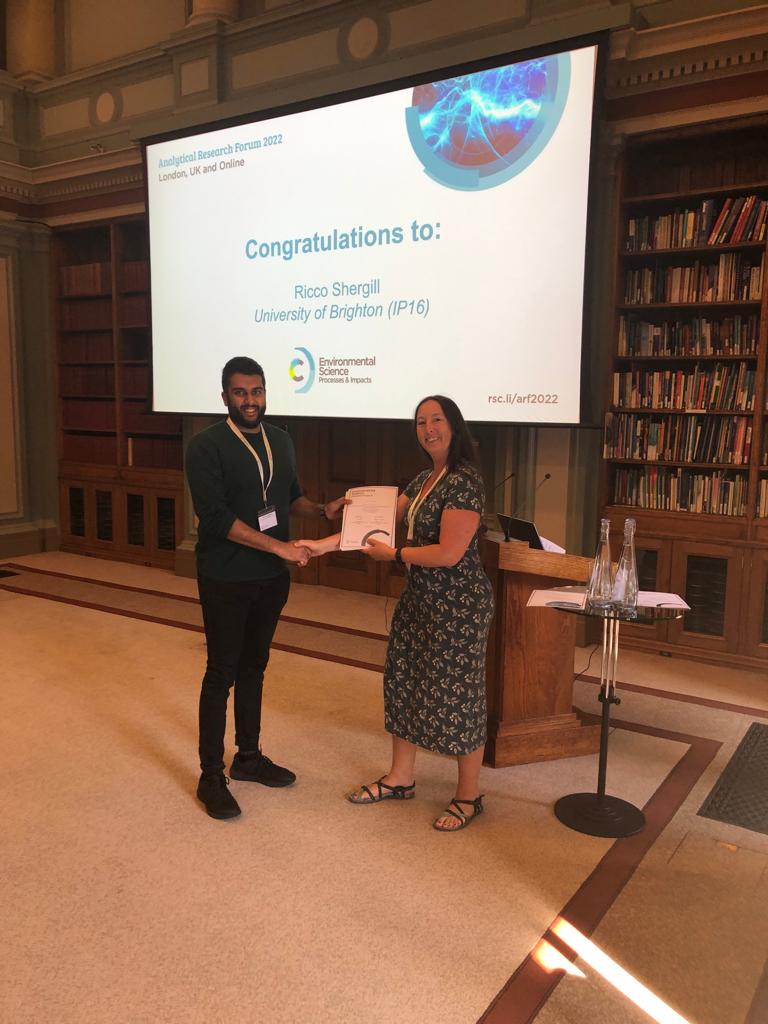
Congratulations to Swadhina Lenka and Jaime Martinez, who won prizes for their virtual posters at the Analytical Research Forum yesterday in London. Well done also to @RicoShergill who won the Participants' Poster Prize in a vote of all the attendees. Well done all!
@katieabradford Great work in summarising it. Water quality issues in NZ need a lot more visibility. It is not just pathogens and heavy metals, but also some of the chemicals of emerging concern make that 78% figure also a bit of overestimation.
Great to see our paper covered by RNZ! Some interesting findings from the first monitoring study of PFAS in urban water systems in New Zealand! https://t.co/36lOEyCdXw
The University of Auckland is looking for a Lecturer in Environmental Science. That's a great position, come and join us!
https://t.co/1Ape0Fnrc2 via @SmartRecruiters
Growing population in changing climate makes Three Waters critical https://t.co/4JUotvgQH5 @threewatersnz @NanaiaMahuta hoping for the NZ government to get this right
Do you wonder what happens to PFAS during waste water treatment? Here is a comprehensive review on the topic! Congratulations @SwadhinaLenka and @NZEnvironment on this great achievement! @EnvUoA https://t.co/HQGtfedAJT
Like so many contaminants in the environment, the presence of PFAS in wastewater and biosolids raises both concerns and unanswered questions. We have tried addressing many critical questions in our recently published critical review in Water Research. https://t.co/zQzyUeUc6r
Hi, please check out our work on NDMA formation from chloramination, chlorination and ozonation of betrixaban
@NZEnvironment@AmerChemSociety#ACSSciMeet
https://t.co/MpDOeWUAhV