Sometimes a crisis hits so hard that a country needs help from others to overcome it. That’s not one-way humanitarian saviourism, it’s international solidarity. 200 South African firefighters land in Edmonton, Canada to help fight the wildfire. Sound up 🔊
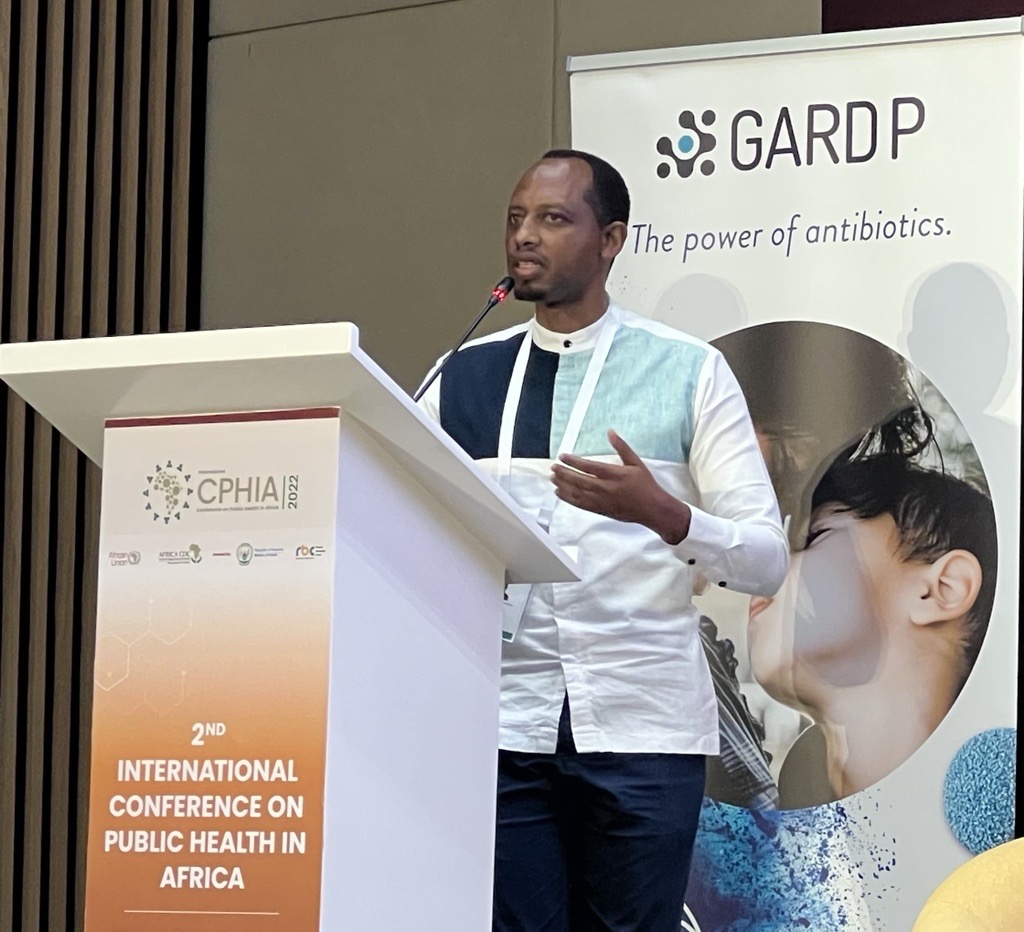
96% of global health conferences take place in high or middle income countries - thank you @AfricaCDC for resetting the compass to how it should be. #cphia2022
https://t.co/rKgrtGGZF8
“There is much to do to help stem neonatal sepsis through preventing infections and developing antibiotics. We also need research that guides the change.” John Baptist Nkuranga, Neonatologist, King Faisal Hospital, Rwanda
An observational study carried out by GARDP, @Penta_ID@StGeorgesUni @MRCCTU & @UAntwerpen has generated comprehensive, consistent and high-quality data to inform the development of improved #antibiotic treatment regimens for #neonatalsepsis worldwide. https://t.co/F5r2buXl3G
Drug-resistant infections are affecting more and more people every year, and we need to hear these personal stories to raise awareness, mobilise global action, and offer better support to those impacted.
Please share your story or help spread the word with @StoryBugProject
1/3 Extremely happy to have published my main PhD findings in @lancetGH! 🎉🎊🥳
We designed a cluster #RCT evaluating the effect of a social norm-based intervention on #handwashing in urban #CotedIvoire !
https://t.co/SCqNVG7i5b
Today is International Day of Women and Girls in Science! I am inspired by my friend @harewoodr. Women, especially women of colour, are under-represented in leadership roles in Science... let's change that!
#WomenInSTEM
“I have always had an inquisitive mind.” Rhea Harewood is one of our PhD students based at Imperial College London, researching risk factors linked to bowel cancer, to help inform prevention #WomenInScience
Lots of people are now getting interested in infectious disease epidemiology (which is great), but I wanted to do a quick thread on some common mistakes/misunderstandings to watch out for if you're new to these sorts of datasets/questions... 1/
“No healthcare worker should die while saving lives" via @SciDevNet@ekemma
If health workers are our 1st line of defense against any infectious outbreak, yet lack access to #WASH in health facilities, we may be fighting a losing battle @sanwatforall
https://t.co/EdN0KVaJIU
Aetiology of invasive bacterial infection and #AMR in neonates in sub-Saharan Africa: a systematic review and meta-analysis in line with the STROBE-NI reporting guidelines in @TheLancetInfDis: https://t.co/1TeYkB9izx
New @UNICEF report calls for urgent action to prevent #child deaths. Here are some facts:
👧🏾52M children under 5 predicted to die between 2019-30
👶🏽In 2018, 2.5M died within first month of life
🦠#Sepsis 3rd highest cause of death in #newborns
Read more: https://t.co/inCMjou55g
Trends in global health financing: absolute levels of health spending are rising, but they remain too low in many countries to finance UHC, and health is still not given enough priority by governments. https://t.co/IC069kfLcC
Great piece in @natgeo on why we can’t ⛔️ afford to forget what life was like before immunization & how vaccines for diseases like Hib and pneumonia have saved generations of children around the 🌍. https://t.co/dM75W0OUC1 #VaccinesWork
Detailed review of economic approaches to improving use of antimicrobials, with explicit comparisons to climate change models. https://t.co/GetuMwSu1l One of the recommendations from the IACG is the creation of an international science panel to advance the ball on AMR
Directors Ingrid Holmquist and Sana A. Malik accepting the 2019 @BAFTA Student Film Award for Documentary with ‘Guanajuato Norte’ #GSASpaceToGrow#baftastudents
Had a great week hosting Nimo, an amazingly talented A-level student, at @HPRUamr as part of @in2scienceUK programme supporting young people with an interest in STEM careers. If you are a researcher I highly recommend it!