Over the past century, England and Wales have lost 98% of wildflower meadows. We have also destroyed half of Britain’s ancient woodland, half of lowland ponds, 90% of freshwater wetlands and 62% of all farmland wild birds.
https://t.co/3KyQ6PljLB
The common glow-worm has been introduced to a new site at a national park in Hampshire, which has some of the darkest skies in Europe, to help boost numbers.💚
It's hoped that the males will be able see the “spectacular” night-time mating display of the females.
The location near Alton has been chosen by South Downs National Park with the aim of increasing the population of the species of beetle which is struggling across the UK because of habitat loss and light pollution.
The common glow-worm is classified as near threatened, according to the International Union for Conservation of Nature, with five other species threatened with extinction across Europe.
A spokesman for the national park authority said that there were a handful of glow-worm sites across the park, which stretches across Hampshire and Sussex, and the new location was identified with the help of its rangers.
He said the larvae, which came from a site in Devon, would be expected to grow into adults by the summer of 2027 when it was hoped the glowing...
https://t.co/kT7Rths0ui
In my native Ayrshire, and adopted Cumbrian dialects, 'broc' is badger.
In tradition, badger is held in high esteem; 'broccán' is both 'wise man' and 'badger'. Badgers near the home protect against evil influence, and represent family harmony.
art: Lily Seika Jones
The mole is the most persecuted animal in British gardens. And nearly always over a misunderstanding. 🐾
What the mole actually eats: earthworms, grubs, leatherjackets, slugs and small invertebrates. Never roots. Never.
The damage it gets blamed for — dead plants with their roots destroyed — almost always comes from voles, which are a completely different animal. The mole digs, but it doesn't eat your plants. The vole is the one that really does.
What the mole actually does in your garden:
It aerates and loosens the soil with its tunnel system, working as deep as 70cm down. It clears out beetle grubs and leatherjackets — the ones that really do eat roots. And it helps keep soil invertebrate numbers in natural balance.
The soil from molehills is quality stuff — fine, already worked, ideal as compost for pots and seed trays. Don't throw it away; collect it.
Worth knowing: Britain has just one mole species, the European mole, found right across the mainland. So if you've got molehills, this is your gardener underground.
Before you act, identify the problem properly. If the roots are being eaten, it's voles. If the lawn has molehills but the roots are intact, it's a mole. The remedies are different — and confusing the two means treating the wrong problem.
The mole works for you. Beneath your feet, every night 🌱
#wildlifegardening #moles #soilhealth #gardenwildlife
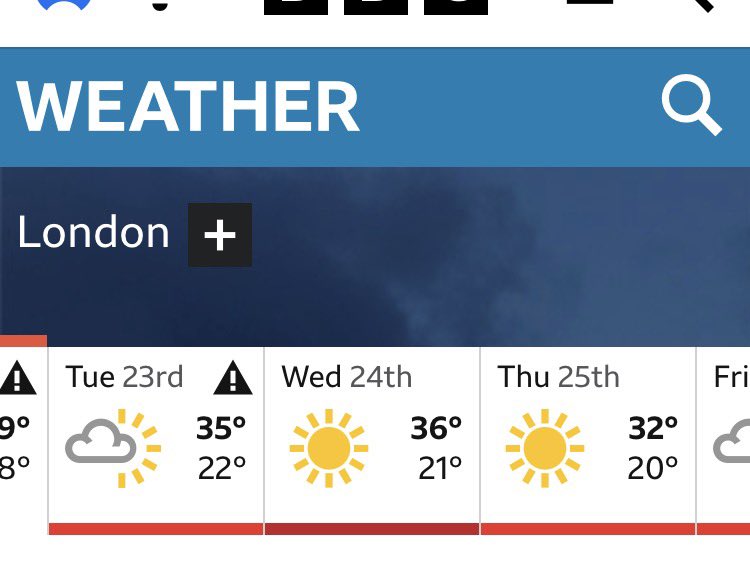
Here we go again. Not that long ago it was a very big thing if the temperature climbed above 30C in the UK, (I remember when 80F (26.6C) was regarded as very hot)- now we get these 30C+ heatwaves every few weeks.
>becomes prime minister
>wins largest majority seen in labour history
>pivots the party hard right, cracks down on palestinian protestors and privacy rights
>completely destroys the labour party
>resigns
what was bro doing any of this for
🚨 BREAKING: Keir Starmer is officially set to resign as Prime Minister
Several media reports say he'll outline a resignation timetable on Monday after consulting with his wife and family today
Halnaker tree tunnel in Sussex is a hollow way, or just Holloway
Created by 2,000 years of traffic on the original Roman Road from London to Chichester
Stane Street is the modern name of the road from Londinium (London) to Noviomagus Reginorum (Chichester)
A major new report warns that global wildlife populations have been cut in half in just four decades due to unsustainable human consumption and widespread habitat destruction.
According to the Living Planet Report by the World Wide Fund for Nature (WWF) and the Zoological Society of London (ZSL), average monitored wildlife populations declined by 50% between 1970 and 2010.
The Living Planet Index, which tracked more than 10,000 populations across roughly 3,000 vertebrate species, paints a sobering picture of humanity’s impact on biodiversity. Freshwater ecosystems were hit hardest, suffering a 75% decline due to pollution, water extraction, and dam construction. Terrestrial and marine populations both fell by around 40%, driven by habitat loss and overexploitation.
The underlying driver is humanity’s expanding ecological footprint. Global consumption already requires the resources of 1.5 Earths to sustain. This burden is highly unequal: the average U.S. resident would need nearly four Earths, while the average UK resident would require 2.5 Earths. Wealthier nations often export their environmental impact through imported goods linked to deforestation and habitat destruction in developing countries.
The report calls for urgent global action, including a shift to sustainable food systems, greater resource equity, and stronger habitat protection to reverse these trends.
[WWF. (2014). Living Planet Report 2014: Species and spaces, people and places. World Wide Fund for Nature, Gland, Switzerland]
The most advanced technologies in the world are trees, mycelium networks, river systems, and entire ecosystems. I’m personally tired of idolizing human made technology that destroys the very systems that actually sustain life and hold real wisdom.
The human species has essentially been transformed into a giant profit-generating machine for corporations.
Under capitalism, humanity exists to serve the interests of the corporation. We are all livestock; beasts of burden used to carry margin expansion forward from quarterly statement to quarterly statement. Enjoyment of life has no value other than the extent to which it can be used to increase the net worth of the shareholders.
That’s why everyone’s so unhappy. We’re not living with purpose. We’re not working together to build a better world and a better future, we’re just pulling levers to turn gears to make the arrow line go up on the graph in the conference room. It’s a hollow, pointless way for people to live.
It makes our whole culture vapid and soulless.
Music is made to be as profitable as possible, which means giving it the broadest possible appeal using formulaic song structure calculated to cause a chemical response in the largest number of human brains.
Movies are designed to draw the largest possible box office revenue at the lowest possible risk to studios and investors, often by just rehashing a movie that’s already proven successful in the past or by slapping together a story about an IP with pre-existing mass appeal.
Food is made to be fast and addictive rather than nourishing.
Healthy human connection has been commodified as social media intertwines with friendships and dating apps insert themselves into the development of romantic relationships.
Human sexuality is being warped and twisted as internet porn normalizes violence and degradation for the maximum number of clicks.
Attention and engagement have been monetized, creating an information ecosystem dominated by conflict and gossip designed to appeal to our baser instincts.
Advertisement is injected into every possible corner of our waking sensory experience, with any available space where the eye might rest or the ear might listen being flooded with psychological manipulation compelling us to consume. They’ll start running commercials in our dreams the instant they have the technology to do so.
You spend eight hours at the office working to generate corporate profits, then you come home and consume products to profit other corporations. You need your beer and snacks to unwind, your streaming services and social media to distract your mind from the stress of it all, your online clothing purchase to try to feel good about yourself, and your prescription drugs to get to sleep at night. People live their entire lives like this.
And that’s those of us who are lucky enough to be living in the global north. In the global south you get wage slavery and exploitation with far more toil, far less relaxation time, and no cheap products made by impoverished workers on other continents with which to comfort yourself.
All of humanity has been roped into this mess. And for what? To make the numbers in some bank accounts increase. To get some green arrows pointing upward on the stock exchange. To enable a few billionaires to buy islands and elections.
All while destroying the biosphere we all depend on for survival.
This, we are told, is the best possible system we could possibly be living under.
I personally do not believe this is true. I personally believe we can have better. Those who benefit from this current arrangement are going to assure us it’s impossible and do everything they can to stop us from changing it, but we do have the means to reclaim the wealth, dignity and happiness that they have stolen from us.
They built this whole machine on our backs. All we need to do is stand up.
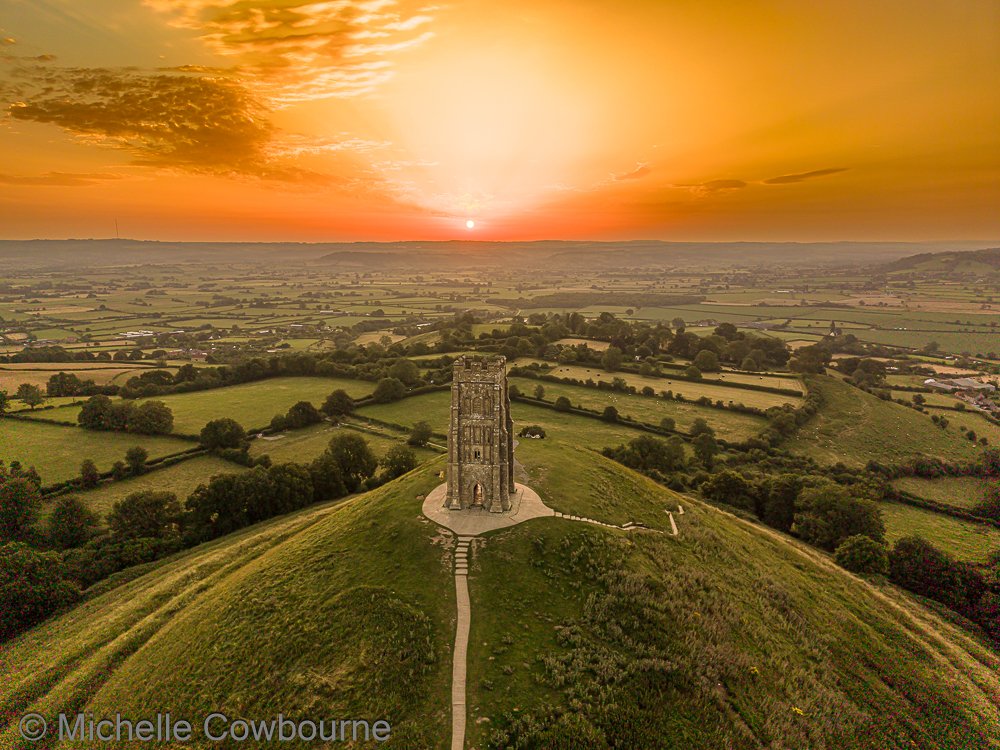
“There is a garden in every childhood, an enchanted place where colours are brighter, the air softer, and the morning more fragrant than ever again.”
― Elizabeth Lawrence, Through the Garden Gate








![Rainmaker1973's tweet photo. A major new report warns that global wildlife populations have been cut in half in just four decades due to unsustainable human consumption and widespread habitat destruction.
According to the Living Planet Report by the World Wide Fund for Nature (WWF) and the Zoological Society of London (ZSL), average monitored wildlife populations declined by 50% between 1970 and 2010.
The Living Planet Index, which tracked more than 10,000 populations across roughly 3,000 vertebrate species, paints a sobering picture of humanity’s impact on biodiversity. Freshwater ecosystems were hit hardest, suffering a 75% decline due to pollution, water extraction, and dam construction. Terrestrial and marine populations both fell by around 40%, driven by habitat loss and overexploitation.
The underlying driver is humanity’s expanding ecological footprint. Global consumption already requires the resources of 1.5 Earths to sustain. This burden is highly unequal: the average U.S. resident would need nearly four Earths, while the average UK resident would require 2.5 Earths. Wealthier nations often export their environmental impact through imported goods linked to deforestation and habitat destruction in developing countries.
The report calls for urgent global action, including a shift to sustainable food systems, greater resource equity, and stronger habitat protection to reverse these trends.
[WWF. (2014). Living Planet Report 2014: Species and spaces, people and places. World Wide Fund for Nature, Gland, Switzerland]](https://pbs.twimg.com/media/HKi4ZReW8AAy4F3.jpg)