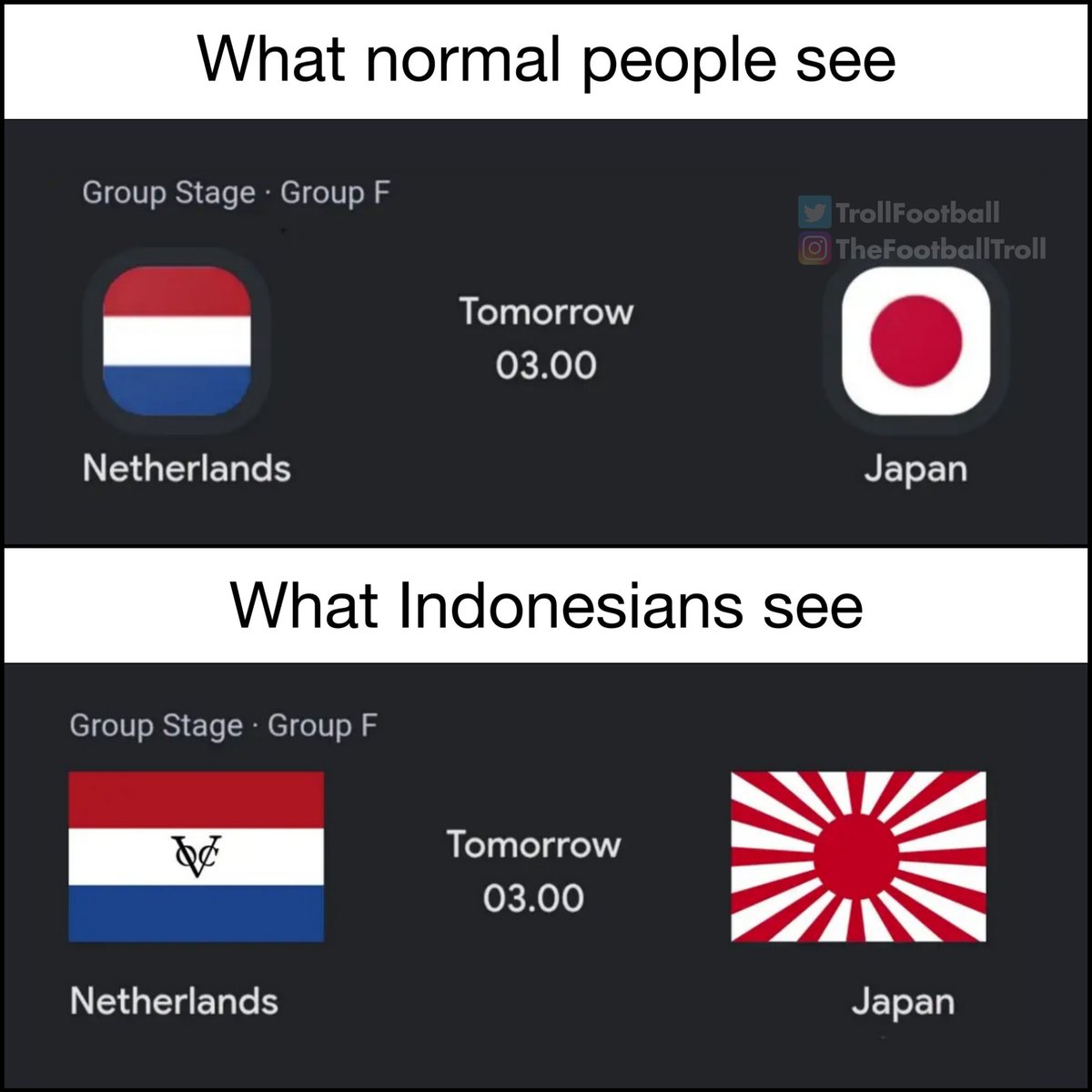
Jokes lawas Idul Adha:
*ngomong ke orang berbadan gemuk
“Ngumpet begoo, ntr dipotong lo..”
Semua orang tau ini becandaan doang. Tapi ternyata ada satu orang yg nganggep ini serius, dia takut dan akhirnya pergi ke Perancis. 😔
A baby this age usually switches toys every 2-3 minutes. This duck stair toy holds their attention 10-15 minutes straight. Watch the baby's face. It's the focus a scientist gets when an experiment is finally working.
The experiment goes like this: "is the duck going to fall down again?" After the first cycle, the baby's brain has learned the rule, and every duck after that becomes a fresh test of it. The duck climbs, reaches the top, falls down the slide, and the prediction gets confirmed. Every confirmed prediction triggers a tiny pulse of dopamine, the same brain chemical you get when you finally remember where you put your keys. To a baby, watching the duck do the expected thing feels the way solving a small puzzle feels to you.
Researchers at the University of Rochester gave this its name back in 2012. They call it the Goldilocks Effect. Celeste Kidd's lab tracked 72 seven-month-old babies as they watched videos that ranged from very predictable to completely random. The babies looked away when the videos got too boring. They also gave up when things turned too random. They stayed glued only when the pattern landed somewhere in the middle, predictable enough to follow, surprising enough to feel interesting.
The duck staircase lives in exactly that zone. The rule is simple. But each loop has just enough variation, the order the ducks come in, the bounce of the slide, the timing of each fall, to keep the brain busy checking its own predictions.
Bright yellow on a pale frame. At four months old, a baby's vision is about a third as sharp as yours, so soft pastel colors blur into mush, but high-contrast colors pop out clearly. The whole toy is also constantly moving, and babies prefer moving things to still things from their first month of life. A baby's brain forms about a million new connections every second during their first year, so anything moving is a free chance to learn.
Compare the duck toy to a fast-cut video on a phone screen. The brain can't pull a pattern from thousands of unpredictable pixels per second, so attention drops. Now compare it to a plain wooden block. Nothing is changing, so there's nothing to predict, and attention drops the other way. The duck on the stairs is the rare toy that lands right between too-much and too-little. It's why this baby can stare at it for fifteen minutes while a $300 educational toy gets two. The duck toy costs about fifteen bucks.
Rupiah Anjlok ke Level 17.600 per Dolar AS, Prabowo: Rakyat di Desa Enggak Pakai Dolar AS
"Rupiah begini, dolar begitu. Orang rakyat di desa enggak pakai dolar kok, iya kan?"
A kid drew himself sleeping in bed between mom and dad and labeled it 'safe.'
In Japan, this exact sleeping arrangement has a name. They call it 'the river.' Mother is one bank. Father is the other. The child between them is the water. Roughly 70% of Japanese mothers sleep this way with their kids, sometimes through the teenage years. The Western model of putting a kid alone in their own bedroom is barely 200 years old. For most of human history, in most cultures still alive today, kids slept beside their parents.
James McKenna runs the Mother-Baby Behavioral Sleep Lab at Notre Dame. He spent decades watching what happens when parents and kids share a bed. The bodies sync up. Heart rates align with the parent's, breathing falls into the same rhythm, and by morning even sleep stages have started matching. The parent's body, in McKenna's words, acts as a kind of biological jumper cable for the child's.
In 2013, researchers in the Netherlands tracked 193 babies through the first year of life. They measured cortisol, the brain's main stress hormone. Babies who had spent more weeks co-sleeping in the first six months produced less cortisol under stress at 12 months. Sleeping near a parent had rewired the kid's stress system to be calmer under pressure.
Inside the kid's brain at night, the amygdala, the fear alarm, gets more sensitive as the body gets tired. Darkness makes it worse. A 2021 paper in PLoS One from Australian researchers showed that light directly suppresses amygdala activity. Lights off, alarm louder. The whole brain is wired to read 'alone in a dark room' as a threat.
Now add a parent's body to that bed. The kid's nervous system reads warm body, breathing nearby, familiar smell. The threat alarm dials down. Two parents on either side dial it down twice. The drawing is the kid's brain calculating maximum safety: I am surrounded by the people who keep me alive, and nothing can reach me without going through them first.
The arrangement in this drawing is what most of human history called 'sleeping.' Sleeping the kid alone in another room is a 200-year-old Western invention that we forgot was an invention. Every kid who has ever padded into your room at 3am and crawled into the middle of the bed is just trying to redraw the picture.