@faeslily No, you’re not “self-aware” you’re just neurotic.
This is not some tragic case of a virtue becoming a flaw due to being too strong.
It’s just a normal character flaw.
I say this as a neurotic myself.
@tsumugi_meow He's doing the Floridian ascendance into manhood. During a hurricane we Floridan's send out our oldest son with a American flag and if they drop the flag or fall they have to wrestle a alligator to regain their honor and chance to become a man. Simple stuff really.
There’s this joke/meme/trope about “Mentally ill teenagers piloting giant robots”. Bro, they already made a Mecha series about what would happen if mentally healthy teenagers piloted giant robots. It’s called Mighty Morphin’ Power Rangers.
One reason we have so many issues with today's English dubs is that so many of the best dub actors graduated to video games, were there's more money to be made, and not enough talent of equal merit came in to replace them.
JYB used to be all over anime, delivering kino performances one after another. Nowadays he's just doing legacy roles.
And with the state of the industry today, who can blame him?
Chamo isso de Dilema do Cadeado: se Deus me protege e me ama, por que trancar o portão? Por que vidro blindado no papamóvel? Eu não estaria desconfiando de Deus ao me proteger? Há uma resposta simples e outra complexa sobre isso.
A simples está na Escritura: Não tentarás o Senhor teu Deus. Quando você percebe a possibilidade de perigo e mesmo assim a ignora sem motivo apenas para provocar a proteção divina, você cai na tentação que o diabo apresentou a Cristo, de se jogar do templo para que os anjos o segurassem. E Cristo responde: "Não tentarás o teu Deus".
A complexa está no final do comentário aos analíticos posteriores de Aristóteles feito por São Tomás de Aquino: quem abdica da razão perde o direito à boa providência. Se Deus te dá uma faculdade, é para que você a exerça. Se sua razão consegue conceber a possibilidade real de perigo, então está nas suas mãos te proteger quanto a isso. Se você abdica da razão, abdica do dom de Deus, e portanto de sua proteção. Mas que proteção, já que me protejo?
A proteção quanto às coisas que você não pode lidar. Por isso Paulo diz que Deus não permite tentações que não podemos vencer, ou seja, permitindo as que podemos vencer, pois estamos aqui para agir; mas quanto àquelas coisas que não podemos controlar ou até mesmo perceber, é aí que a providência de Deus sempre nos custodia conforme seus desígnios, e isto se usarmos nossa razão para nos protegermos daquilo que conseguimos conceber.
Resumindo: tranque seu portão.
@ArcoCunnivoro For a second I read this as the Concoction physically transporting you back through space and time to a pyre in Salem 1692, and the Puritans just rolling with it because that’s clearly witchcraft.
Spoilers, so I’m QTing instead.
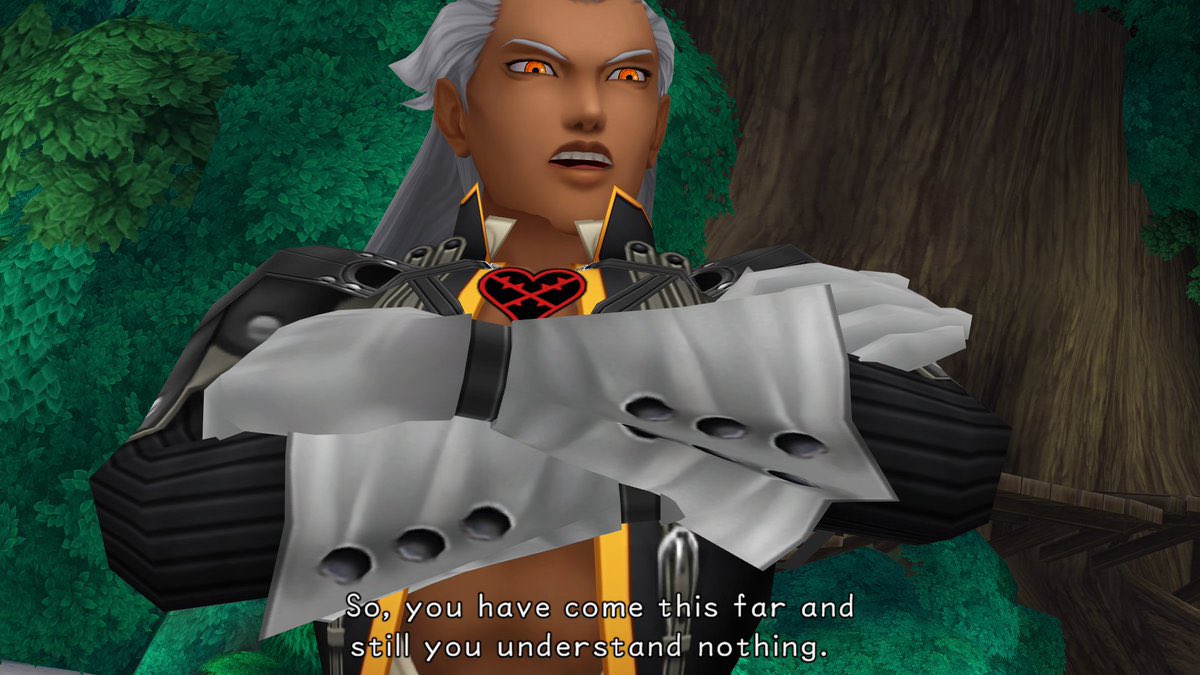
This scene, as well as Luke’s performance in another earlier one should’ve made Yuri Lowenthal win a voice actor award for 2006.
(I don’t think there were any award shows for VAing during that time sadly, but he absolutely should’ve won)
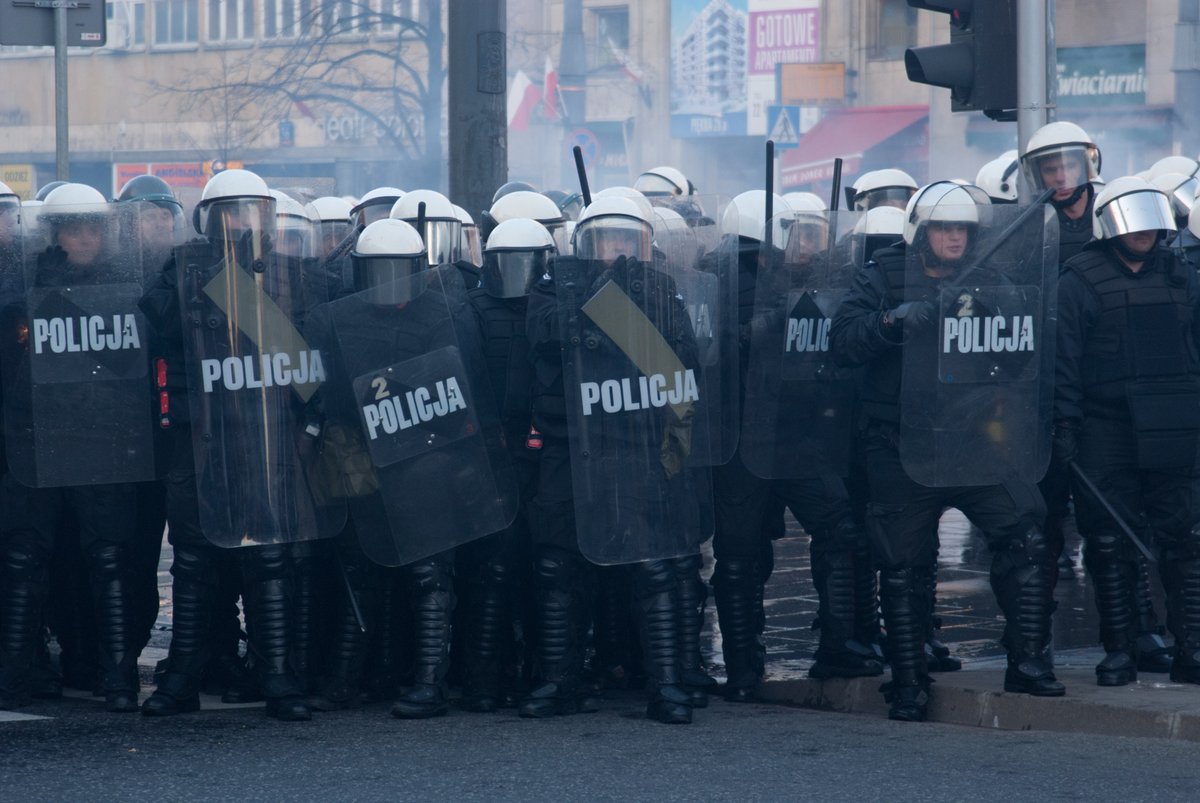
CONQUISTADORS & RIOT TACTICS
1. Background:
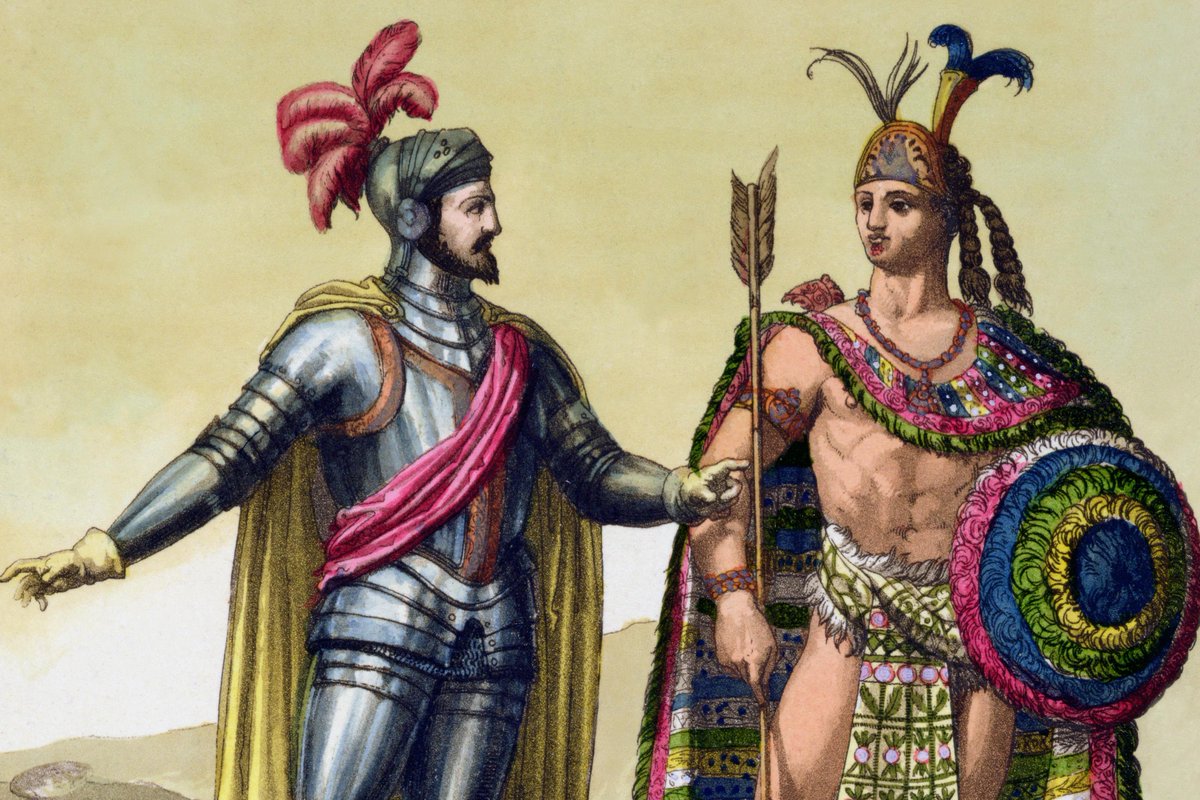
In the New World, the Spanish faced a very different enemy than they were used to, on rough terrain and with comically few men. And yet they won, by virtue of superior tactics, technology, and training.
I believe they were ahead of their time.
By the late 15th and early 16th centuries, the Spanish had begun to adopt pike-and-shot tactics, leading to the eventual development of the full tercio, a massive formation of pikemen, swordsmen, and musketeers. Their formations were incredibly complex from a logistical standpoint, and based on fighting a large, similarly-organized force.
They typically maintained a core square formation to prevent being outmaneuvered or flanked by cavalry, still the most effective shock-troop tactic on the battlefield. Pikemen presented an almost-unbreakable first line on all sides, with swordsmen waiting to burst through and take out enemies who the pikemen couldn't. Meanwhile, gunners rotated around the outside of the formation, typically from the corners, to maintain a near-constant volley of fire. It was complex and relied on a ton of training... but it worked. Well.
In fact, it worked so well (and was such a core point of Spanish military society) that Spaniards in general were expected to know how to fight in such a formation. King Philip II, in need of men to fight in Flanders, successfully raised a tercio from Catalan criminals based on this assumption.
On top of this tactical prowess, Toledo steel was famed for its excellence in weaponry and armor. Contemporary Spanish swords could bend a full half-circle and return true; their armor was also top-notch.
And all of these aspects had been honed over the course of decades of combat across Europe and centuries of struggle against the Moors.
This was the military force unleashed in the New World.