#LAMENTABLE 😥 Siguen conociéndose desgarradoras imágenes que muestran animales silvestres afectados por los incendios forestales registrados en el dpto/Tolima. En esta ocasión, un perrito de monte es ayudado por guardabosques que lo encontraron sediento y le dieron a beber agua.
#TRISTE 😥 Desgarradora imagen dejó en evidencia los estragos de los incendios forestales en el cañón del Juanambú, en dpto/Nariño, donde un indefenso oso hormiguero fue captado huyendo desesperadamente en busca de refugio tras la devastación de su hábitat natural por las llamas.
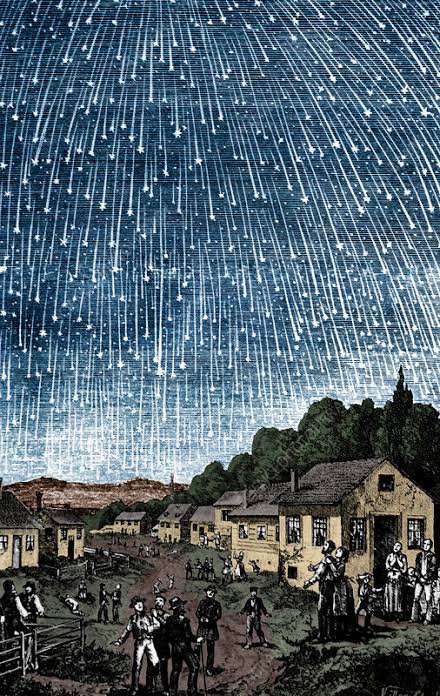
In the early hours of November 12, 1833, the skies over North America erupted in one of the most spectacular meteor storms ever recorded. Witnesses described the heavens as a “snowstorm of fire,” with an estimated 100,000 meteors streaking across the sky every hour.
For many people, farmers, enslaved families, travelers, and townsfolk, the sight was unlike anything they had ever imagined. With no scientific explanation available to the average person, countless Americans genuinely believed the world was ending.
The event was later identified as an exceptionally intense outburst of the Leonid meteor shower, caused by Earth passing through debris from the comet Tempel‑Tuttle. But in 1833, astronomy was still developing, and meteor showers were not widely understood.
The panic was so widespread that preachers delivered impromptu sermons in the streets, families gathered to pray, and enslaved people on Southern plantations interpreted the sky as a sign of long‑awaited liberation. The night became one of the most documented celestial events in early American history.
Its cultural impact was enormous. The storm inspired artists, writers, and scientists, most famously Adolf Vollmy, whose dramatic woodcut captured terrified onlookers beneath a sky overflowing with falling stars.
The event also pushed astronomy forward: it helped scientists realize that meteor showers were predictable, recurring phenomena tied to cometary orbits.
What began as a night of fear ultimately became a turning point in understanding the cosmos, transforming a moment of collective panic into a milestone in scientific discovery.
The 1833 Leonid storm directly helped spark the birth of modern meteor science: it convinced astronomer Denison Olmsted to investigate the event systematically, leading him to correctly propose, years before it was widely accepted, that meteor showers originate from space, not Earth’s atmosphere. His work turned a night of mass panic into the foundation of meteor astronomy, making the 1833 storm one of the rare moments where public terror accidentally advanced scientific understanding.
#archaeohistories
🇨🇴 | Un enfrentamiento entre los Misak de la reserva de Guambía y los Nasa de la reserva de Pitayó en la región del Cauca, en Colombia, deja al menos 6 muertos y más de 100 heridos.
Una buena noticia para terminar el fin de semana: en Santander nació un cóndor andino, y por primera vez, se está logrando monitorear el nido.
Es el quinto que encuentra el @ParqJaimeduque en el páramo El Almorzadero, pero es el primero al que logran hacerle seguimiento. 🧵🪡
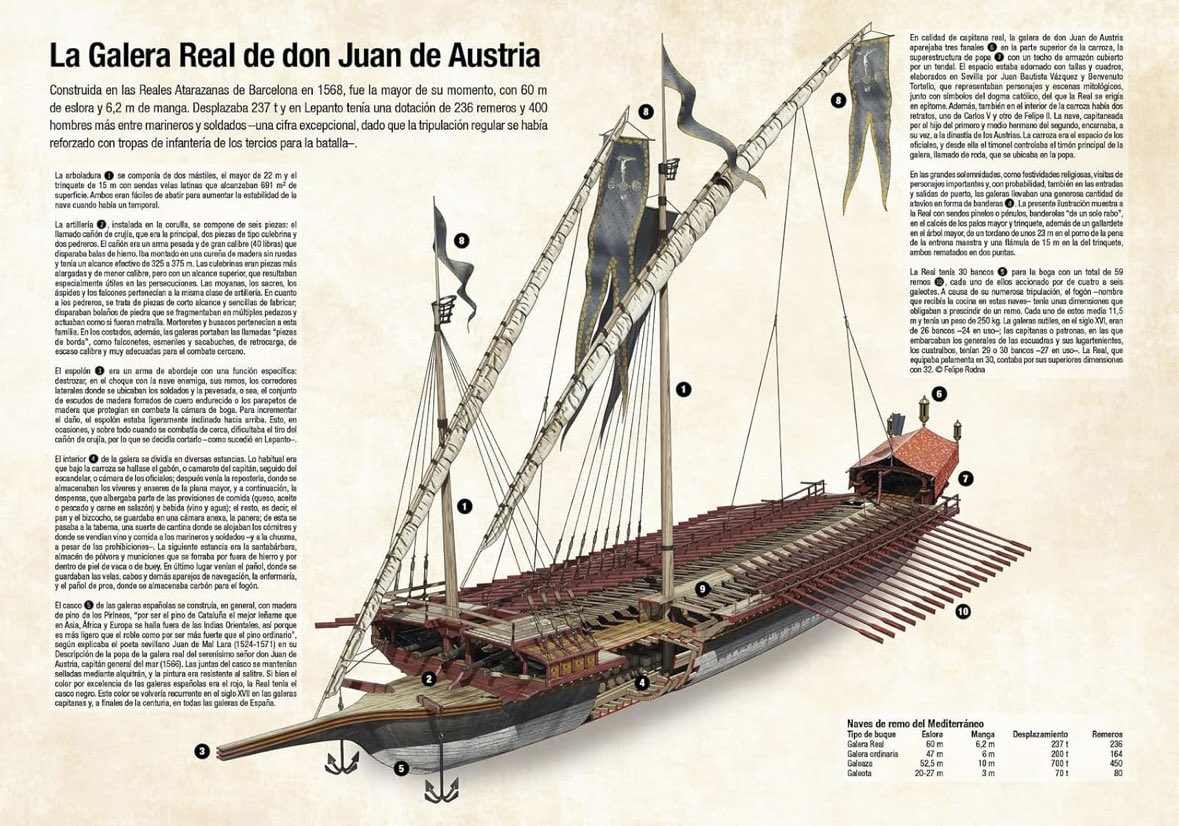
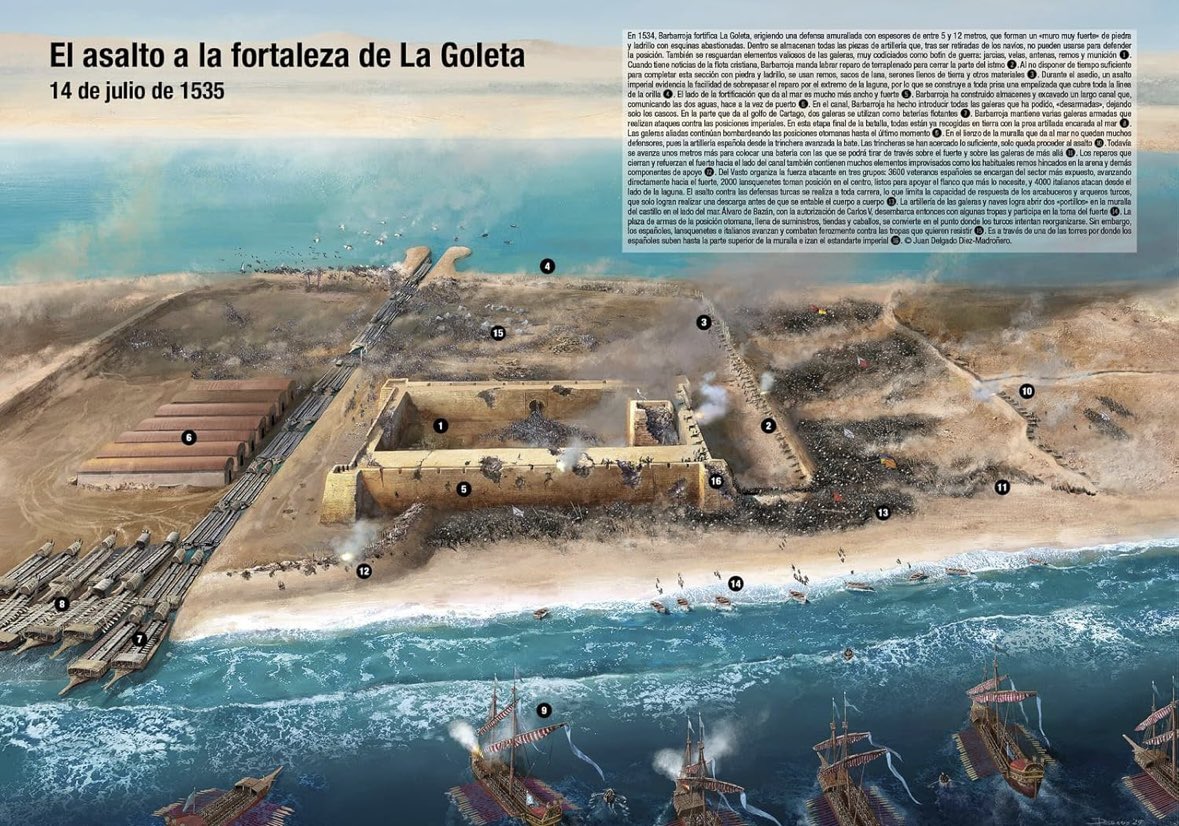
Además de 336 páginas de texto e imágenes en #ÁlvarodeBazánElInvicto con @DespertaFerro hemos reconstruido a doble página la galera Real de don Juan de Austria, las Reales Atarazanas de Barcelona o el asalto de La Goleta, entre muchas otras… les iré mostrando. ¡No se lo pierdan!
Declaraciones del señor General Carlos Fernando Silva Rueda, Comandante de la @FuerzaAereaCol, sobre el accidente de la aeronave C-130 Hércules de hoy 23 de marzo del 2026 en Puerto Leguízamo Putumayo.
🇨🇴 At least 20 soldiers survived and 90 died in a military plane crash in Colombia, according to Blu Radio.
At least 90 soldiers died this Monday after a Colombian Air Force C-130 Hercules military aircraft crashed in the town of Puerto Leguízamo, in the department of Putumayo, in southwestern Colombia, according to local press reports.
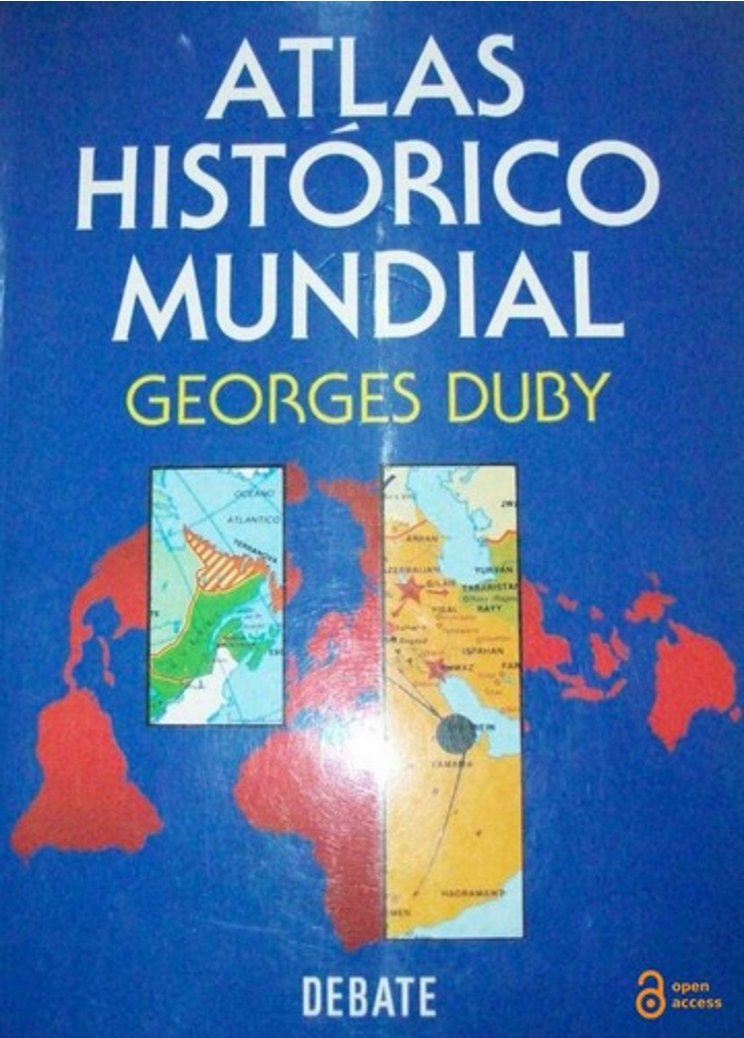
𝗔𝗽𝗿𝗲𝗻𝗱𝗶𝗲𝗻𝗱𝗼 𝗵𝗶𝘀𝘁𝗼𝗿𝗶𝗮 𝗰𝗼𝗻 𝗺𝗮𝗽𝗮𝘀
Este atlas histórico, preparado por el historiador francés Georges Duby, es una forma entretenida y eficaz de aprender sobre la historia del mundo.
Descarga libre: https://t.co/LzfdIYd3vi
Voy a dejaros una serie de mapas sobre Irán y Oriente Próximo de @elOrdenMundial que os pueden ser muy útiles estos días para seguir todo lo que está ocurriendo y va a ocurrir.
HILO🧵👇
The morning after the Battle of Waterloo, 1815. The dead, dying, and wounded lay thick on the field. Around 55,000 of them across some four square miles. Artist is John Heaviside Clark.