“When I entered Gaza the Israeli military had a rule: I was only allowed to bring in three kilos of food. As I was weighing out protein bars, trying to get under the limit, I said to my husband: ‘How sinister is this?’ I’m a humanitarian aid worker. Why would there even be a limit on food? I’ve worked in many places with extreme hunger, but what’s so jarring in this context is how cruel it is, how deliberate. I was in Gaza for two months; there’s no way to describe the horror of what’s happening. And I say this as a pediatric ICU doctor who sees children die as part of my work. Among our own staff we have doctors and nurses who are trying to treat patients while hungry, exhausted. They’re living in tents. Some of them have lost fifteen, twenty members of their families. In the hospital there are kids maimed by airstrikes: missing arms, missing legs, third degree burns. Often there’s not enough pain medication. But the children are not screaming about the pain, they’re screaming: ‘I’m hungry! I’m hungry!” I hate to only focus on the kids, because nobody should be starving. But the kids, it just haunts you in a different way. When my two months were finished, I didn’t want to leave. It’s a feeling I haven’t experienced in nearly twenty years of humanitarian assignments. But I felt ashamed. Ashamed to leave my Palestinian colleagues, who were some of the most beautiful and compassionate people that I’ve ever met. I was ashamed as an American, as a human being, that we’ve been unable to stop something that is so clearly a genocide. I remember when our bus pulled out of the buffer zone. Out the window on one side I could see Rafah, which was nothing but rubble. On the other side was lush, green Israel. When we exited the gate, the first thing I saw was a group of Israeli soldiers, sitting at a table, eating lunch. I’ve never felt so nauseous seeing a table full of food.”
-------------------------------------------------------
Aqsa Durrani is a pediatric doctor and board member of Doctors Without Borders USA, with nearly twenty years of experience in humanitarian projects. During our interview Aqsa repeatedly expressed a desire to center the voices of her Palestinian colleagues. To this end I’ve spent the past week collecting stories from the Palestinian staff of Doctors Without Borders in Gaza. I will be sharing these stories over the next several days. I’m so grateful for the time that these people gave me; they were sleepless, hungry, traumatized, and often working 24-hour shifts. Because of the unreliable internet connection their images are sometimes grainy. Their words, however, will be crystal clear.
"We need to see action now. We need to see an urgent arms embargo, we need to see sanctions on the Israeli government, and we need to have people held to account for their role in this"
Eddie Dempsey from the @RMTunion. Well said.
I’ve seen the silhouettes of so many people—so many children—burning alive, that I can’t look at fire anymore without feeling sick to my stomach.
WE
MUST
STOP
THIS
MASSACRE.
May the Palestinians forgive us.
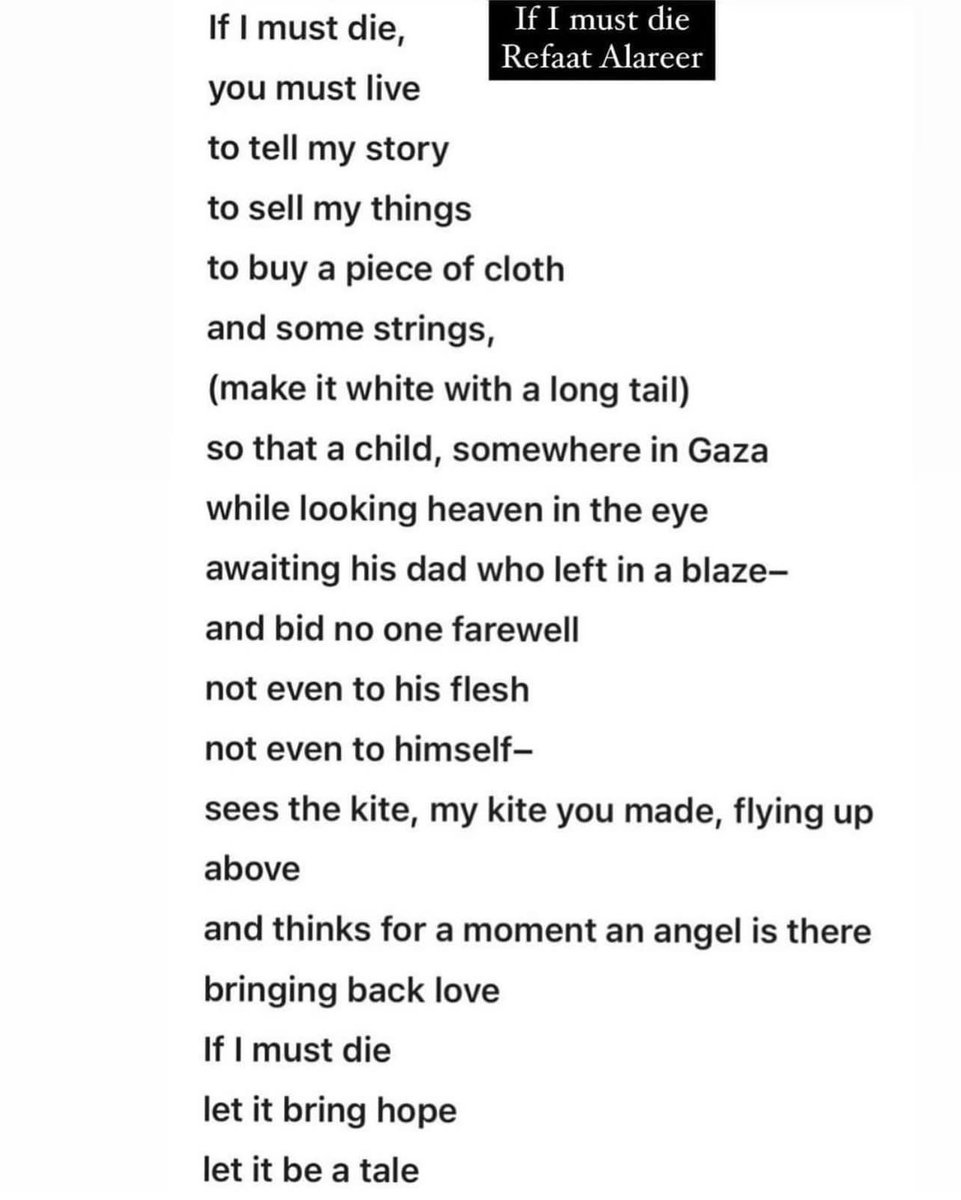
Brian Cox reads If I Must Die, by beloved Palestinian poet, teacher and martyr Refaat Alareer.
Refaat was killed on December 7th by an Israeli airstrike.
This was the last poem he published.
I was asked today by a journalist if we received a response from the white house to the letter we sent from the churches in Bethlehem asking for a ceasefire. I answered that the response was the veto vote in the UN. They celebrate Christmas in their land, and wage war in our land
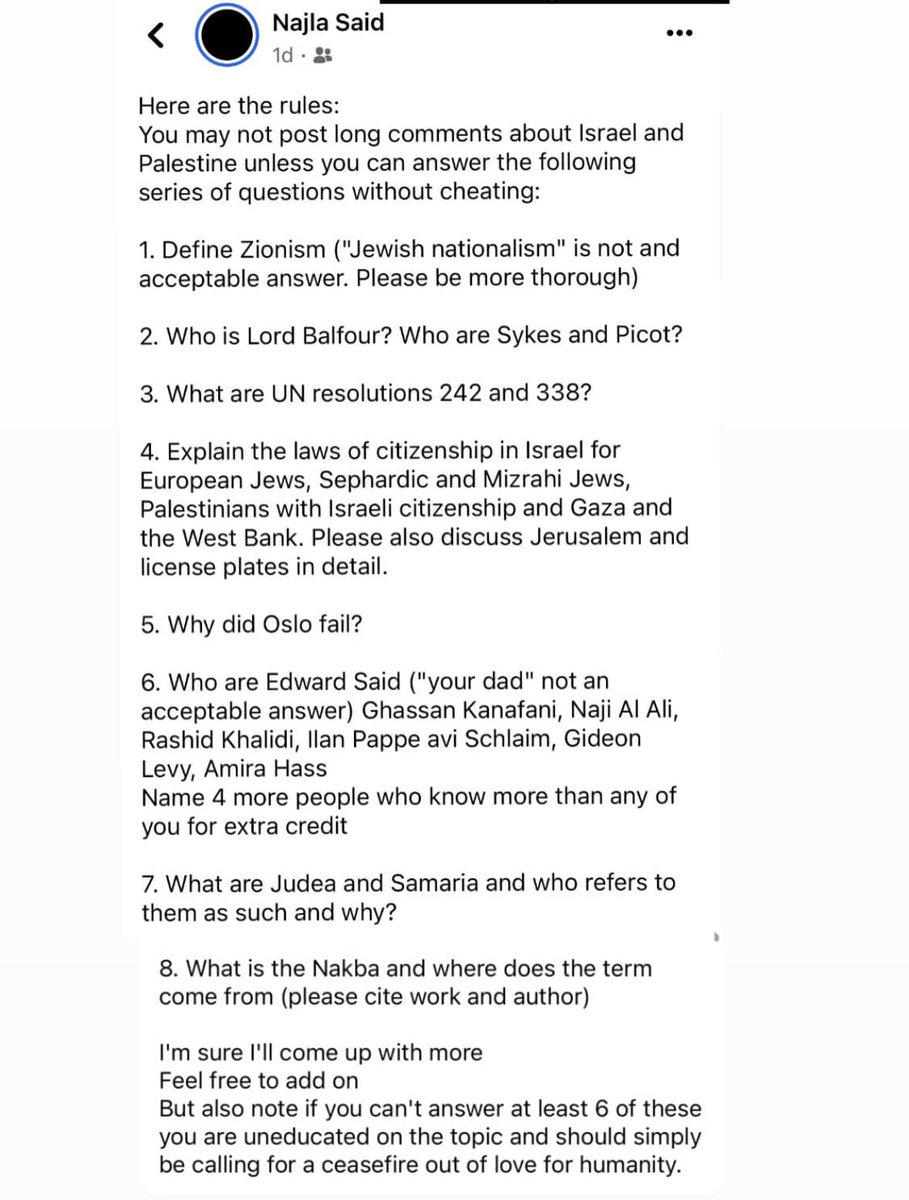
I am Jewish and it is easy to explain Zionism. It is a political ideology of settler-colonialism that requires the extermination of Palestinians. Stop, listen, learn, and deconstruct this wretched weaponization of Judaism. May we all dismantle this atrocity in our lifetime.