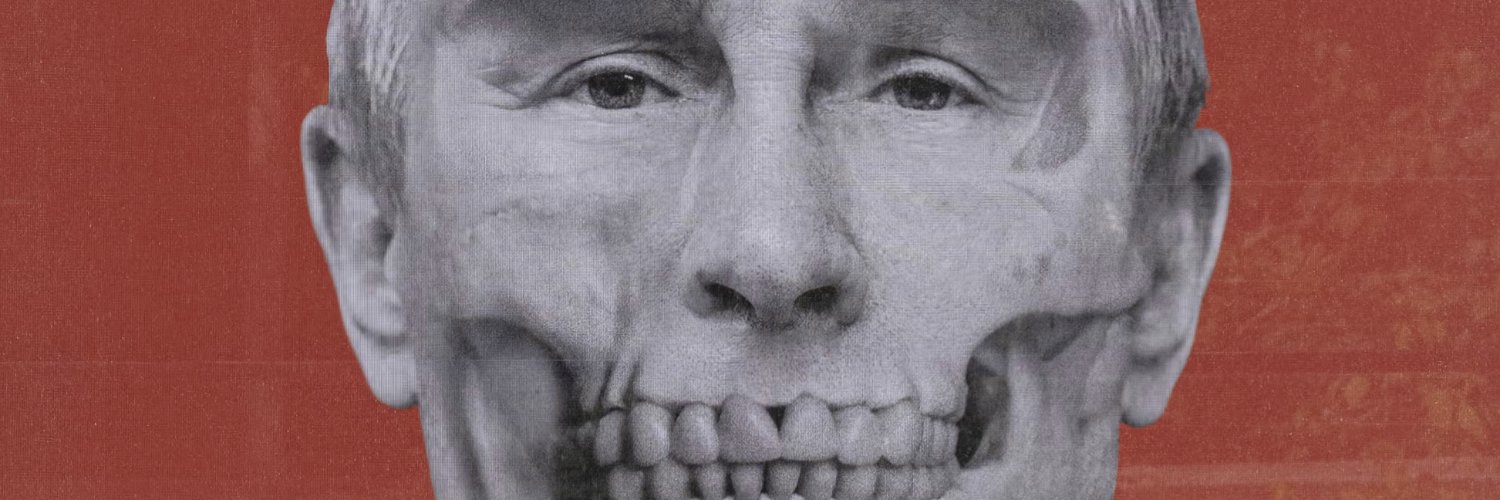
If you are passing by and enjoy survival horror indie video games, please check the advance of Inhabitant, a game I'm solo developing in Unreal 5. Happy to hear your thoughts.
https://t.co/G2rmws5GlN
Paraguay y Chile tenían los mismos puntos en eliminatorias hasta la Copa América.
Paraguay le levantó a Alfaro a Costa Rica, mientras que Chile trajo a un farsante como Gareca.
Paraguay eliminó a Alemania en el mundial, y nosotros somos el peor equipo del continente...
En La República, Platón dice que cuando una sociedad tiene problemas aparecerá "el paladín del pueblo", el que sonrie y ofrece solucionar todos los problemas. El drama es que siempre termina convertido en un tirano...
(Han pasado 2500 años y la reflexión sigue siendo válida. Otra razón para leer los clásicos)
@subducetectonik@AlephEdu Es poco probable que pase algo catastrófico en Mercado Pago. Pero sí es más seguro dejarlo en VCS de Fintual y rentan lo mismo. (Poco menos que un DAP actual)
@Che_Bombacha Nadie habla de esto, y es lo único que puede fehacientemente explicar a Bielsa y su forma de ver el mundo. La pregunta es si se ha tratado su evidente TEA.
Nadie en serio de da cuenta de que ahí hay un hombre que sufre profundamente y que no tiene herramientas de gestión emocional? Hoy, con todo lo que se ha avanzado en inclusión, se les olvida que "los viejos" también pueden ser neurodivergentes, aunque no estén diagnósticados.
The craziest thing about Quake is how many modern FPS games originate from it somehow
Valve's Source engine was a modified Quake 1 engine which spawned Half Life, Counter Strike, DOTA, Apex Legends, Titanfall
The entire Call of Duty and Warzone series originates from a modified Quake 3 engine that's continously iterated since!
There are a few things that I look back on as my mistakes in the early days.
Quake was overly ambitious technically. We could have done all the great multiplayer and modding work inside a Doom++ engine, allowing the designers to work with a more stable base instead of rug-pulling everything out from underneath them a couple times. The follow up game could have then brought in full 6DOF environments and characters.
I pushed everyone too hard. I didn’t appreciate how maturing companies need more slack, and that running people at startup intensity constantly will wear them out. Quake was also where I really had to accept my personal limits. I was working pretty much as hard as humanly possible, and I was still slipping past my goal points.
On all of the founders’ shoulders, our original corporate stock arrangement and buy/sell agreement was a mistake, and resulted in bad incentives. We wanted to ensure that all ownership rested in the hands of people working hard on current projects, but the Silicon Valley standard approach of vesting stock would have worked out better.
One real problem that I don’t accept the blame for is that we were insisting that level designers be not just game designers, but also have strong visual design esthetics. They needed to make things that not only played well, but looked awesome, and it got more challenging as the technology provided a richer palette. Romero covered that well, which set our company expectations early on.
We should have figured out how to pair up artists and designers earlier, but there was infighting among the designers, and the ones that could manage the visuals were happy to disparage the ones that couldn’t.
Sorry, Sandy.
There are a few things that I look back on as my mistakes in the early days.
Quake was overly ambitious technically. We could have done all the great multiplayer and modding work inside a Doom++ engine, allowing the designers to work with a more stable base instead of rug-pulling everything out from underneath them a couple times. The follow up game could have then brought in full 6DOF environments and characters.
I pushed everyone too hard. I didn’t appreciate how maturing companies need more slack, and that running people at startup intensity constantly will wear them out. Quake was also where I really had to accept my personal limits. I was working pretty much as hard as humanly possible, and I was still slipping past my goal points.
On all of the founders’ shoulders, our original corporate stock arrangement and buy/sell agreement was a mistake, and resulted in bad incentives. We wanted to ensure that all ownership rested in the hands of people working hard on current projects, but the Silicon Valley standard approach of vesting stock would have worked out better.
One real problem that I don’t accept the blame for is that we were insisting that level designers be not just game designers, but also have strong visual design esthetics. They needed to make things that not only played well, but looked awesome, and it got more challenging as the technology provided a richer palette. Romero covered that well, which set our company expectations early on.
We should have figured out how to pair up artists and designers earlier, but there was infighting among the designers, and the ones that could manage the visuals were happy to disparage the ones that couldn’t.
Sorry, Sandy.