#BioE3Pakhwada
Startup Showcase #4
Pandorum Technologies is pioneering regenerative medicine to close India’s organ transplant gap. Backed by @DBTIndia & @BIRAC_2012, the startup began with a BIRAC BIG grant via @CCAMP_India and has grown from skin regeneration to advanced bio-inks, 3D tissues, and organoids.
👁️ Their Liquid Cornea, 3D bio-printed cornea, and liver organoids are revolutionizing eye care and drug research, tackling India’s 1M+ corneal backlog.
With $4.8M+ raised, global investor support, and recognition from Forbes & BioExcellence, Pandorum is expanding into liver, cardiac, skin, and lung therapies.
This is #BioE3 in action — powering bold biotech for a Healthy Bharat, #ViksitBharat.
#RegenerativeMedicine #Biotech
@DrJitendraSingh@rajesh_gokhale@dralkasharma25@BricDbt
Some audiobook recommendations:
The Story of Civilization by Durant
Iliad (Penguin Edition)
The Road to Serfdom by Hayek
American Caesar by Manchester
Masters of Doom by Kushner
The Wages of Destruction by Tooze
The Storm of Steel by Junger
The Guns of August by Tuchman
The Gallic Wars by Caesar
Twelve Against the Gods by Bolitho
Genghis Khan by Weatherford
The first one on the list will take a while to get through, but is very much worthwhile.
Admittedly, this is a list that appeals to those who think about Rome every day.
I hope someone makes an audiobook of The Encyclopedia of Military History by Dupuy and The Fifteen Decisive Battles of the World by Creasy.
A big thank you to all my students and collaborators for the wonderful journey together, the funders for the support, those at the helm of @IGIBSocial over the years for their faith and my colleagues for making @IGIBSocial a real fun place to work!
Congratulations to Dr. Munia Ganguli @mundel69 on being elected to the Indian Academy of Sciences @IAScBng She works on efficient and safe methods of cargo delivery to cells and tissues using nanocomplexes and nanoparticles with therapeutic implications
https://t.co/vWBULcVxCi
This is considered by many to be the masterpiece of reflective simple living. Thoreau lived on the edge of a small lake in rural Massachusetts for two years, building his own shelter and living alone, as an experiment in self-reliance and minimalism. It was both a huge success and a failure, which is what makes this book such a compelling read.
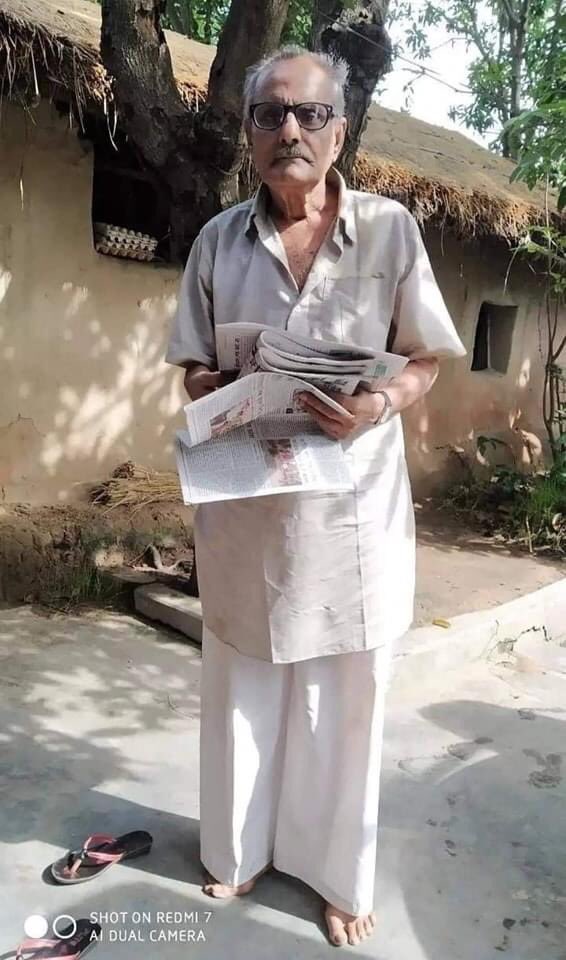
“The day I got my postgraduate degree, I didn’t waste a minute– I rushed back to my village, Ausgrum in Bengal to become a teacher. Yes, I had higher salary offers from schools in bigger towns, but for me, the 169 Rs. I was offered at my school village meant everything; I was hungry to teach the students from my village who needed a good teacher the most.
And I taught at my school for 39 years and only retired because I’d hit my ‘retirement age’– 60, what a ridiculous concept!
So there I was at 60, retired and expected to spend my years drinking sugary tea and whiling away my time on the charpoy! But I was restless, I didn’t want to retire and kept asking myself, ‘What shall I do now?’ A few days later, I got the answer.
One morning, around 6:30 AM, I saw 3 young girls enter my house. I was shocked when they told me they’d cycled for over 23 kms to see the Master who’d retired! They were young tribal girls who were desperate to learn; with folded hands they asked, ‘Masterji, will you teach us?’ I immediately agreed and said, ‘I can teach you, but you will have to pay my school fees for the whole year–are you ready to pay?’
They said, ‘Yes, Masterji, we will manage the money somehow.’
So I said, ‘Yes, my fees are Rupee 1 for the whole year!’
They were so happy, they hugged me and said, ‘We will pay you 1 Rupee and 4 chocolates also!’
I was elated! So, after they left, I put on my dhoti and went straight back to my school and requested them to give me a classroom to teach…they refused. But I wasn’t going to stop– I had years of teaching left in me, so I went back home, cleaned my verandah and decided to start teaching there.
That was in 2004–my Pathshala started with those 3 girls and today we have over 3000 students per year, most of whom are young tribal girls. My day still starts at 6 AM with a walk around the village and then I open my doors to students coming from all over– some of the girls walk for 20 plus kilometres; I have so much to learn from them!
Over the years, my students have gone on to become professors, heads of departments and IT professionals– they always call me and give me the good news and as always, I ask them to please give me some chocolates! And last year, when I won the Padmashree, my phone didn’t stop ringing; the whole village celebrated with me–it was a happy day, but I still didn’t allow my students to bunk class!
And my doors are open to all– come visit me and my Pathshala anytime; our village is beautiful and all my students are bright–I am sure you can learn something from them!
So that’s my story– I am a simple teacher from Bengal who enjoys his tea and evening naps on his charpoy. The highlight of my life is being called Master Moshai–I want to teach until my last breath; it’s what I was put on this planet to do!”
Sujit Chattopadhyay
President Kovind presents Padma Shri to Shri Sujit Chatterjee for Literature and Education. A retired school teacher from Purba Bardhaman, West Bengal, he is recognised over the state for his free coaching center named “Sadai Fakirer Pathsala”. (Courtesy: Characters of Calcutta)
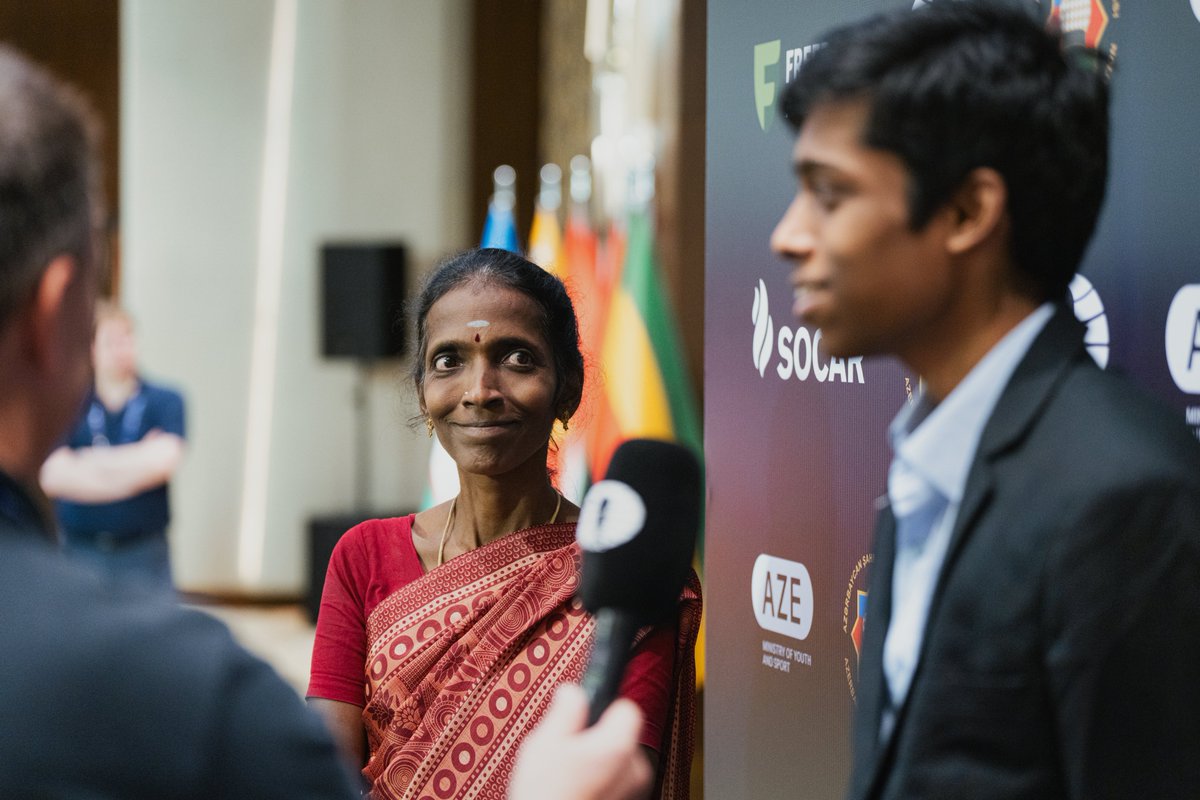
मुझे याद है, जब मैं छोटी थी, तब जीवन में थोड़ा अभाव तो था, फिर भी मैं बहुत खुश थी। मैं खुश थी क्योंकि मैंने कभी भी अपनी तुलना किसी और से नहीं की। परंतु इन दिनों सोशल मीडिया के गहरे प्रभाव के कारण हम अनजाने में ही तुलना के जाल में फंस जाते हैं।
People tend to feel sorry for Sisyphus, because the gods condemned him with the job of rolling a stone up a hill everyday. Every night the stone would roll back down again and mangle him, and every morning he had to get up and do it all over again. But in Albert Camus’ version of the myth, Sisyphus wore a smile. Because through hard work, by putting his shoulder to the stone, he brought order to the chaos of life. He brought meaning to his own life, and to the universe. @lexfridman
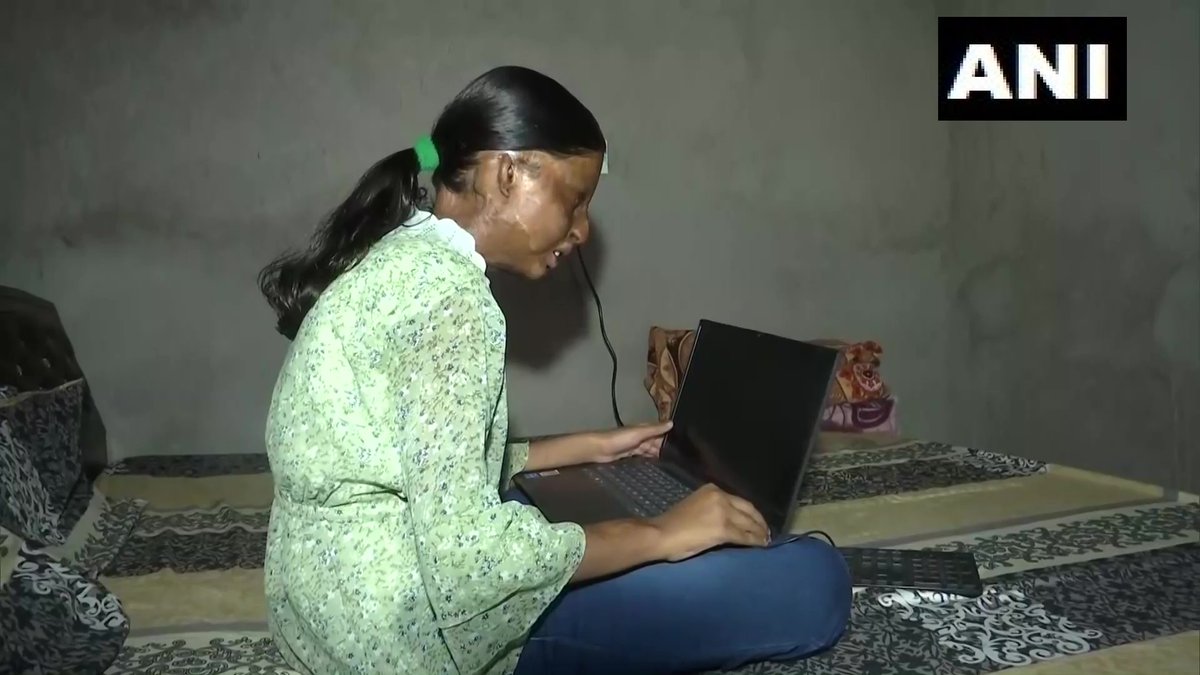
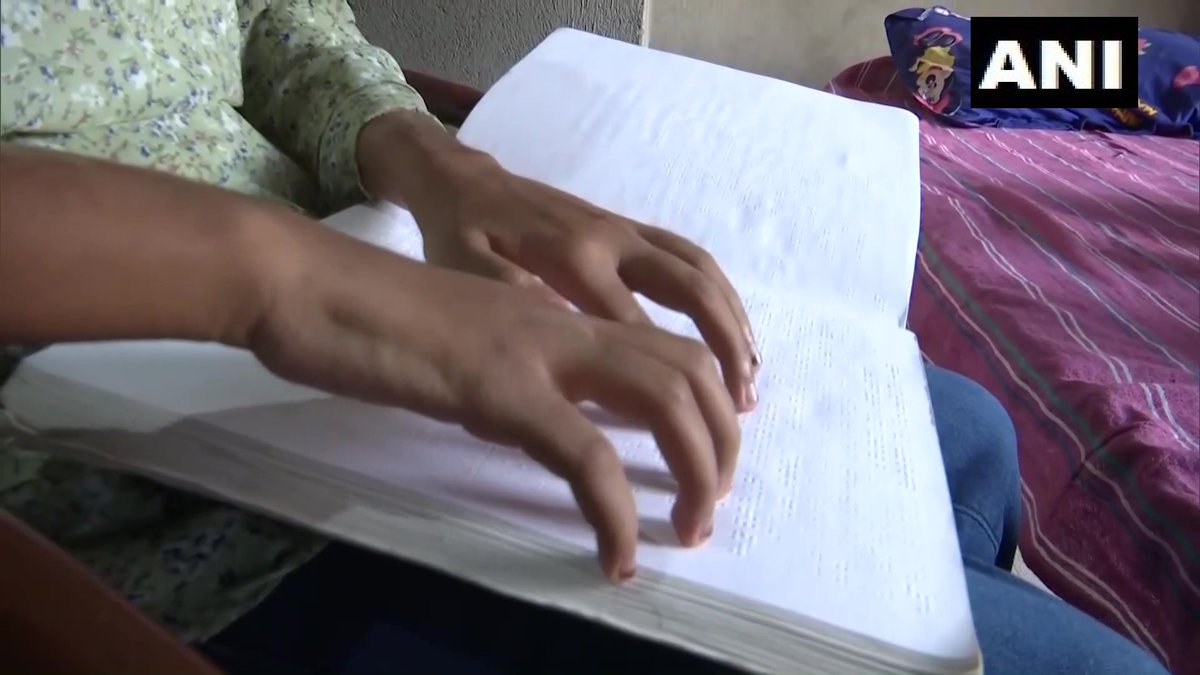
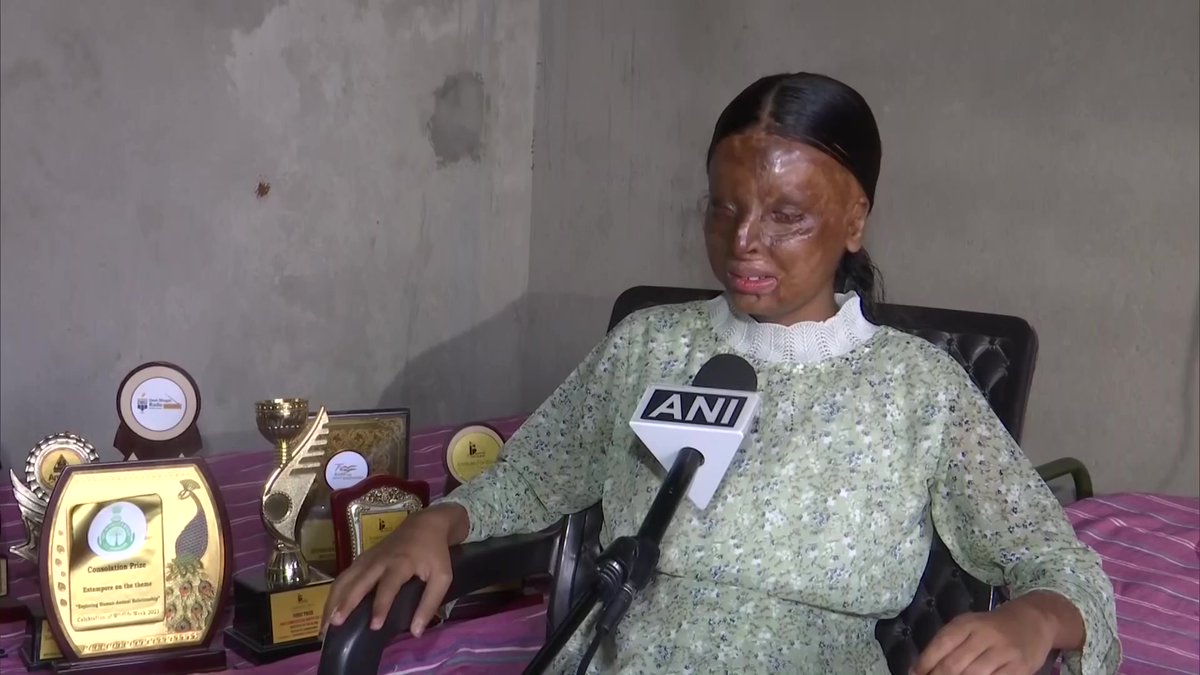
Chandigarh | 15-year-old Kafi, an acid attack survivor and daughter of a peon, scored 95.2% in her CBSE Class 10 results and became the topper of her school.
"I studied for 5-6 hours every day. My parents and teachers supported me a lot. I want to become an IAS officer and serve my country," she says