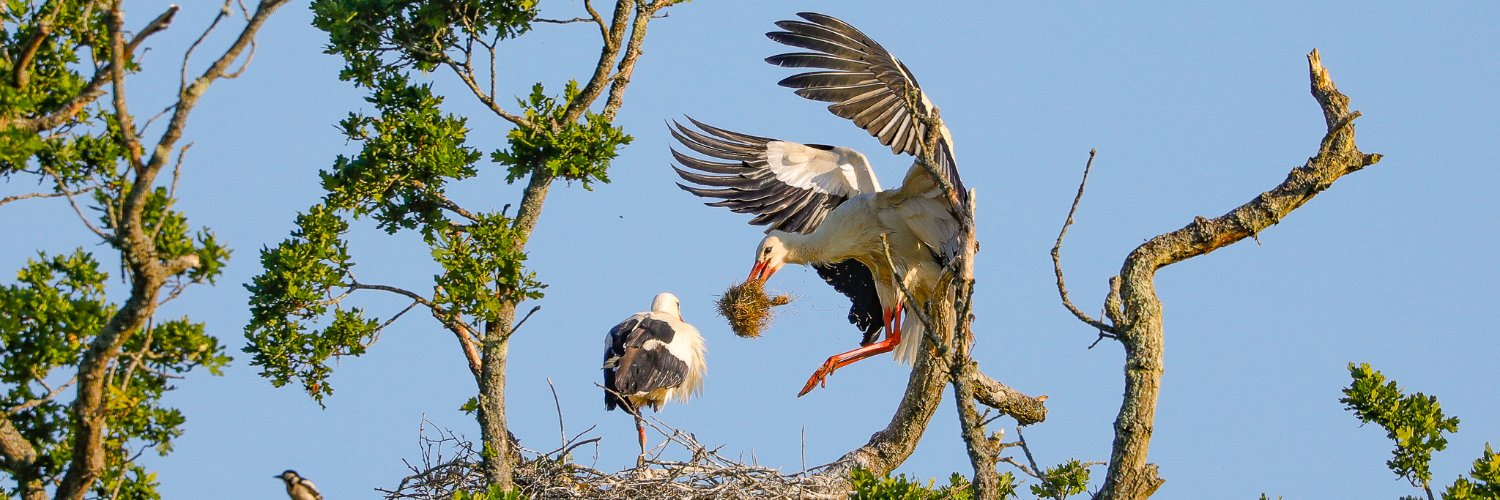
Fantastic new paper (and the first Opwall-associated Knepp publication) by @NancycBurrell et al. showing that standard carbon stock measurements in landscapes with heavy browsing are flawed, and adjusted methods are necessary when assessing carbon stocks in rewilded areas.
🌳New blog post! Author @NancycBurrell describes the role of #rewilding in combating #ClimateChange and how we may be underestimating the #carbon capture potential of low-growing trees and their roots!
Find out more: https://t.co/X3kkkqIElL
More carbon could be stored in scrubland than previously thought 🌳
New research in @AER_ESE_BES has revealed that trees under browsing pressure at @KneppWilding adapted by investing more in root growth, which could enhance their carbon storage 👇
https://t.co/W0YstMoDWu
Study at @KneppWilding indicates more #carbon is stored belowground in scrubland than current models predict – methods to calculate storage in these habitats need further refinement!
Find out more: https://t.co/OLSwuUL1hz
@NancycBurrell@ElizSJeffers@OxLEL
The first ever global map of plant species which are used by humans - with implications for their conservation. New study for which Kathy Willis was a senior author 👇
Rumours this evening that @DefraGovUK will renege on the manifesto commitment to pay farmers to "protect and enhance our natural environment" are deeply concerning. There is no food security without nature. 1/🧵
Do join me and the Oxford Botanical Society for a talk on Knepp and rewilding, in light of the exciting new statement by George Eustice of govt funding for farmers to give space for nature @OBGHA's Winter Lectures. Book here: https://t.co/Z3WBqm1kDE
Excellent blog by Prof Kathy Willis on Biodiversity Net Gain. According to the new DEFRA metric, brambles and ragwort indicate degraded land. Much of Knepp would barely register for biodiversity. Something wrong there. #rewilding
https://t.co/AiLeQpUPvY