Fun fact: The 1998 paper that introduced Google and PageRank to the world ends with this acknowledgment:
"Supported by the National Science Foundation under Cooperative Agreement IRI-9411306. Funding also provided by DARPA and NASA."
Sergey Brin was on an NSF Graduate Fellowship. Larry Page was a PhD student on the grant.
Google—now worth $2 trillion—exists because American taxpayers funded "the Stanford Integrated Digital Library Project."
Not a startup garage myth. A government grant.
Every time someone says public research funding "picks winners and losers" or "crowds out private innovation," remember: the most dominant technology company of the 21st century was incubated entirely with public money, inside a public university, by researchers on federal fellowships and grants.
The private sector didn't see it coming. VCs passed. The government funded it anyway—not because it would become Google, but because fundamental research into information retrieval seemed worth understanding.
That's the point. You can't predict which grants will change the world. You fund the science and let researchers explore.
The internet (DARPA). GPS (DoD). Touchscreens (CIA/NSF). mRNA vaccines (NIH). Google (NSF/DARPA/NASA).
Public investment in basic research isn't wasteful spending. It's the seed corn of the entire modern economy.
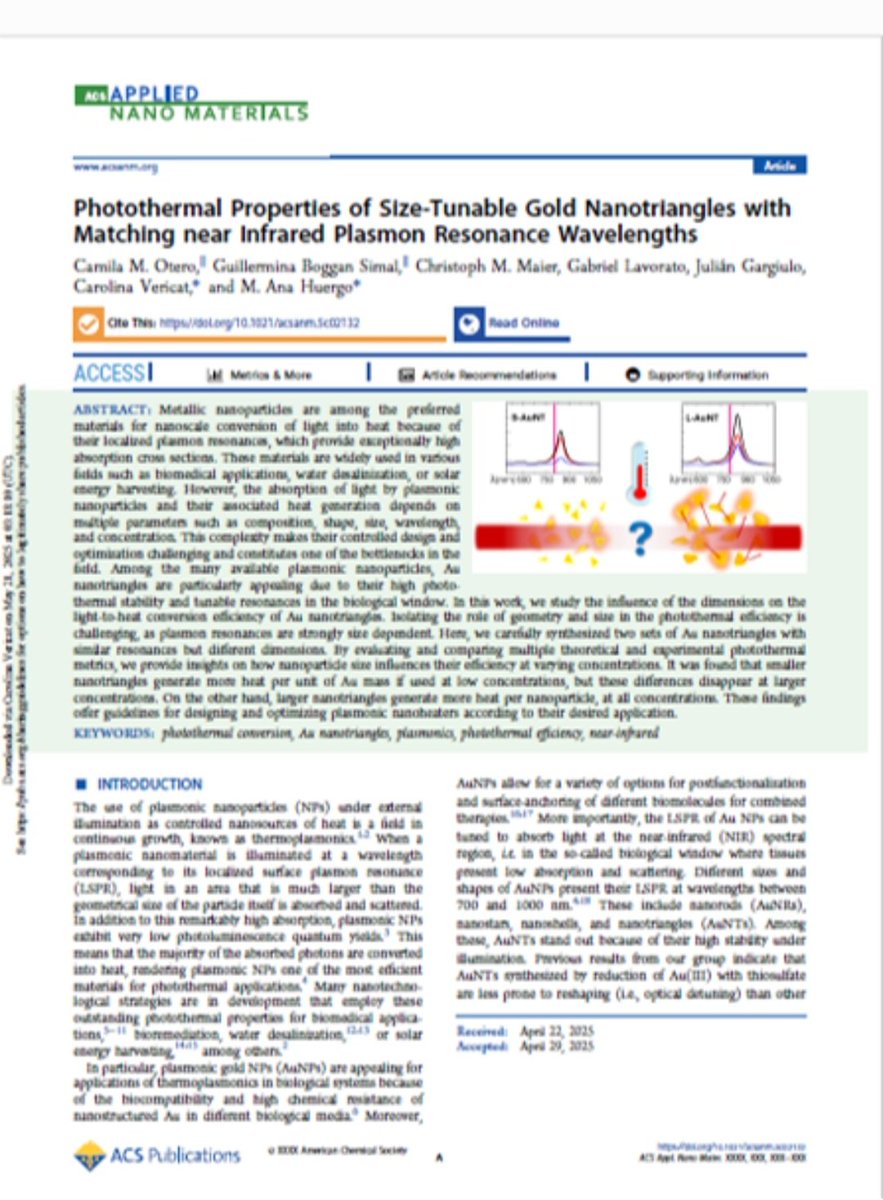
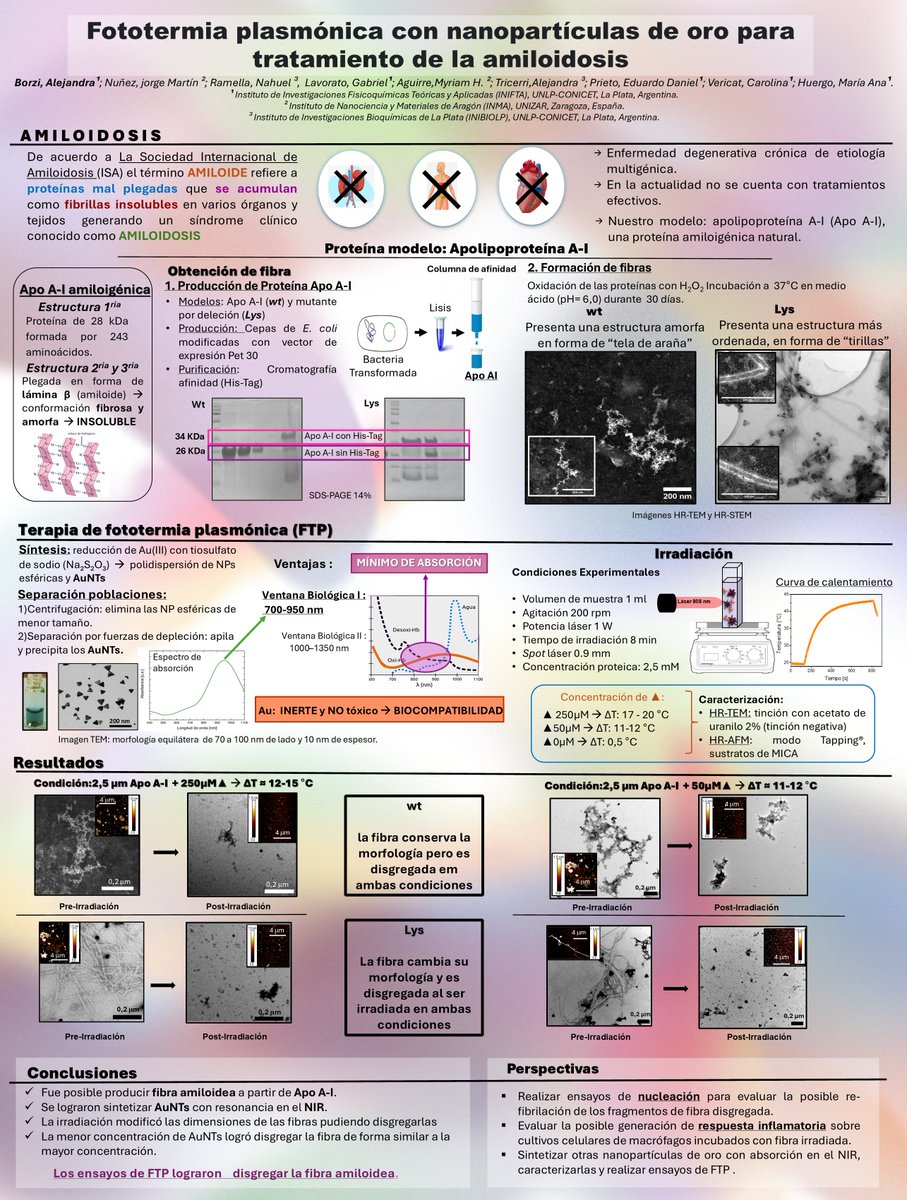
New publication! A study of the photothermal properties of gold nanotriangle populations in collaboration with @Nano_Juli
https://t.co/XRMWPj04XZ
@inifta_ok@insunsam
“There are always unturned stones along even well-trod paths. Discovery awaits those who spot and take the trouble to turn those stones.”
- 1964 #NobelPrize laureate in physics Charles Townes on the path of discovery. Townes built the very first maser and developed the laser.
Estamos esperando un paquete de @AndreaniOk. Dicen que van a pasar a cierta hora de la mañana, pasan muchas hs más tarde, cuando ya no hay nadie en el predio y ponen que la dirección no existe! Es imposible comunicarse con la sucursal o con una persona al 0800! Pésimo servicio.
#LaUNLPInvestiga Parece alquimia pero es #ciencia: ¿te imaginaste alguna vez que el oro puede servir para detectar tumores? ¿y que sería más económico usar oro que métodos convencionales?💎
@unlp
📖 Enterate de todo acá: https://t.co/wSris6jyX7
¿Será que van a estar los resultados de los PICT 2022 antes de que cierre la convocatoria 2023 (faltan muy pocos días)? ¿O seguirán con el destrato y la indiferencia total hacia nuestro trabajo? @innovacionar@agenciaidiar
El 9/10 es el Día Internacional de la Nanociencia y la Nanotecnología #NanoDAY2024, disciplinas en continuo desarrollo en el mundo, incluida la Argentina. Tristemente también fue ratificado el veto a la ley de financiamiento universitario, gran retroceso para el país. #NoAlVeto
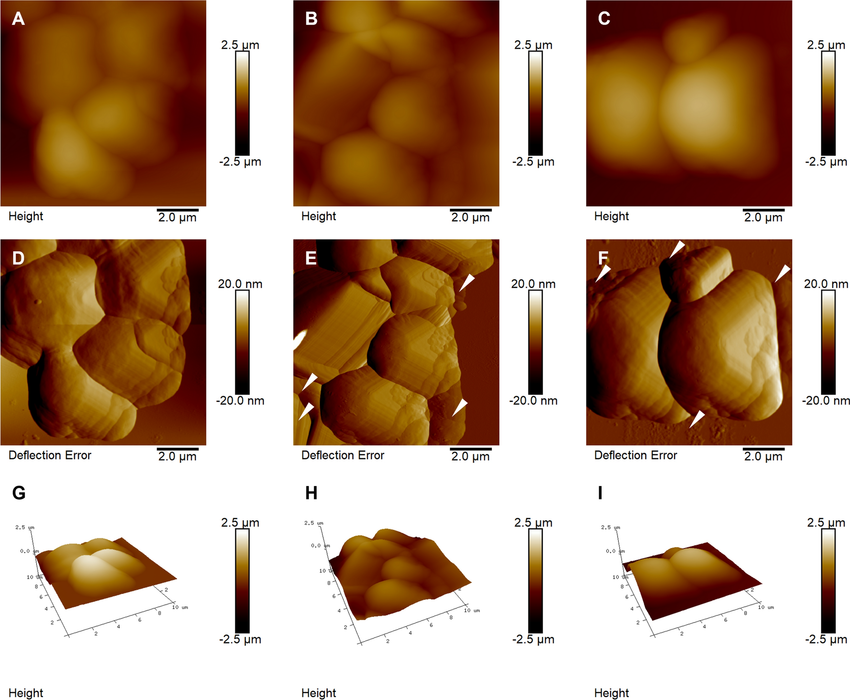
Recordatorio! CURSO: "Microscopía de barrido por sondas aplicada al estudio de superficies"
Duración de 15 hs, con evaluación final, válido para el Doctorado. Se realizará del 6 al 9/8.
Pre: inscripción aquí: https://t.co/y5iAPqNFWO
[email protected]
Congratulations to the 2024 @KavliPrize laureates! The winners include #NASmembers David Charbonneau and Sara Seager in #astronomy; Robert Langer, Armand Paul Alivisatos, and Chad Mirkin in #nanoscience; and Nancy Kanwisher and Doris Tsao in #neuroscience. https://t.co/MzBd40cdhW