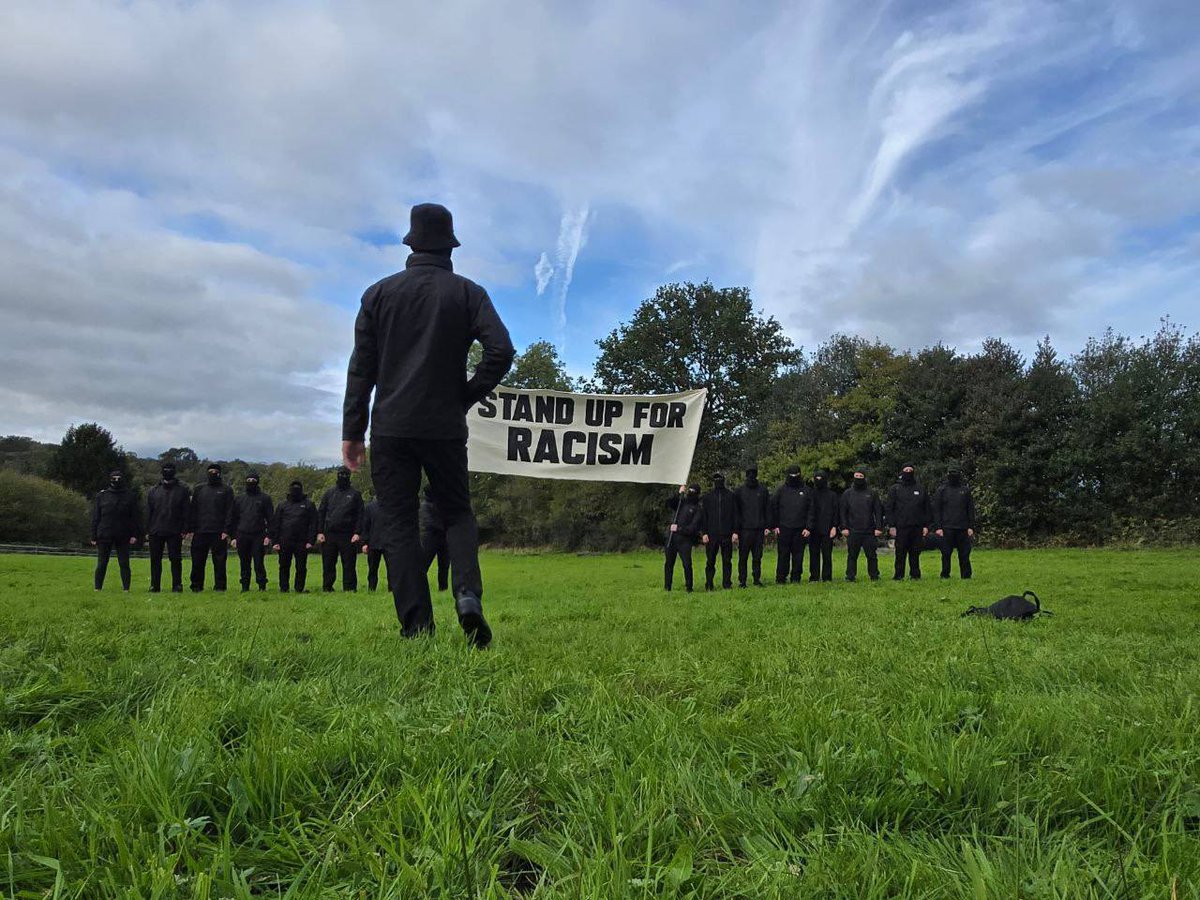
The idea of genuine collectivism can sometimes seem like a distant dream for nationalists in Britain.
We have been a fractured people for as long as I can remember. Every attempt to build something greater has eventually been plagued by factionalism, arguments, personalities, grievances, and, frankly, people more interested in settling old scores than building anything.
Aristotle wrote that “man is by nature a political animal,” and what he meant is that we are not meant to exist as isolated individuals, concerned only with our own interests. Political community exists because men have common interests, common obligations and a desire to build something beyond themselves.
Mazzini, whom few of you have read, expressed a similar principle in explicitly national terms,
“The country is not an aggregation, but an association.”
A nation cannot be reduced to thousands of individuals who happen to occupy the same territory. It requires a sense of common heritage, mutual duty and responsibility towards those who share that national community.
It does not require every man to agree on every philosophical question. It does not require abolishing individuality. It requires us to recognise that endless factionalism achieves nothing.
If we genuinely believe in our ideas, we should be able to set aside personal rivalries and work together where our objectives coincide.
Perhaps this time we have the opportunity to prove that it is not impossible after all.
The real test will not be whether we can agree.
It will be whether we can organise, endure, cooperate and build.
That is where political movements become something more.