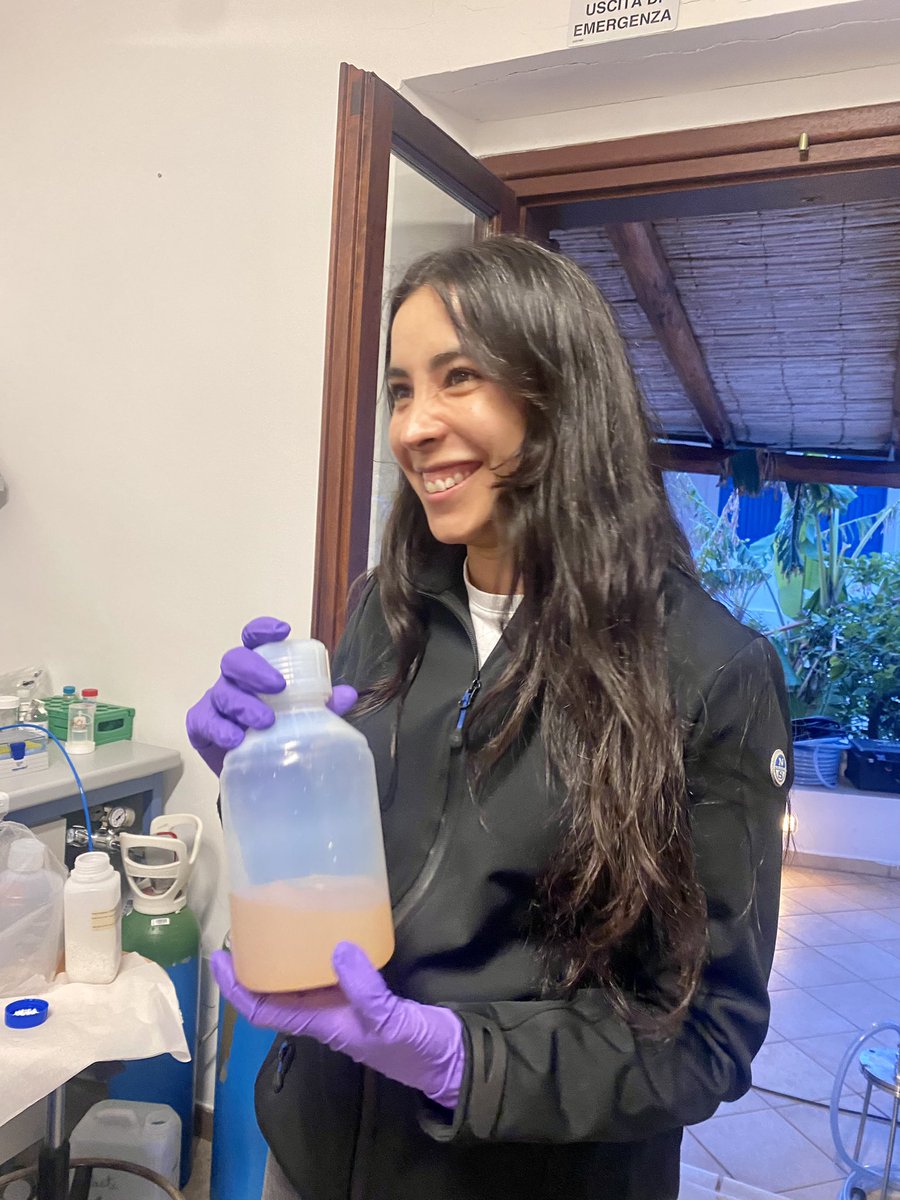
Please welcome our brand new #Msc student Javiera Pavez Castro. She will be working on #mercury inputs from shallow hydrothermal vents: Kolumbo, Milos, Panarea & Prony | #HOT_Hg
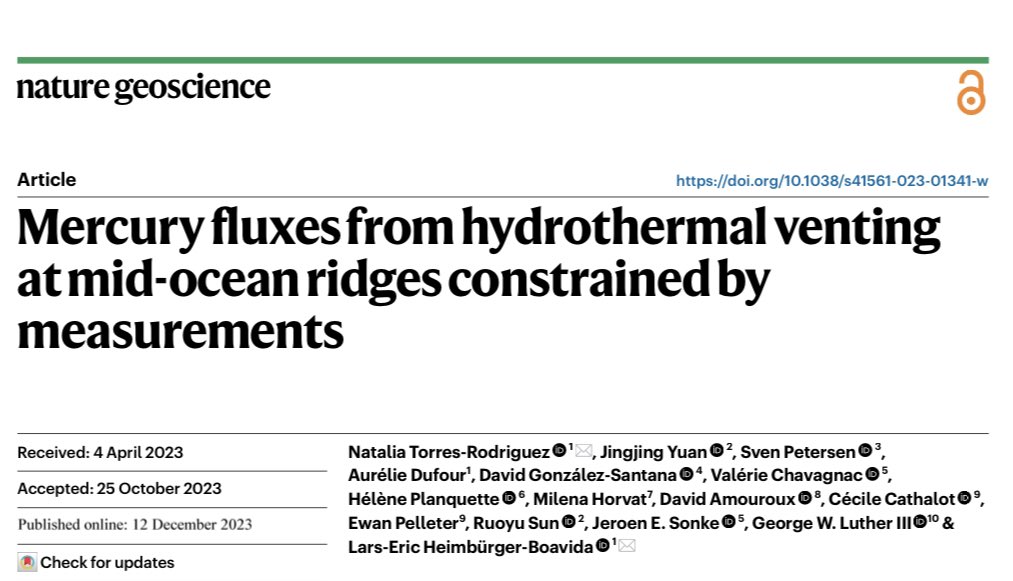
An international team of researchers, including #GEOMAR, shows in a new study that most of the #mercury in the ocean originates from human activities – and can thus be reduced. @LarsEric_Hg@NatureGeosci https://t.co/WZX4rfaLZ5
Ein internationales Forschungsteam unter Beteiligung des #GEOMAR zeigt, dass der größte Teil des im Ozean vorhandenen #Quecksilbers seinen Ursprung in menschlichen Aktivitäten hat – und daher auch wieder reduziert werden kann. @LarsEric_Hg https://t.co/5e6ErNxd6X
Always enjoying some hands-on work. After 5 years and 10000s of methylmercury samples our GC gets a new column. Lots of #hydrothermal#mercury samples in the queue! | #HOT_Hg
The last 3 days we had a successful project meeting in Nantes. As the first PhD defenses are coming up, this was our last meeting with all ESR. Stay tuned and see you for the next project meeting in Cape Town at ICMGP in July 2024! 🙌🙌
#mercury#ESR
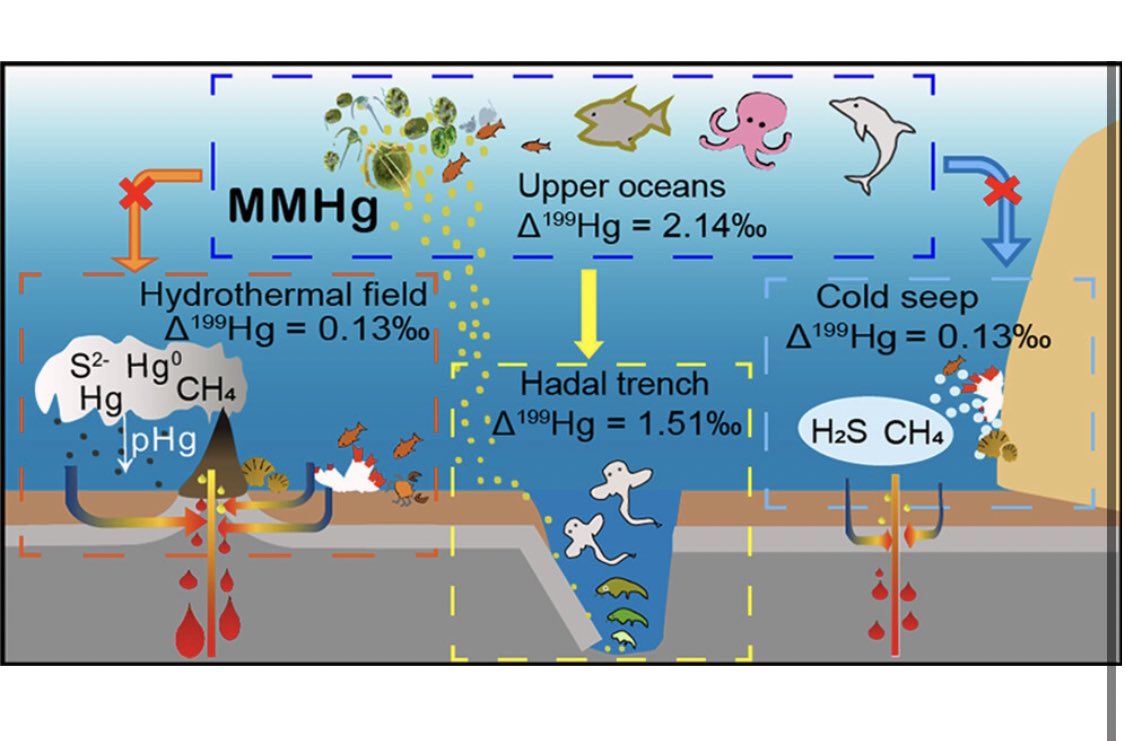
How much mercury is emitted from marine hydrothermal vents, and what's its fate in the environment? We are investigating this with the amazing #HOT_Hg team led by @LarsEric_Hg by collecting a variety of new field observations and running numerical simulations. Stay tuned!
Our month of GMOS Train Modelling Winter School and Hackthon is coming to an end. We will all be enjoying our new Hackathon coffee mugs 😊
Big thanks to the organizers Johannes and Martin!!
@HereonHelmholtz