Books, pots, museums, temples, all things Asian art with a sprinkling of pop culture.
PhD student at the Univ. of Vienna working on art in the Northern Wei.
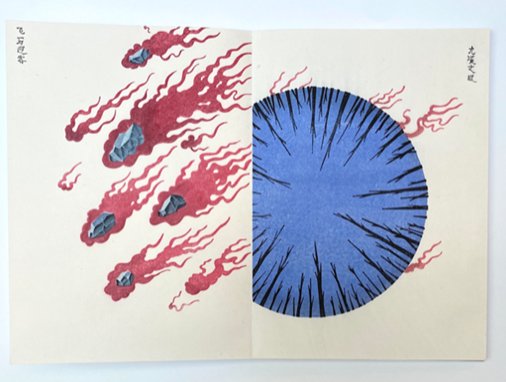
New acquisition for #BLChinese: 九洗奇物志 Jiuxi qi qu zhi (A Record of Strange Things at Jiuxi), colour woodblock printed concertina by contemporary artist 曹欧 Cao Ou. Number 3 or 30 copies. #thursdayvibes
Vadym Khlupyanets, a ballet dancer of the Kyiv Operetta Theater, died in the battle for freedom and independence of Ukraine.
He traded the stage for trenches so that millions of people would never lose their free lives to authoritarianism.
Eternal glory!
@StilichoReads You say this, but the Cambridge History of China volume covering the three kingdoms only came out two years ago, so we didn't even have THAT for the longest period of time...
@Merlkir in Egypt it goes back to the pre-dynastic period, see this stone palette from Hierakonopolis in the Ashmolean museum, ca. 3300–3100 BC https://t.co/2mWAW2Jxbb
@Merlkir I wonder if the motif is moving through exchange with nomadic populations in the Balkans and the Black Sea Coast, or through the Phoenicians and other sea trading peoples?
There's also wide spread use of the griffin in Minoan and Egyptian art -
@SoSwargaming @noddinggoth There are very different ways of dealing with mummies, even when they can't be repatriated they can be displayed in ways more respectful of their status of human remains
(Yes, I know this is where the issue of limited museum resources in these times comes in...)
@SoSwargaming @noddinggoth - that if Western countries want to denounce the continued practice of looting, they need to go one step further and take practical steps to at least cooperate with the "origin" countries of objects to have them be "shared". So the intiative re: Elgin Marbles is welcome news
@SoSwargaming @noddinggoth "It wouldn't happen today"> I'm sure you didn't mean it literally, but this sort of thing still happens today, as we see with Russian troops looting Ukranian museums
So highlighting the context and how looting is loaded with ideological significance is importance, but I'd argue-
Twitter historian pals, do you have any advice for software/websites/tools for generating timelines? I'm looking for a way to visualise a timeline of the graves in my PhD thesis, some of which have a known year of burial, some of which have a time window. (1/)
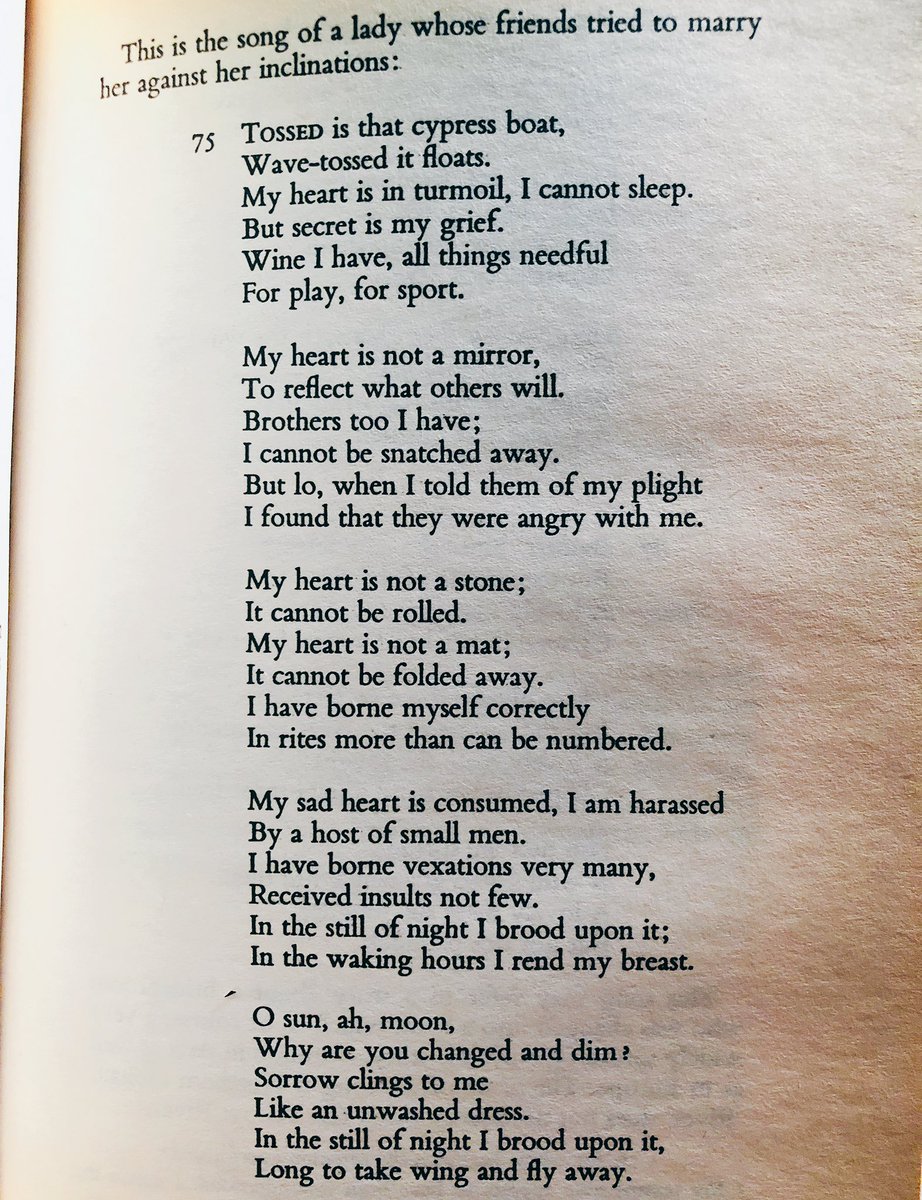
My heart is not a mirror
To reflect what others will
My heart is not a stone
It cannot be rolled
My heart is not a mat
It cannot be folded away
我心匪鑑 不可以茹
我心匪石 不可轉也
我心匪席 不可卷也
《邶風·柏舟》from Book of Songs (c. 600 BCE)
t. Arthur Waley #everynightapoem
@GilYardeni Your department may have funding for proofreading, and some doctoral schools do too. It's definitely expected in humanities but I know there's less expectation/support for it in sciences. I know some people who do paid proofreading, lmk if you want me to pass on their contact!
Although nothing compared to the horrific loss of life during the war, just weeks ago the devastating news broke that gun-toting Russian soldiers had absconded with over 200 Scythian artifacts, the museum’s most treasured items: https://t.co/aawCjVtY8e
2/n
So far my method has been to just draw a rectangle in Powerpoint and crop thumbnails of artefacts from the tomb above it, but it's all giving off a very "graphic design is my passion!!" vibe.