Do I know anyone who is in Hustle Fund's Angel Squad? Been seeing Lauren Taylor post about her experiences with it, curious if there are more friends in it than I realize.
Merchant-side agents can dynamically push highly optimized, hyper-contextual product recommendations directly to a buyer's agent.
Hussain Punjani explains why headless, invisible commerce is the future.
Catch the full episode on my show Stablepilled on Spotify.
New Stablepilled episode.
Hussain Punjani is building Agentix Pay, focused on Agentic Commerce.
His central thesis: agents and AI will drive a revolution in payments and shopping.
Take a listen to the teaser below and get the full episode here: https://t.co/ddpitKnx69
We have our next episode of Stablepilled coming Sunday, focused on agentic commerce with Hussain Punjani, MBA founder of Agentix Pay.
Got a teaser out today where he describes the roadmap for AI shopping.
@_guglielmo@Teknium are we heading towards a crash in mac mini prices? I got one before they got crazy and would love to upgrade it not for openclaw but just because it is 5 years old.
Two business ideas from building a VC fund:
1) Make fund management cost under $5k per year and you'll crush.
2) Figure out how to make due diligence a shared output so reference calls etc. take less time from both sides
Major areas where the financial system still needs an update:
1. Tokenization of real-world assets - Real estate, stocks, bonds, funds, etc. onchain for instant settlement, fractional ownership & massive distribution.
2. 24/7 Global trading - Pooled global liquidity, every asset, every person, with great leverage and capital efficiency.
3. Next-gen payments - Near-instant, low-cost global transfers using stablecoins, including for Agentic payments.
4. AI-powered risk, credit, compliance, and advice - Better decisions, less fraud, and broader access to capital. Everyone gets access to a great financial advisor.
5. Innovation friendly regulation - Move from one-size-fits-all to risk-based rules that encourage innovation and competition instead of stifling it.
6. Expanded access - Open protocols that reduce middlemen and self-custodial wallets to expand access to everyone with a smartphone.
7. Capital formation - Low cost and turnkey for anyone to raise money for a good idea, increasing the number of startups.
8. Sound money - A refuge from inflation, when discipline is lost in fiat money.
Jobs not done until we get these working for all.
Will require lots of tech innovation and policy work to get there.
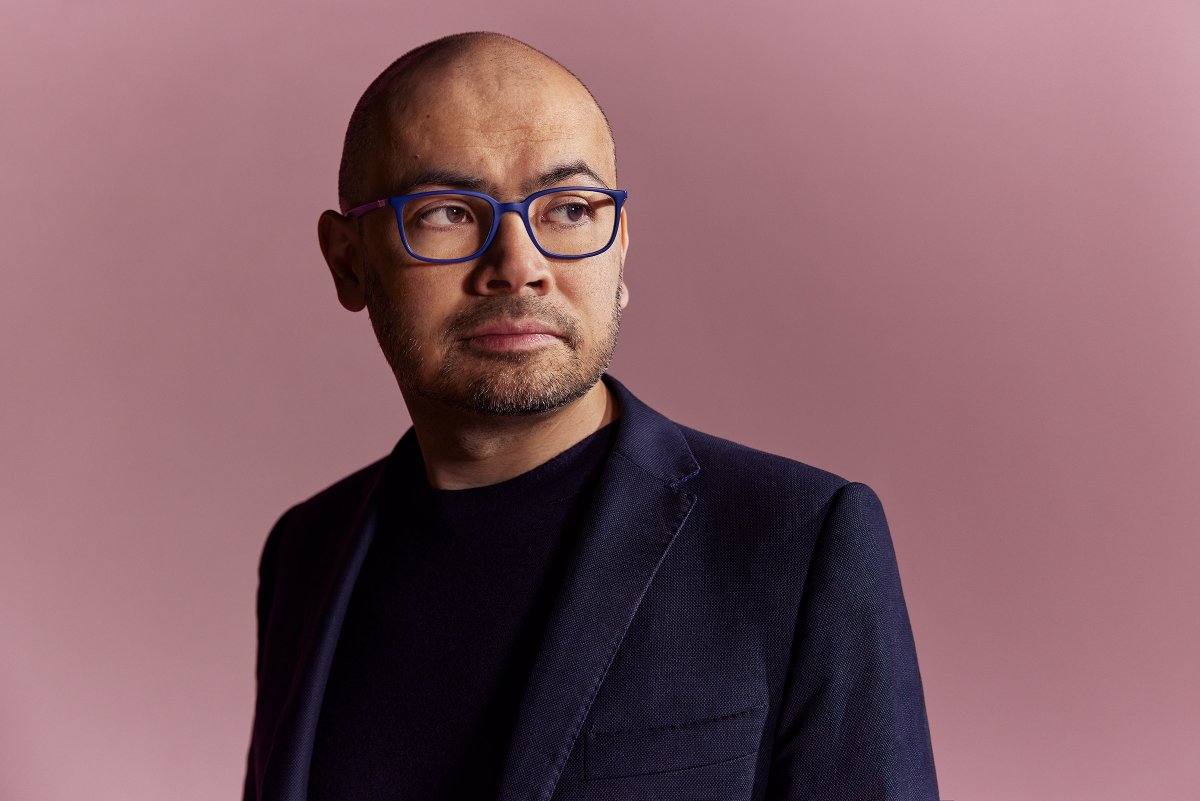
At 11 years old, Demis Hassabis lost a chess match to a computer.
Most kids would have moved on. Demis became obsessed with the machine, not the game. He wanted to understand how a lump of plastic could think. Then he wanted to build something smarter.
He went on to found DeepMind with one stated mission: solve intelligence, then use it to solve everything else. AlphaFold mapped the structure of nearly every protein known to science. He won the Nobel Prize in Chemistry in 2024.
When he talks about starting DeepMind, he doesn't talk about a market opportunity. He talks about a 20-year plan he'd been running since childhood.
That's a missionary founder.
I'm collecting these stories. Have you met someone like this? I'd love to hear it.
For 7 years, Sara Blakely sold fax machines door-to-door.
At night, she'd cut the feet off her pantyhose and wear them under white pants. No fashion background. No connections. She wrote her own patent because no lawyer would take her seriously.
She cold-called her way into a meeting with a Neiman Marcus buyer, pulled up her pants in the fitting room to show the product, and walked out with a purchase order.
Spanx grew into a $1.2B company. In 2012, Sara became the youngest self-made female billionaire on the Forbes list.
She wasn't chasing a market. She was solving her own problem, obsessively, for years before anyone validated it.
That's a missionary founder.
I'm collecting these stories. Have you met someone like this? I'd love to hear it.
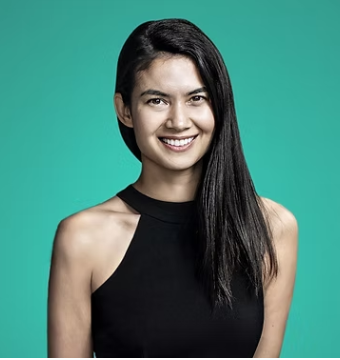
At 19, Melanie Perkins was teaching design software to university students in Perth, Australia.
She watched them struggle for hours with tools that professionals found complex. She knew it didn't have to be that hard. So she built a simpler one - in her mom's living room, with her boyfriend as her only co-founder.
She pitched it to over 100 VCs. All passed. She flew to San Francisco with no connections. One investor would only hear her pitch if she learned to kitesurf first. She booked the lessons.
Canva launched in 2013. It's now valued at $26B and used by over 200 million people.
Melanie didn't set out to disrupt design software. She was a teacher who couldn't stop thinking about a problem her students had.
That's a missionary founder.
I'm collecting these stories. Have you met someone like this? I'd love to hear it.