We are moving to Bluesky! To keep up to date with the latest conservation research, follow us on Bluesky and Facebook. 🔵
🔗 https://t.co/P1zAiJrerw
🔗 https://t.co/ortLR3nYyB
A new article from the Guardian explores the spread of invasive raccoons in Europe, featuring research from our journal on their diet of endangered mussels in western Poland.
https://t.co/Owgd7zGR42
What are semi-double flowers? A new bramble species discovered in China displays the rare trait. 🌼
🔗 Learn more on the @Pensoft blog: https://t.co/5KKWsPw3NQ
Learn all about our journal at @Pensoft's stand at the International Congress for Conservation Biology in Brisbane/Meanjin, Australia!
🔗 https://t.co/cVN5g8uL68
📅 15-19 June
📍 Brisbane Convention & Exhibition Centre, stand #27
@ICCB2025#ICCB2025
The research published in Nature Conservation is now available on @BioDivLibrary, allowing researchers to easily access relevant biodiversity literature.
https://t.co/n1D8mSkgvf
The study establishes an effective in vitro propagation method for the rare moss Podperaea krylovii, showing that KNOP medium and prostrate explant orientation optimise growth without the need for added hormones or sugars.
https://t.co/Ba4jNKi40W
Researchers identify salinity, depth, and mesozooplankton biomass as key factors shaping springtime moon jellyfish (Aurelia aurita) dynamics in the western and north-western Black Sea.
https://t.co/maDyveq1qg
It's #DeepDay, a day to celebrate the world’s largest, least explored habitat: the deep sea.
Today we thank all those working to understand and protect the darkest depths of our planet.
#DefendTheDeep 🧵(1/7)
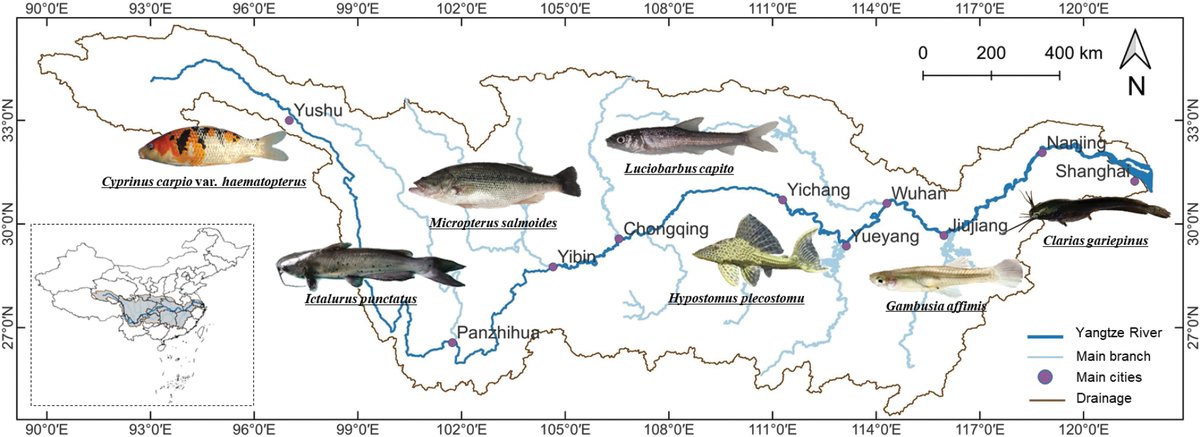
Invasive non-native fish species introduced through human activities are beginning to establish in the Yangtze River, China, posing long-term ecological risks that require urgent, multi-pronged mitigation efforts.
🔗 https://t.co/8aNOxWbnDr
Using GIS analysis, this study identifies unprotected areas in Costa Rica’s Tilarán Mountains with high #biodiversity and ecosystem service value, recommending them as top priorities for future #conservation.
https://t.co/49cT0qlFrB
After decades of deforestation, Amazonian soils show signs of life as termites, ants, and other macroarthropods recover uniquely during natural pasture regrowth.
🔗 https://t.co/0M3rQyp4Wu
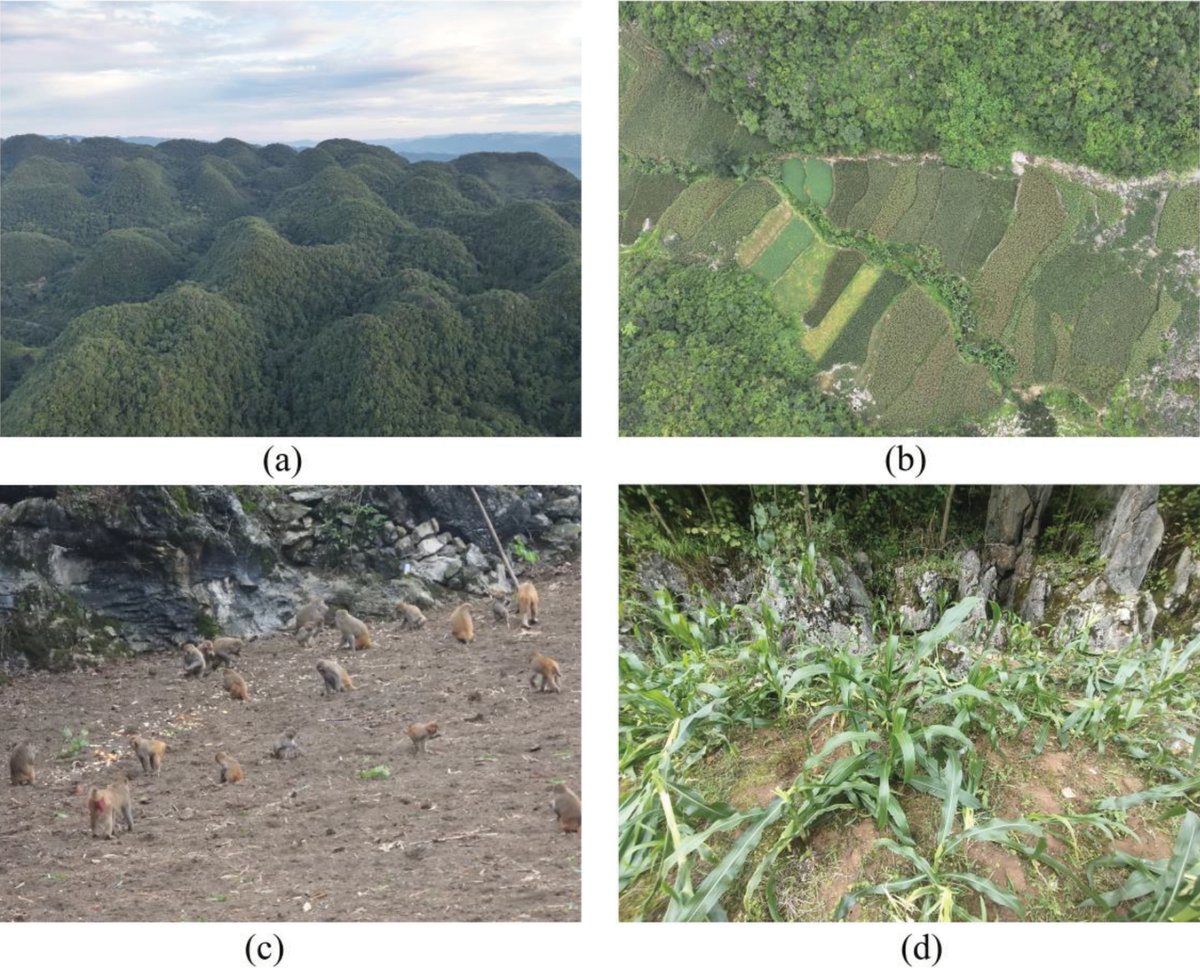
Not rising macaque numbers but shrinking habitat caused by human land use is driving human-wildlife conflict in SW China's karst region.
🔗 https://t.co/Rkoq0Q5Pz0