We are delighted to announce that registration is now open for "Esther Inglis in Contexts and Culture", a colloquium at the University of Edinburgh, 19th-20th October 2024.
Do share widely - we look forward to welcoming you to Esther Inglis' Edinburgh!
https://t.co/AQwawBjZqe
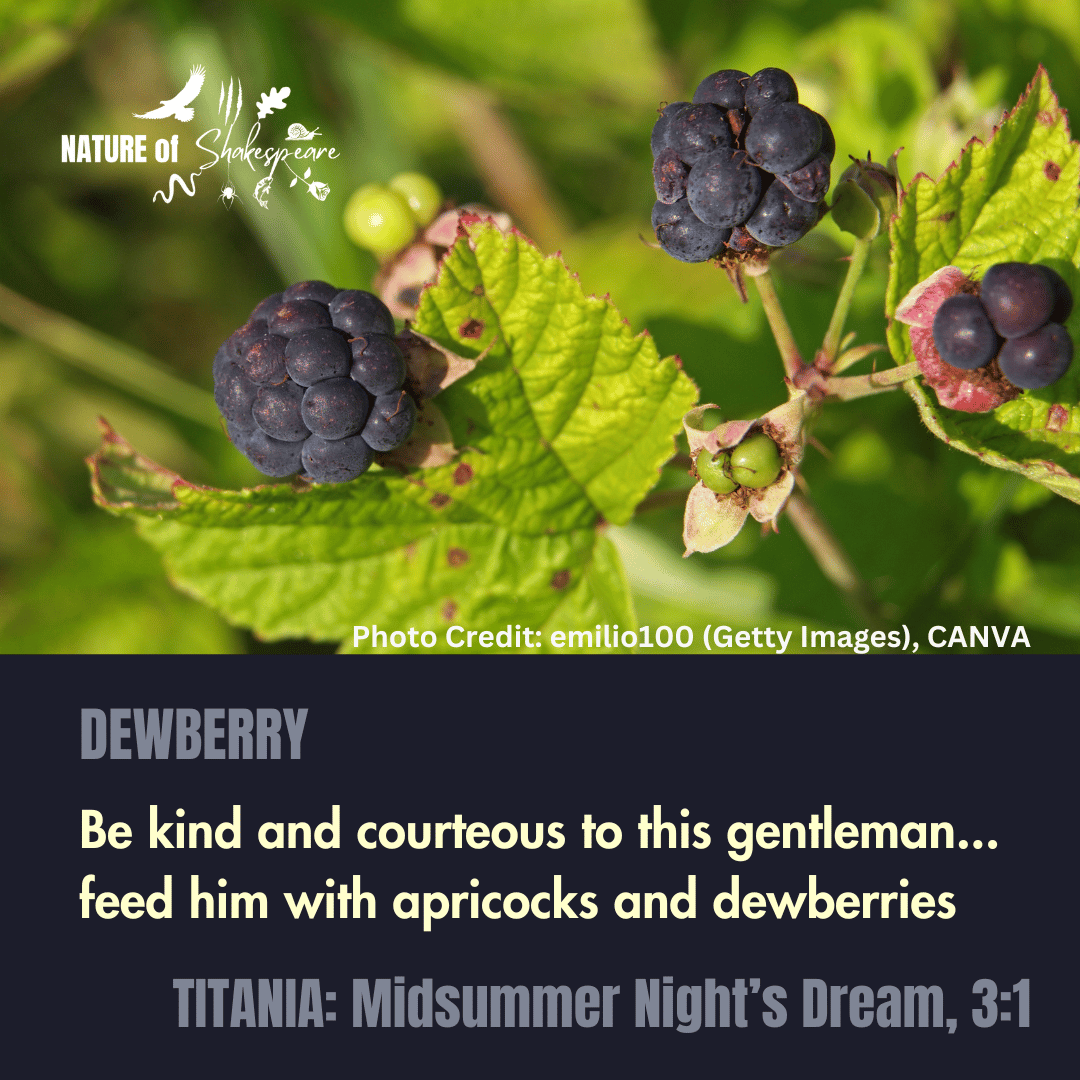
Shakespeare Species Dewberry: feed him with apricocks and dewberries. Titania lists all the delicacies that she will feed to Bottom during her infatuation. Dewberries are closely related to Blackberries. #shakespearespecies
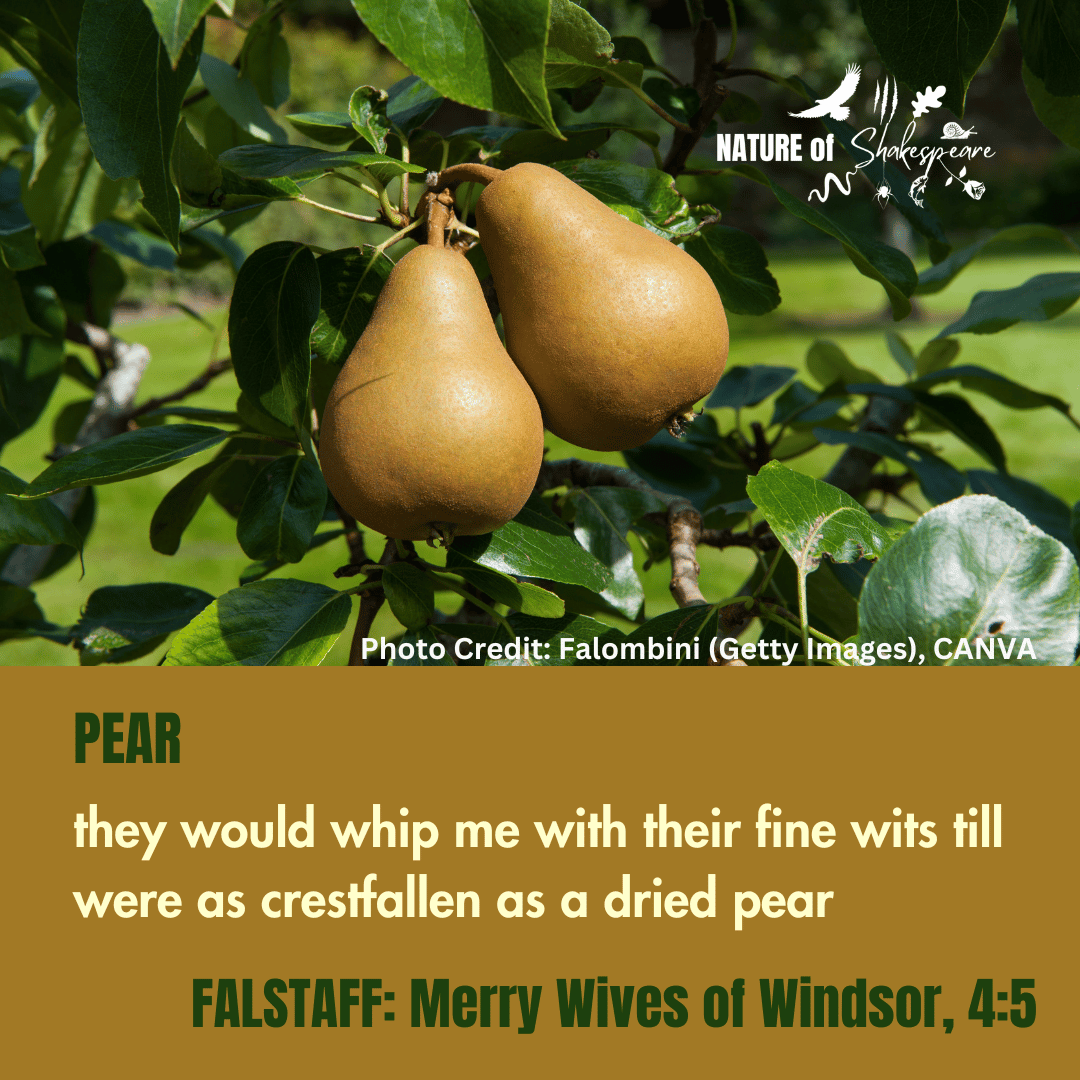
Shakespeare Species Pear: they would whip me with their fine wits till I were as crestfallen as a dried pear. Another of Falstaff's vivid fruit based images. #shakespearespecies
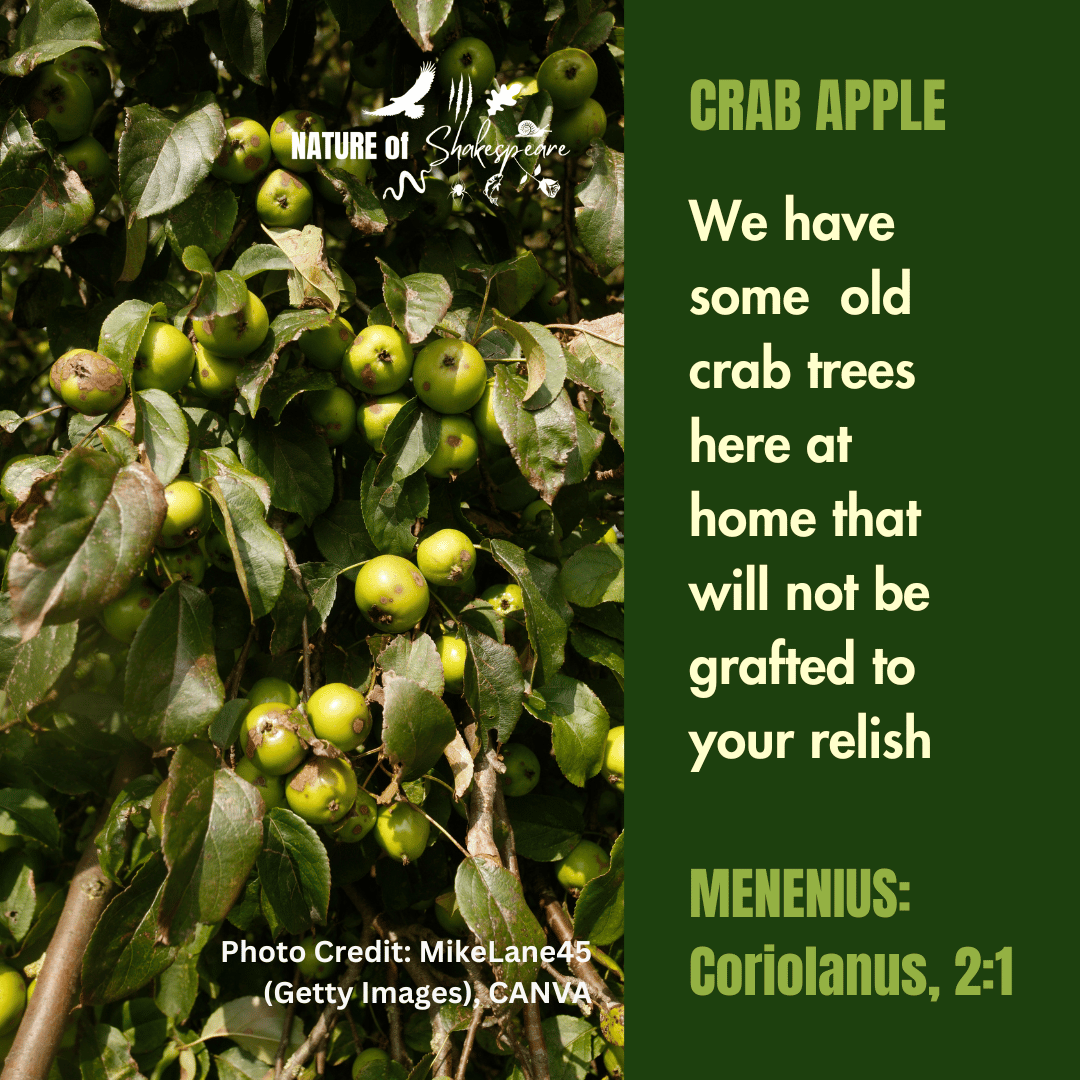
Shakespeare Species Crab Apple: we have some old crab trees here at home that will not be grafted to your relish. Crab apples are used on several occasion to indicate bitterness of spirit. #shakespearespecies
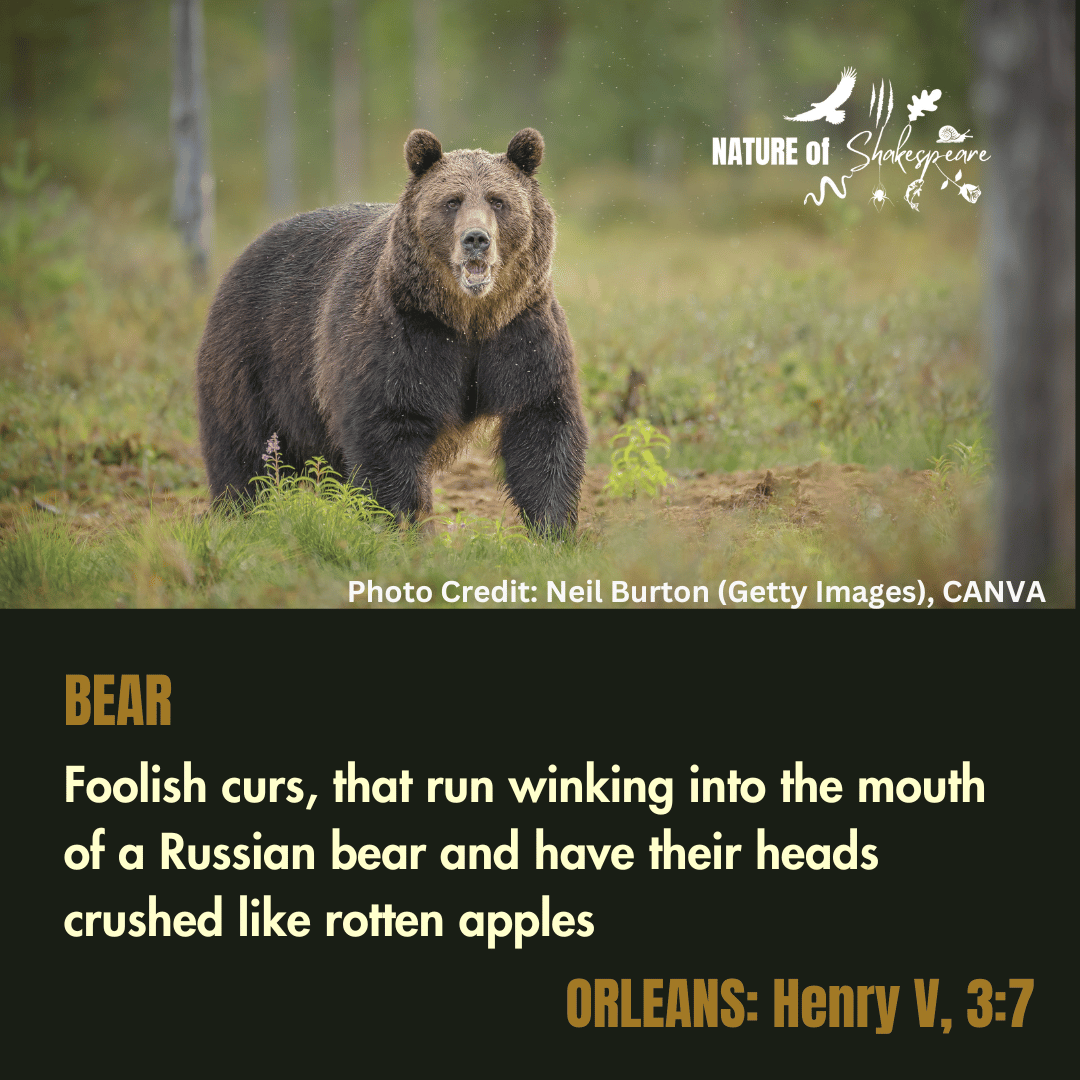
Shakespeare Species Bear: foolish curs, that run winking into the mouth of a Russian bear. Bears were familiar in Shakespeare's world through the widespread, brutal practice of Bear-baiting. #shakespearespecies
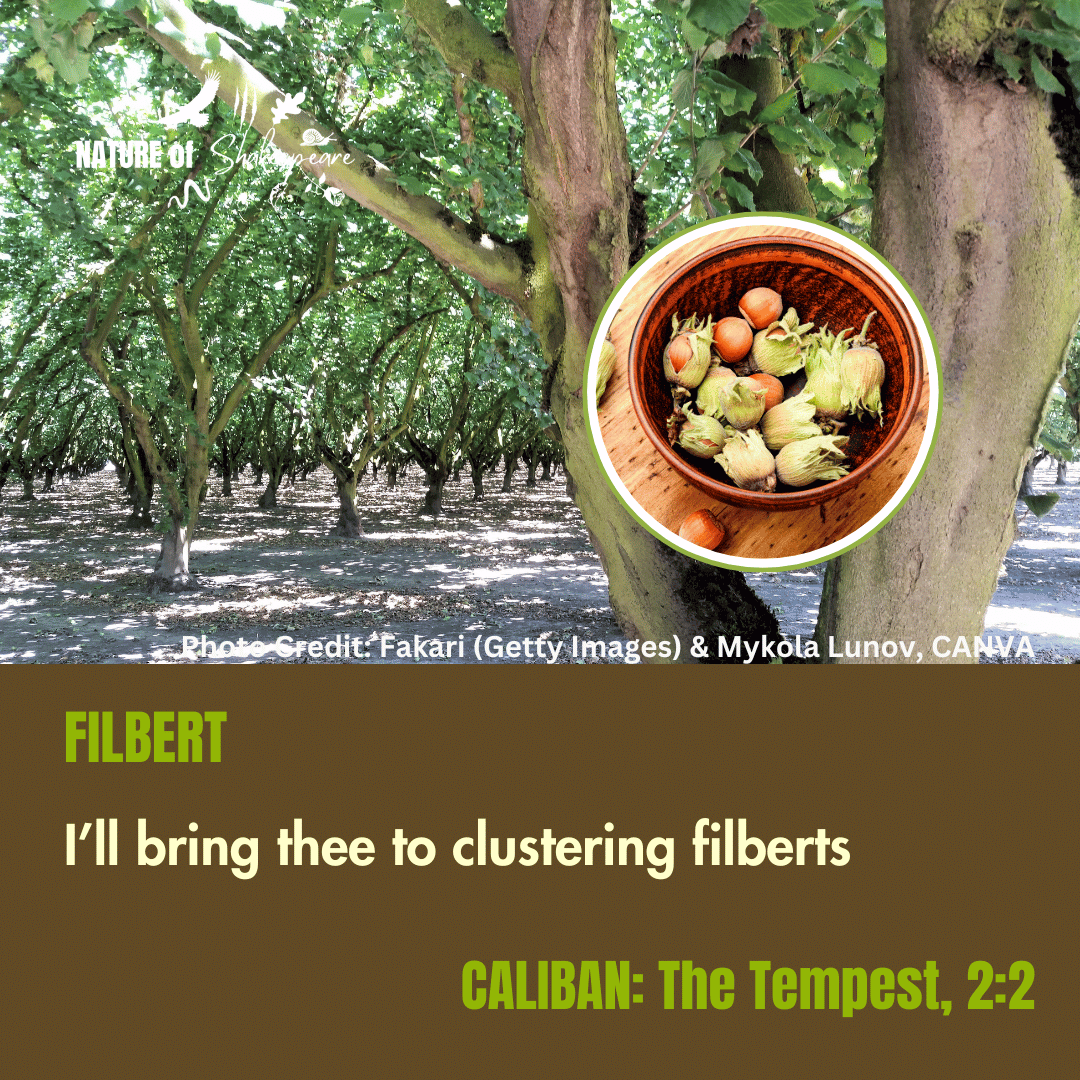
Shakespeare Species Filbert: I'll bring thee to clustering filberts. Calaban offers to show the shipwrecked sailors how to find wild food on his island. Filberts are larger, cultivated Hazelnuts. #shakespearespecies
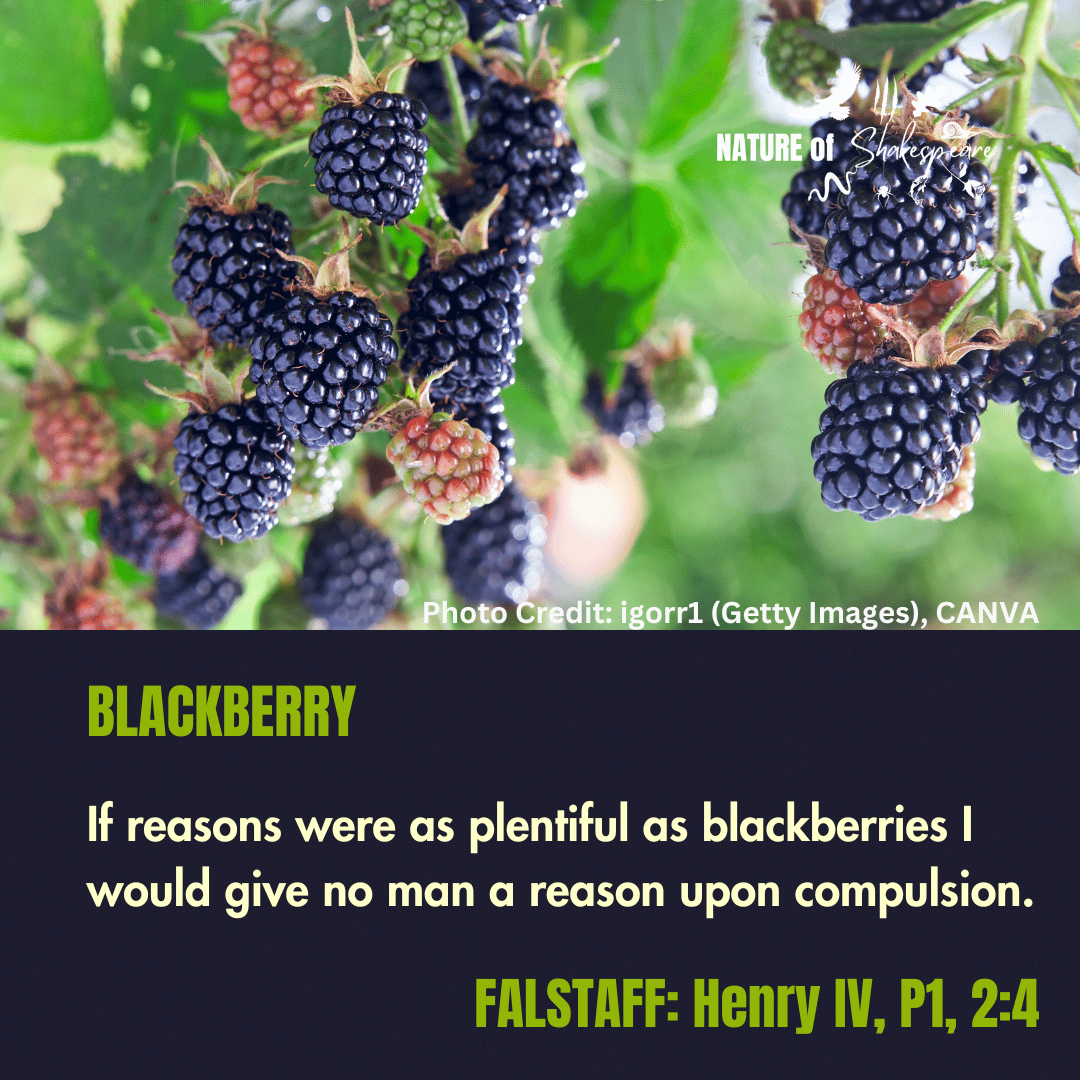
Shakespeare Species Blackberry: If reasons were as plentiful as blackberries, I would give no man a reason on compulsion. Falstaff uses another nature based image to talk his way out of a tricky corner... #shakespearespecies
Shakespeare Species Cockle: we nourish ‘gainst our senate the cockle of rebellion, insolence, sedition. Corncockle was formerly so familiar in arable fields that it was a byword for rebellion & disorder. Now it is one of the rarest arable plants in Europe #shakespearespecies
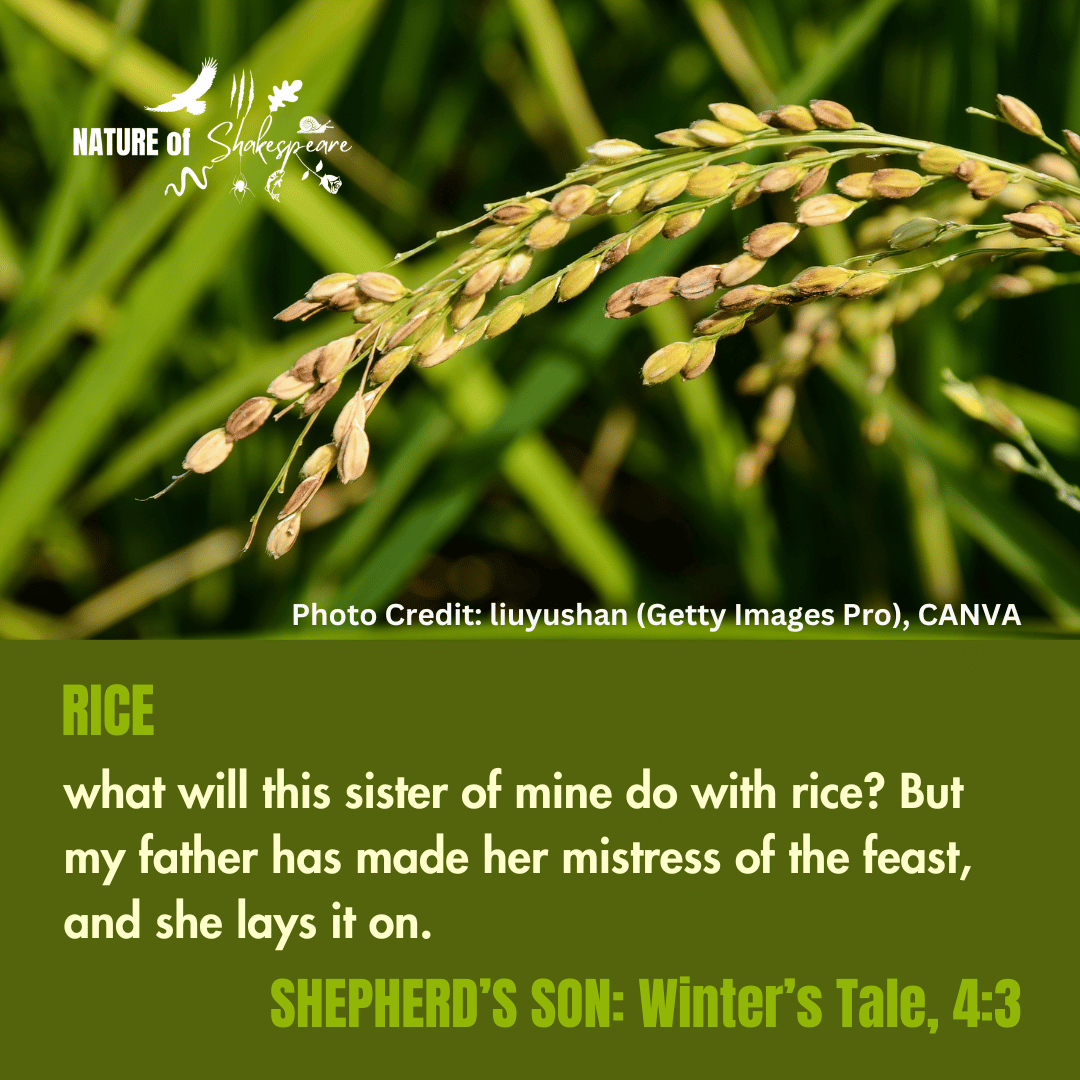
Shakespeare Species Rice: what will this sister of mine do with rice? Perdita wants Rice for the Sheep Shearing Feast & her brother’s question makes it clear that it was a luxury & unfamiliar foodstuff for some. #shakespearespecies
Shakespeare Species Rye: make holiday: put your rye straw hats on. Rye was an important food crop in Shakespeare’s world and cereal straw had many uses in the Tudor world. #shakespearespecies
Wow, amazing news!
Huge congratulations to our friend, orchidologist & top plant spotter Richard @thenewgalaxy, who has refound Britain's rarest orchid after 30 years!
As its #PlantAtlas2020 page says, this is 'the most arduously sought British plant'
https://t.co/Y4s1H7b03K
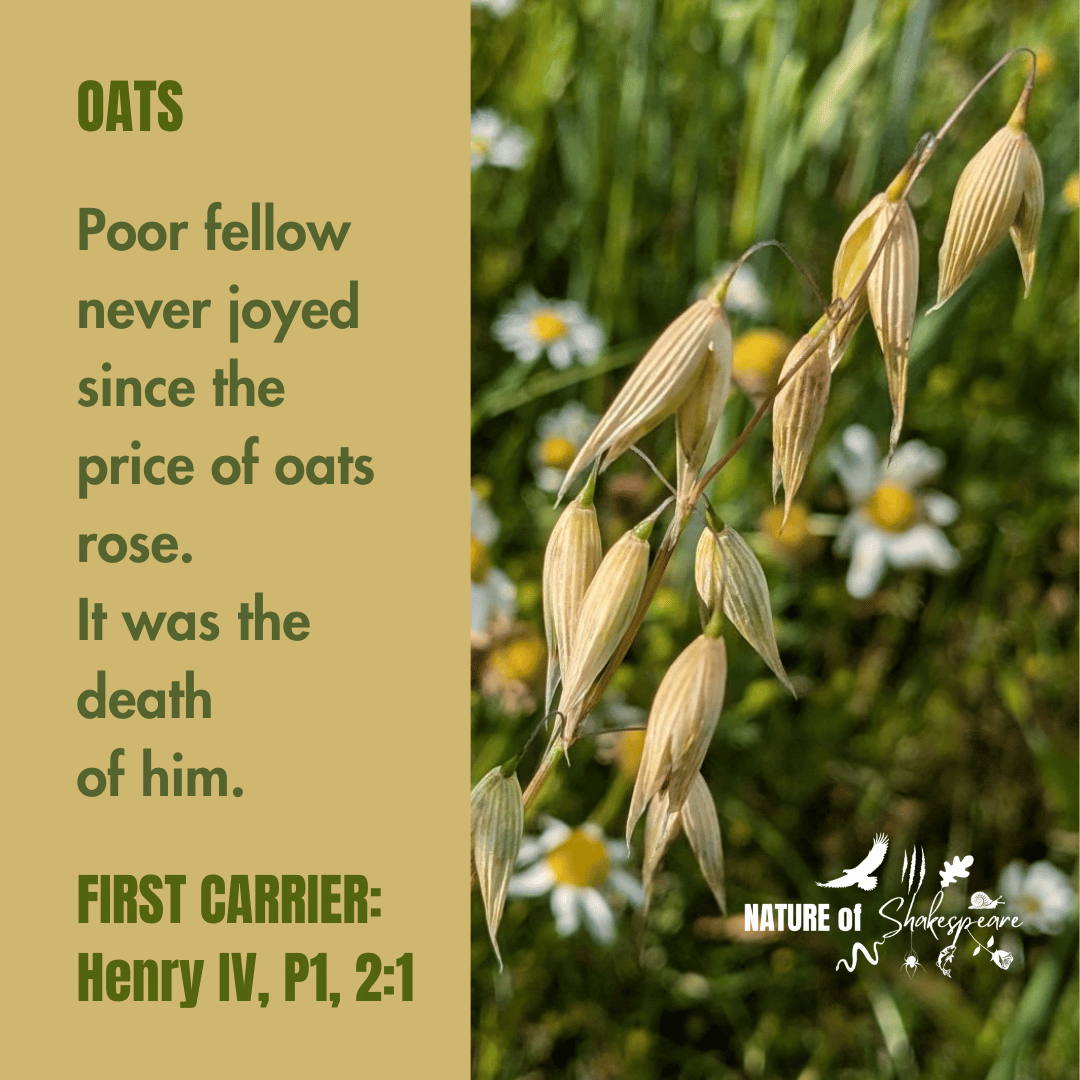
Shakespeare Species Oats: poor fellow never joyed since the price of oats rose. It was the death of him. Shakespeare includes Oats in connection with feeding animals but it was also used for food & there are several references to porridge. #shakespearespecies
🎉👏 Celebrating one million specimens in our digital Herbarium! Available online for free, our collection provides essential data to classify plants and fungi, understand biodiversity change and build a positive future for plants, people and the planet 👉 https://t.co/CE7h7WsvmM
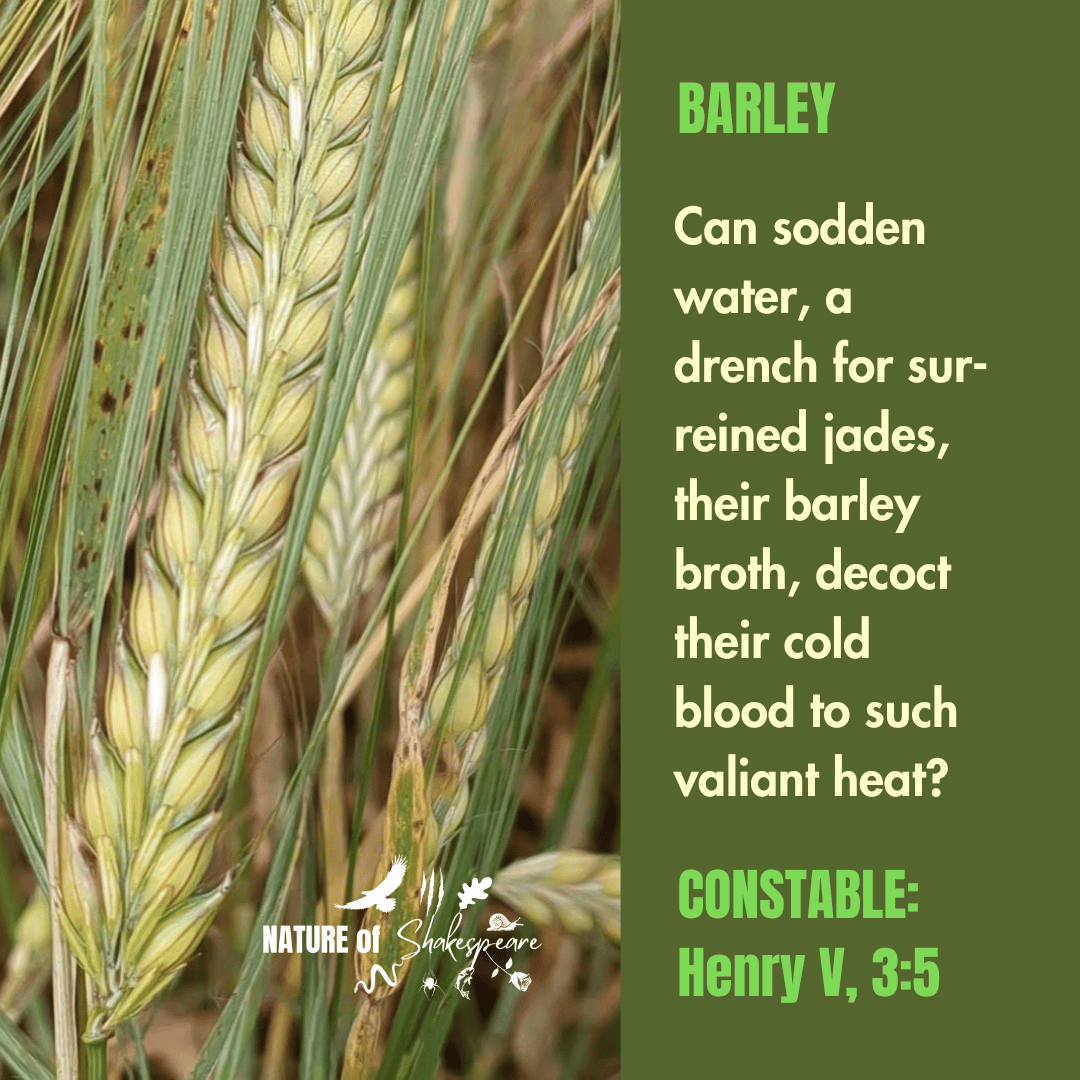
Shakespeare Species Barley: can sodden water… their barley broth, decoct their cold blood to such valiant heat? The French before Agincourt speculate on what fires up the foolhardy and frosty English. Barley was important for both food &drinks. #shakespearespecies@BaronyMill
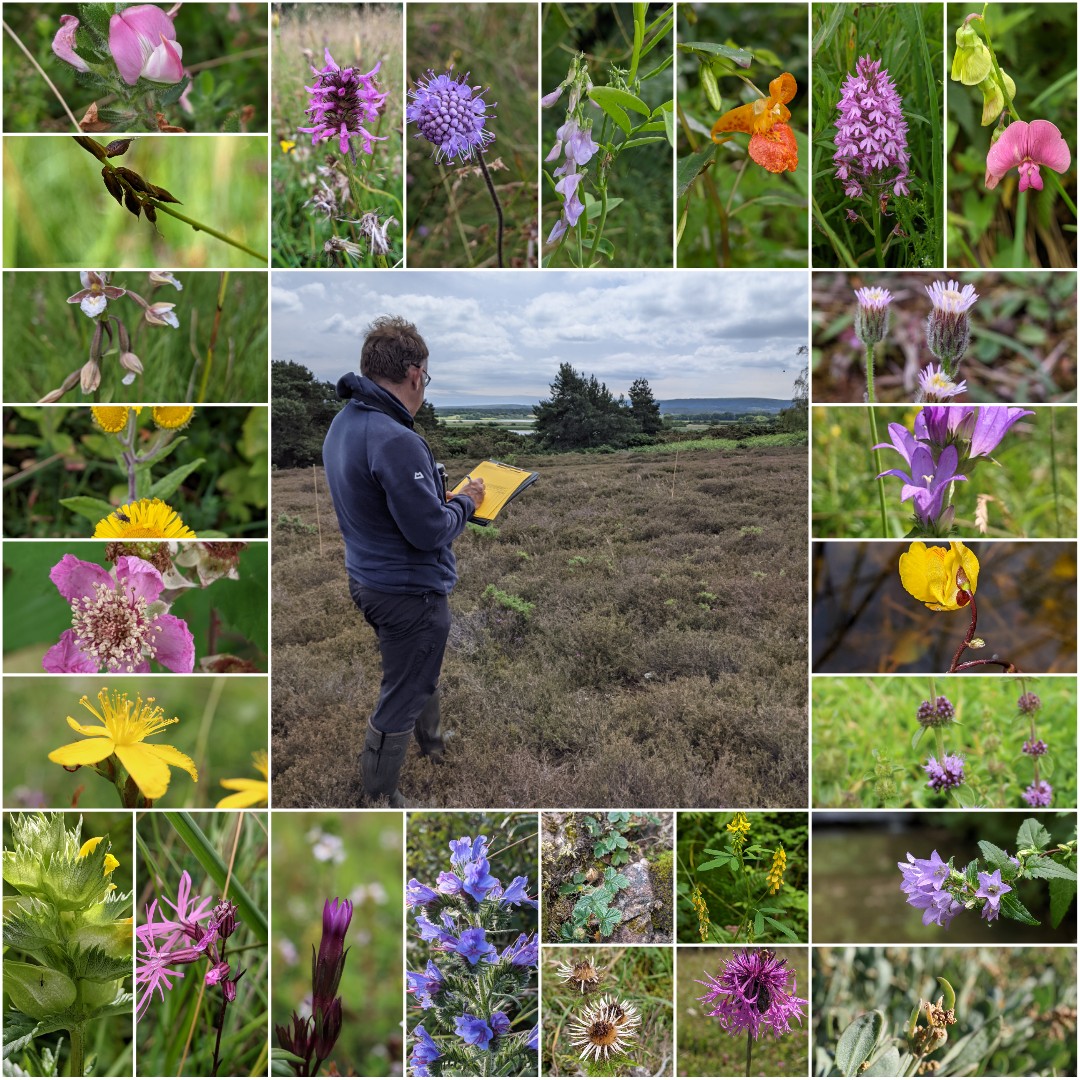
Just starting out as an NPMS volunteer or thinking of joining in? We run regular Intro to NPMS survey & methodology online Zoom webinars. Our next one is in exactly a month! - 12/09/2024 at 12.00pm register online to join us https://t.co/yXIGFm4fUw 📷Sarah Shuttleworth
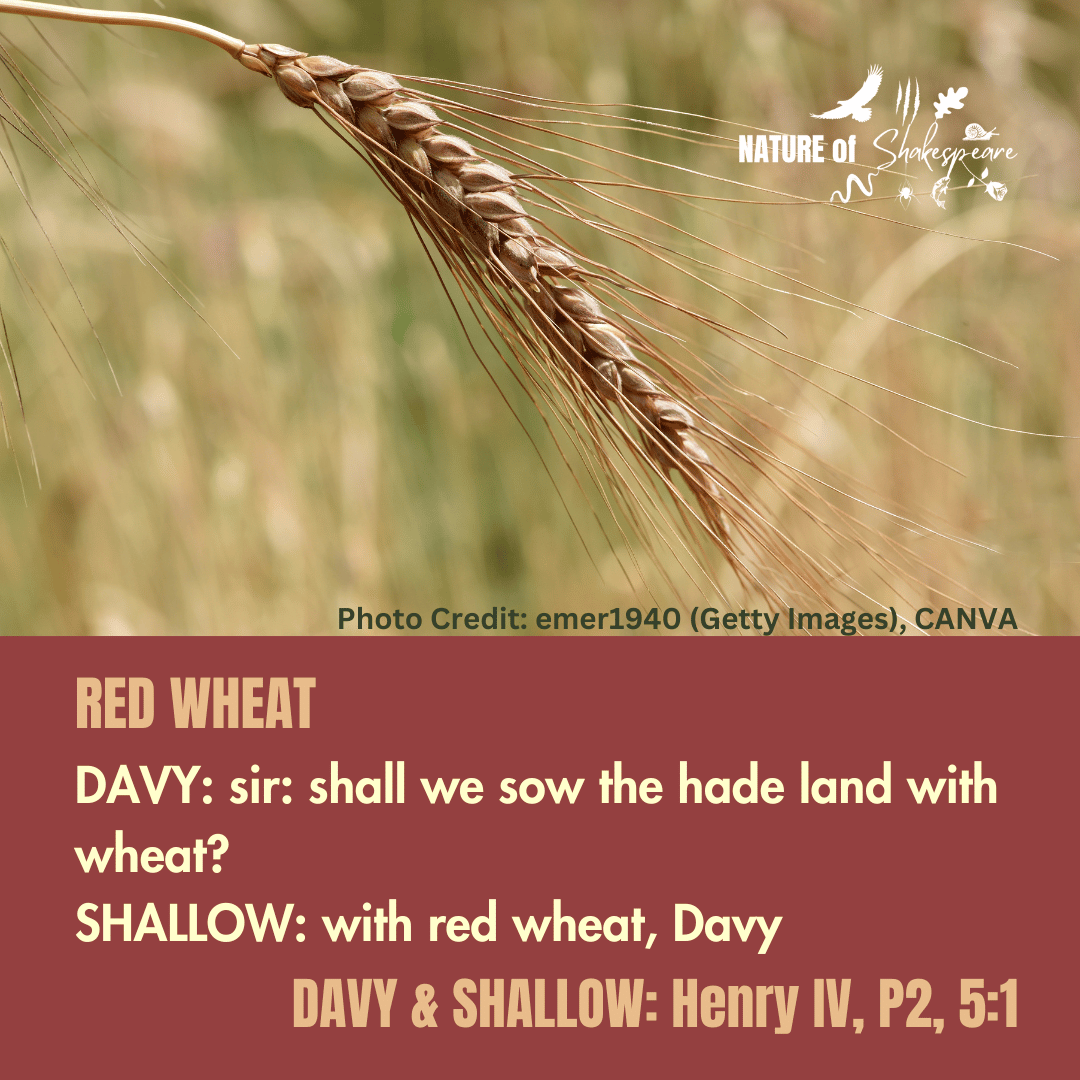
Shakespeare Species Red Wheat: sir: shall we sow the hade land with wheat? with red wheat. Red Wheat is Bearded or Durum Wheat. Durum Wheat is often used for pasta nowadays but was also used for bread in the past. #shakespearespecies@CropTrust@JohnInnesCentre@IFarmers
I haven't read this Kew publication yet, but it looks interesting. 'Botanical City - a busy person's guide to the wondrous plants you can find, eat and grow in the city.'