Tiny marine animals found living inside deep-sea polymetallic nodules: Polymetallic nodules, stone-like structures from the deep sea that contain valuable metals, also turn out to be a unique habitat for a variety of small marine animals – even inside the… dlvr.it/TWJrWx
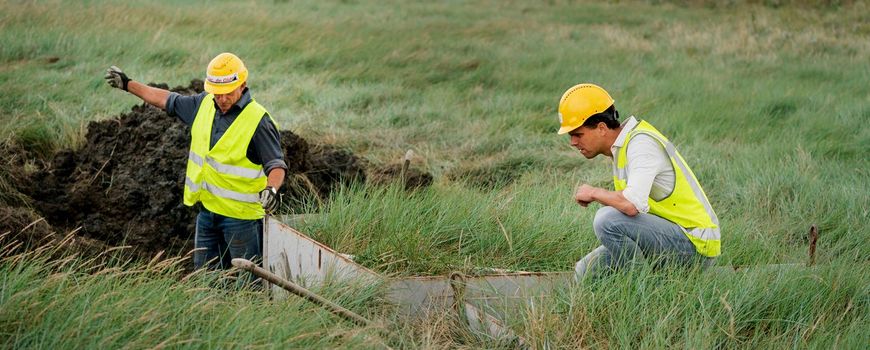
New Dutch book 'Meegroeien': making room to grow with sea-level rise: Sea levels are rising, and our familiar ways of protecting ourselves against the water are increasingly showing their limitations. This creates a growing need for a new approach to sea-level… dlvr.it/TW6pMl
Salt marshes are proving to be powerful allies in building a climate-resilient coastline: Salt marsh sediment and vegetation can remain largely intact even during extreme storm surges. This was demonstrated in an experiment in which researchers transported… dlvr.it/TW4TBM
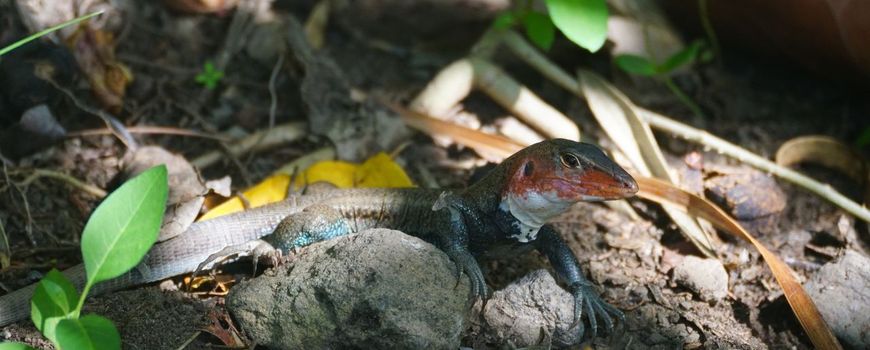
Groundlizards on Sint Eustatius use underground nurseries: Beneath the tropical vegetation of Sint Eustatius lies a hidden world of reptile nests. Researchers have described the nesting behaviour of Red-faced groundlizards for the first time. This species of… dlvr.it/TVzvX6
The importance of hedges – how field margins curb vole outbreaks: Researchers at the University of Amsterdam’s Institute for Biodiversity and Ecosystem Dynamics have found that hedgerows, tree lines and small woodland patches can help reduce damaging vole… dlvr.it/TVybPd
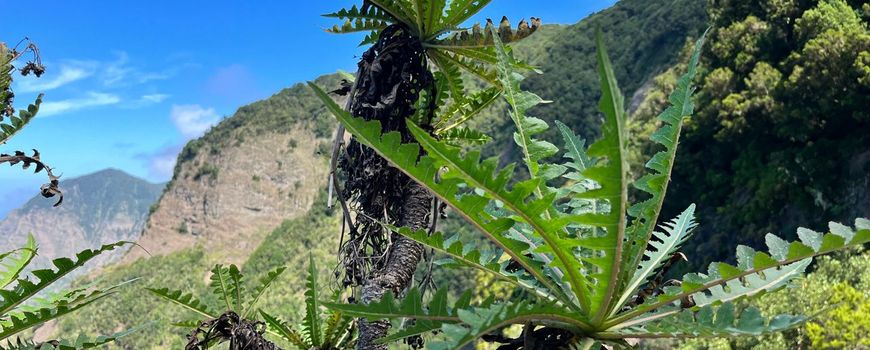
The sorrel bush and the dandelion tree: how do species form on islands?: Why do some small, soft herbs evolve into giant woody trees when they arrive on islands, while others hardly form new species? Two PhD students combined genetic information about thousands… dlvr.it/TVxyTM
Boé in Guinea-Bissau officially recognised as a Key Biodiversity Area: A large part of the Boé in Guinea-Bissau has officially been recognised as a Key Biodiversity Area, giving this forest-savannah landscape international recognition for its global importance… dlvr.it/TVtMgz
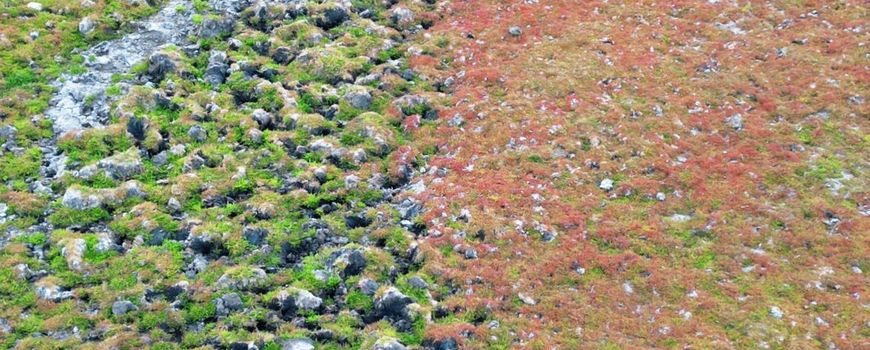
Self-organized landscape patterns help plants cope with climate change: New research shows how natural patterns in coastal meadows redistribute salt stress, helping vegetation remain productive under increasingly saline conditions. Such a mechanism can enhance… dlvr.it/TVl4mP
Urban birch pollen doesn’t fall far from the tree: Research in Leiden shows that flowering birch trees can substantially increase the amount of airborne pollen in their immediate surroundings, even though this pollen can also travel over long distances.… https://t.co/Tx5iTmV4Df
FlySafe service to observe bird migration and reduce bird strikes in military flights: The FlySafe Operational Service provides near real-time information and forecast on large scale bird movement in the air space of the Netherlands, Germany and Belgium… https://t.co/iUOS2qeb46
Heatwaves inhibit antibiotic resistance in soils, but at a price: During extreme heatwaves, soil bacteria that produce and resist antibiotics switch into survival mode, temporarily reducing the number of resistance genes. At the same time, heat and… https://t.co/fCg97WK1Ft
Sphagnum mosses and their keyrole in nature: Jeroen Helmer has created a new illustration of the sphagnum moss ecosystem, especially for the conference ‘Power to the Peatlands’. This illustration is available free of charge to participants and to anyone… https://t.co/cLxT9H5KyU
Strong oyster reefs start with genetic diversity: Which oysters are released matters when restoring European flat oyster reefs. To preserve genetic diversity and prevent inbreeding, the origin and relatedness of the oysters should be considered for each… https://t.co/yz0r6bOaxN
Sharks and rays do not avoid power cables but do show behavioural changes: PhD research shows that sharks and rays are present in operational wind farms in the North Sea and that power cables do not form a barrier. Exposure to the electromagnetic fields… https://t.co/yK8FLoXDaw
What an honor! Antlion named after Naturalis collection manager: A new species of antlion from South India has been named after Mónica Guimarães Cruz, collection manager at Naturalis. The type specimen is, in fact, part of the Naturalis insect… https://t.co/O3RFezqZd4
AI helps beachcombers identify fossils: There's black gold to be found on Dutch beaches: ancient fossils. But determining what you have found is no easy task. Researchers from Naturalis and other institutions have trained artificial intelligence to… https://t.co/ws3LiR2ERF
DNA research highlights the genetic vulnerability of Asian elephants: The DNA of Asian elephants tells a concerning story. Although all four subspecies are under pressure, there are considerable differences in their genetic health. The Sri Lankan… https://t.co/UI0NMiuYw0
Two new snail species for Montenegro: Mixed teams of scientists and citizens, including Leiden evolution biologist Menno Schilthuizen, have discovered two new snail species in northwestern Montenegro. The discovery underscores the region's importance for… https://t.co/iAbmVYvaoF
Urban airborne allergenic pollen has a strong local effect: People with hay fever may be exposed to much more allergenic pollen in one street than just a few streets away. Research in Leiden shows that pollen levels in urban air vary considerably at a… https://t.co/gh4GRJbKnB
New research shows: shorebirds find mobile prey in a predictable way: For shorebirds such as sanderlings, food availability is determined not only by the abundance of prey, but also by the precise locations and periods during which prey are available.… https://t.co/WW0CWWz3zh