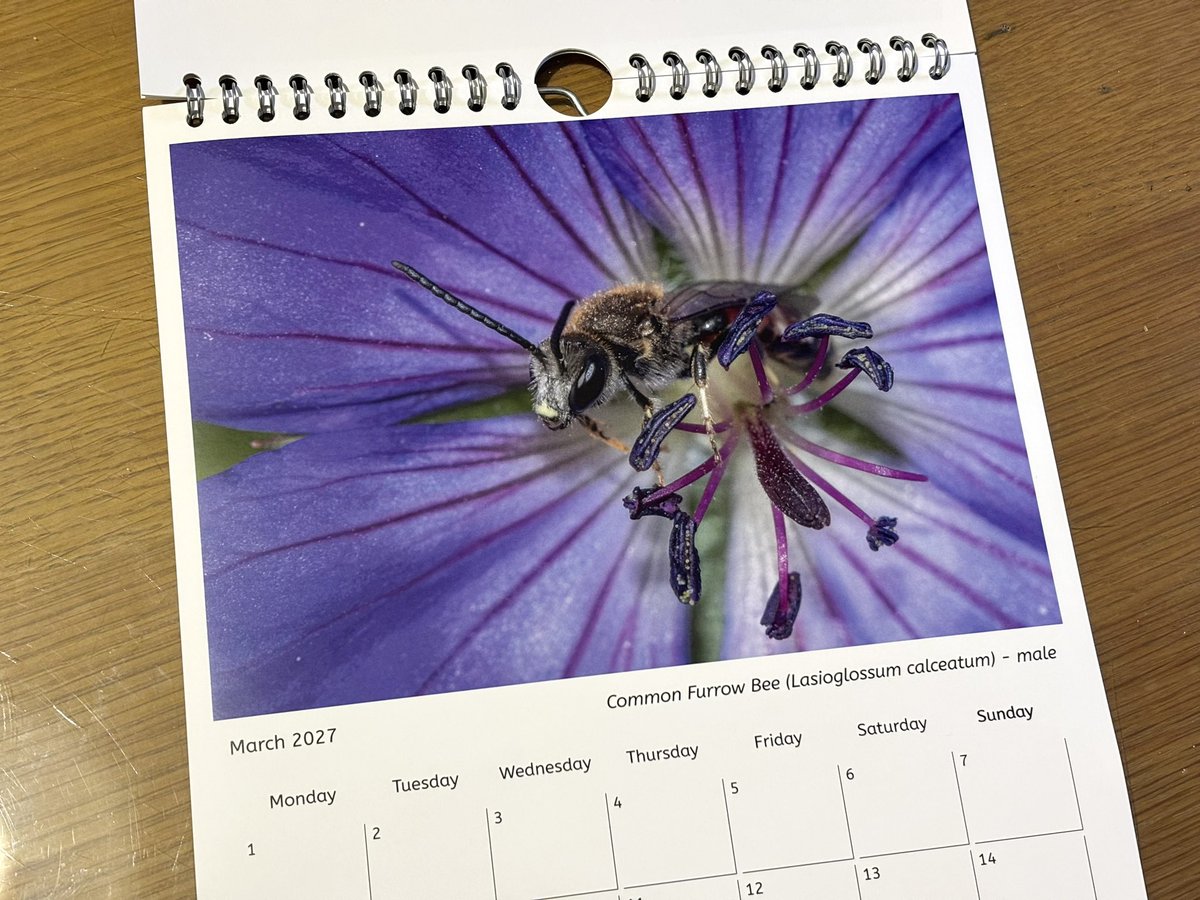
It’s true that my photographic calendar is more expensive than a generic mass-produced one, but if you had any idea how many hours I spent getting these photos, you’d think it was severely underpriced 😂
Here’s me at a botanic garden in North Wales this summer. I spent around two hours in this position, photographing 4-8mm long sweat bees. There were three different species there.
Here are a couple of photos from that session that made it into the calendar👇
Fake cobwebs like these may look spooky – but what's really scary about them is that they can trap & injure wildlife, including birds, insects & small mammals. And fake webs aren't recyclable – so will end up in landfill for many years.
More: https://t.co/7JmlEk4wLr
Please don't leave Halloween pumpkins to rot in your garden, or dump them in the countryside. Eating pumpkins can make hedgehogs, birds and other animals poorly. Instead, dispose of pumpkins in a covered compost bin or council food waste bin.
More: https://t.co/piqLdZv9w3
Please sign and share this petition to end folic acid being added to the flour which is used in so much that we eat.
We don’t need this unnecessary medication in our food.
Our hearts go out to everyone who has been affected by this devastating event. It’s beyond words, beyond imagination how terrifying it must be for anyone who can’t contact loved ones in the area.
The rest of the world holds you in our hearts and minds 💛
A single 400-year-old ancient oak produces 234,000 litres of oxygen a year while soaking up carbon dioxide, and can support more than 2,000 species of bird, insect, fungus, and lichen.
Last call for my talk tomorrow (Monday) evening.
'Gardening for Pollinators'
Memorial Hall, St Cleer (near Liskeard) Cornwall
7.30 pm start. £3
Rob will also be there, selling our beautiful flowering plants!
Communities with LEAD Foundation are digging half moon bunds in Tanzania.
Simple semicircles catch rainwater, bring dormant seeds and vegetation back to life, and restore the soil.
Low tech, low cost, but making a huge difference.
In 1978 Jadav Payeng began transforming Majuli Island, India to prevent erosion
He planted a tree daily for 40 YEARS and created a lush forest that's now home to tigers and elephants