A small, photoswitchable, genetically encodable protein operating in the near-IR window enables applications in photoacoustic tomography.
https://t.co/OWTJrLCQ0w
In a new Points of View, our columnists describe the application of 'principles of proximity' to generate engaging scientific figures.
https://t.co/EU8AYMsEUF
In this month's Editorial, we provide some tips for writing well-structured and professional rebuttal letters for editors and peer reviewers to evaluate.
https://t.co/Fpct4FxHUO
Our October issue is live! 🎉
https://t.co/GKx43Kh126
On the cover, polygenic risk score prediction in diverse populations is made possible with a new computational tool, SPLENDID. Paper: https://t.co/HzS6snYBHj
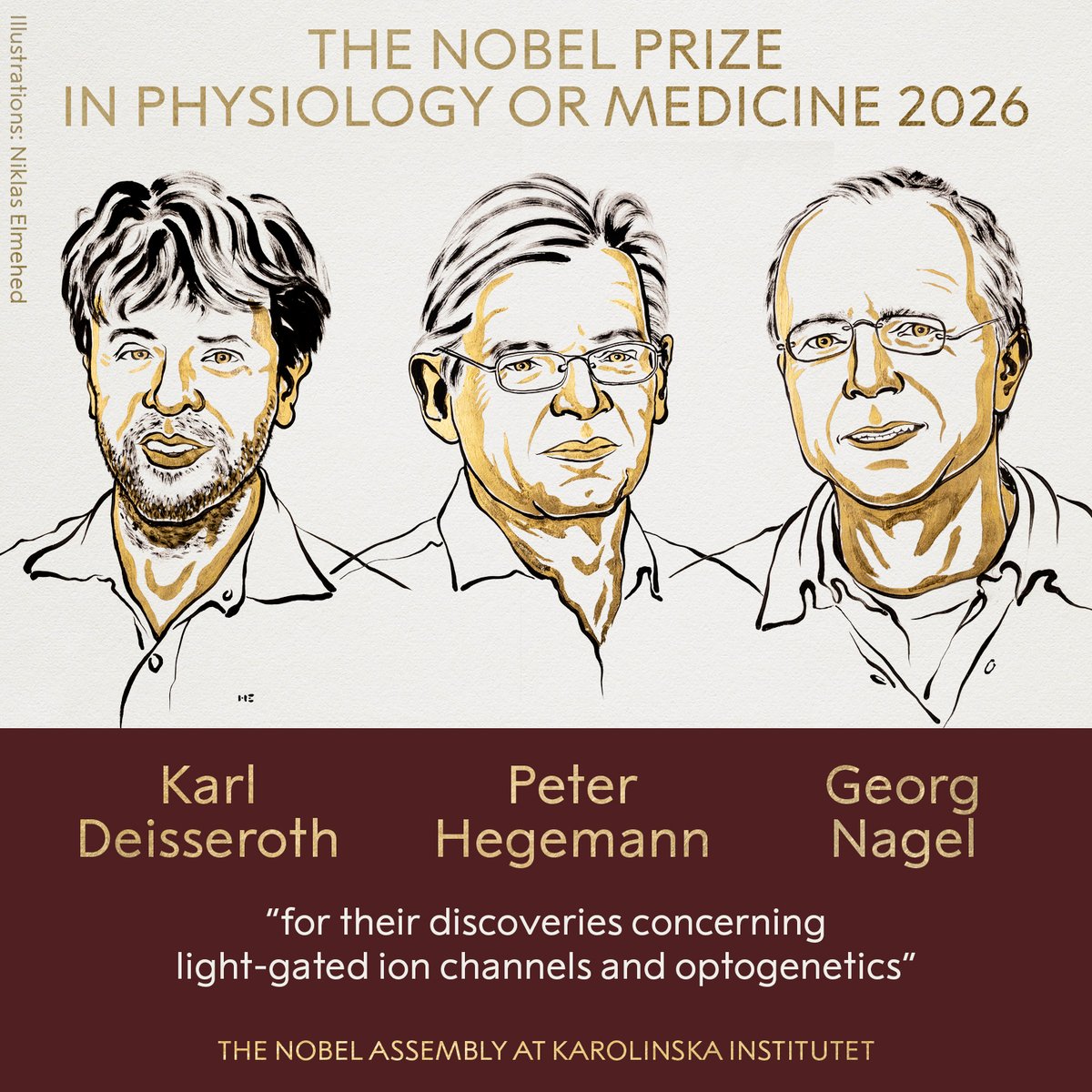
Back in 2010 when we selected optogenetics as our Method of the Year, we had already observed the transformative impact that it was making on basic research in neuroscience. https://t.co/2wRirJIIkL
https://t.co/U0VXhI81yt
It's exciting to see how far the technology has come!
BREAKING NEWS
The 2026 #NobelPrize in Physiology or Medicine has been awarded to Karl Deisseroth, Peter Hegemann and Georg Nagel “for their discoveries concerning light-gated ion channels and optogenetics.”