Butterfly vs Moth ✨
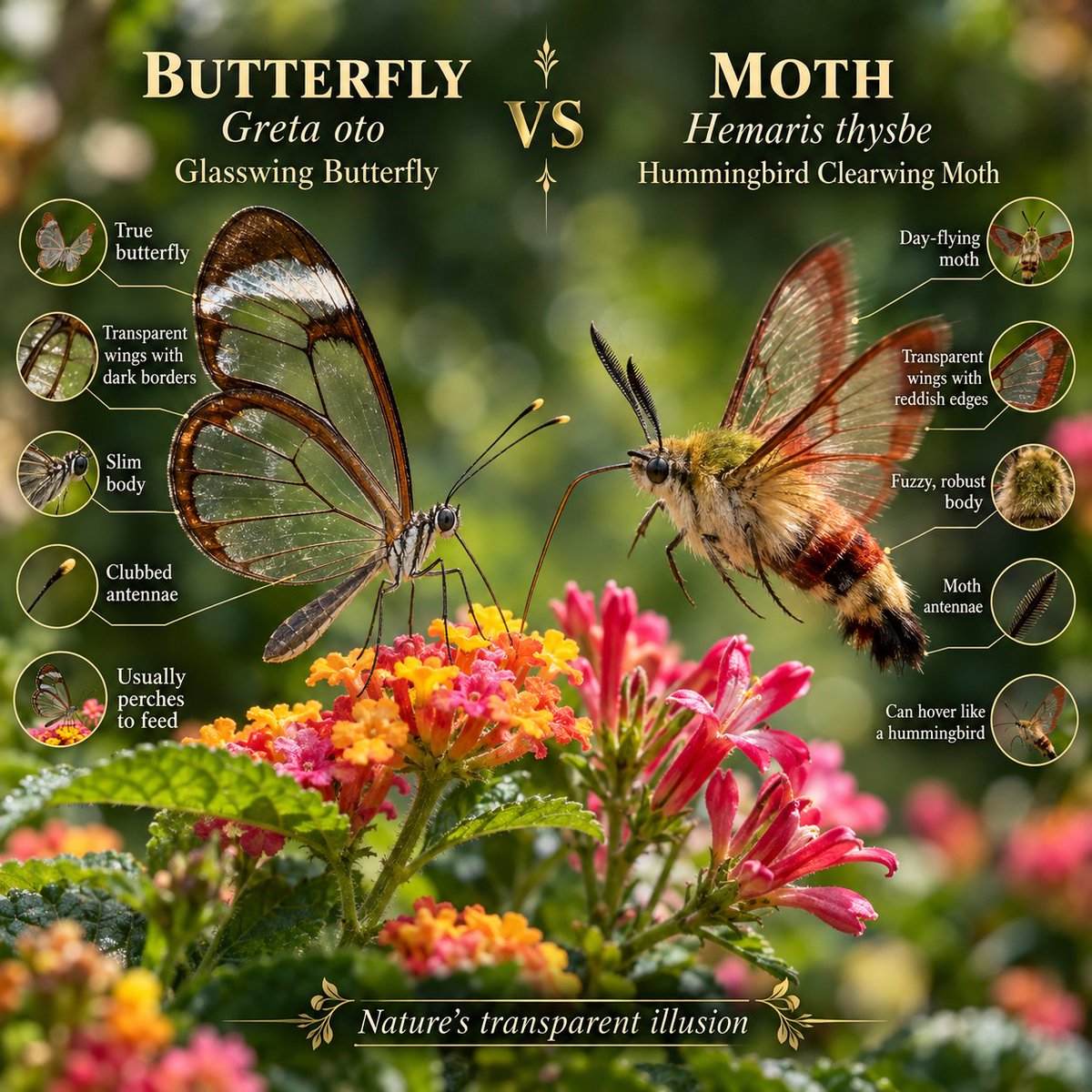
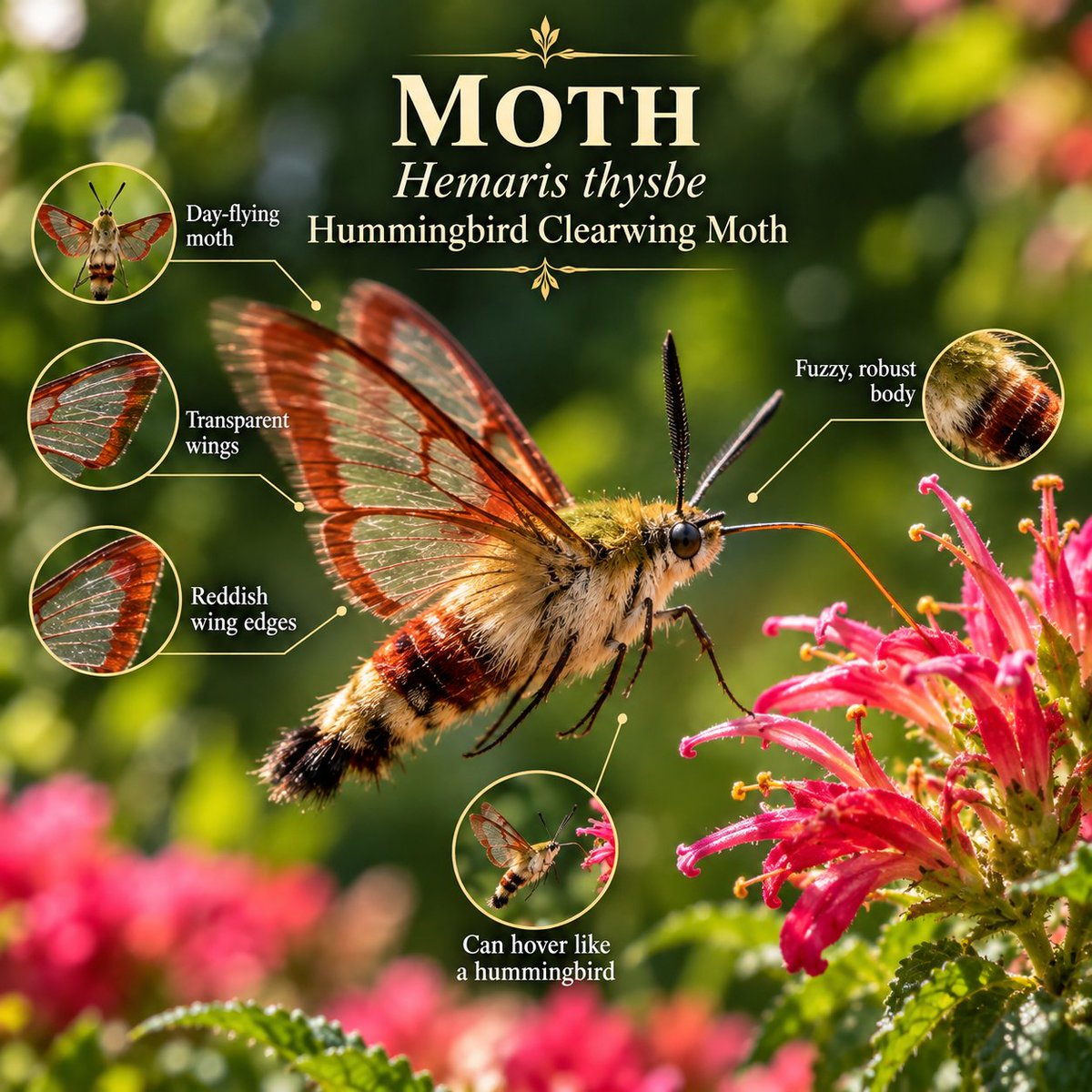
At first glance, Greta oto and Hemaris thysbe seem almost alike: both have transparent wings and a graceful, airy look. But one is a true butterfly with a slim body and clubbed antennae, while the other is a day-flying moth with a fuzzy body.
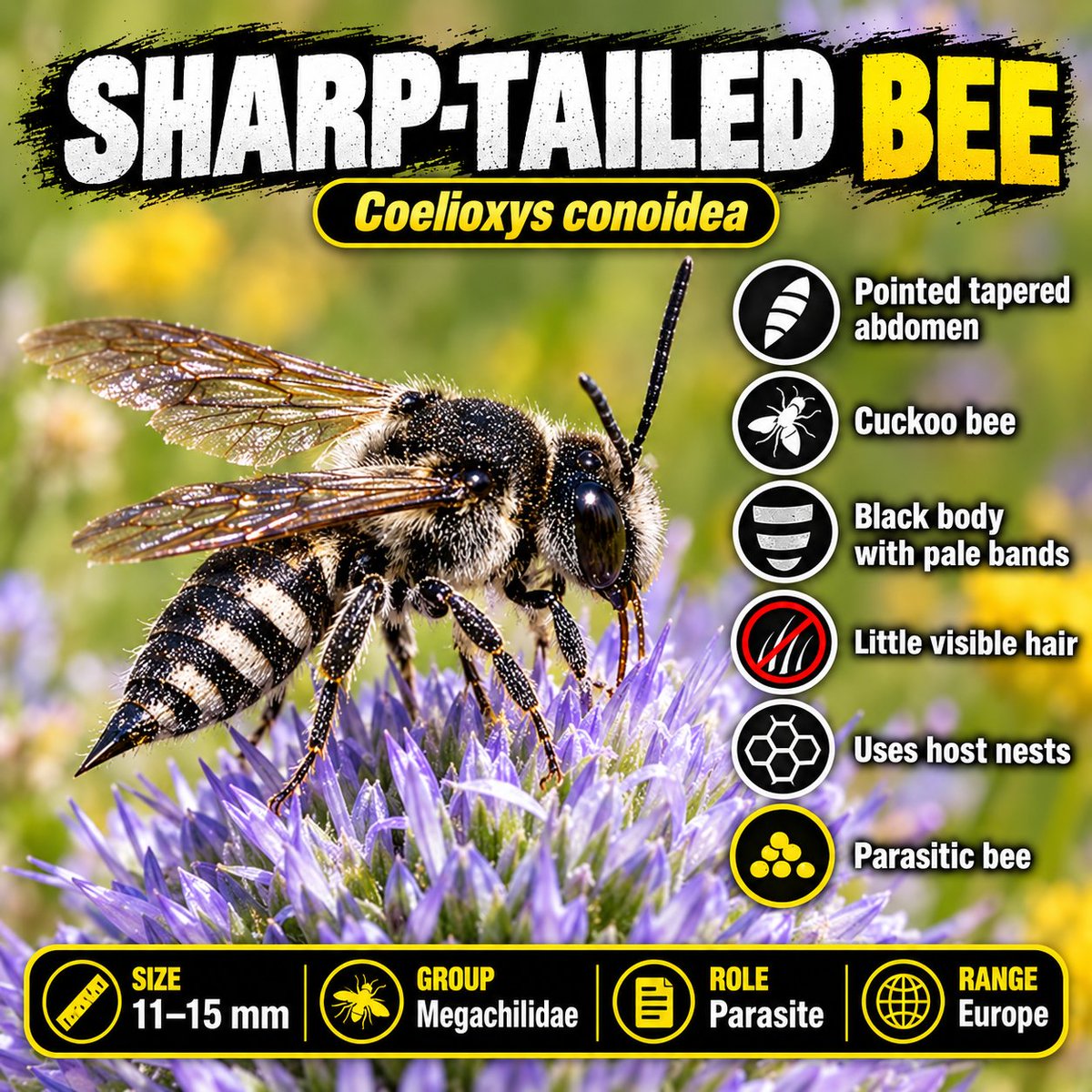
Bee or wasp? 🐝⚡ Coelioxys conoidea and Cerceris rybyensis may look similar at first, but they live very different lives. One is a sharp-tailed cuckoo bee that uses host nests, while the other is a bold yellow-banded digger wasp that hunts small bees and nests in soil. Same warning look, different strategies. Which one fooled you first?
#BeeVsWasp #InsectWorld #NatureFacts
Butterfly vs Moth 🌿
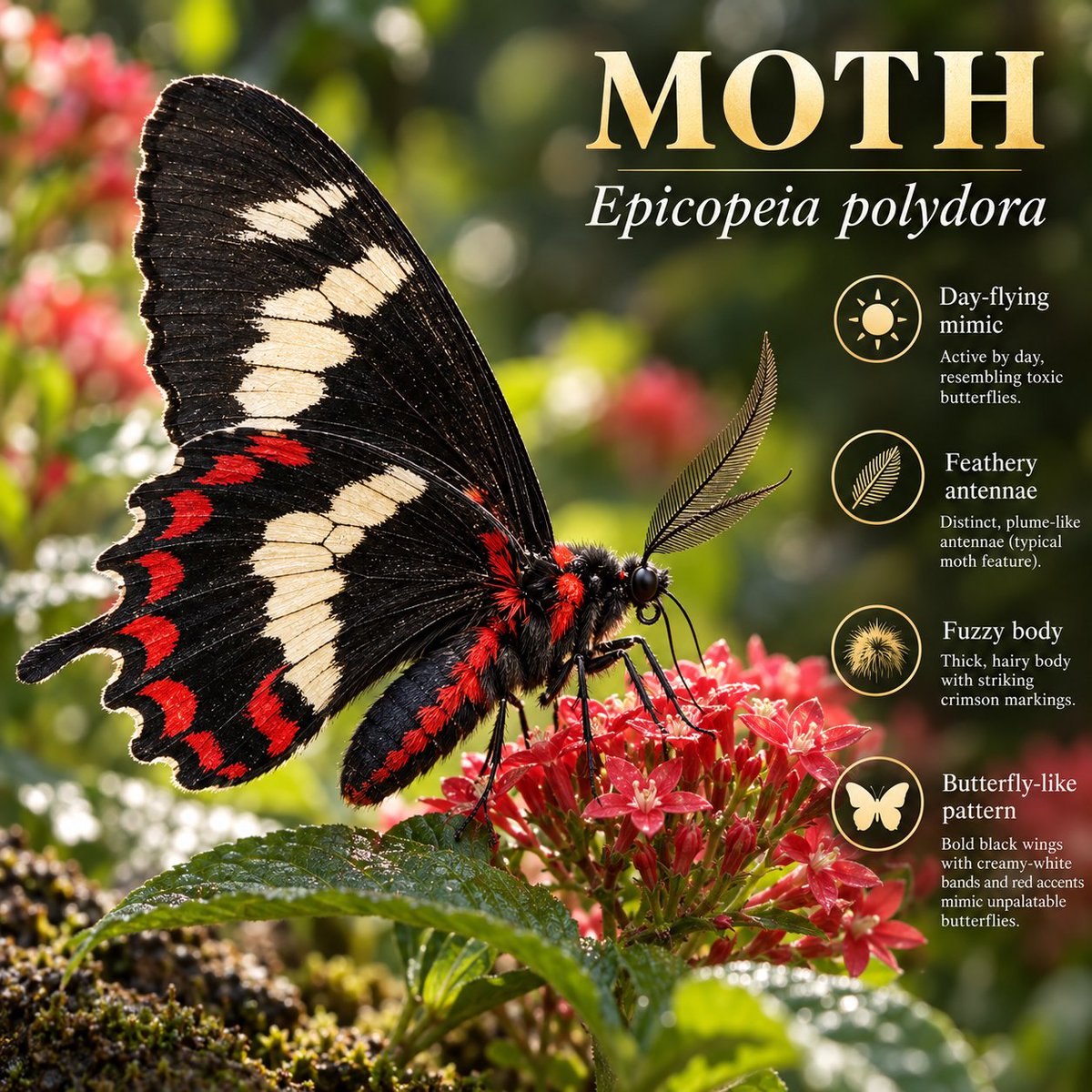
Papilio bootes and Epicopeia polydora look strikingly similar, sharing bold black wings, creamy-white bands and crimson accents. But one is a true swallowtail butterfly, while the other is a day-flying moth that mimics butterfly warning patterns. A perfect example of how nature can shape different insects into almost the same masterpiece.
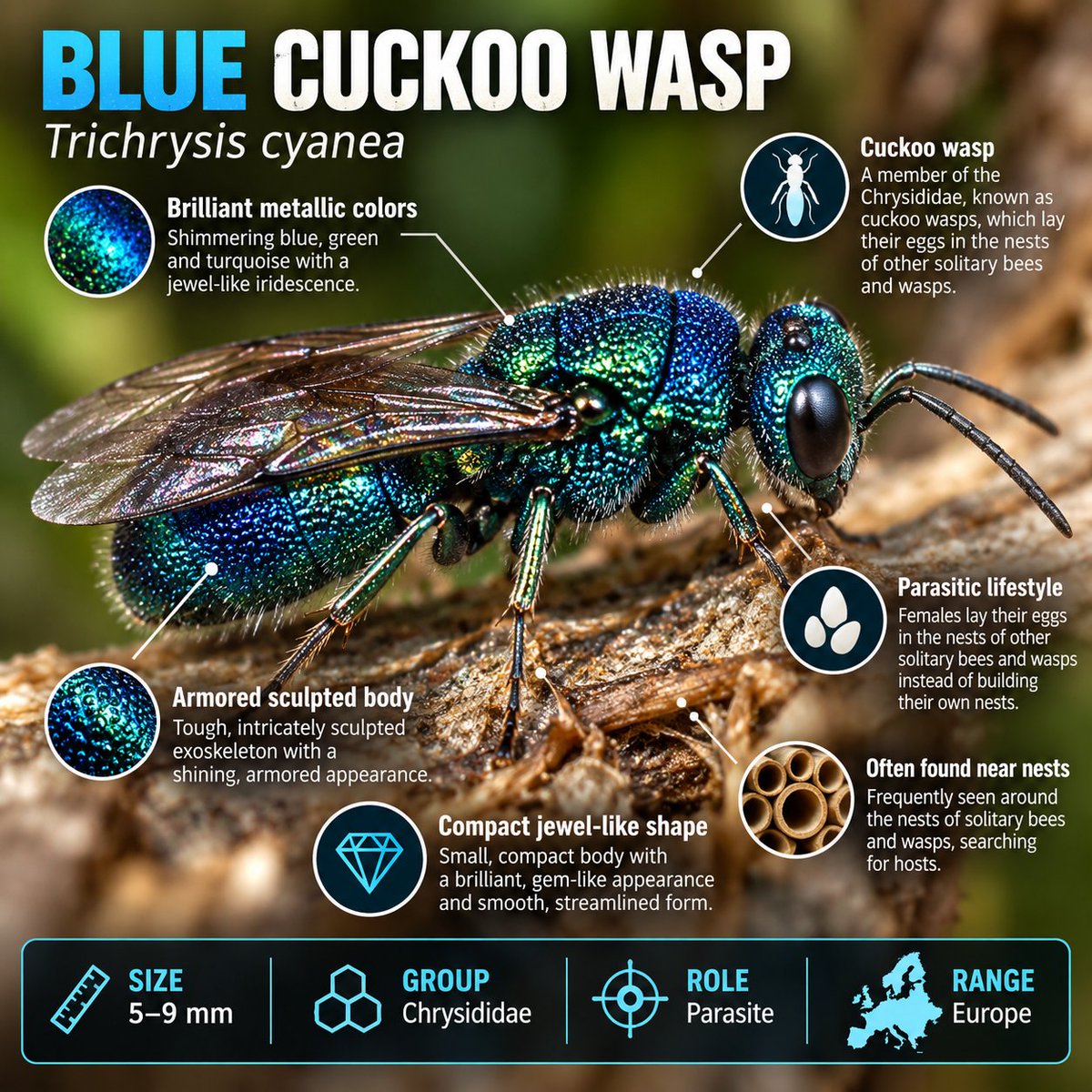
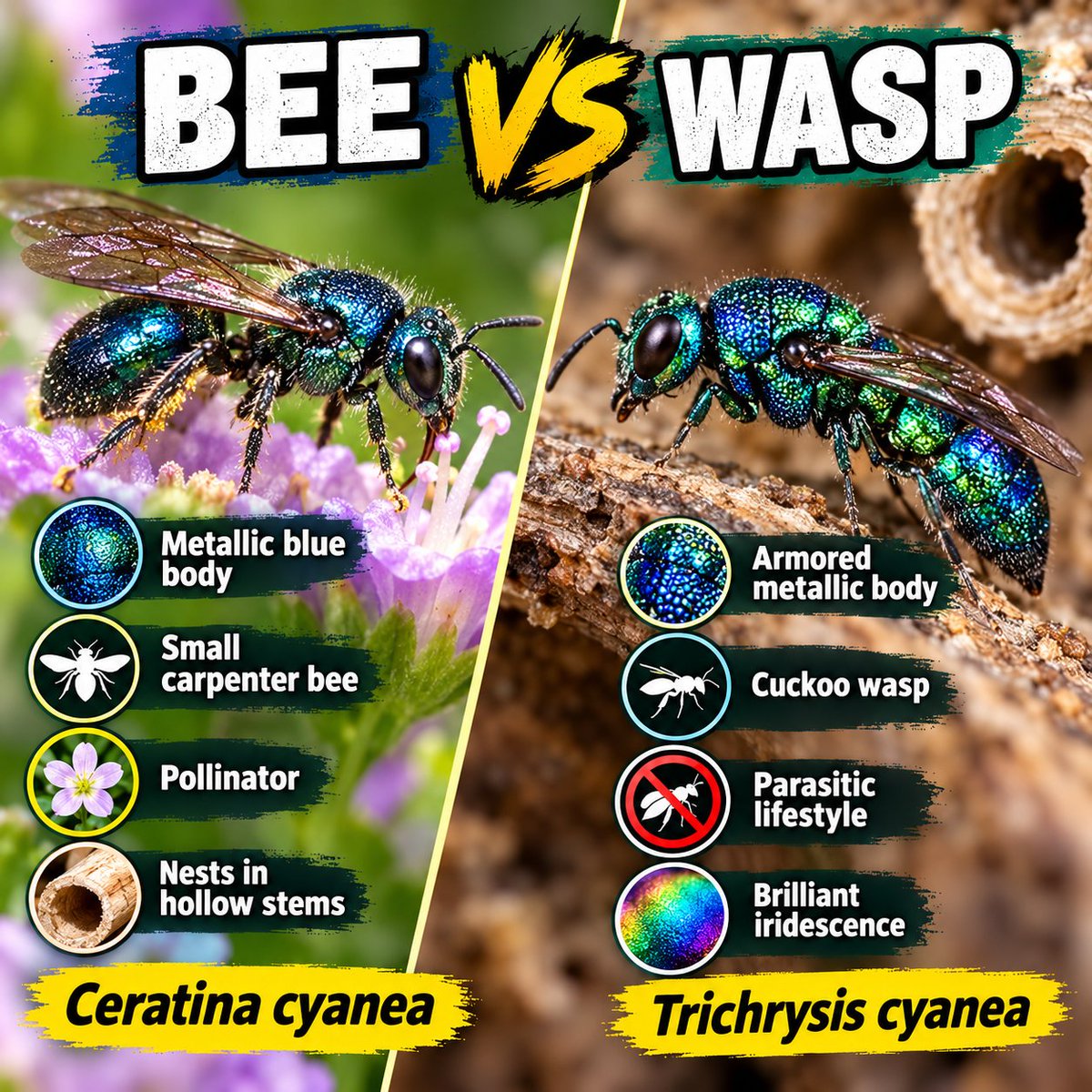
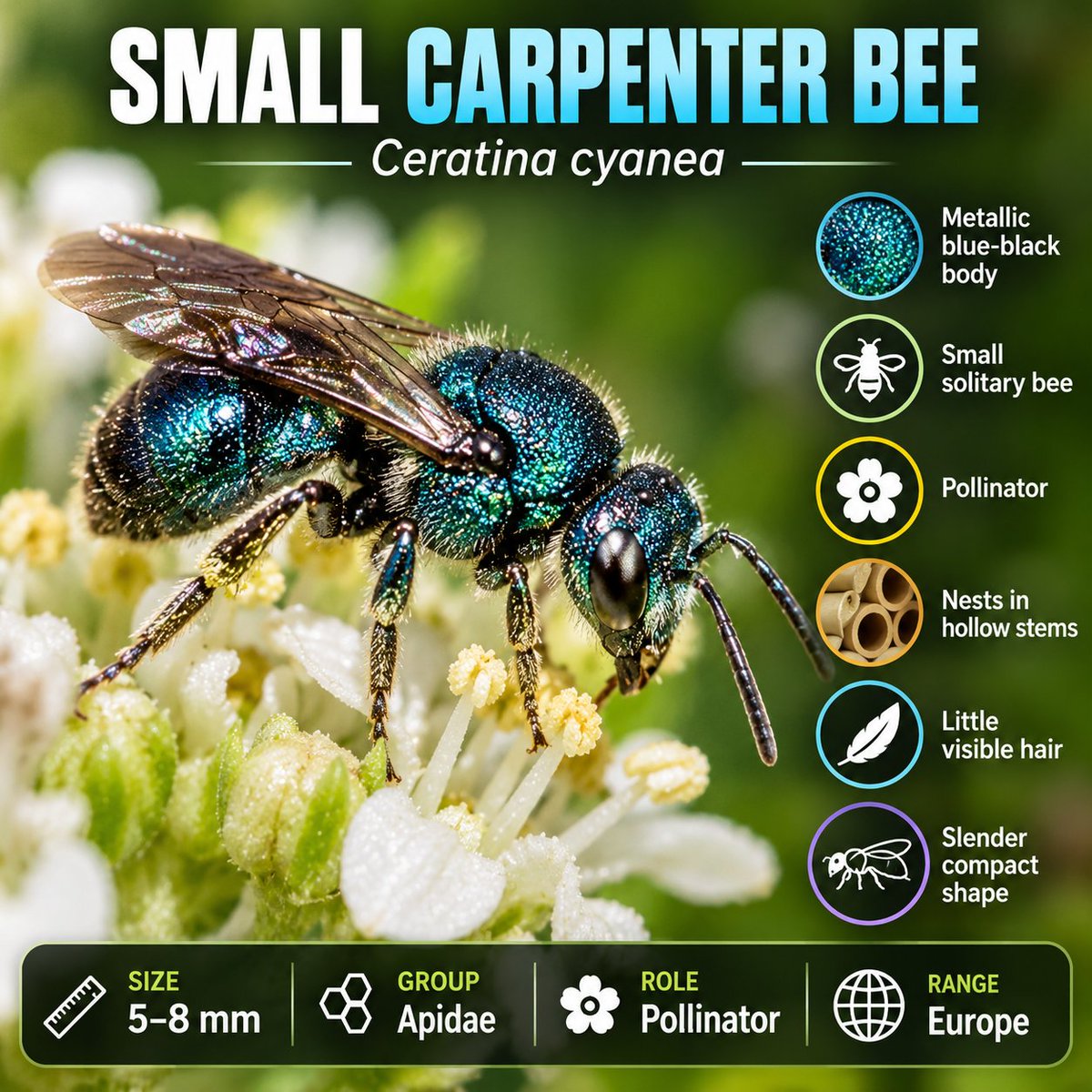
Bee or wasp? 🐝⚡ Ceratina cyanea and Trichrysis cyanea shine with the same metallic blue-green glow, but they live very different lives. One is a tiny pollinator that nests in hollow stems, while the other is a jewel-like cuckoo wasp with a parasitic lifestyle. Same brilliance, different roles in nature. Which one fooled you first?
#BeeVsWasp #InsectWorld #NatureFacts
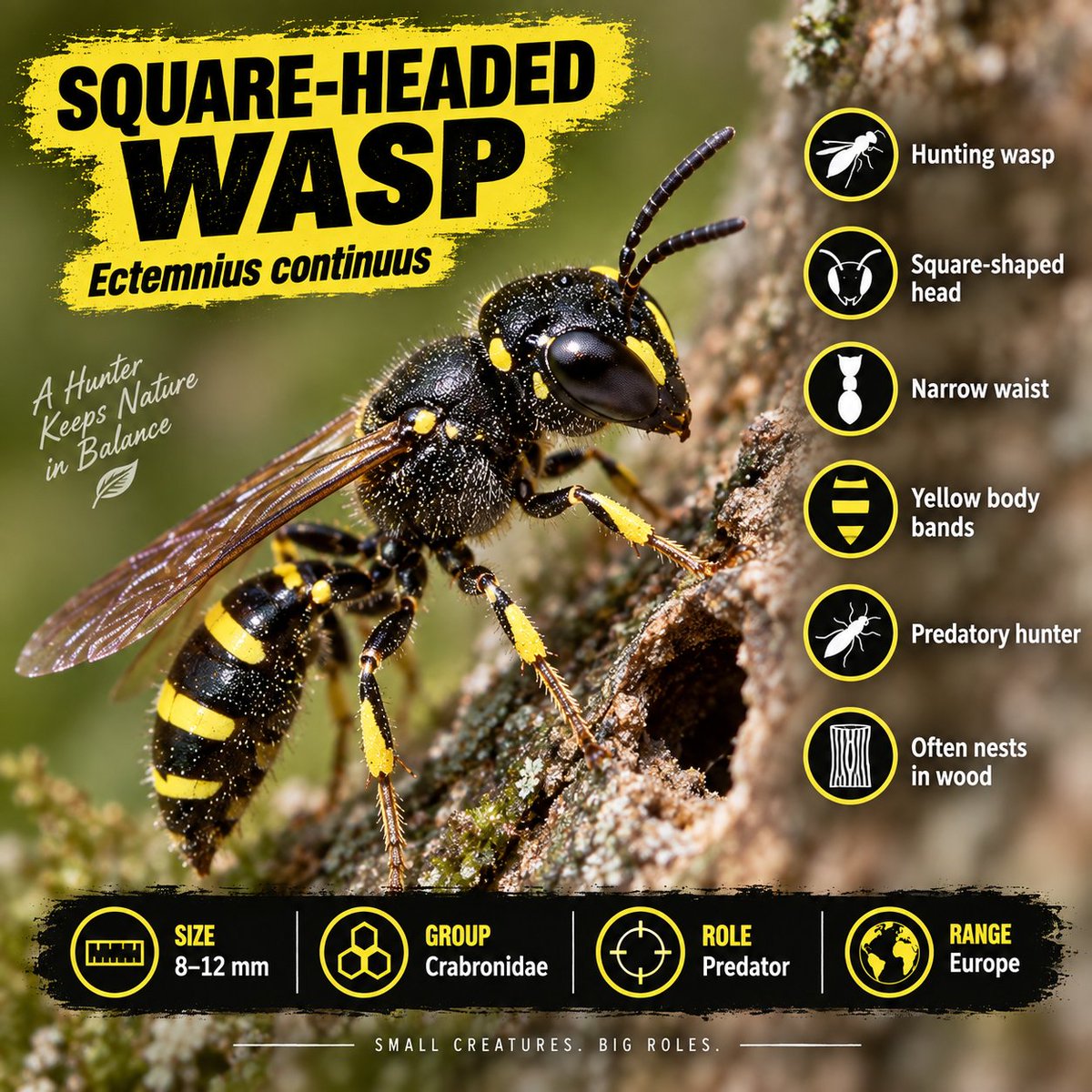
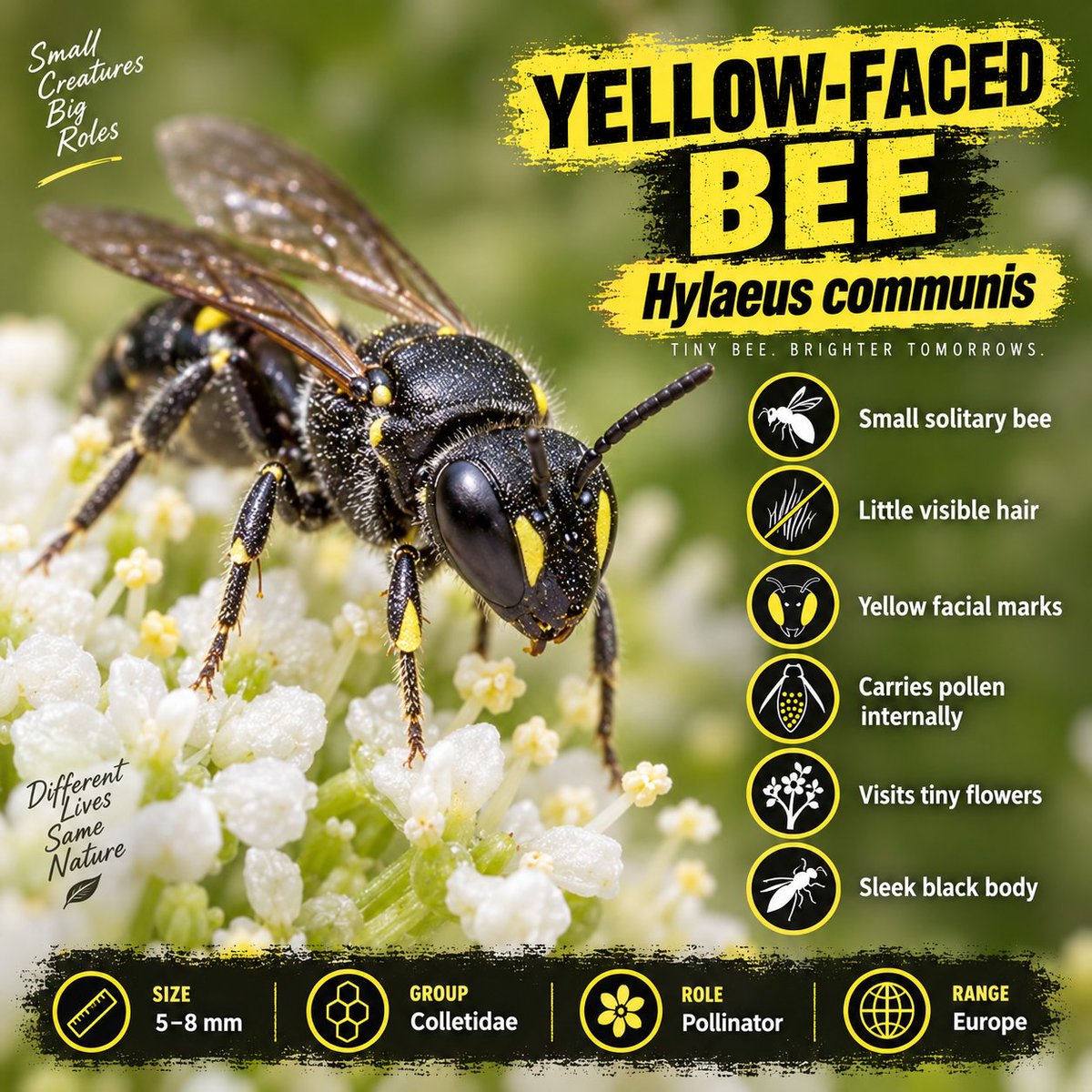
Bee or wasp? 🐝⚡ At first glance, Hylaeus communis and Ectemnius continuus can look surprisingly similar. But the yellow-faced bee is a tiny pollinator with little visible hair, while the square-headed wasp is a slim predatory hunter. Same colors, very different lives. Which one fooled you first?
#BeeVsWasp #InsectWorld #NatureFacts
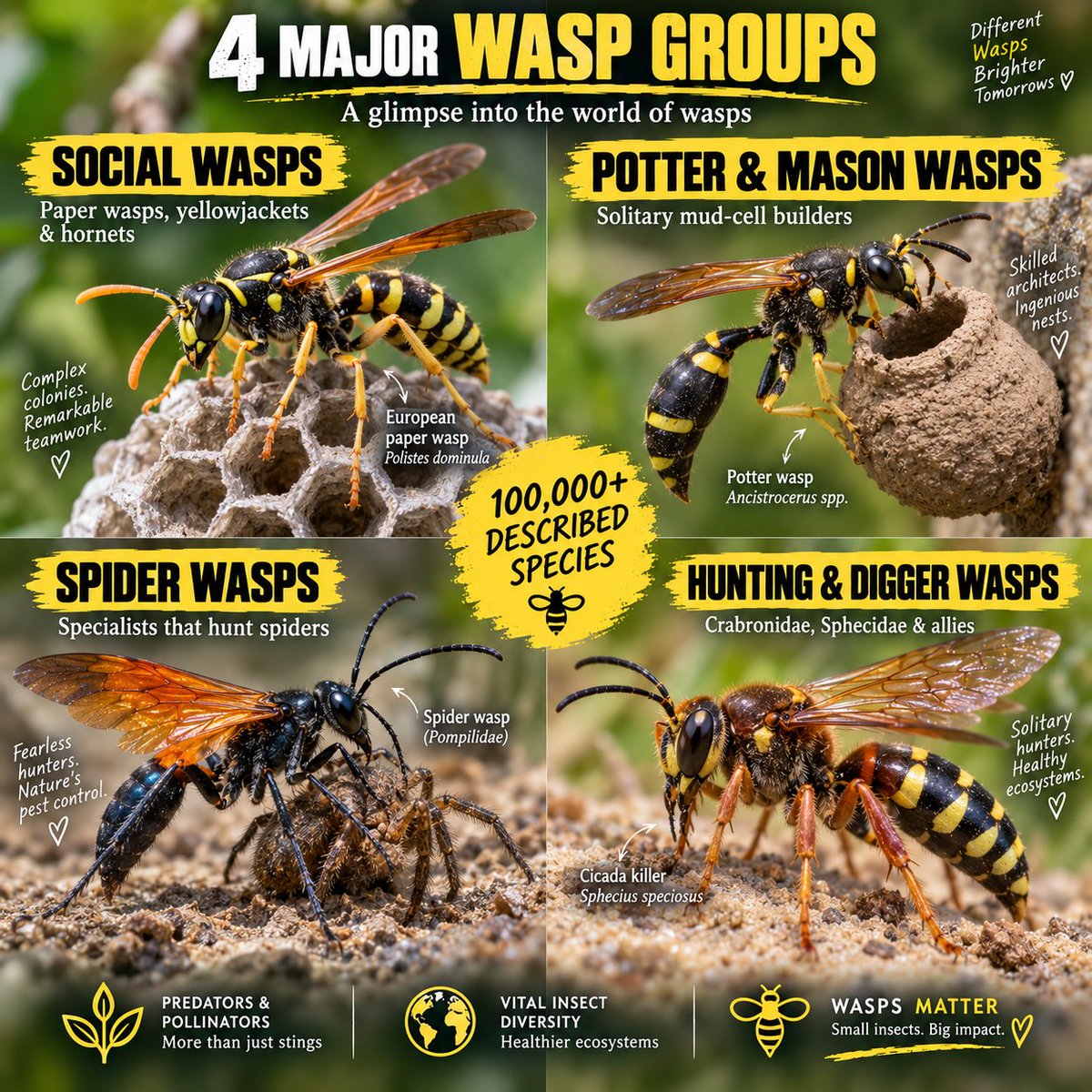
Wasps are far more diverse than most people realize. 🐝⚡ More than 100,000 species have been described, from social paper wasps and spider hunters to metallic cuckoo wasps, parasitoids, and even “velvet ants.” Different shapes, colors, and survival strategies, all within an incredible branch of insect diversity.
#WaspWorld #NatureFacts #InsectDiversity
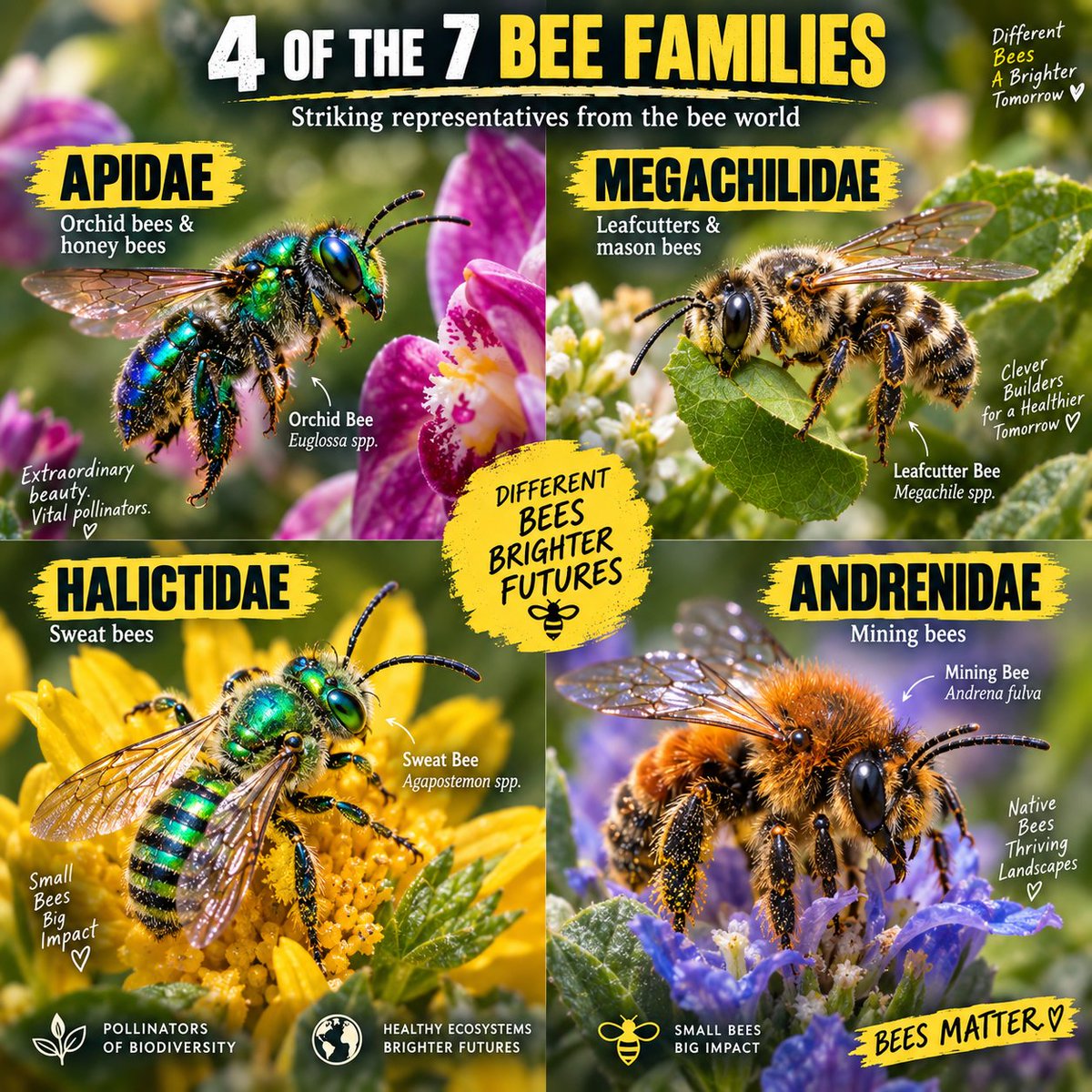
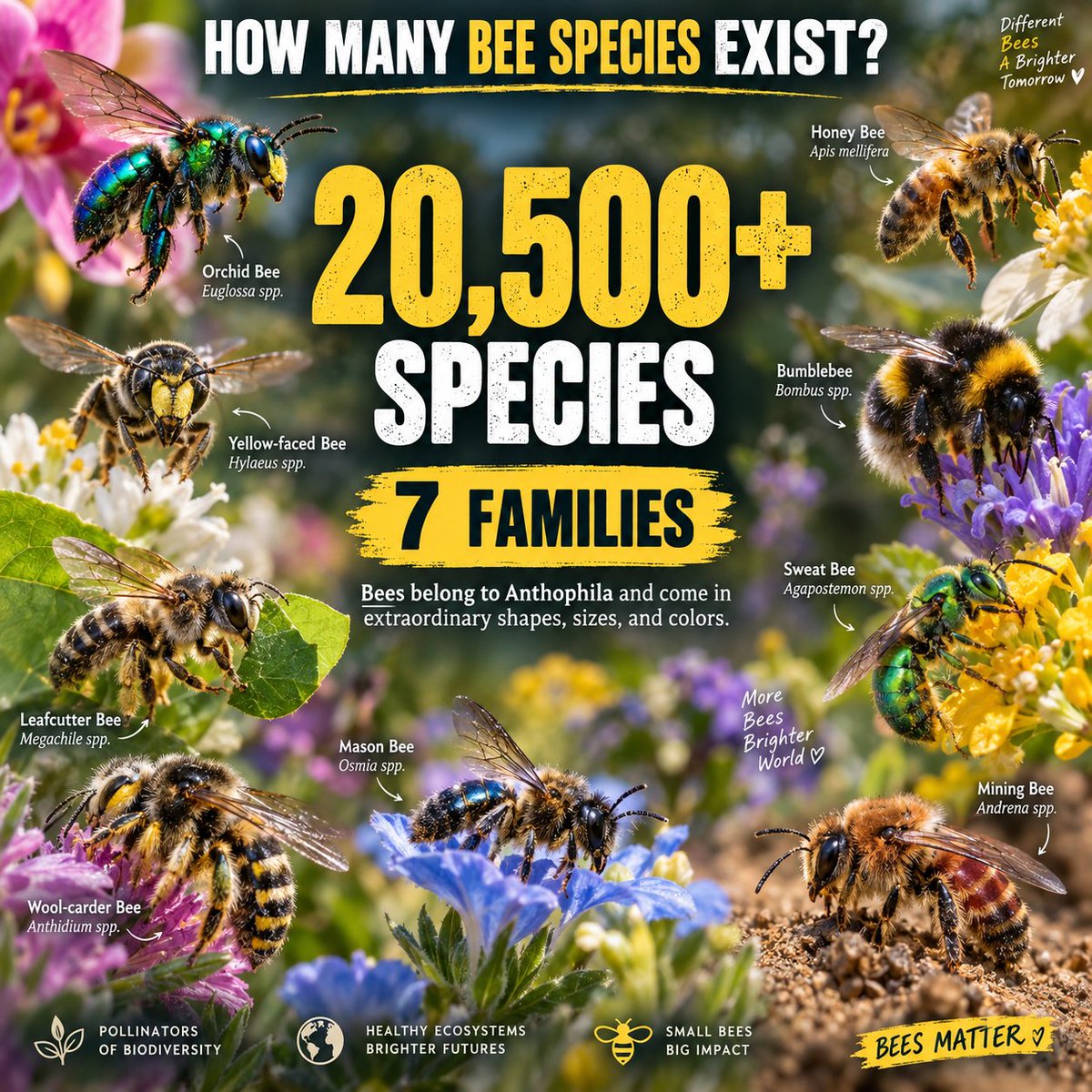
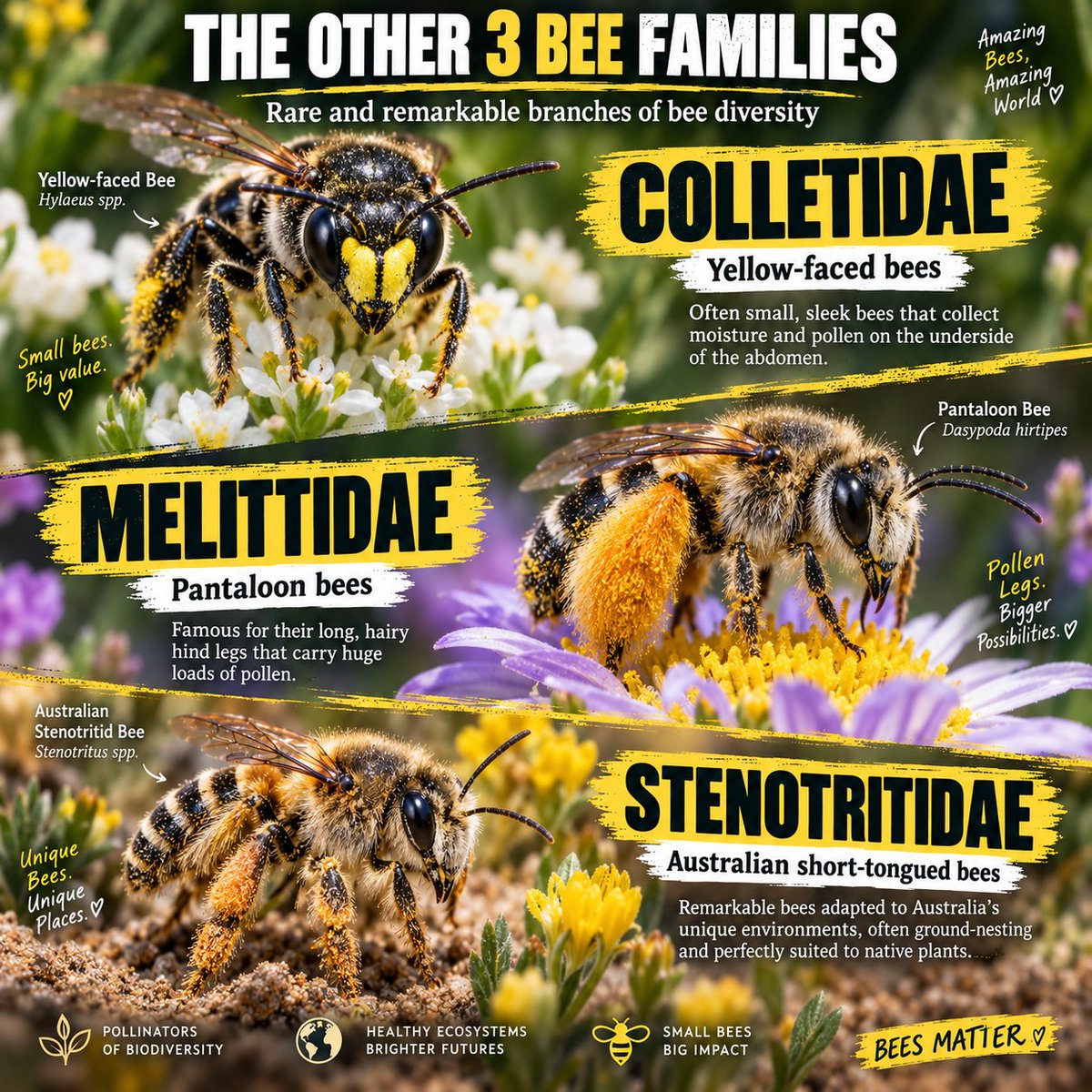
Bees are far more diverse than most people imagine: 20,500+ species grouped into 7 families, each with its own shapes, colors, and lifestyles. From metallic orchid bees to tiny yellow-faced bees, their diversity helps keep ecosystems alive. Which bee family surprised you the most? 🐝✨
#BeeDiversity #Pollinators #NatureFacts
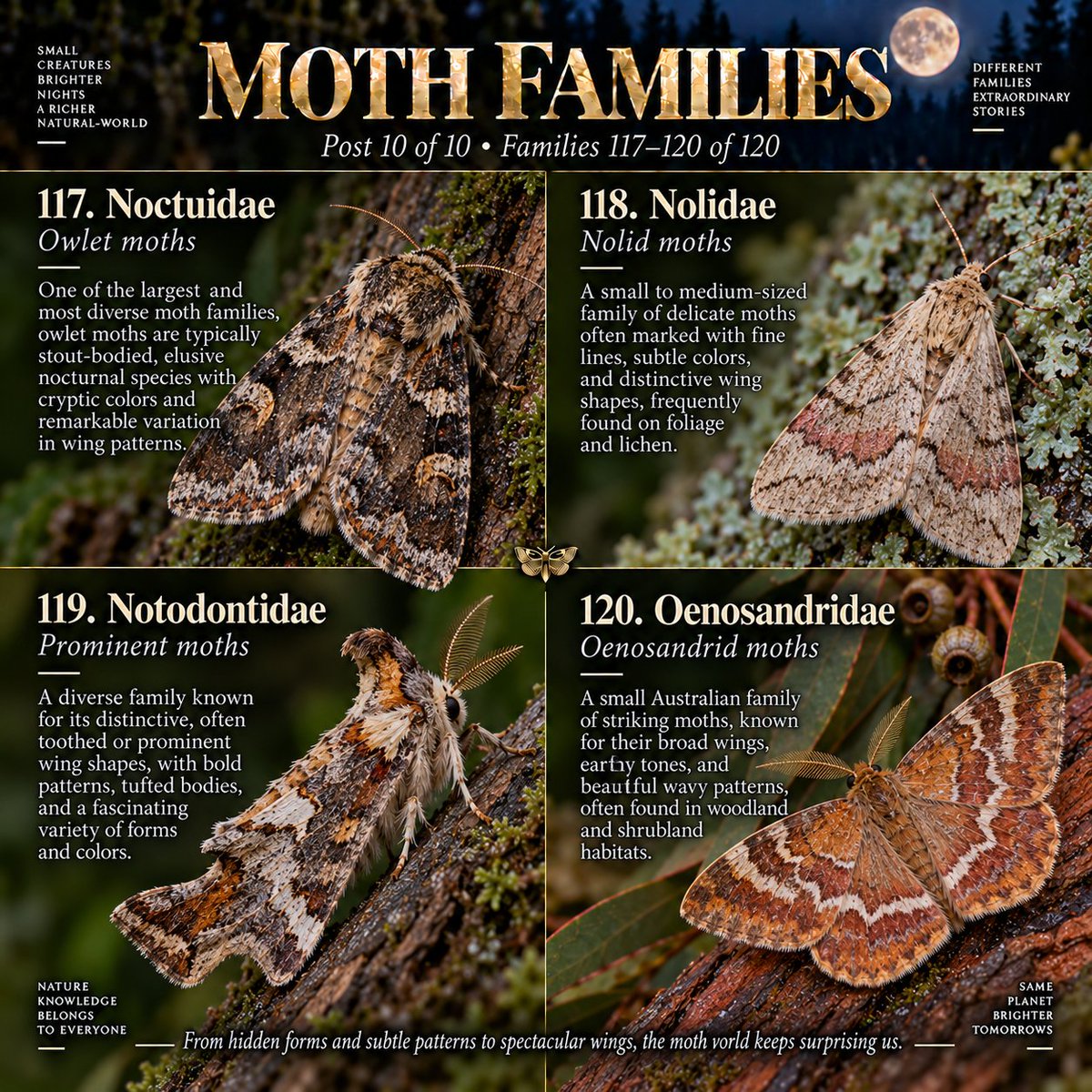
Part 10 of 10 �� Our final chapter explores families 109–120, from striking day-fliers and dazzling Urania moths to owlet, nolid and prominent moths. Some shine with vivid colors, others with perfect camouflage, but all reveal the extraordinary beauty and diversity hidden in the moth world. ✨
#Moths #Lepidoptera #NatureFacts
Part 9/10 🌙 Families 97–108 showcase silk moths, hawk moths, butterfly-moths, hook-tips and more. From soft textures and subtle camouflage to bold wing patterns and spectacular flight, this chapter highlights the beauty of the moth world.
Part 8/10 🌙 Families 85–96 reveal even more of the moth world: fruitworm moths, plume moths, snout moths, vivid picture-winged species and soft silk-moth allies. From subtle camouflage to striking color, every family adds a new layer to moth diversity.
Part 6 of 10 🌙 Families 61–72 Here we meet delicate micro-moths, vivid day-fliers, butterfly-like Castniidae, transparent-winged Sesiidae, leaf-rolling Tortricidae and other remarkable lineages. From camouflage to mimicry, every family adds a new evolutionary trick to the hidden world of Lepidoptera. ✨ #Moths #Lepidoptera #NatureFacts
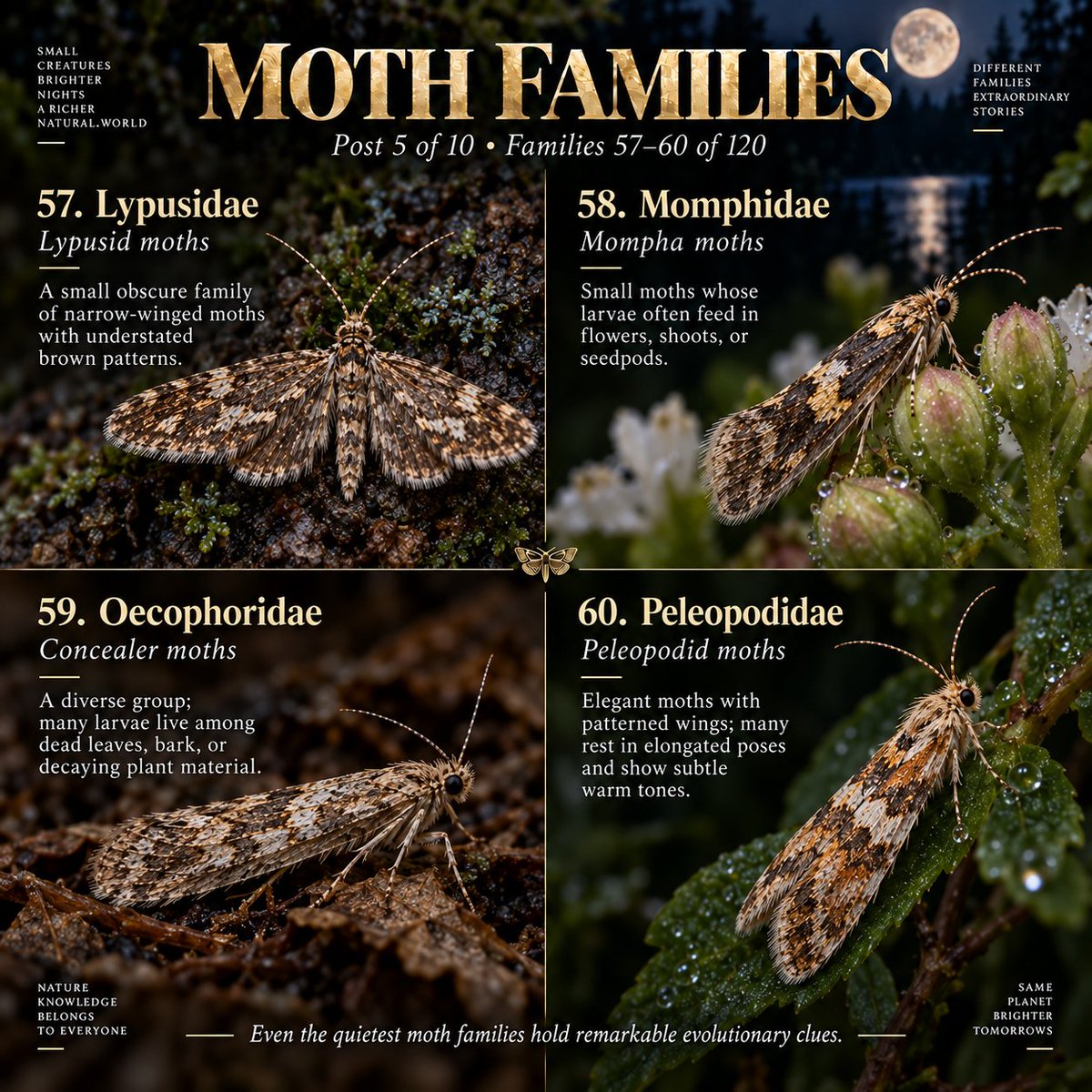
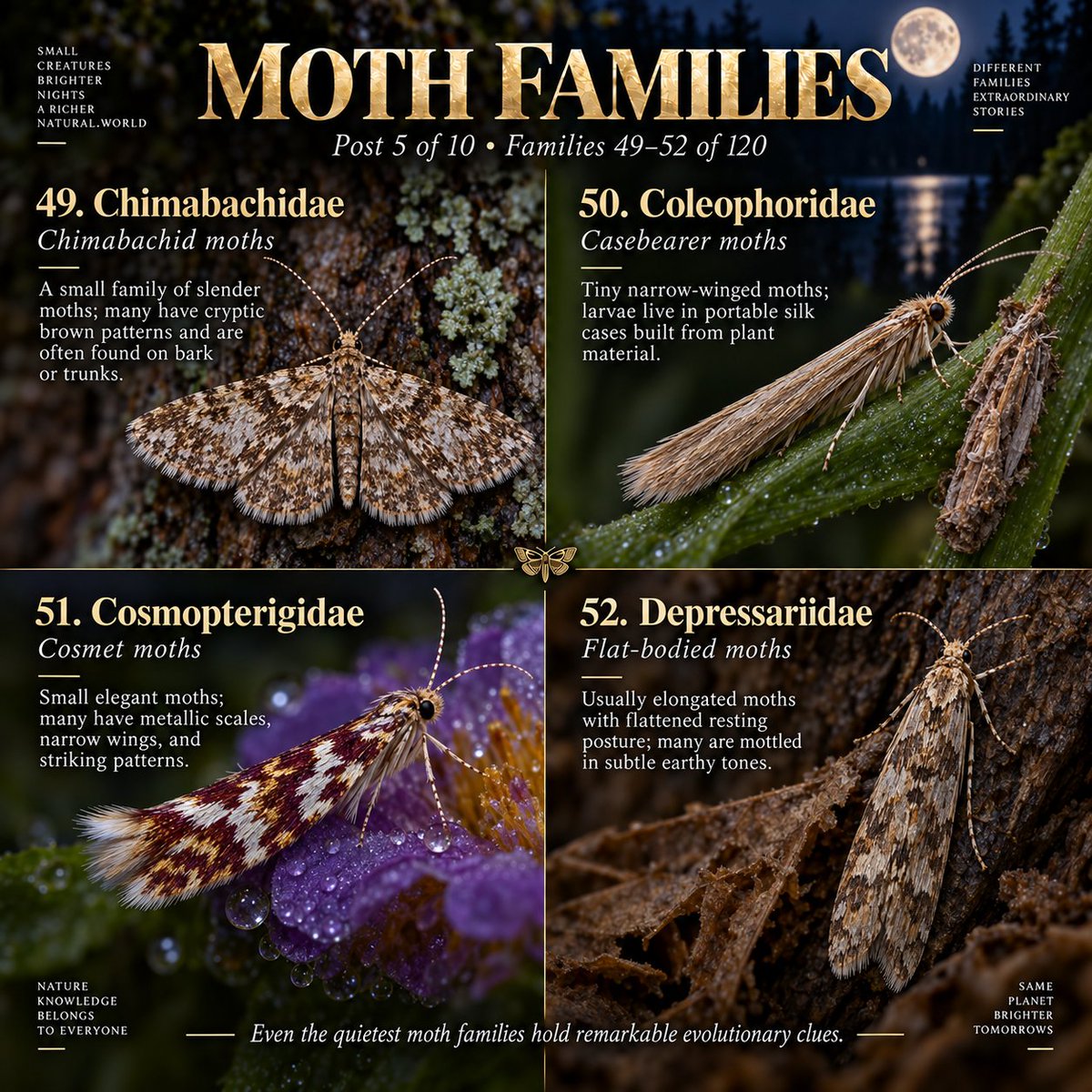
Part 5 of 10 🌙 This chapter introduces moth families 49–60, from cryptic bark-dwellers and casebearers to grass miners and elegant flower visitors. Each family adds new wing shapes, patterns and survival strategies to the hidden diversity of moths. The more we explore, the more extraordinary their world becomes. ✨
#Moths #Lepidoptera #NatureFacts
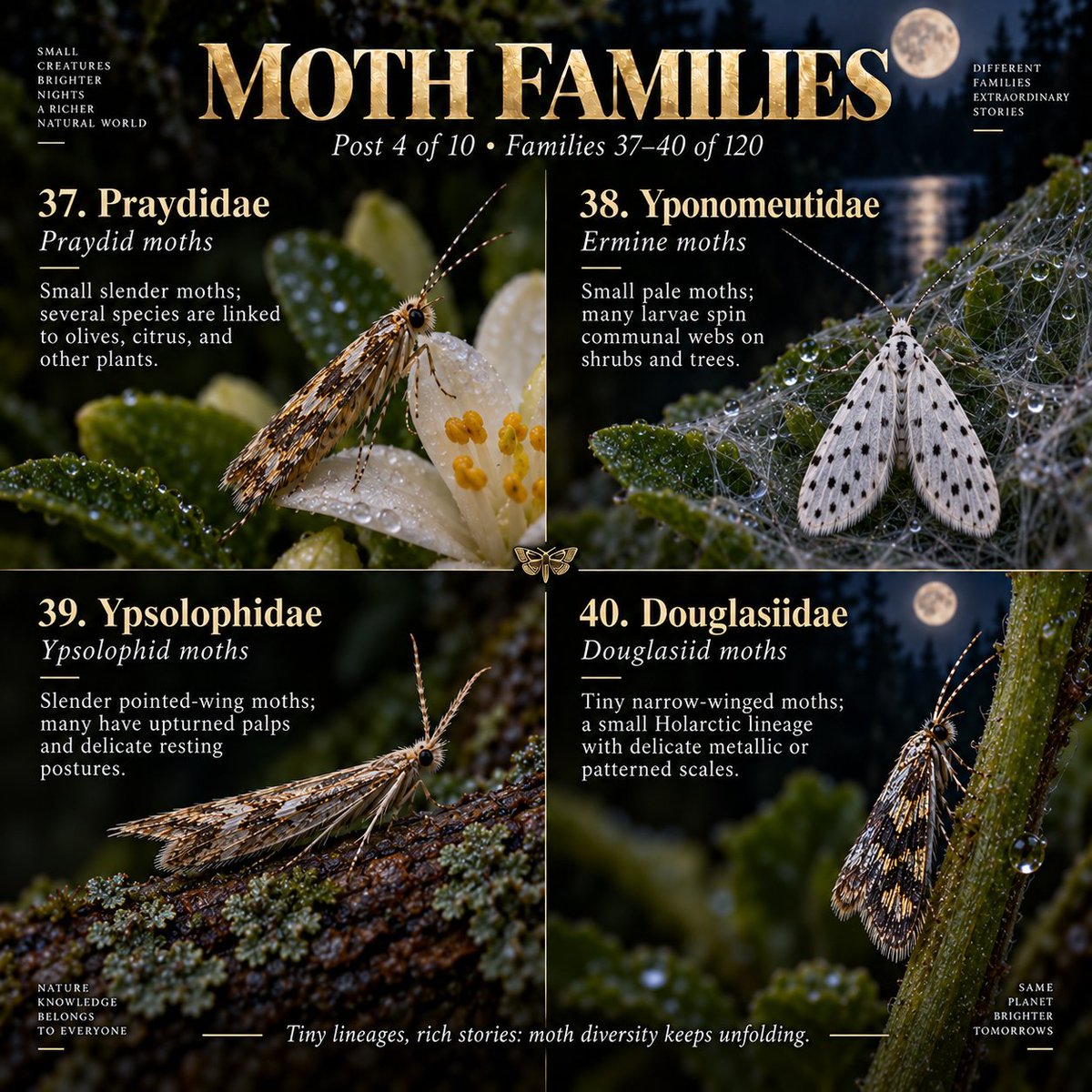
Part 4 of 10 🌙 Families 37–48 take us from delicate ermine moths and metallic day-fliers to powerful carpenter moths and tiny hidden specialists. Their wings reveal an incredible variety of shapes, textures and camouflage strategies. Twelve more families, twelve more glimpses into the astonishing diversity of the moth world. ✨
#Moths #Lepidoptera #NatureFacts