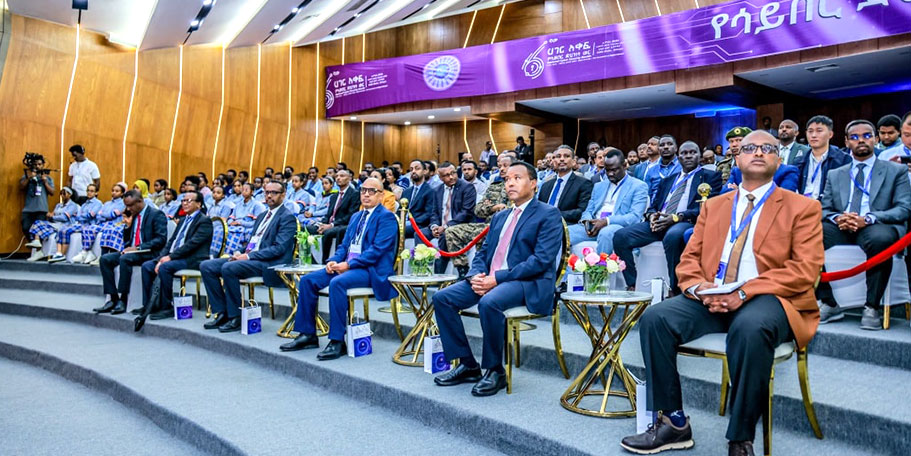
@StandWithUs It is true that Israelis have used their institutions for the well-being of their people, rather than focusing solely on rankings or global prominence.
#Ethiopia: More than 40 Orthodox Christians have reportedly been massacred, and centuries-old churches have been burned by Oromo Islamist militants, who are alleged to be supported by the Abiy Ahmed regime, in the East Arsi Zone of Ethiopia’s Oromia Region since May 31, 2026.
I asked Google Gemini the following question: What is the greatest victory against colonial powers in Africa. Here is the answer
If we are looking for the "greatest" victory—measured by tactical brilliance, the scale of the defeat, and long-term historical impact—the Battle of Adwa (1896) is the undisputed champion.
While other battles like Isandlwana were shocking tactical upsets, Adwa was a strategic masterpiece that changed the map of the world.
1. The Battle of Adwa (1896) – Ethiopia vs. Italy
This is the only instance during the "Scramble for Africa" where an African power decisively defeated a European colonial army in a full-scale war to preserve its independence.
The Strategy: Emperor Menelik II played a brilliant diplomatic game, buying modern rifles from the Italians' rivals (France and Russia) while pretending to be fragmented. When the Italians invaded, he mobilized a unified army of over 100,000 soldiers from across Ethiopia. The Tactics: The Italians, misled by false maps and overconfidence, divided their forces into three isolated columns. The Ethiopians used the mountainous terrain to ambush and overwhelm each column individually. The Result: Italy was forced to sign the Treaty of Addis Ababa, recognizing Ethiopia as an independent state.
Why it's the "Greatest": It shattered the myth of European biological and military superiority. Ethiopia became a "Zion" and a symbol of resistance for Black people globally, directly inspiring the Pan-African movement.
ወዳጅም ጠላትም ስማ እኚህን ትልቅ ያደረጉንን ትልቅ ሰው "እምዬ" ብለን የምንጠራቸው በምክንያት ነው
⚠️#FactCheck: Prominent news outlet @addisstandard misrepresents a BBC Amharic story of Amhara university students abducted by Oromo militants. Addis Standard (AS) describes an incident which occurred last Wednesday (July 3rd) in which more than 100 university students traveling from Amhara Region to Addis Ababa city were abducted for ransom by the militants.
AS claims the students were abducted by an "unidentified armed group" citing a report by BBC Amharic published yesterday titled "ገርበ ጉራቻ አካባቢ 100 የሚጠጉ ተማሪዎች በታጣቂዎች ታገቱ" (see link below).
https://t.co/KJV8SWwIDL
♦️This claim however is misleading because the BBC Amharic article reports that witnesses implicated "Shene" militants (Amharic: ሸኔ; sometimes spelled "Shane" in English) which is short for Oromo Liberation Front Shene otherwise known as the Oromo Liberation Army (OLA) which is a designated terrorist organization in Ethiopia. A simple search for the word "ሸኔ" in the BBC Amharic article shows it is mentioned three times in the Amharic article, and by utilizing the Google translate function a search of the word "Shene" returns two out of three mentions (the third mention is not translated properly). In addition, several other outlets such as Tikvah Ethiopia (on their Telegram page) and @AfricaEAR have reported the story implicating OLA militants.
https://t.co/oLauiIoY7F
https://t.co/4o5wDIkDsv
The AS post further claims "details about the group responsible for the abduction...remain unclear, according to BBC Amharic".
♦️This too is misleading since nowhere in the BBC Amharic article does it say that "details of the group responsible are unclear", this is a false and misleading translation. Rather, the article says numerous abductions for ransom have taken place in Oromia implicating the OLA (Shene).
This is not the first time AS and its founder pro-Oromo activist Tsedale Lemma has been criticized for biased reporting including failing to report incidents in which state and non-state Oromo armed groups have committed ethnic-based killings, abductions, displacement and looting against Amhara civilians in Oromia and Amhara Regions. Furthermore, AS has been widely criticized for blocking users who have posted questions under their posts on X/Twitter, an usual policy which goes against standard practices user by other prominent outlets.
The practice of misleading reporting based on exploitation of translation could easily be mitigated if major outlets like @BBCAmharicNew, @VOAAmharic and @dw_amharic published their Amharic language stories in English.
For reference, an English translation of the BBC Amharic article is available below.
https://t.co/ufkFiS7CpY
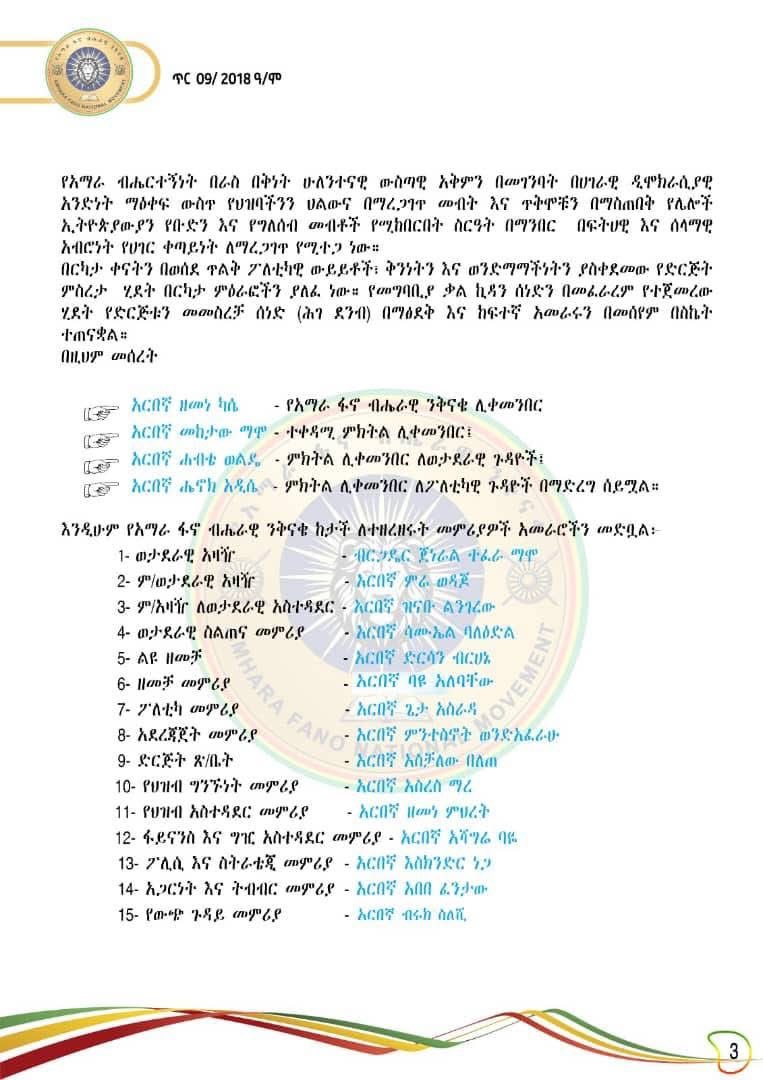
Amhara Fano forces have established a unified organization called the Amhara Fano National Movement. The organization is to be led by Zemene Kassie, with Eskinder Nega and several others serving in the top leadership. @BBCAfrica@AJEnglish@France24_en@dwnews
Look no further. This is what is materializing on Amhara people. Decades of hate politics, and now hate crimes on our people. Amhara resistance in every way possible is our generational duty.