#PostCabinetBrief
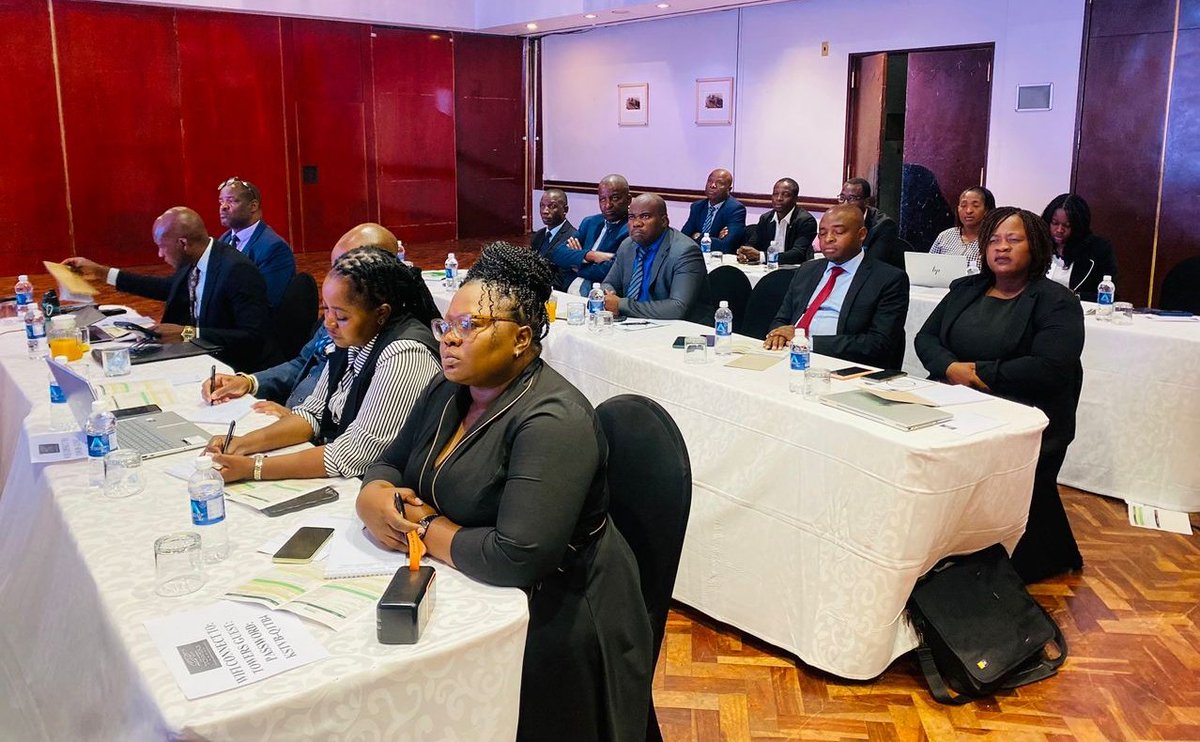
The Zimbabwe National One Health Strategic plan 2026 to 2030 provides a road map for integrating human, animal, plant and environmental ecosystems to address health challenges. The strategy aligns Zimbabwe's Vision 2030, NDS 1, NDS 2 priority areas and
LEADERS COME AND GO…. Indeed, leaders serve and leave. H.E President Chakwera of Malawi joins the proud League of incumbents that respect citizens’ choices.
In this concession, President Chakwera has been very exemplary. The concession by the incumbent before the official declaration of the results is exceptionally and exceedingly exemplary. It exhibits that Africa is coming of age.
Malawi adds onto the basket of nations in Africa, with successful transitions, joining the likes of Botswana, Zambia, South Africa, Ghana, Mauritius—just to mention but a few.
It is refreshing to have incumbents who hand over power peacefully, without drama, bullets, blood, repression, or rigging. #BallotNOTBullet #VotesNOTViolence. #CitizenocracyNotAutocracy.
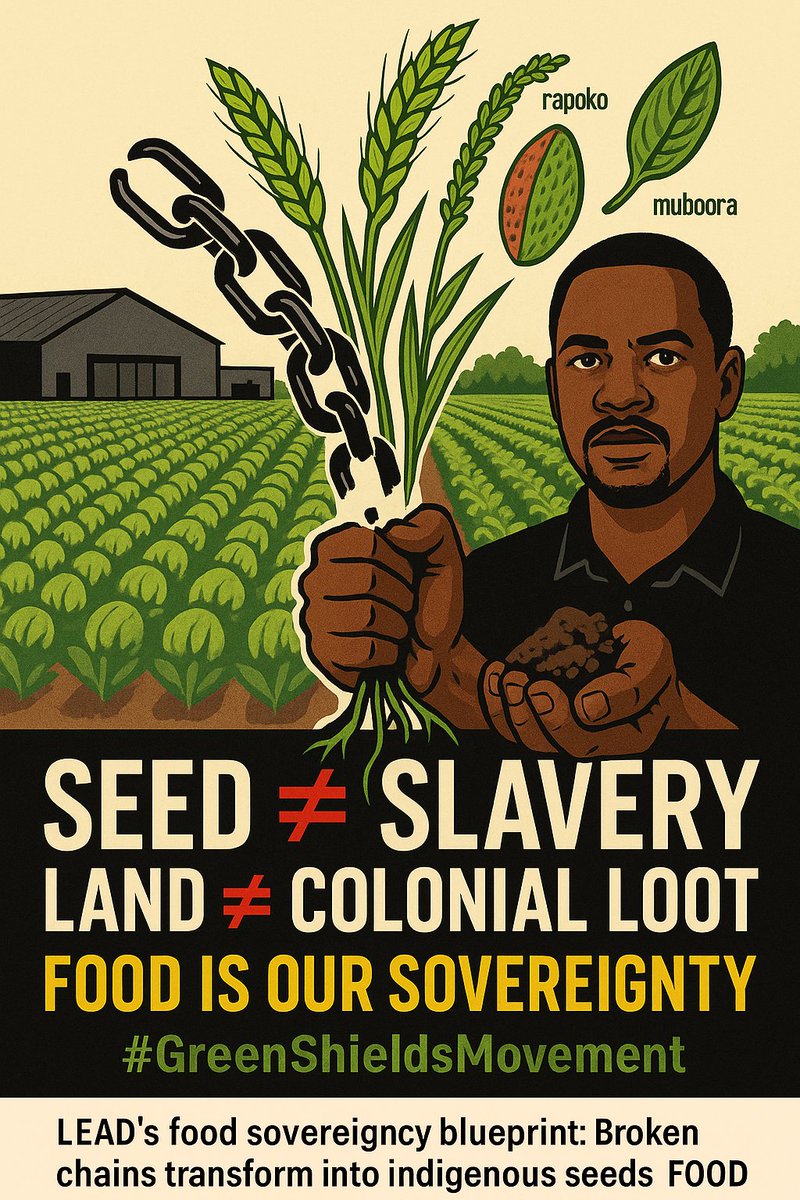
FOOD SOVEREIGNTY IS ZIMBABWE’S LIBERATION FROM COLONIAL LEGACIES & NEO-IMPERIALIST EXPLOITATION
Fellow Zimbabweans,
For decades, we have been fed lies. Lies that "free markets" will feed our nation. Lies that imported grain is progress. Lies that chemical-dependent mono-cropping is development. I stand today to declare: FOOD SOVEREIGNTY IS OUR BIRTHRIGHT AND OUR URGENT REVOLUTION.
Our soils were stolen by colonial land grabs and now hoarded by neo-colonial elites who hold the key to true independence. While 70% of our population depends on agriculture, 6.6 million Zimbabweans face acute hunger (ZimStat 2023), this isn’t misfortune. IT IS SYSTEMIC SABOTAGE.
THE CRISIS IS COLONIAL BY DESIGN
▪︎ Seed Slavery
Multinationals push GMO seeds that demand toxic chemicals, destroying biodiversity and trapping farmers in debt.
▪︎ Land Injustice
23 years after land reform, 87% of prime farmland remains unutilized or controlled by political cartels (LANDSAT 2023).
Market Betrayal
▪︎ IMF-imposed austerity dismantled grain boards, leaving farmers at the mercy of exploitative middlemen.
LEAD’S PATH TO SOVEREIGNTY
1. LAND FOR THE PEOPLE, BY THE PEOPLE
▪︎ Redistribute idle farms to productive smallholders via Community Land Trusts.
▪︎ Enforce Constitutional Section 15: "The State must promote food security."
2. SEED & KNOWLEDGE LIBERATION
▪︎ Ban patenting of indigenous seeds. Establish National Seed Banks.
▪︎ Transition to agroecology: Train 200,000 farmers in chemical-free methods by 2026.
3. SOVEREIGN FOOD SYSTEMS
▪︎ Launch Provincial Food Hubs Farmers should control pricing, storage, and distribution.
▪︎ Enact a Food Sovereignty Act criminalizing grain hoarding/sabotage.
4. PAN-AFRICAN SOLIDARITY
▪︎ Reject exploitative "aid" from AGRA (Alliance for Green Revolution in Africa).
▪︎ Partner with Senegal’s agroecological villages & Tanzania’s seed sovereignty networks.
OUR CALL TO ACTION:
☆ TO GOVERNMENT
Stop kneeling to World Bank structural adjustments. Prioritize smallholders in NDS1 budgets.
☆ TO COMMUNITIES
Occupy idle farms. Plant heritage seeds. Boystalk imported junk food.
☆TO YOUTH
Join LEAD’s #GreenShields Movement: Train as agroecology warriors.
Food is power. Control your soil, control your seeds, and control your destiny. No liberation is possible on an empty stomach.
#FoodSovereigntyZA #AgroecologyRevolution
#LEAD4Zim #HurricaneMasarira #ZimFoodJustice
Why is there no word for a parent who has lost a child?
A child whose parents died is called an orphan/nherera
A man whose wife dies is called a widower/pfunda
A woman whose husband died is called a widow/shirikadzi
Kana muririmu rwamai zvakandodaro, why?
Page 3
▪︎ Resolve Debt and Sanctions Expedite debt restructuring through the IMF’s Structured Dialogue Platform and address sanctions by demonstrating commitment to human rights and governance reforms.
A Call to Action
Zimbabwe’s future is not a distant hope. It is a reality we can shape today. As I stated in my 2024 New Year message, “Let us make 2024 a year of positivity and restoration.” The message is still vivid and very valid today.
We must reject toxic politics and embrace unity, harnessing our collective strength to transform challenges into opportunities. The government has a duty to lead with courage, but Zimbabweans must also demand accountability and participate actively in nation-building. (https://t.co/CN2u37kGbq)
As LEAD President, I remain committed to advocating for a Zimbabwe where every citizen is empowered, protected, and valued. My activism from challenging human rights abuses during the Mugabe era to fighting for workers’ rights has taught me that change begins with us. Let us seize this moment to build a nation that reflects our shared aspirations for justice, prosperity, and unity. (https://t.co/6HDUgxiGZ8)
To my government: act swiftly, prioritize the people, and let us work together to make Zimbabwe a shining example of African resilience. To my fellow Zimbabweans: rise, believe, and let us reclaim our nation’s greatness. #RiseWithLinda When we rise, we rise together.
Linda Tsungirirai Masarira is the President of Labour, Economists and Afrikan Democrats (LEAD) and a passionate advocate for human rights, gender equality, and economic justice.
Page 2
1. Stabilize the Economy Through Transparent Monetary and Fiscal Policies
▪︎ Strengthen the ZiG Currency
The Reserve Bank of Zimbabwe must adopt disciplined monetary policies to control inflation and restore confidence in the ZiG. This includes limiting money supply growth and ensuring transparency in currency management. The 2024 devaluation highlighted the need for robust reserves and export-driven growth to support the currency.
(https://t.co/m0uO7ApF6L)
▪︎ Reduce Fiscal Waste
A bloated cabinet, with excessive salaries and allowances, drains resources that could be invested in social services. Streamline the executive to prioritize efficiency and redirect funds to critical areas like healthcare and education.
▪︎ Boost Export Competitiveness Capitalize on our mineral wealth (gold, lithium) and agricultural potential (tobacco, horticulture) to increase foreign exchange earnings. Incentivize local processing to reduce reliance on raw exports and create jobs.
2. Inclusive Governance to Heal Divisions
▪︎ Implement Power-Sharing Mechanisms
There is a need for an inclusive governance model in our quest to mend the broken social and political fabric. I reiterate my call for a power-sharing arrangement that guarantees representation for all political parties and civil society, reducing polarization and the risk of conflict. (https://t.co/VuulxRH9Wd)[](https://t.co/aYzAfqJsXr)
▪︎ Engage in National Dialogue Convene a broad-based dialogue involving rural and urban communities, youth, women, and traditional leaders to shape governance reforms, including debates on term limits and electoral processes. Public engagement is not a formality but a necessity for legitimacy. (https://t.co/b70hb2swkZ)
▪︎ Strengthen Electoral Integrity Reform the Zimbabwe Electoral Commission (ZEC) to ensure independence and transparency. Address issues like voter suppression and biased delimitation to restore trust in elections.
3. Prioritize Climate Resilience and Food Security
▪︎ Invest in Climate Adaptation Expand irrigation to 496,000 hectares and promote climate-smart agriculture like Pfumvudza/Intwasa to mitigate drought risks. Every dollar invested in anticipatory measures saves up to $16 in future costs.
▪︎ Diversify Energy Sources Accelerate investments in solar, wind, and hydro to reduce reliance on vulnerable hydropower sources like Kariba Dam, ensuring stable electricity for industries and households.
▪︎ Enhance Social Safety Nets
The 2024 drought exposed the fragility of food security. Expand cash transfers and food assistance programs to protect vulnerable populations, particularly low-income families and rural communities. (https://t.co/m0uO7ApF6L)
4. Empower Women, Youth, and Marginalized Groups
▪︎ Combat Gender-Based Violence (GBV)
As a GBV survivor, I urge the government to strengthen legal protections and support services for victims. My work with the Zimbabwe Women in Politics Alliance shows that empowering women politically and economically is key to national progress. (https://t.co/GEKIdqjpwb)
▪︎ Address the Drug Crisis
The rise of substances like skunk and mutoriro is devastating our youth. Through the Linda Tsungirirai Masarira Foundation, I propose a “Family Rescue Fund” to support families affected by drug abuse. The government must complement criminalization with rehabilitation and education programs. (https://t.co/8pCkSZv9u1)
▪︎ Invest in Education and Skills Reverse the brain drain of 3 million skilled workers by improving education infrastructure and creating opportunities for youth in technology, agriculture, and mining.
5. Tackle Corruption and Rebuild Trust
▪︎ Enhance Accountability Establish independent oversight bodies to monitor public spending and hold officials accountable. Corruption undermines trust and deters investment.
To page 3...
The Future of Zimbabwe – A Vision for Progress and Unity
As a proud Zimbabwean, human rights activist, and leader of the Labour, Economists and Afrikan Democrats (LEAD) party, I envision a Zimbabwe that rises from its challenges to become a beacon of prosperity, inclusivity, and resilience. Our nation stands at a crossroads, grappling with economic instability, political polarization, and the growing threat of climate change. Yet, Zimbabwe’s potential rooted in its resilient people, rich resources, and vibrant culture remains boundless. The future of our motherland depends on bold, inclusive, and pragmatic reforms that prioritize the welfare of all Zimbabweans. Below, I outline my vision for Zimbabwe’s future and offer actionable recommendations to the government to steer us toward sustainable progress.
A Vision for Zimbabwe’s Future Zimbabwe’s future must be one of unity, equity, and opportunity. Our nation has endured decades of economic hardship, political division, and social challenges, yet the spirit of our people remains unbroken. I see a Zimbabwe where:
▪︎Economic Stability Drives Prosperity
A stable currency, disciplined fiscal policies, and a thriving private sector create jobs and reduce poverty, lifting millions into the middle class.
▪︎ Inclusive Governance Cultivates Unity
A political system that embraces all voices regardless of party, gender, or background thereby reducing polarization and builds trust in institutions.
▪︎ Climate Resilience Secures Our Future
Investments in sustainable agriculture, renewable energy, and adaptive infrastructure protect our people from environmental shocks.
▪︎ Empowered Communities Thrive
Women, youth, and marginalized groups are empowered through education, economic opportunities, and protection from violence and exploitation. This vision is not a dream, it is achievable with collective will, courageous leadership, and a commitment to putting Zimbabwe first. However, the path forward requires confronting systemic challenges head-on and reimagining our approach to governance, economic policy, and social justice.
Challenges Facing Zimbabwe
The road to a prosperous future is fraught with obstacles. The 100% devaluation of the Zimbabwe Gold (ZiG) currency in September 2024 exposed deep-rooted economic vulnerabilities, driving inflation and eroding purchasing power for ordinary Zimbabweans. High public debt (96.6% of GDP in 2023) and $10.7 billion in external arrears limit access to international financing, stifling growth. The 2024 El Niño drought, which slashed maize yields by 60% and left over one-third of our population food insecure, underscores our vulnerability to climate change. Political polarization, exacerbated by the disputed 2023 elections, continues to erode trust, while systemic corruption and human rights concerns hinder re-engagement with the global community.
As I have long argued, these challenges are not insurmountable, but they demand a shift from short-term fixes to long-term, people-centered solutions. My experiences from organizing the “Bring Back Our Women from Kuwait” campaign to advocating for workers’ rights at the National Railways of Zimbabwe have shown me that Zimbabweans are resilient and capable of driving change when empowered. The government must act decisively to harness this potential
Recommendations to the Zimbabwean Government
To secure a brighter future, I urge the government to adopt the following recommendations, rooted in LEAD’s principles of inclusivity, economic justice, and Pan-Africanism:
To page 2...
The issue of colourism in African communities is deeply rooted in historical, cultural, and socio-economic factors, and addressing it requires a multifaceted approach that combines education, advocacy, and community-building. Colourism, the prejudice or discrimination against individuals with darker skin tones, often stems from colonial legacies, media portrayals, and societal beauty standards that privilege lighter skin. Below, I outline why this attitude persists and provide actionable steps to combat the stigma and cultivate self-love among dark-skinned Africans, potentially through a movement called #ProudlyMelaninRich.
Why Some Africans Have Negative Attitudes Toward Darker-Skinned Individuals
Colonial legacy and rurocentric beauty standards have made some Africans ridicule melanin rich dark Africans. Colonialism introduced Eurocentric ideals that associated lighter skin with superiority, wealth, and beauty, while darker skin was stigmatized as inferior. These ideals were reinforced through media, education, and social hierarchies, leaving a lasting impact on African societies.
Post-colonial media, including Hollywood and local advertising, often glorifies lighter skin, perpetuating the notion that it is more desirable.
Socio-Economic factors have placed lighter skinned people as better people than dark skinned people. Lighter skin is sometimes associated with privilege or proximity to wealth, as historically, lighter-skinned individuals (often of mixed descent) had access to better opportunities under colonial systems. This perception lingers in some communities.
Skin bleaching products are heavily marketed in Africa, with companies exploiting insecurities to promote the idea that lighter skin equates to success or attractiveness. It is sad that some insecure dark skinned people end up bleaching to fit in or feel beautiful.
Cultural narratives and internalized bias have been a catalyst of shunning dark skinned people. Some African cultures have pre-colonial biases favouring lighter skin, often tied to class or occupation (e.g., lighter skin indicating less outdoor labour). These biases have been amplified by modern media.
Internalized colourism leads to self-hatred, where individuals with darker skin face discrimination not only from society but also within their own communities and families.
Mainstream African media, including Nollywood, music videos, and advertisements, often underrepresents or negatively portrays dark-skinned individuals, reinforcing stereotypes. Here in Zimbabwe we even have journalist like @daddyhope who led an attack on a dark woman, implying she doesn't bath with no iota of shame at all.
Social media platforms sometimes amplify colourist rhetoric, with filters and beauty trends promoting lighter skin tones.
Dark skin is not a flaw; it’s a crown of beauty, resilience, and heritage. We reject colourism’s lies and embrace our melanin with unapologetic pride. Join us in celebrating the radiance of dark-skinned Africans and dismantling stereotypes that diminish our worth. #BlackLikeMe