Our @IDRC_CRDI project examines what planned relocation means through the lived experiences captured by Photovoice. Do the positive outcomes outweigh the challenges of design and implementation? Find out more here 👇 @OStefancu@NeilAdger@rmmru
Led by the great @hasterly w many @HABITABLE_H2020 colleagues. Our thoughts on place and habitability, role of mobility in adapting to climate change, and need for pluralism avoiding deterministic notions of people and places at risk. @ricsdecampos@MFrancoGavonel @RedickerSarah
Empathetic methods, I'm so here for it!
Check out new paper by @LucyLS9@NeilAdger@ricsdecampos et al. on using PhotoVoice as a more relational entry point into urban planning in the context of #migration@YashoUdupa @ranjitnihal
Overcoming structural inequalities in cities through building empathy between marginalised groups and planners. It is possible and tackles major injustices. OA at npj Urban Sustainability. w Bangladeshi colleagues
@LucyLS9@ricsdecampos@UniofExeterNews
https://t.co/Xng2Bzajrg
Habitability of place, the capability to stay, the right to move, and dignity in choice. We grappled with these consequences of climate change in hugely engaged and interdisciplinary team in @HABITABLE_H2020. Thanks @hasterly and @PSakdapolrak and many colleagues for distilling
Yes we are focussed on the mission of climate solutions that help promote health and wellbeing. Including team in @ExeterGeography@drcbutler and others
Our new £10m centre will tackle the health impacts of climate change!
The Centre for Net Positive Health and Climate Solutions is funded by UK Research and Innovation, led by @TimTaylorEnvEco
Run with: Forest Research UK @UKHSA@metoffice@nationaltrust
https://t.co/o4J2ANHbgi
❗Interpretations are what determine responses much more than raw facts.
How do narratives shape the way we perceive & respond to migration? ➡️ @blancagarcesmas explains the elements that make narratives impactful
Read the 1st #MigrationCoLab 'short' 🔗 https://t.co/WNC1eVmfpN
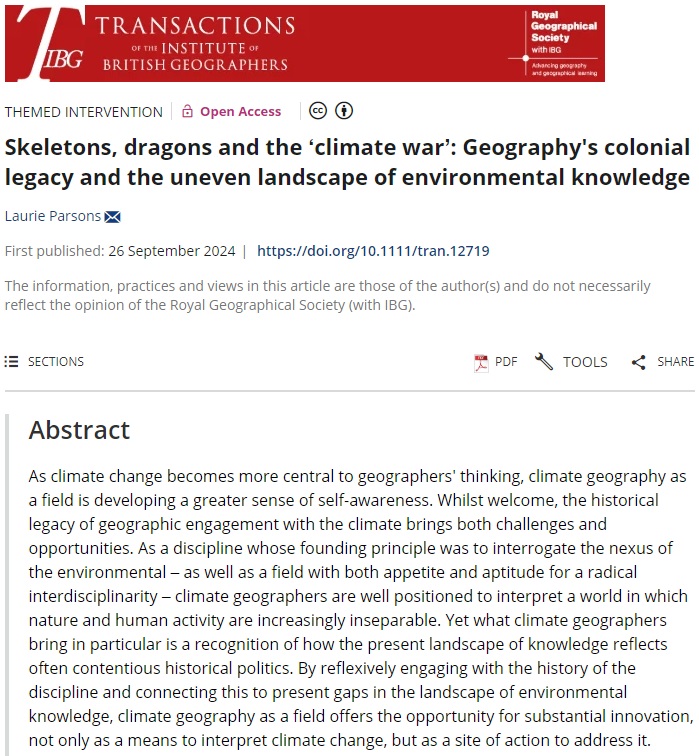
5/ Next, @lauriefdparsons argues that climate geography as a field offers the opportunity for substantial innovation:
'Skeletons, dragons and the ‘climate war’: Geography's colonial legacy and the uneven landscape of environmental knowledge'. #OpenAccess
https://t.co/IJ41tNk7Og
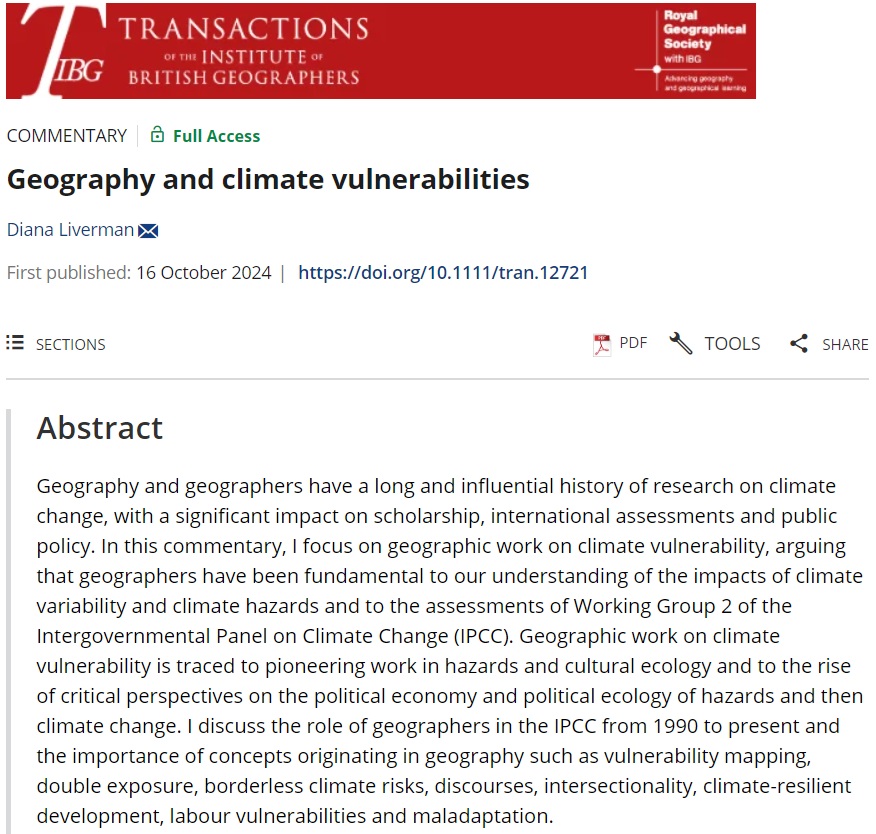
2/ Next is ‘Geography and climate vulnerabilities’ by @DianaLiv:
This paper argues that geographers have played a fundamental role in the assessments conducted by Working Group 2 of the Intergovernmental Panel on Climate Change (IPCC).
https://t.co/CP8oeUXKv3
📢New Themed Intervention published in #TIBG 📢
Across six contributions, 'Changing climate, changing geographies?' explores how understandings of climate change in Human Geography have evolved over time, and sets out directions for future research. 👇🧵
https://t.co/PoT8WzT00t
Today's Lancet climate and health report presents 56 indicators of health and climate change across FIVE domains. (Download the report for free from the Lancet website). Here is a thread of some of the key findings. #Lancetclimate24 (1)
I’m delighted to be feature in the new podcast series ‘Voices on the Move’. Together with @Gemenne and colleagues from @HABITABLE_H2020 we help unpack the climate-mobility nexus. @GSI_Exeter@ExeterGeography
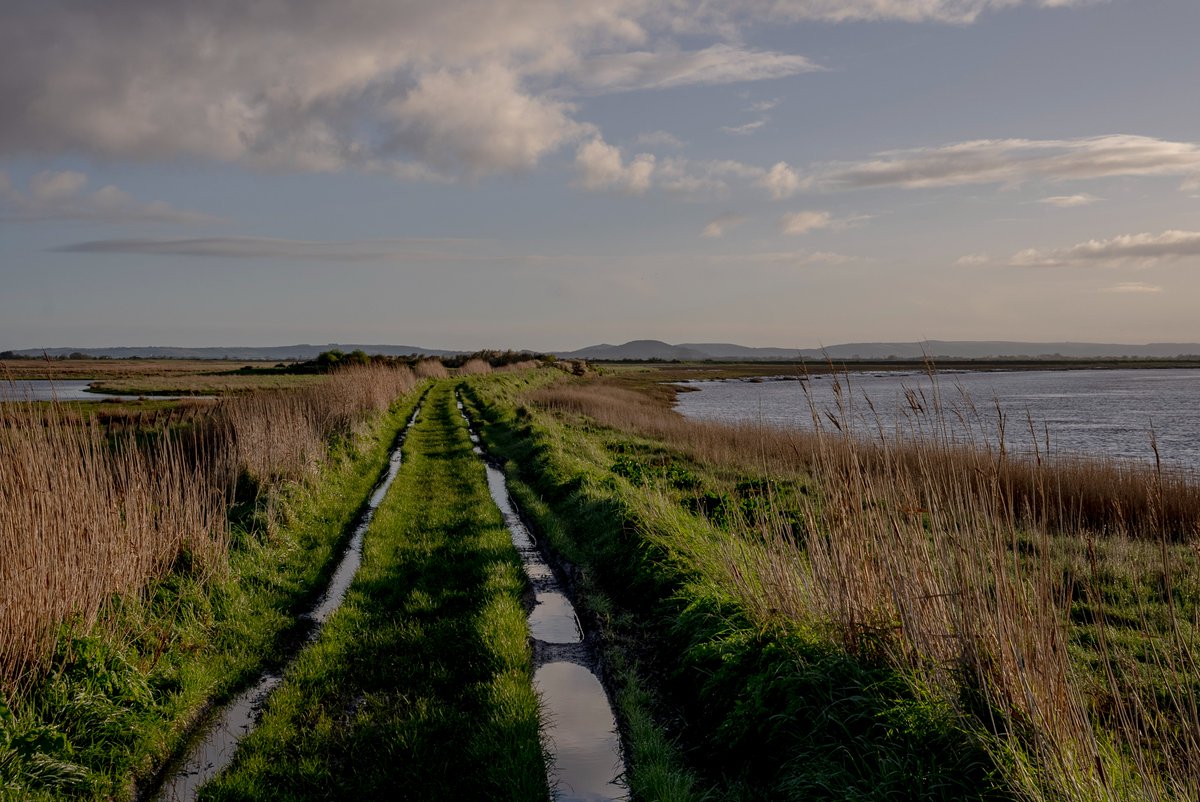
The idea was to turn what had been farmland into salt marsh, an ancient ecosystem that soaks up water as the tide comes in and releases it as the sea retreats.
Since 1860, Britain has lost 85 percent of its salt marsh.