We are moving to Bluesky! To keep up to date with our latest studies, follow us on Bluesky and Facebook. 🔵
https://t.co/H6KsbRXaCt
https://t.co/777qIOPNkG
New dietary data for the Brazilian false coral snake in the Caatinga biome reveal a lizard-dominated diet and document incidental plastic ingestion.
🔗 https://t.co/iOGc8UiymP
@ufersa
Nine new species of microcaddisflies from Panama's Soná Peninsula and Coiba National Park are described in this study, bringing the country's known caddisfly fauna to 544 species.
🔗 https://t.co/UureOxOYTP
#Trichoptera
Researchers have discovered three new orchid species - each utilising an unusual method of asexual reproduction known as prolification - from the cloud forests of Costa Rica and Panama. 🇵🇦🇨🇷
🔗 https://t.co/qvSr7pCp3v
#Orchidaceae
A man sustained serious leg injuries in a non-fatal attack by a Morelet’s crocodile in Laguna del Carpintero, Mexico, prompting a coordinated emergency response and highlighting ongoing human-wildlife conflict in urban wetlands.
https://t.co/1N10YaAEDd
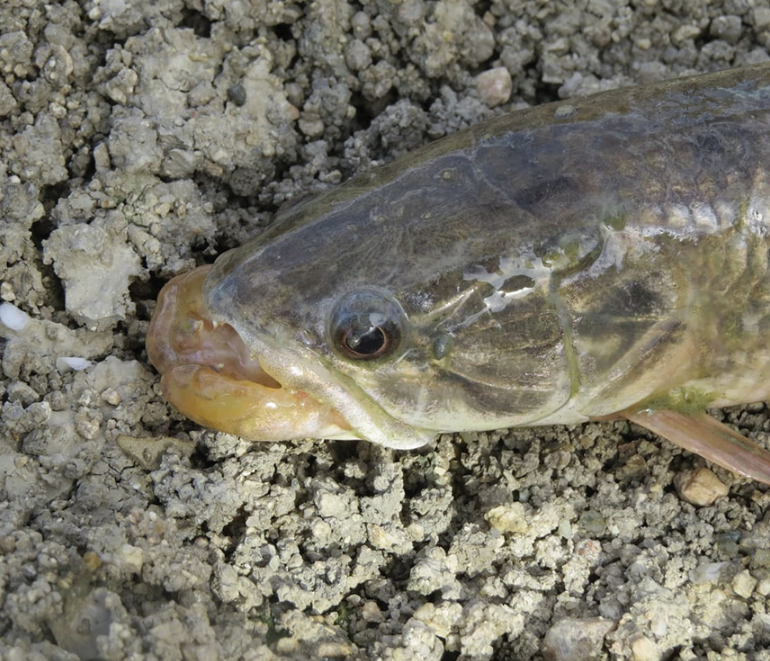
Trahira fish found in a hypoxic drying pool developed lip protrusions not linked to tissue changes or oxygen absorption structures, suggesting a possible role in channeling surface water into the mouth.
🔗 https://t.co/jPSwcWtR6b
New field records from the Ecuadorian Andes document domestic dogs chasing, injuring, or killing six native vertebrate species, including endangered ones, underscoring their threat to wildlife even within protected areas.
🔗 https://t.co/M48JSRPjde
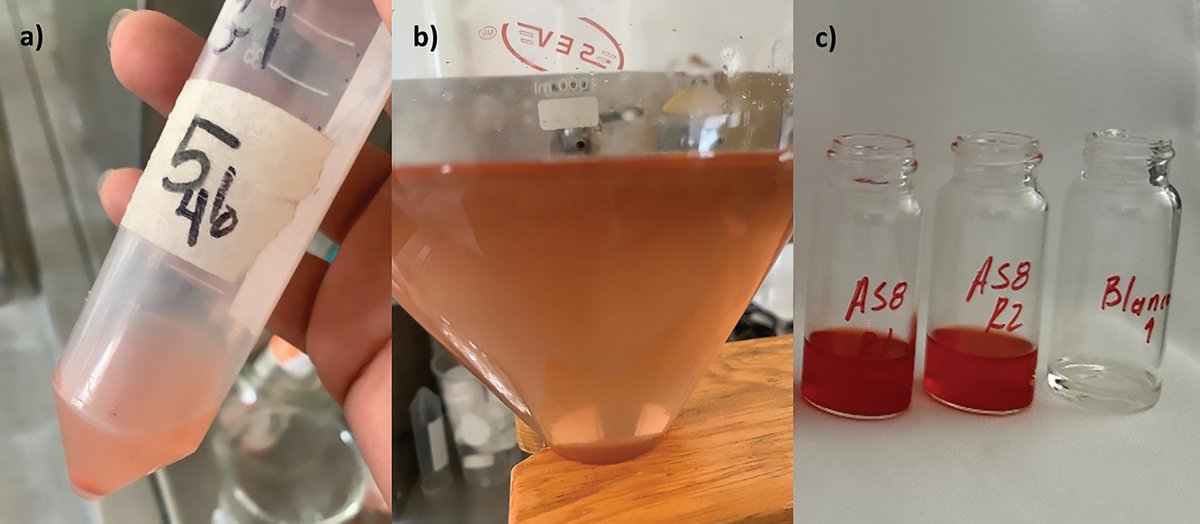
First report of Halomicrobium mukohataei in Mexico shows its pigments possess antioxidant, antimicrobial, and moderate cytotoxic activities.
🔗 https://t.co/pjoecejLGJ
Non-native plant species on inselbergs of Brazilian tropical forests: checklist and insights for biodiversity management and conservation.
🔗 https://t.co/JpFFQUKTFr
@neotropicalbio
Yesterday was #WorldTapirDay! We recently published research from Rafael Reyna-Hurtado describing his discovery of unexpected fighting and vocalisation from tapirs (Tapirus bairdii) in Mexico.
"Imagine my surprise... one camera showed us 97 videos of tapirs involved in fighting, running, chasing, biting each other and whistling!"
Rafael Reyna-Hurtado describes his research capturing unexpected extreme fighting and vocalisation in tapirs.
🔗 https://t.co/Ibq8Jj4ybK
Termites and ants share nests in complex Amazonian cohabitation networks, revealing how biodiversity, habitat type, and species roles shape one of the rainforest’s most overlooked symbioses.
🔗 https://t.co/Zvbcmqx3M5
@neotropicalbio
Researchers report unusual behaviour of fighting and whistling in Baird’s tapirs, a species considered shy and calm.
🔗 @Pensoft blog post: https://t.co/Ibq8Jj4ybK
🔗 Research paper: https://t.co/00yA3AGkSt
Researchers report unusual behaviour of fighting and whistling in Baird’s tapirs, a species considered shy and calm.
🔗 @Pensoft blog post: https://t.co/Ibq8Jj4ybK
🔗 Research paper: https://t.co/00yA3AGkSt
"Imagine my surprise... one camera showed us 97 videos of tapirs involved in fighting, running, chasing, biting each other and whistling!"
Rafael Reyna-Hurtado describes his research capturing unexpected extreme fighting and vocalisation in tapirs.
🔗 https://t.co/Ibq8Jj4ybK
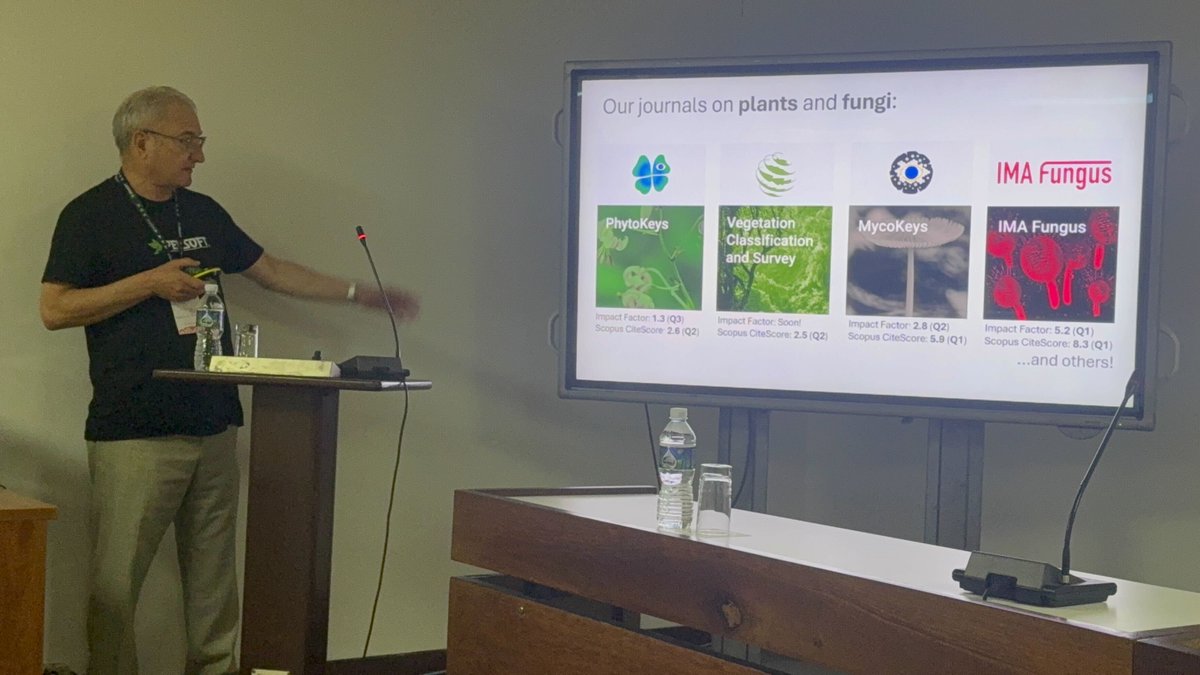
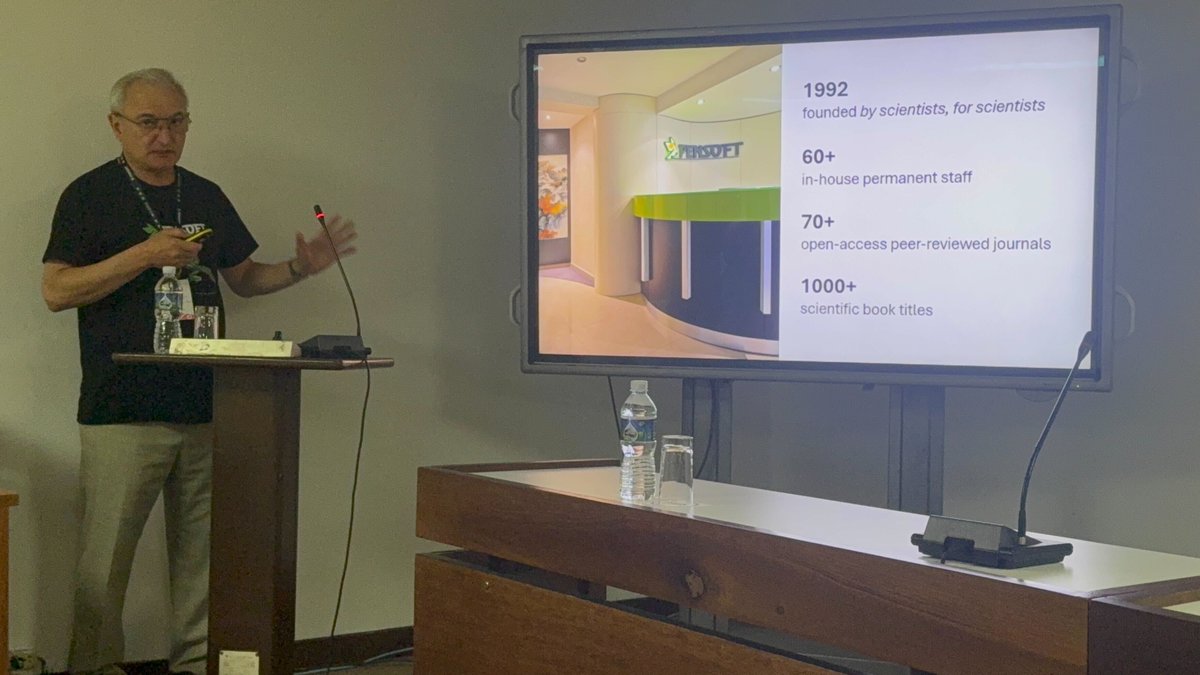
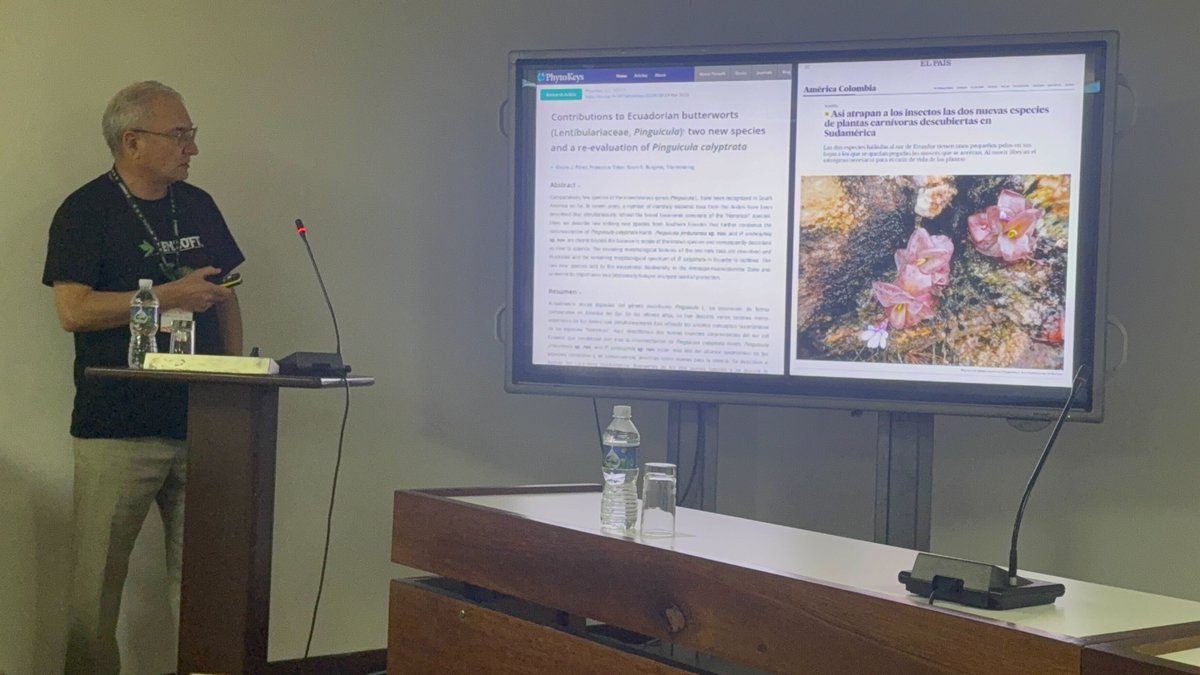
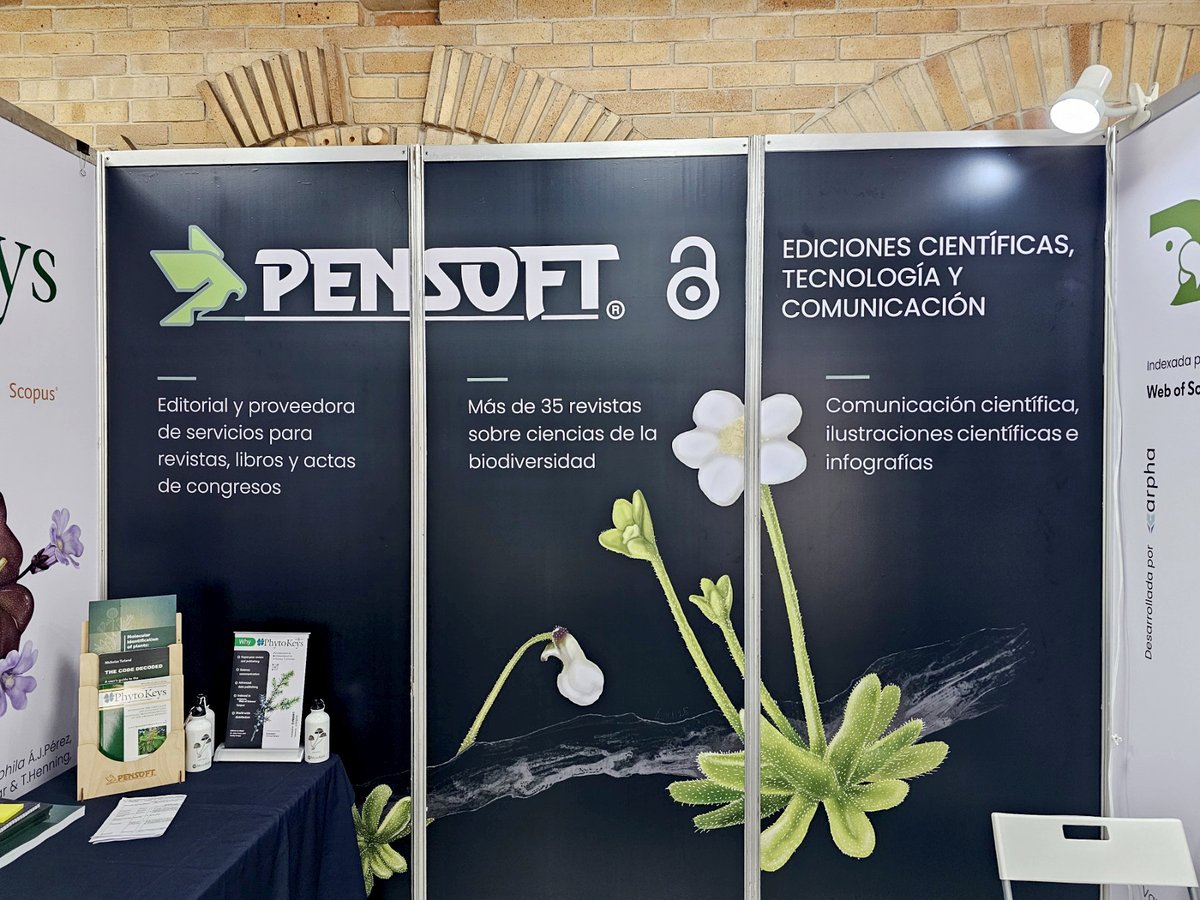
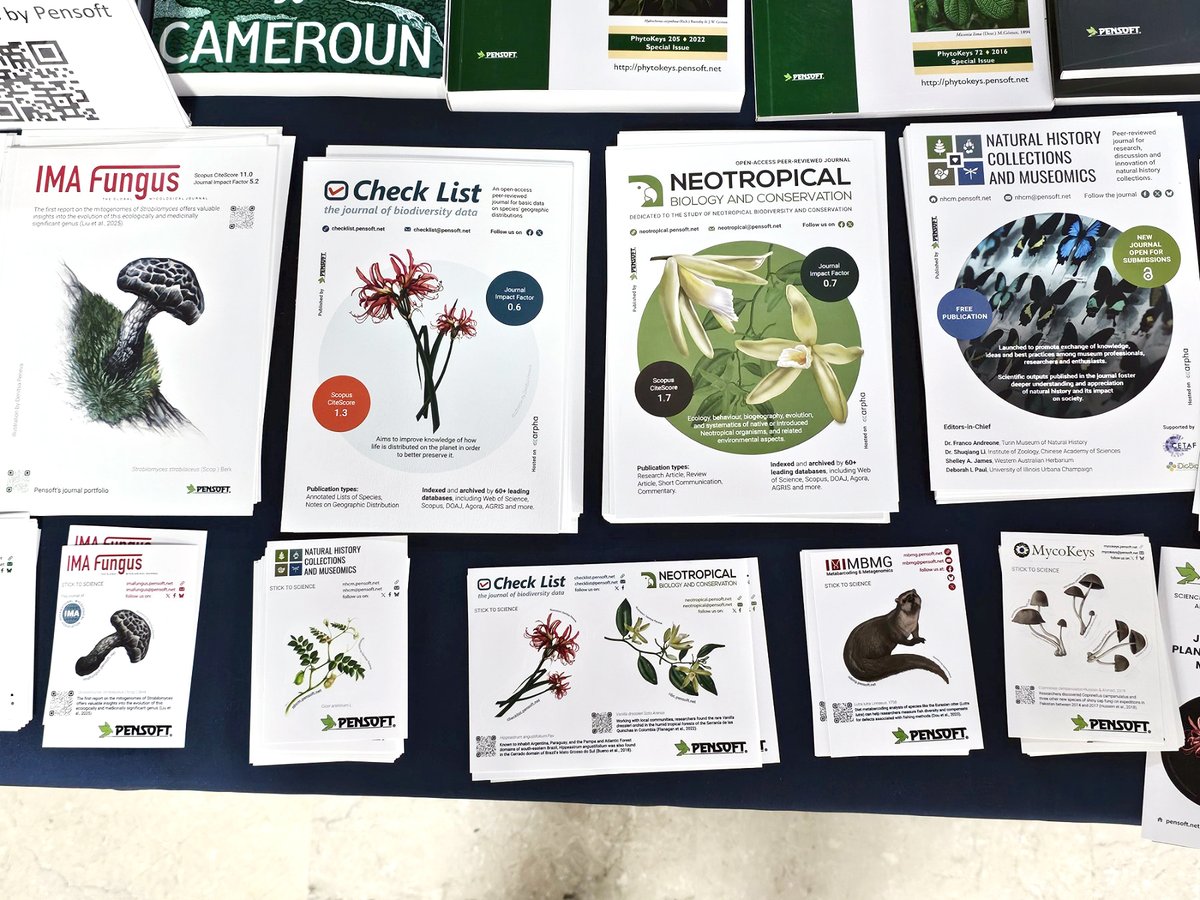
You can find us at #XIIICLB, where we'll be happy to discuss open-access publishing in botany and mycology with you! We're also presenting a session on Friday, March 14!