¿QUIERES SE RESIDENTE DE NEFROLOGÍA? 🔥🔝😎
Fecha límite pre-registro 🆘 26 de Julio 2026
Te compartimos la convocatoria del ISSSTE⬇️ https://t.co/1cYIgCiUmx
Si te interesa saber sobre nuestra sede 👀sigue leyendo ➡️➡️➡️
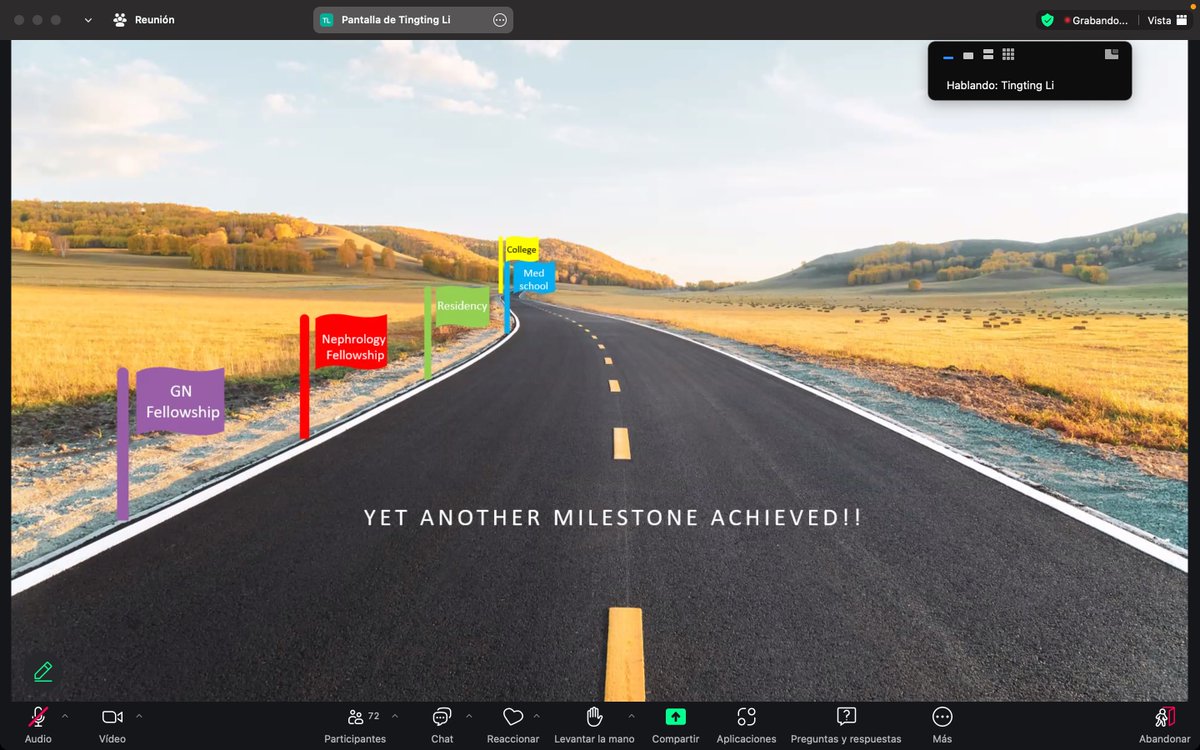
Finally, graduation day is here! . Grateful for the opportunity to learn from talented colleagues who share my passion for glomerular diseases. It's an incredible experience.Thank you for all the support and knowledge gained. @GlomCon#HouseofPodocytes#glomerulardiseases
The identity of the circulating permeability factor is not known. The main suspects are:
•Serum soluble urokinase plasminogen activator receptor (suPAR)
•Apolipoprotein A1 (apoA-1)
•C-C motif chemokine ligand (CCL)
•Anti-CD40 autoantibody
•Anti-nephrin antibody
📚6⃣
However, several reports support the theory of a circulating factor:
1.- Serum increases in vitro glomerular permeability
2.- Plasma exchange can reduce protein excretion (which increases when injected into rats)
3.- Retransplation with complete resolution
📚5⃣
Role of Electron Microscopy:
EM in the setting of transplant kidney biopsies plays a crucial role.
FSGS evolves from early podocyte foot process effacement (Hours to weeks) "Minimal change phase" to focal and segmental sclerosis and finally to diffuse sclerosis.
📚3⃣
Let's start with Recurrent Primary FSGS:
1.- Recurrence rates vary from 30%–60%
2.- Presenting immediately or within months
3.- Clinical signs include hypertension, proteinuria (nephrotic range) and allograft dysfunction
4.- Resistant disease and graft loss remain common
📚2⃣
First of all, what is the importance of the recurrence of a glomerular disease?
1.- Important cause of allograft failure
2.- Reported rates vary from 2.6% to 50%
3.- The risk of recurrence is based on the type of GN
4.- Limitations to accurate treatment of recurrent GN
📚1⃣